US Notes

Rubber Band Damage on Paper Money: How Graders Assess Compression Lines, Surface Breaks, and the Limits of Conservation
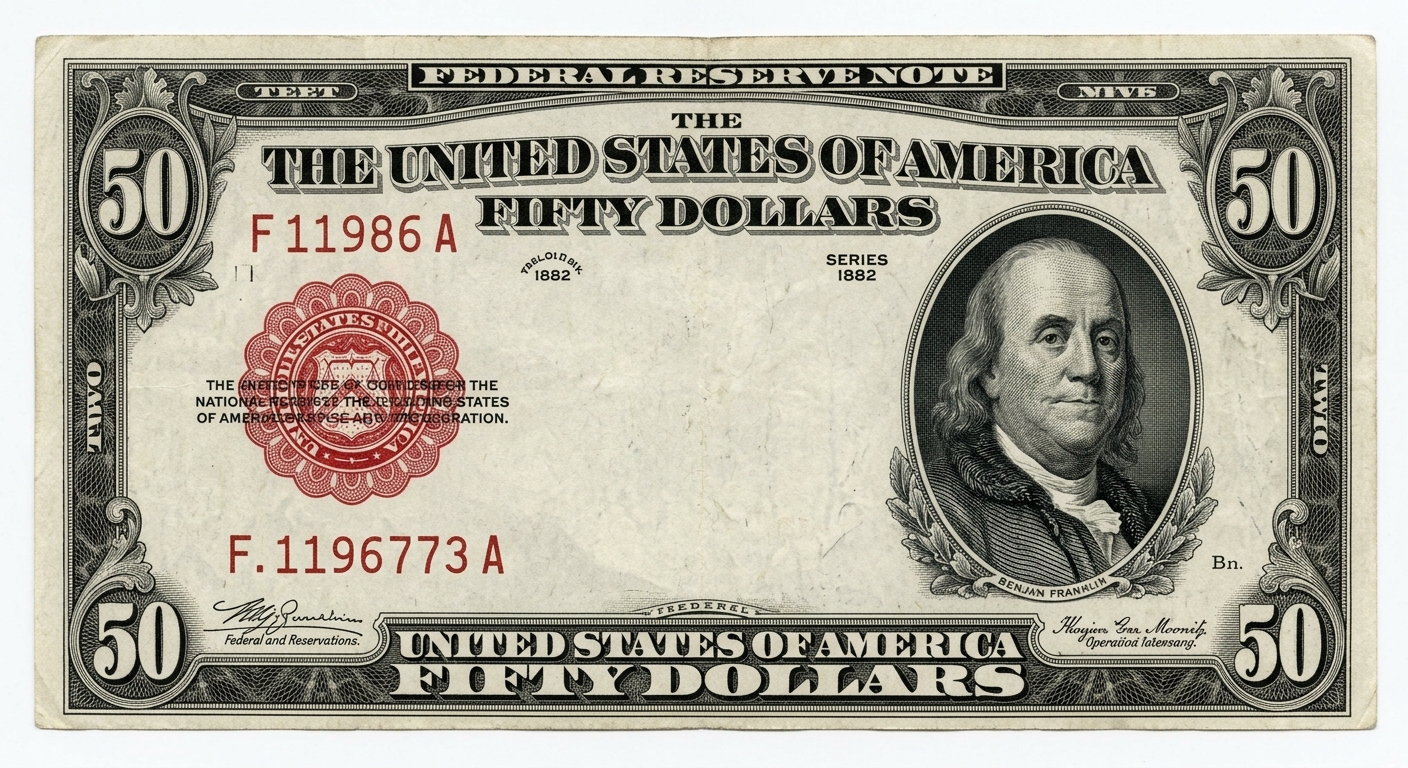
Rubber band damage is one of the most misunderstood forms of paper money deterioration, and many collectors discover its impact only when a note comes back from a grading service at a lower grade than expected. This guide breaks down exactly how professional graders at PCGS Currency and PMG evaluate compression lines and surface breaks caused by rubber bands, and what conservation options realistically exist.

Read More →
Circulated Grades for Large-Size Notes: Why Fine-15 Can Still Be a Spectacular Note

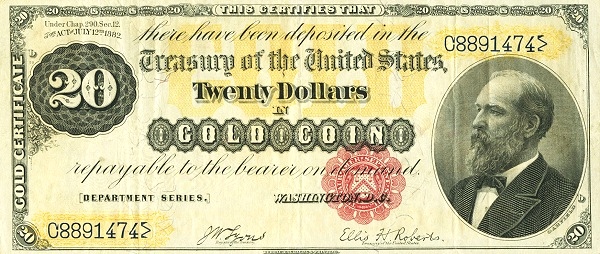
Grading large-size US currency is a nuanced art, and a Fine-15 note is far from the consolation prize many newcomers assume it to be. This guide breaks down what circulated grades really mean for pre-1929 paper money and why condition-obsessed thinking can cause collectors to miss genuinely stunning pieces of American monetary history.

Read More →

Grading Large-Size Gold Certificates: Why Condition Rarity Drives Value More Than Issue Rarity

A Gold Certificate with a modest print run can be worth less than a common-issue note in superb gem condition, and understanding why requires a deep dive into the grading nuances unique to this series. This guide breaks down the specific wear patterns, paper quality factors, and population data that make condition the dominant force in large-size Gold Certificate valuations.

Read More →

The Gold Recall of 1933: How FDR’s Executive Order 6102 Killed Gold Certificates

On April 5, 1933, Franklin Roosevelt signed Executive Order 6102 and effectively ended the era of circulating Gold Certificates in the United States overnight. For currency collectors, this moment created some of the most legally complex, historically significant, and financially valuable notes in all of American numismatics.

Read More →

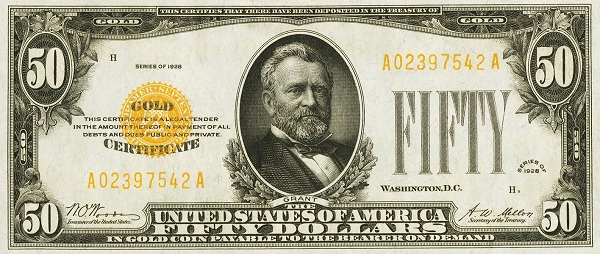
Small-Size Gold Certificates Series 1928: The Short-Lived Yellow Seal Notes That Defined an Era

The Series 1928 Gold Certificates represent one of the most historically charged issues in all of American paper money, printed and recalled within a single decade as the nation abandoned the gold standard. From the vivid yellow Treasury seals to the specific signature combinations that make certain notes scarcer than others, this guide covers everything a collector needs to know about these fascinating notes.

Read More →

Franklin on the $100: Comparing Every Engraved BEP Portrait from Large-Size Gold Certificates to the Modern Note

Benjamin Franklin has appeared on American currency longer than any other non-president, yet his portrait has changed dramatically across more than a century of engraving. This deep-dive compares every distinct BEP-engraved Franklin portrait, from the ornate large-size issues of the 1870s through the high-security small-size notes of 2013, giving collectors the specific details they need to identify, grade, and appreciate each era.

Read More →

The Series 1922 $5 Gold Certificate: Porthole Notes and Why Collectors Chase High Grades

The Series 1922 $5 Gold Certificate is one of the most visually striking pieces of American paper money ever printed, featuring a circular vignette of Abraham Lincoln that collectors have nicknamed the ‘Porthole’ note. Understanding its design quirks, survival rates, and grading pitfalls is essential for anyone serious about building a meaningful Gold Certificate collection.

Read More →

The Nixon Shock of August 1971: How the End of Bretton Woods Changed the Legal Status of Federal Reserve Notes Overnight

On August 15, 1971, President Nixon’s televised announcement severed the last link between Federal Reserve Notes and gold, transforming every bill in American wallets from a conditional promise into pure fiat currency. For collectors, this monetary earthquake left a fascinating paper trail: the notes printed before and after that Sunday night carry fundamentally different legal meanings, and knowing exactly where that line falls can sharpen both your historical understanding and your acquisition strategy.

Read More →

The Portrait of James Monroe on the 1923 $500 Gold Certificate: Why a Former President Appeared on Only One Note

The Series 1922 $500 Gold Certificate stands as one of the most fascinating and elusive notes in all of American paper money, featuring the only appearance of President James Monroe on U.S. currency. Understanding its history, design origins, and survival rate transforms this note from a mere rarity into a window on a pivotal era of monetary policy.

Read More →

The Color Scheme of the 1882 Gold Certificate Brown Back: Why Gold and Orange Were Chosen to Signal Bullion Convertibility

The 1882 Gold Certificate Brown Back series is one of the most visually striking issues in American paper money history, with its warm amber and orange-brown tones carrying deliberate meaning about the note’s bullion-backed status. This article unpacks the design philosophy, printing technology, and collecting landscape surrounding these remarkable large-size notes.

Read More →