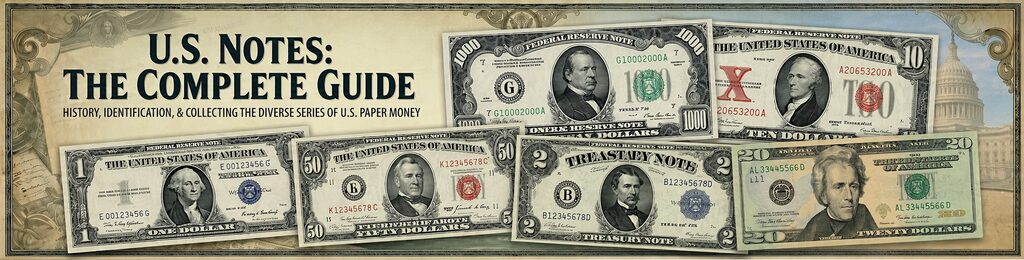
US Notes

Series 1935C $1 Silver Certificate: Identifying Genuine Wide and Narrow Design Differences Versus Misattributed Examples
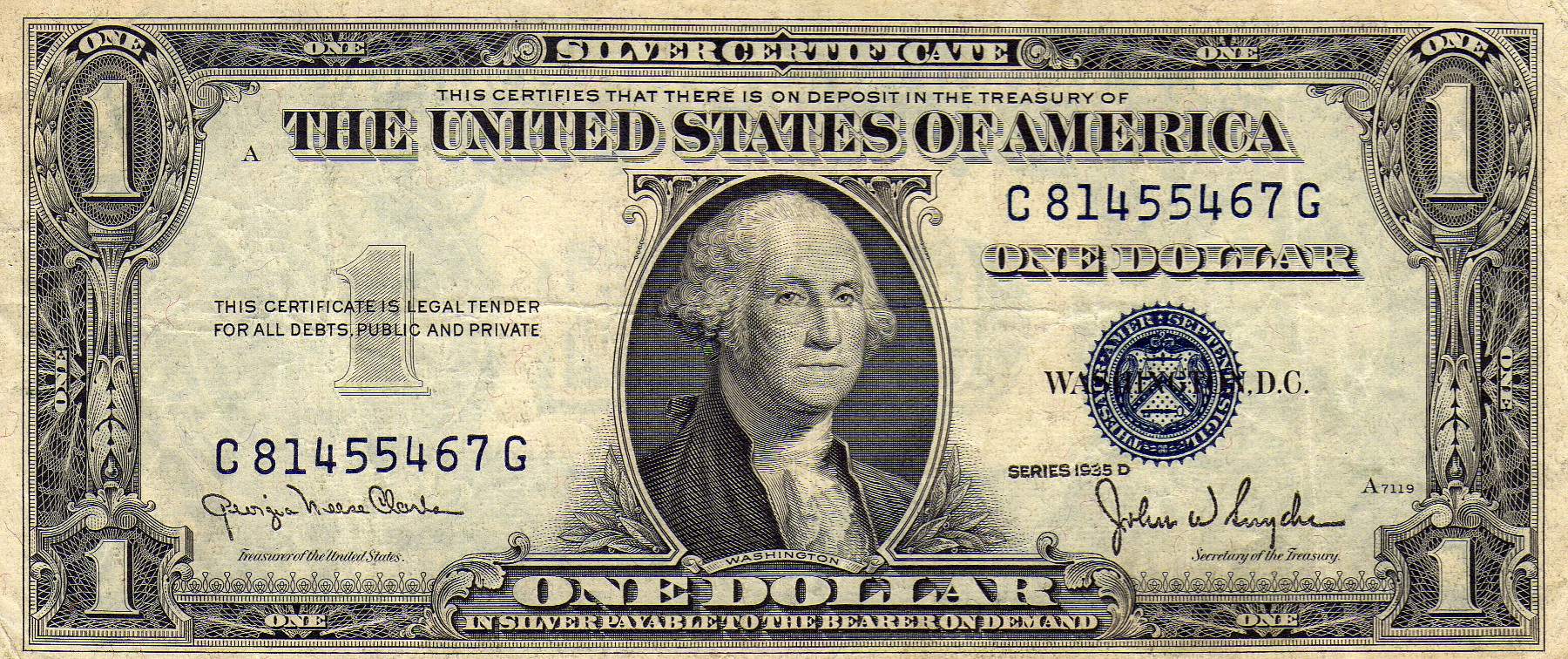
The 1935C $1 Silver Certificate harbors one of the most debated design distinctions in small-size currency collecting: the Wide versus Narrow back varieties. Understanding how to tell them apart, and how often notes are wrongly attributed, can mean the difference between a bargain and an expensive mistake.

Read More →
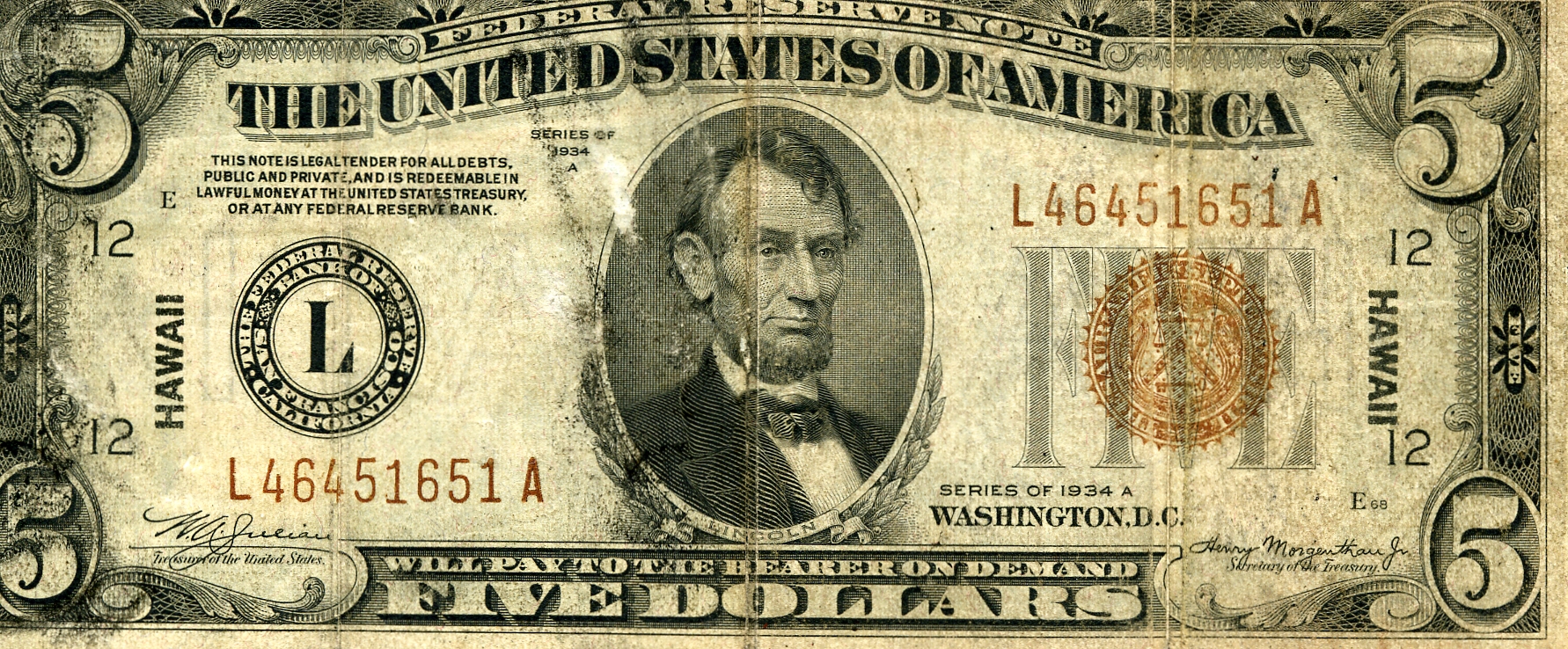
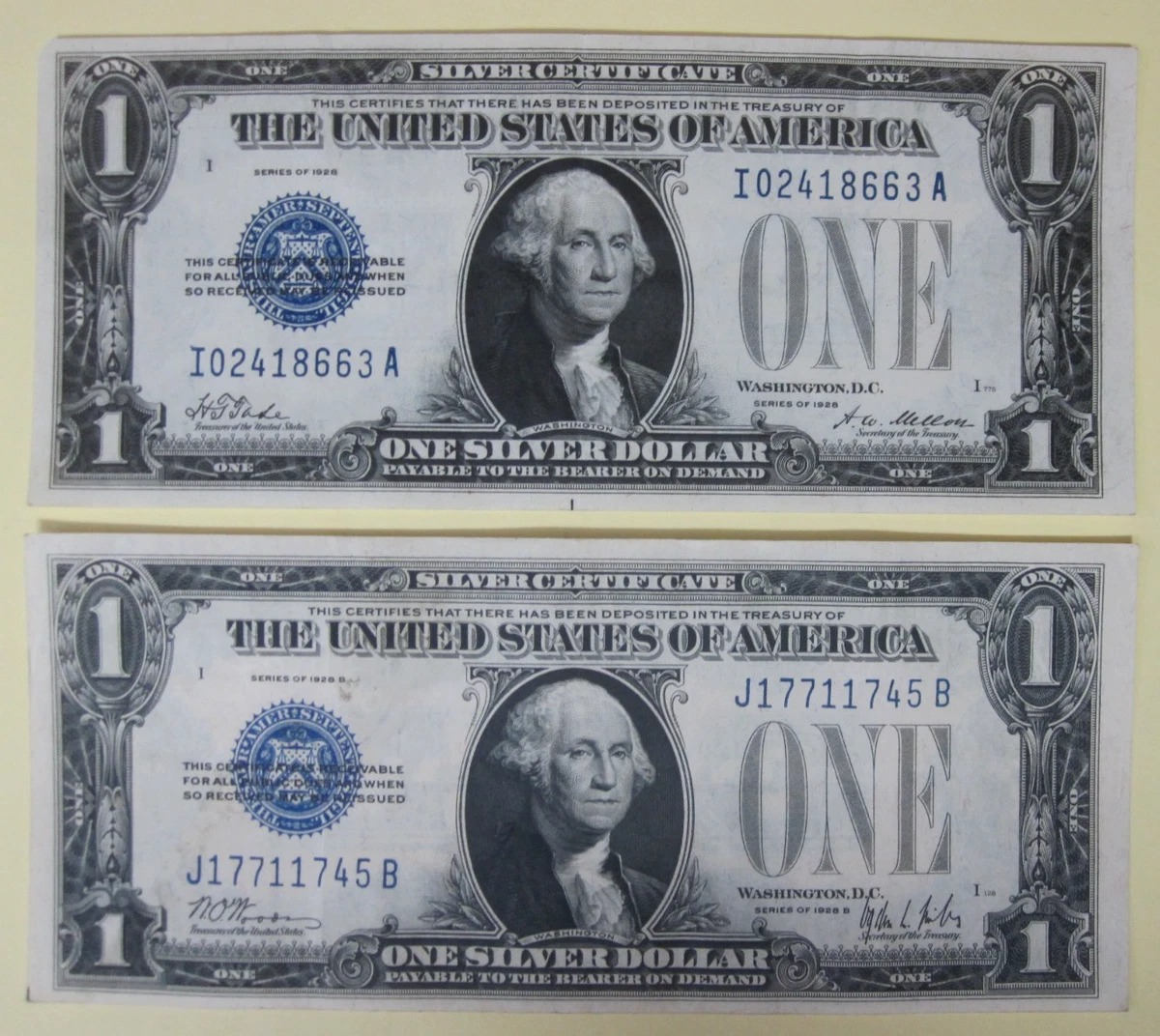
Series 1934 Federal Reserve Notes: Light vs. Dark Green Seal Varieties Explained by Denomination

The Series 1934 Federal Reserve Notes produced one of the most fascinating and debated varieties in 20th-century American paper money: the shift from dark green to light green Treasury seals and serial numbers. Understanding which denominations exist in each variety, why the change happened, and what collectors should look for can transform a routine type set into a genuinely rewarding specialty.

Read More →

Numerical Block Letters and Suffix Letters on Small-Size Notes: How Serial Number Systems Changed Over Time

The serial number system on small-size U.S. currency is far more than a simple tracking code, it encodes production history, printing runs, and collecting significance into every note. Understanding how prefix and suffix letters evolved from 1928 to the present unlocks a new layer of knowledge for any serious collector.

Read More →

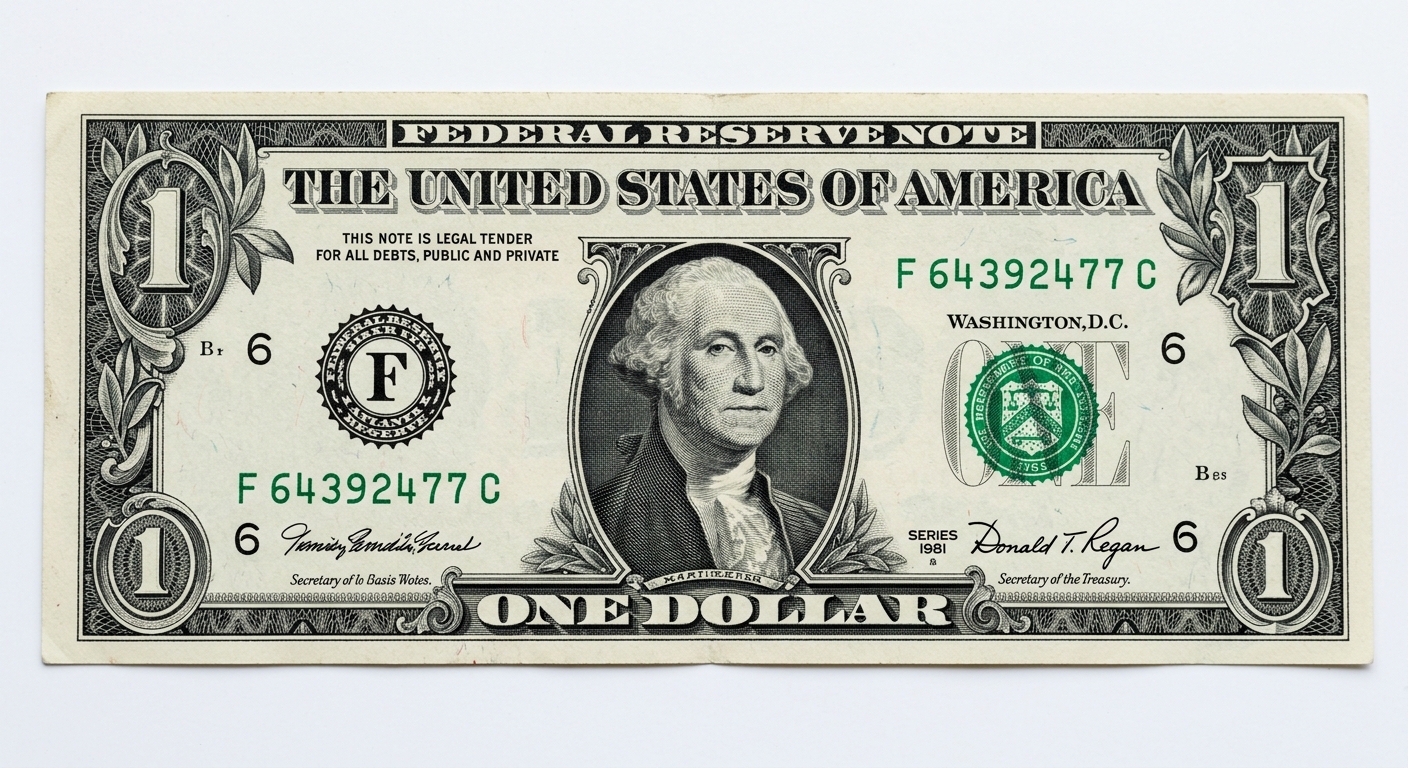
Series 1981 $1 Federal Reserve Note Varieties: The Subtle Plate and Seal Changes That Separate Early from Late Printings

The Series 1981 $1 Federal Reserve Note looks deceptively uniform at first glance, but careful examination reveals meaningful differences in Treasury seal size, plate letter positions, and FRB district printings that separate scarce early runs from common later issues. Understanding these varieties can transform an overlooked pocket change find into a genuine numismatic discovery.

Read More →

Stray Ink Dots on Uncirculated Federal Reserve Notes: Manufacturing Artifacts That Graders Notice but Rarely Penalize

Stray ink dots are among the most misunderstood manufacturing artifacts found on uncirculated Federal Reserve Notes, causing unnecessary alarm among new collectors who mistake them for damage. Understanding how graders evaluate these printing anomalies can save you from passing on a perfectly gradeable gem and help you make smarter buying decisions at auction.

Read More →

Insufficient Inking on Intaglio-Printed Currency: When Portraits Fade and What It Means for Your Collection

Insufficient inking errors on intaglio-printed Federal Reserve Notes produce some of the most visually dramatic and genuinely rare error currency in American numismatics. Understanding how these defects occur, how graders evaluate them, and which series command serious premiums can transform how you approach the error note market.

Read More →

Shifted Face Printings on Small-Size Notes: How Far Is Too Far and What Collectors Pay

A shifted face printing can transform an ordinary small-size note into a dramatic error worth hundreds or even thousands of dollars, but understanding the spectrum from minor misalignment to spectacular off-center shifts is essential before you spend a dime. This guide breaks down exactly how these errors occur, how graders and dealers measure them, and what the current market actually pays across different denominations and series.

Read More →

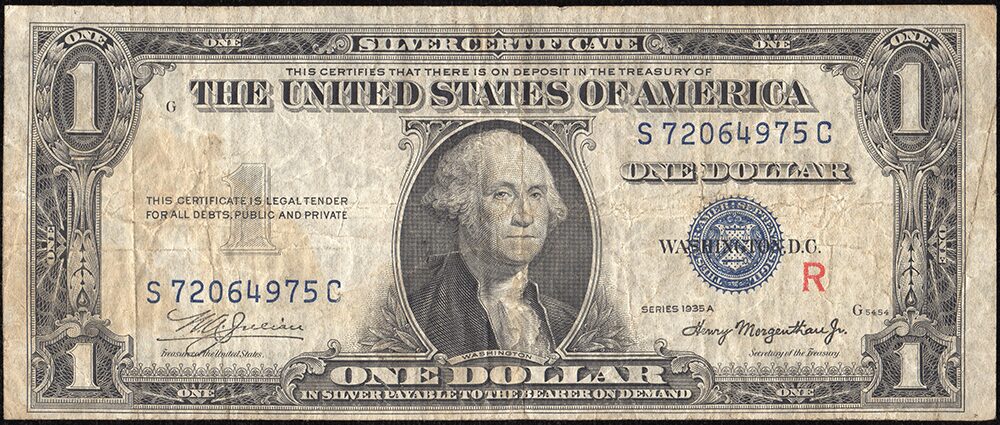
Series 1935A $1 Silver Certificate Varieties: The R and S Experimental Notes Explained

In 1944, the U.S. Bureau of Engraving and Printing conducted a rare printing experiment that produced two distinct varieties of the Series 1935A $1 Silver Certificate, each stamped with a red ‘R’ or ‘S’ suffix. These experimental notes represent one of the most fascinating and collectible chapters in modern U.S. currency history, and understanding them can make a real difference at auction.

Read More →

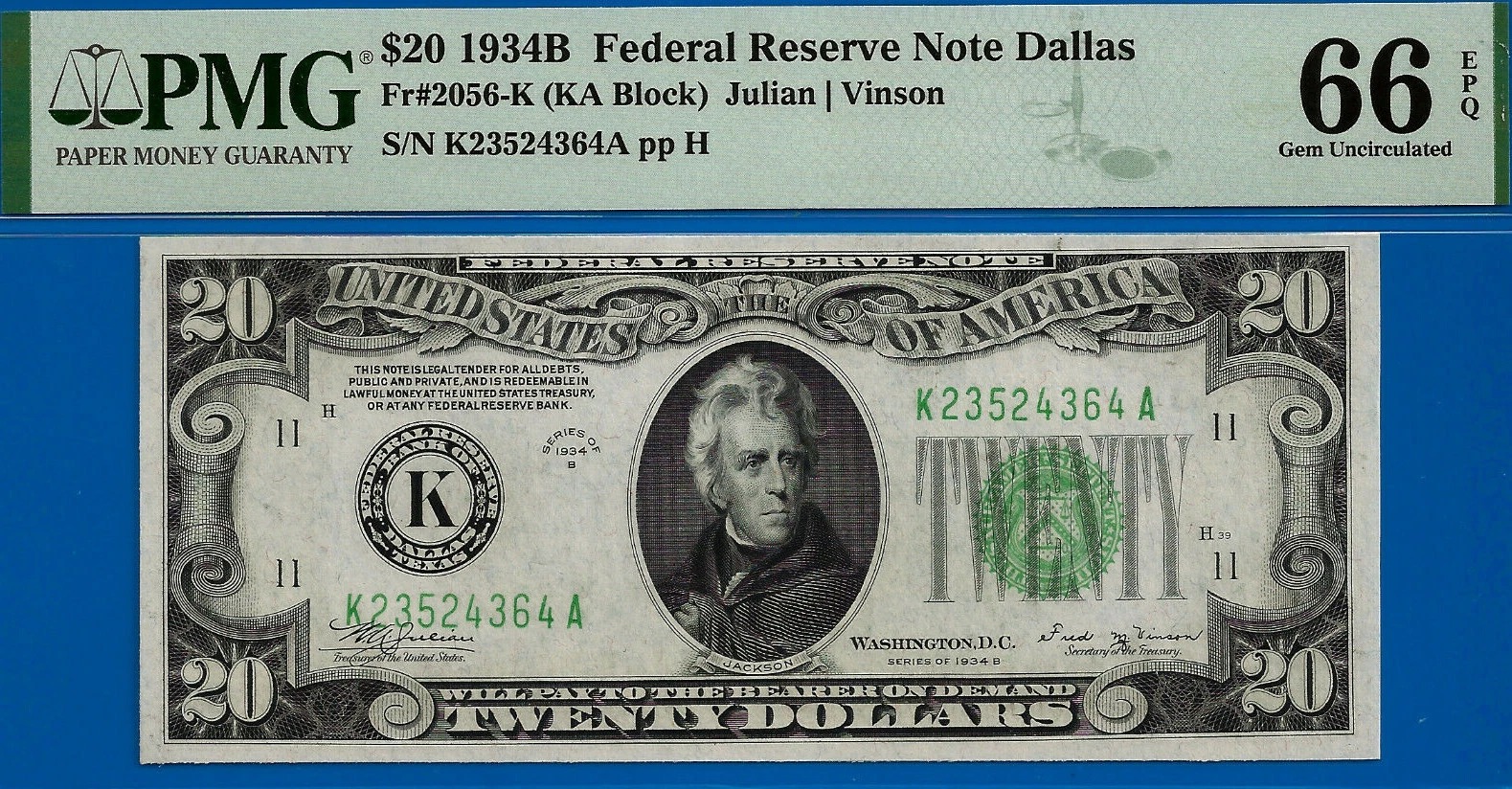
The Elusive Series 1934B $20 Federal Reserve Note: Why Some Districts Are Nearly Impossible to Find

The Series 1934B $20 Federal Reserve Note is one of the most underappreciated challenges in mid-century currency collecting, with certain district issues so scarce they surface only a handful of times per decade. This deep dive covers signature combinations, print run disparities, and exactly which districts should be on every advanced collector’s want list.

Read More →

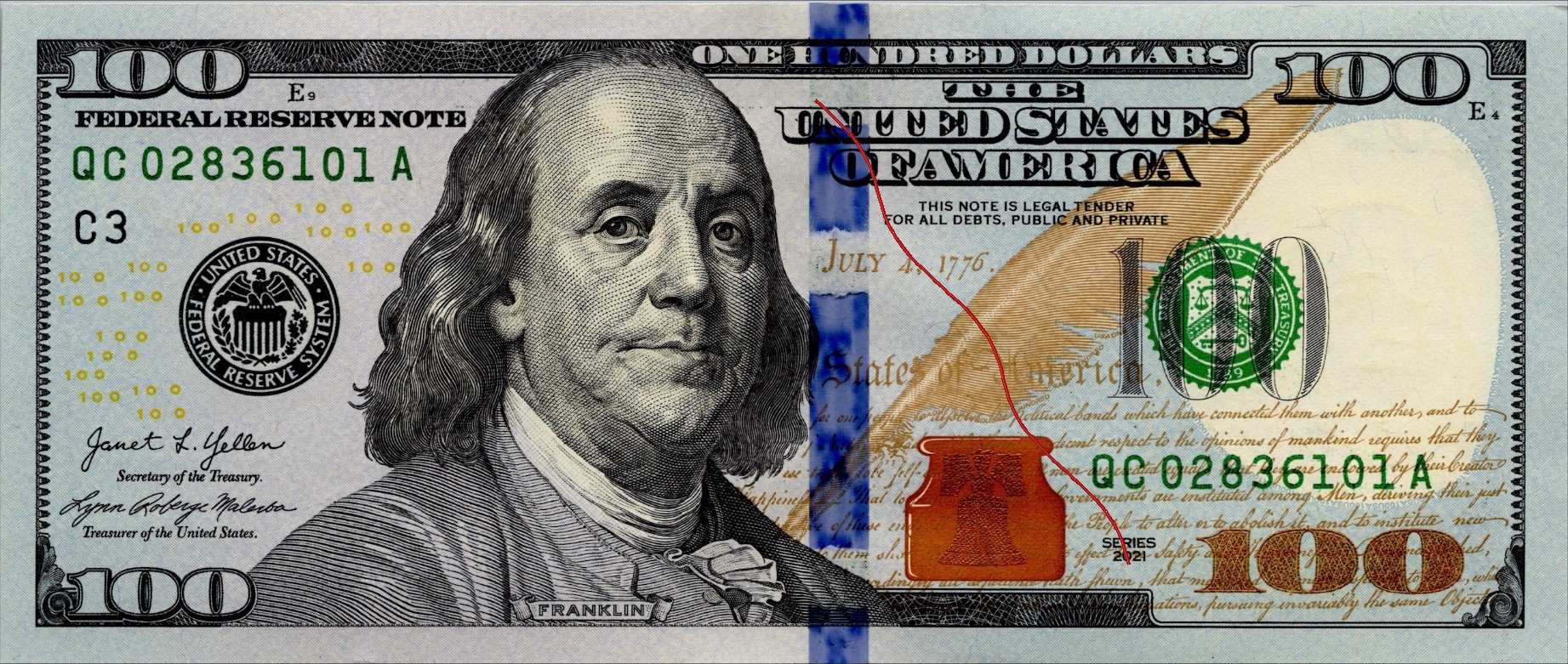
Fiber Inclusion Errors: When Foreign Threads and Materials Get Embedded in Currency Paper

Fiber inclusion errors occur when stray threads, hairs, fabric fragments, or other foreign materials become trapped within the substrate of Federal Reserve Notes during the papermaking process. These visually striking and often underappreciated errors occupy a fascinating corner of error note collecting, with some specimens commanding serious premiums among specialists.

Read More →