US Notes

Federal Reserve Notes in Space: How NASA Handled Currency for Astronauts During Extended Missions
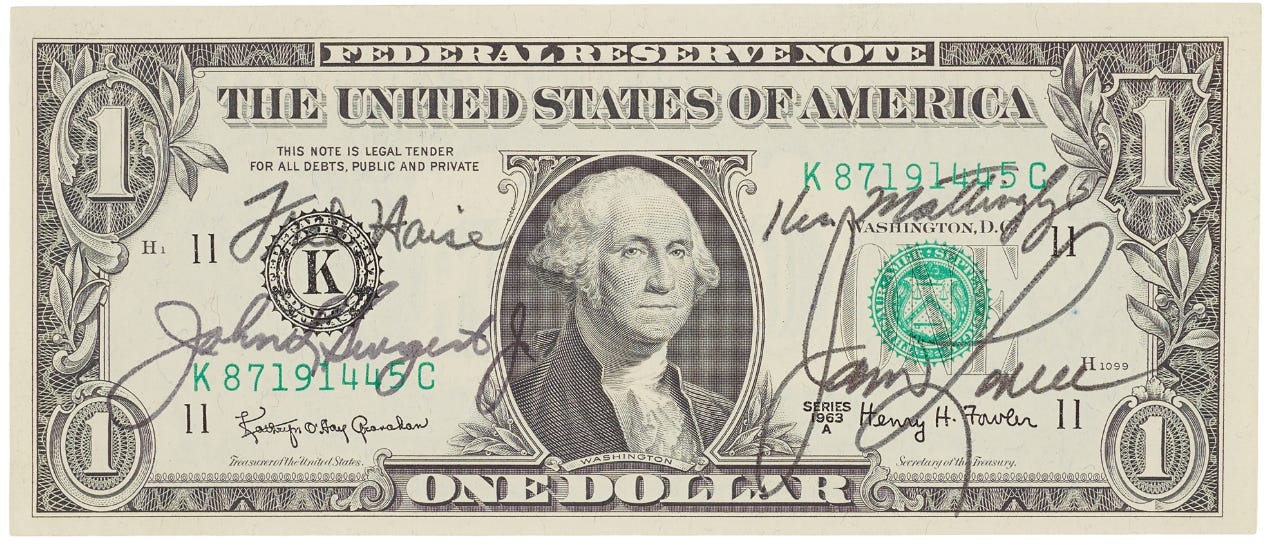
Long-duration spaceflight creates a surprising financial puzzle: what happens to an astronaut’s money, taxes, and paper currency while they orbit Earth for months at a time? From Skylab to the International Space Station, NASA developed practical and sometimes fascinating solutions for managing U.S. currency and finances during extended missions.

Read More →
The Panic of 1873 and How Economic Collapse Shaped the Demand for Legal Tender Notes

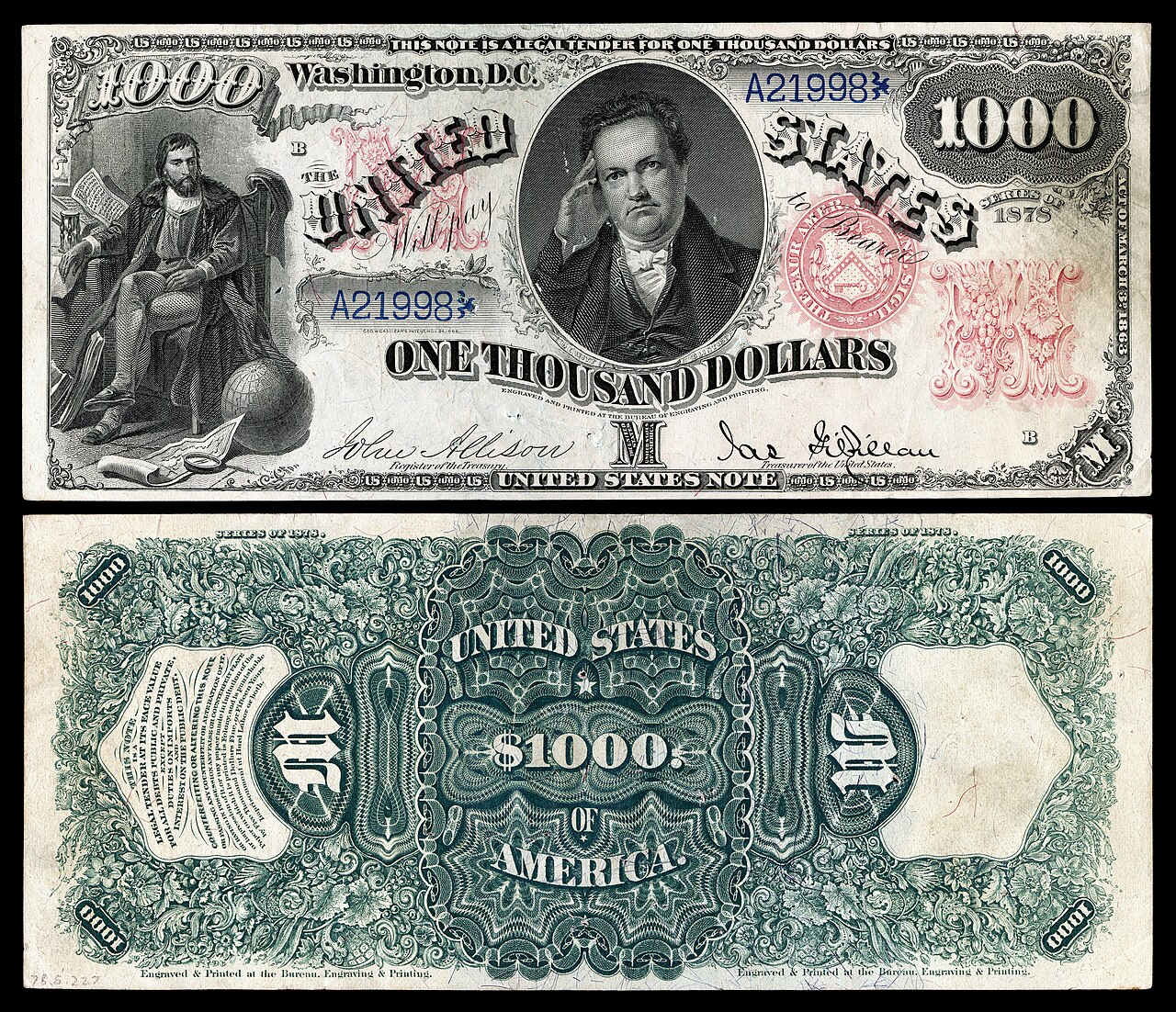
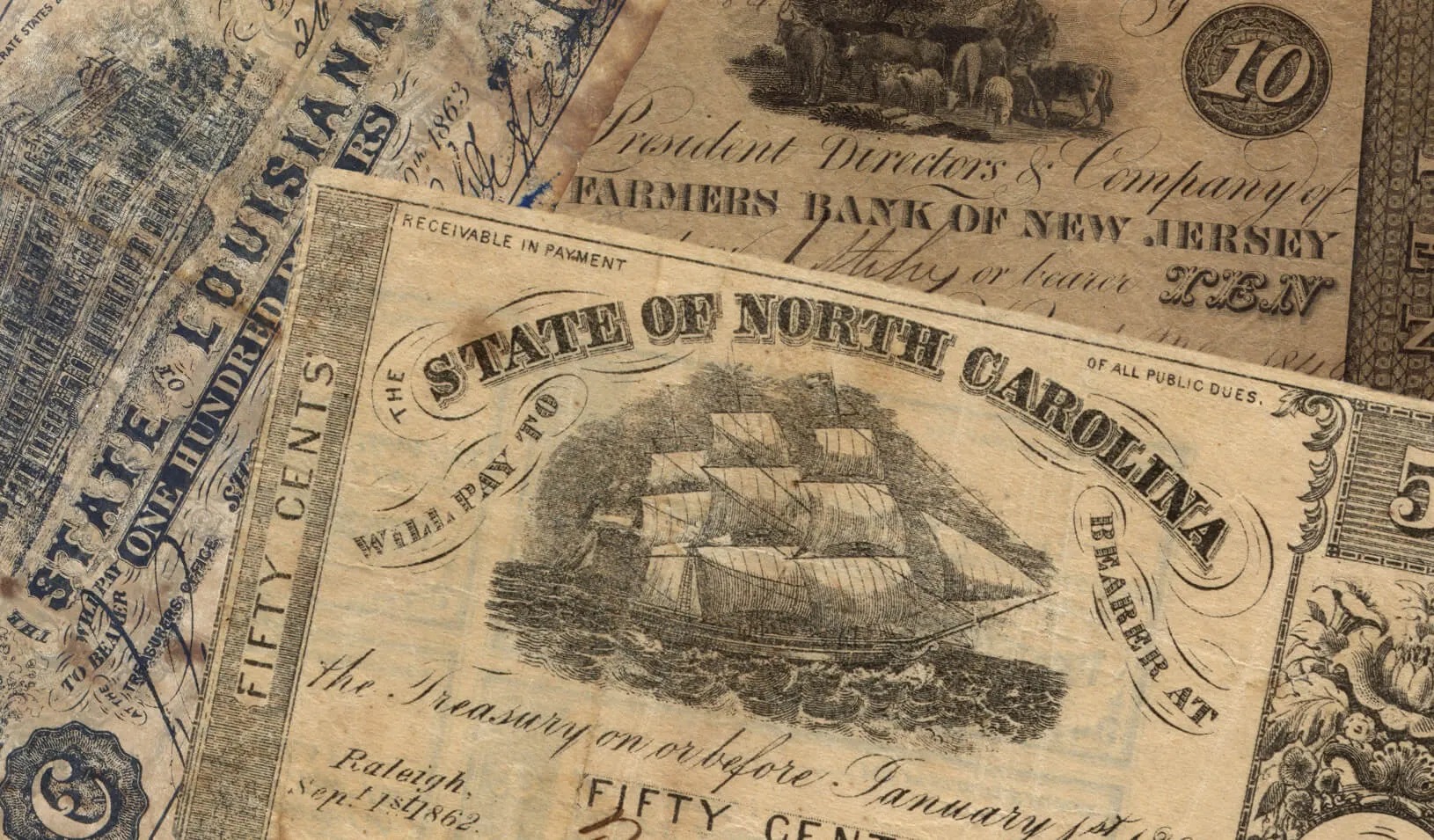
The financial catastrophe of 1873 forced ordinary Americans to rethink their relationship with paper money, driving unprecedented demand for United States Legal Tender Notes at a moment when the nation’s banking system was crumbling. Understanding this pivotal crisis reveals why certain series of greenbacks were printed in massive quantities and why surviving high-grade examples from this era carry such powerful historical weight.

Read More →

State-Chartered Banknotes of the Free Banking Era: Minnesota, Wisconsin, and the Notes of the Upper Midwest

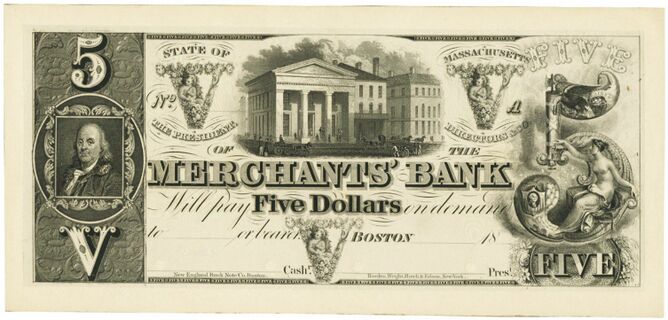
Before the National Banking Act standardized American currency, the Upper Midwest was awash in hundreds of privately issued state banknotes of wildly varying quality, security, and backing. This deep dive into Minnesota and Wisconsin Free Banking Era paper money reveals a fascinating world of frontier finance, depreciated ‘wildcat’ currency, and some of the most visually striking obsolete notes ever printed.

Read More →

Why the Fed Stopped Printing $500 and $1000 Bills in 1969: Nixon, Organized Crime, and the Death of High-Denomination Currency

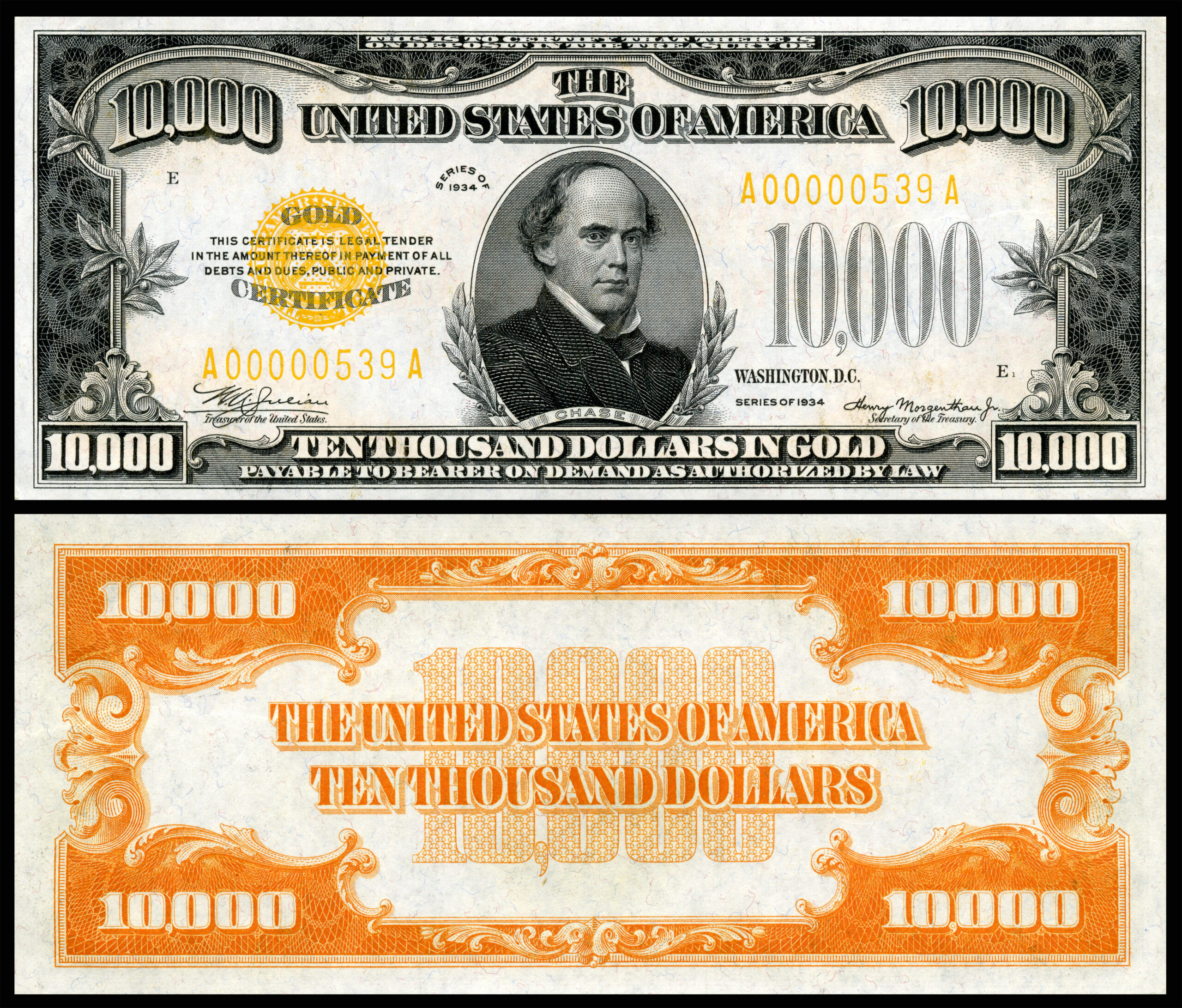
In 1969, the Federal Reserve quietly pulled the plug on $500, $1,000, $5,000, and $10,000 notes, citing declining use and their role in facilitating organized crime. For collectors today, these survivors represent some of the most dramatic and historically loaded pieces of American paper money ever issued.

Read More →

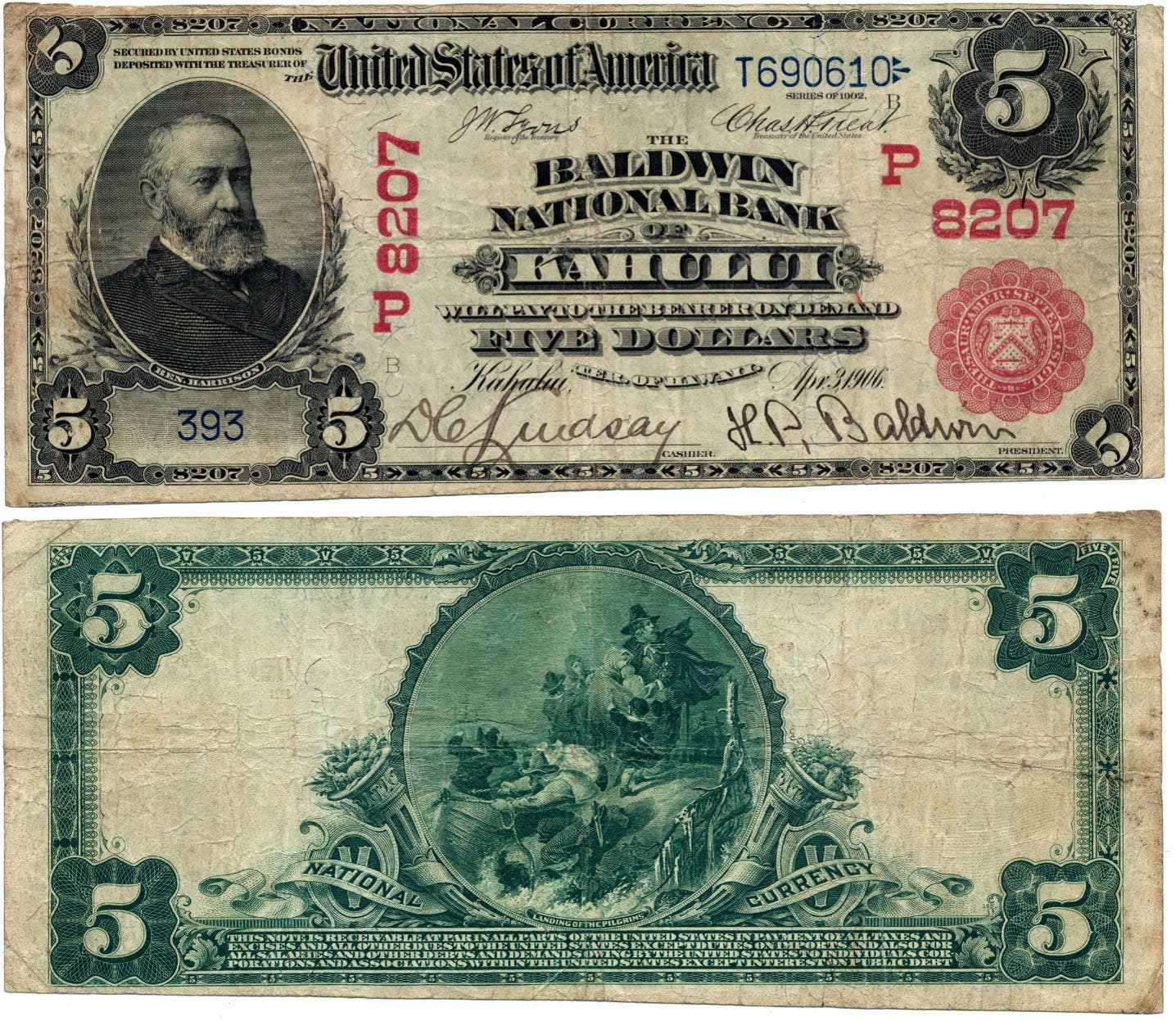
Greenbacks and Gunboats: How Dollar Diplomacy Under Taft Turned American Currency Into a Foreign Policy Weapon in Latin America

Between 1909 and 1913, President William Howard Taft and Secretary of State Philander Knox pursued a strategy of replacing military intervention with financial leverage across Latin America, using American banking houses and US dollar instruments to dominate sovereign economies. Understanding this era illuminates why certain National Currency notes and Federal Reserve precursor instruments from this period carry unusual provenance, and why the dollar’s international reputation was being forged at the very moment US paper money was undergoing its own transformation.

Read More →

The BEP’s 1929 Currency Reduction Program: Why America Switched from Large to Small-Size Notes

In 1929, the Bureau of Engraving and Printing executed one of the most sweeping transformations in American monetary history, shrinking paper currency by roughly 25 percent and standardizing its design for the first time. Understanding the economics, logistics, and collecting implications of this change reveals why the 1929 transition remains one of the most consequential events in US paper money history.

Read More →

Jackson’s Bank War: How One President’s Vendetta Reshaped American Paper Money in the 1830s

Andrew Jackson’s relentless campaign to destroy the Second Bank of the United States triggered a monetary crisis that transformed American paper currency forever. Understanding this pivotal decade helps collectors decode the chaotic, colorful, and historically rich banknotes that survived it.

Read More →

The Currency of the Philippine Islands Under American Administration: U.S. Territorial Money 1900–1941

For four decades, the Philippine Islands operated under a unique monetary system tied directly to American colonial policy, producing banknotes and coins that blend U.S. printing traditions with distinctly Filipino identity. These fascinating territorial issues represent one of the most overlooked collecting specialties in American numismatics, offering extraordinary historical depth and surprising affordability for the knowledgeable collector.

Read More →

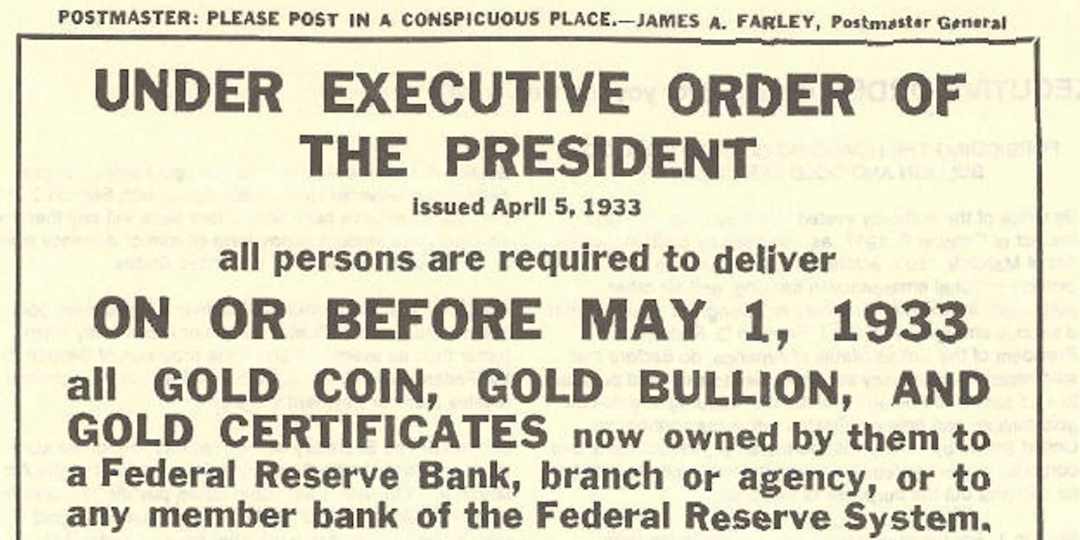
Emergency Banking Relief Act of 1933: The Legislation That Replaced Gold-Payable Currency with Federal Reserve Notes

The Emergency Banking Relief Act of 1933 reshaped the entire foundation of American currency almost overnight, ending the gold-redeemable era and cementing Federal Reserve Notes as the nation’s sole circulating paper money. Understanding this pivotal legislation is essential for any collector who wants to grasp why notes printed before and after 1933 look, feel, and read so differently.

Read More →

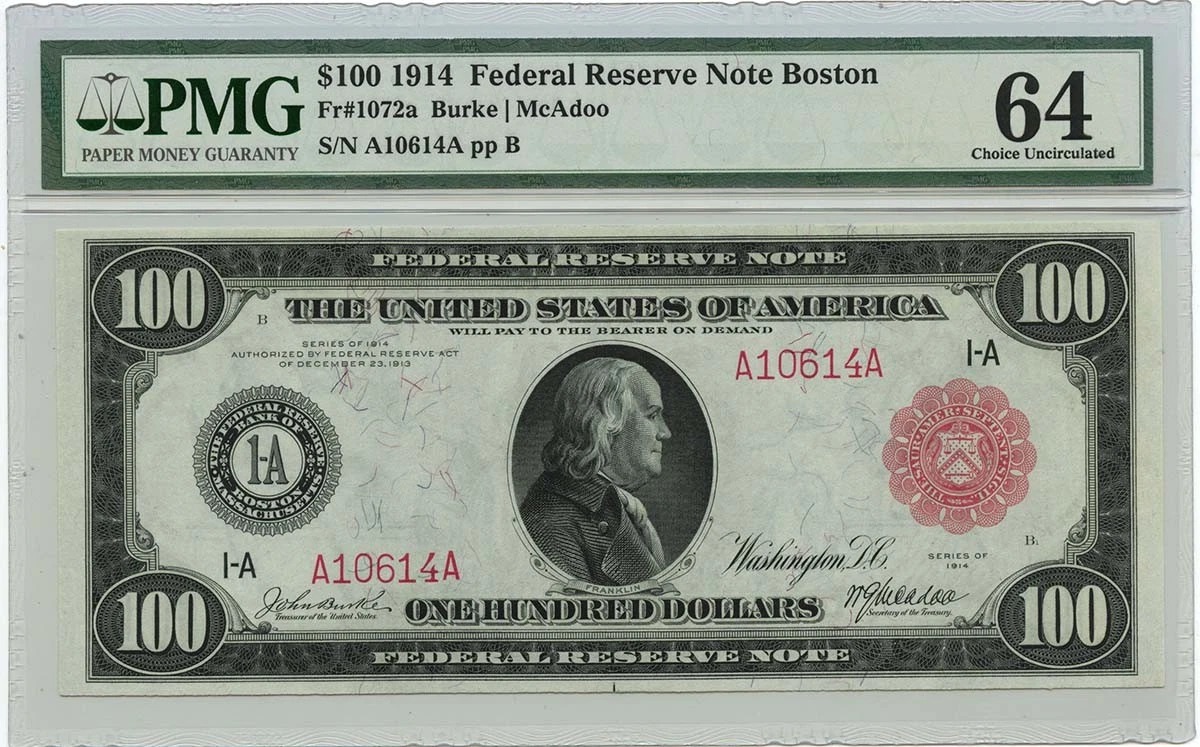
District 6 and the Deep South: How the Atlanta Federal Reserve Bank Shaped Currency in a Region Still Rebuilding from the Civil War

When the Federal Reserve System launched in 1914, the Atlanta district faced challenges unlike any other, serving a region whose banking infrastructure had been devastated by war, Reconstruction, and decades of agricultural dependence. This deep dive explores the history, rare notes, and collecting significance of District 6 Federal Reserve currency from its earliest large-size issues through the small-size era.

Read More →