US Notes

The Panic of 1873 and How Economic Collapse Shaped the Demand for Legal Tender Notes
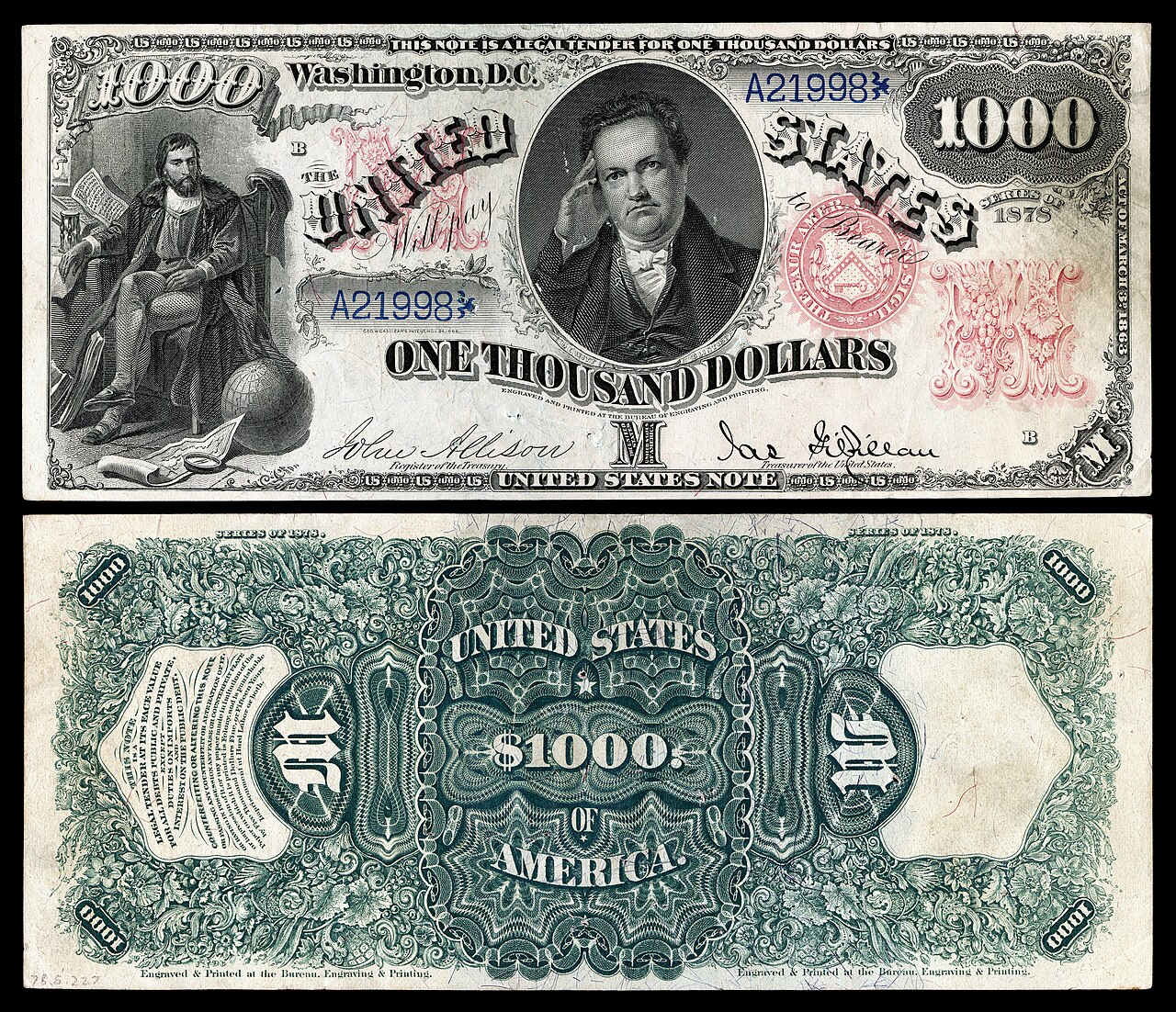
The financial catastrophe of 1873 forced ordinary Americans to rethink their relationship with paper money, driving unprecedented demand for United States Legal Tender Notes at a moment when the nation’s banking system was crumbling. Understanding this pivotal crisis reveals why certain series of greenbacks were printed in massive quantities and why surviving high-grade examples from this era carry such powerful historical weight.

Read More →
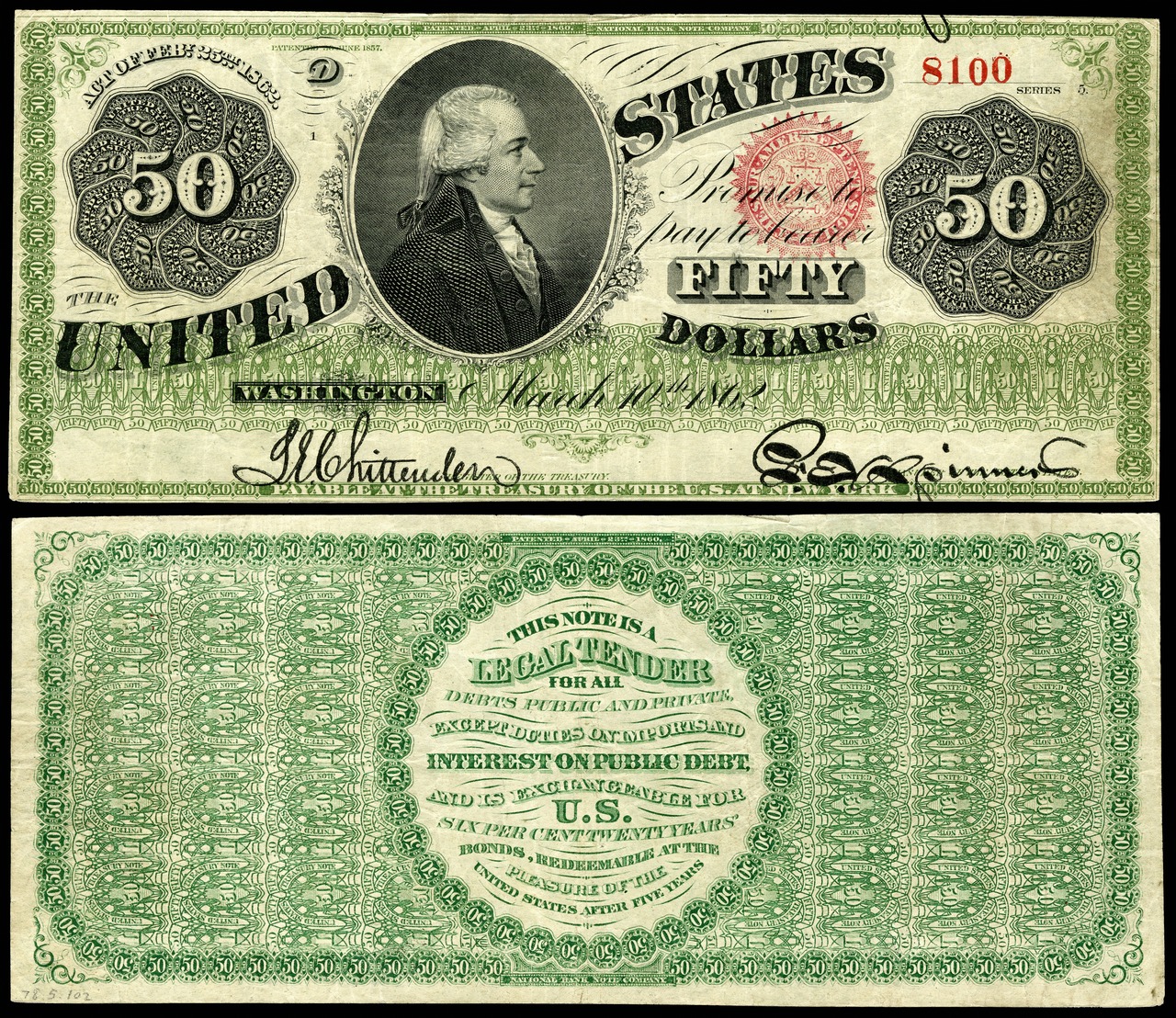
The Series 1863 $50 United States Note: Alexander Hamilton Legal Tender Giants and What Circulated Examples Are Worth

The Series 1863 $50 United States Note stands among the most historically charged pieces of American paper money, issued during the Civil War era when the nation’s financial future hung in genuine doubt. Learn how to identify authentic examples, understand the signature combinations and seal varieties that drive value, and discover what circulated survivors realistically fetch at auction today.

Read More →

The Coinage Act of 1857 and the End of Foreign Coin Legal Tender: How It Redirected Demand to Paper Money

The Coinage Act of 1857 was a turning point that stripped foreign coins of their legal tender status in the United States, forcing Americans to rethink how they conducted everyday commerce. Understanding this legislative shift reveals why demand for domestic paper currency surged in the years immediately before the Civil War.

Read More →

Greenbacks: How Abraham Lincoln Financed the Civil War with Legal Tender Notes

When the Union treasury ran dry in 1861, Abraham Lincoln and Congress made a radical financial gamble: printing paper money backed by nothing but the full faith of the federal government. The Demand Notes and Legal Tender Notes that followed changed American currency forever, and the surviving examples rank among the most historically significant collectibles in all of numismatics.

Read More →

The Counterfeit Currency Crisis of 1862: Why the First Legal Tender Notes Were Already Being Faked Within Weeks of Issue

When the United States issued its first Legal Tender Notes in February 1862, counterfeiters were already at work before the ink had dried on the genuine articles. This deep-dive into the chaotic early days of federal paper money reveals how a desperate wartime government scrambled to protect a currency that was, by modern standards, shockingly easy to fake.

Read More →

The Ornate Scrollwork Border Design of the 1863 United States Notes: How Geometric Lathe Work Outsmarted Counterfeiters Before the Camera Age

The intricate spirograph-like borders printed on 1863 United States Notes were not merely decorative flourishes — they were the era’s most sophisticated anti-counterfeiting technology, produced by machines that could generate mathematically precise curves no engraver’s hand could replicate. Understanding how geometric lathe work shaped these notes gives collectors a deeper appreciation for what makes early Legal Tender issues so visually compelling and historically significant.

Read More →

The United States Notes Act of 1878: Why Congress Forced Treasury to Maintain $346,681,016 in Legal Tender Notes Permanently

In 1878, Congress passed landmark legislation locking the volume of United States Notes at exactly $346,681,016 forever, a political and monetary decision that would shape American currency for the next century. Understanding this act unlocks the collecting story behind every Legal Tender Note issued after that date, from common circulated examples to the rarest high-denomination survivors.

Read More →

Why Is American Money Green? The BEP’s Ink Chemistry and the Colorful History Behind U.S. Currency

The green color of U.S. paper money is so iconic that ‘greenback’ became a permanent part of the American lexicon, yet few collectors understand the actual chemistry, historical decisions, and security science behind that distinctive hue. This deep dive covers everything from the Civil War-era origins of green ink to the modern magnetic and ultraviolet properties that make counterfeiting so difficult.

Read More →

The Series 1863 $100 United States Note Legal Tender: The Eagle on Shield Design and Civil War Era Survivorship

The Series 1863 $100 United States Note stands as one of the most visually striking and historically significant pieces of American paper money, born from the financial desperation of a nation at war with itself. Collectors at every level will find this guide indispensable for understanding the design origins, signature varieties, grading challenges, and true rarity of these Civil War survivors.

Read More →

Salmon P. Chase and the Birth of the National Banking System: How One Treasury Secretary Reshaped American Currency Forever

Salmon P. Chase’s wartime financial innovations between 1861 and 1864 fundamentally transformed how Americans used paper money, creating a uniform national currency that collectors still prize today. Understanding the political battles, legislative milestones, and design choices behind these notes unlocks an entirely new dimension of Civil War-era collecting.

Read More →