US Notes

The Panic of 1873 and How Economic Collapse Shaped the Demand for Legal Tender Notes
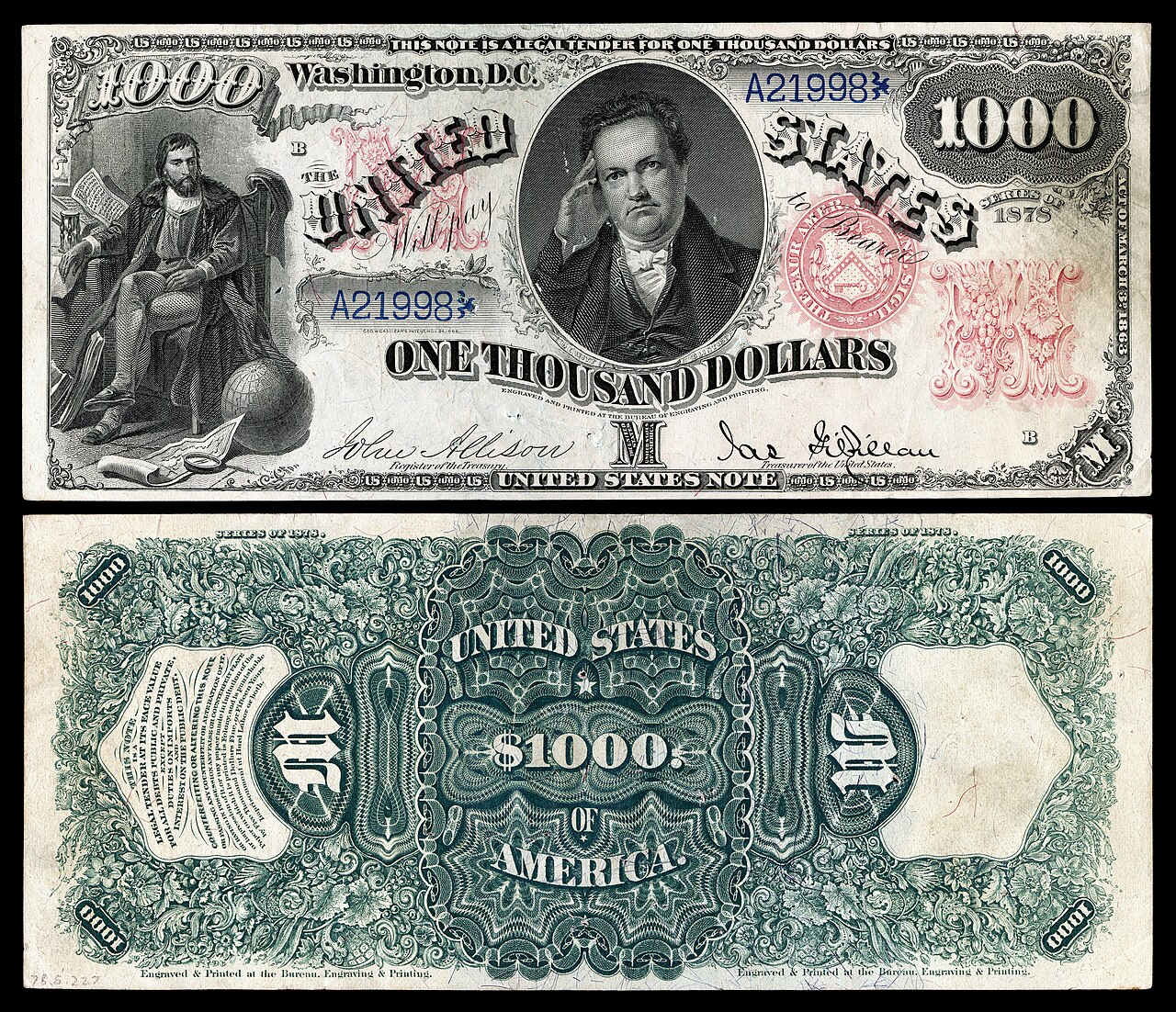
The financial catastrophe of 1873 forced ordinary Americans to rethink their relationship with paper money, driving unprecedented demand for United States Legal Tender Notes at a moment when the nation’s banking system was crumbling. Understanding this pivotal crisis reveals why certain series of greenbacks were printed in massive quantities and why surviving high-grade examples from this era carry such powerful historical weight.

Read More →
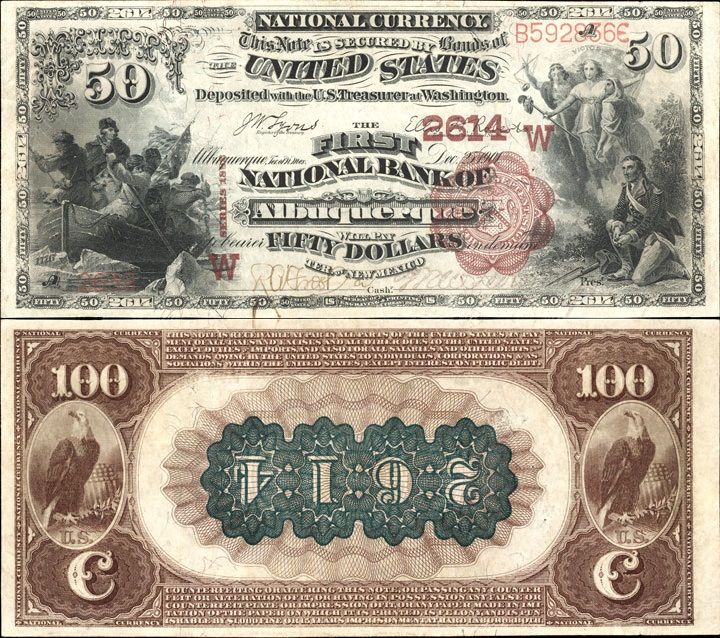
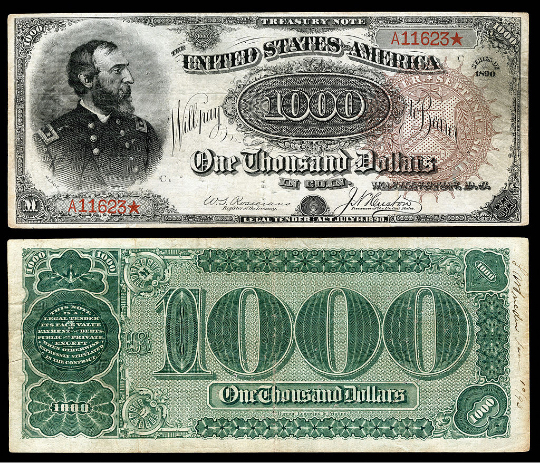
Series 1882 $50 National Bank Note Brown Back: Surviving Examples by State and What Prices Look Like in Fine

The Series 1882 $50 Brown Back National Bank Note is one of the most geographically diverse and historically compelling large-size notes in American currency, issued by hundreds of banks across dozens of states during a pivotal era of national banking. This guide breaks down surviving census populations by state, signature combinations, and what collectors should realistically expect to pay for a Fine-grade example today.

Read More →

The Jewel Backs: How BEP Designers Used Guilloche and Ornate Counters to Make 1890 Treasury Notes the Most Beautiful Currency America Ever Printed

The 1890 Treasury Notes stand apart from every other series in American currency history, their reverses packed with interlocking guilloche filigree and enormous denomination counters so elaborate they earned the nickname ‘Tombstone Notes.’ Understanding what the Bureau of Engraving and Printing achieved with these designs reveals why they remain the crown jewels of 19th-century paper money collecting.

Read More →

Legal Tender Notes Series 1923: The Last Large-Size $1 Red Seals

The Series 1923 $1 Legal Tender Note holds a bittersweet distinction as the final large-size one-dollar bill ever produced by the United States government. For collectors, this graceful swan song of the large-size era combines historical significance, striking red seal artistry, and a fascinating range of signature varieties that make it one of the most rewarding series to pursue.

Read More →

Why the Fed Stopped Printing $500 and $1000 Bills in 1969: Nixon, Organized Crime, and the Death of High-Denomination Currency

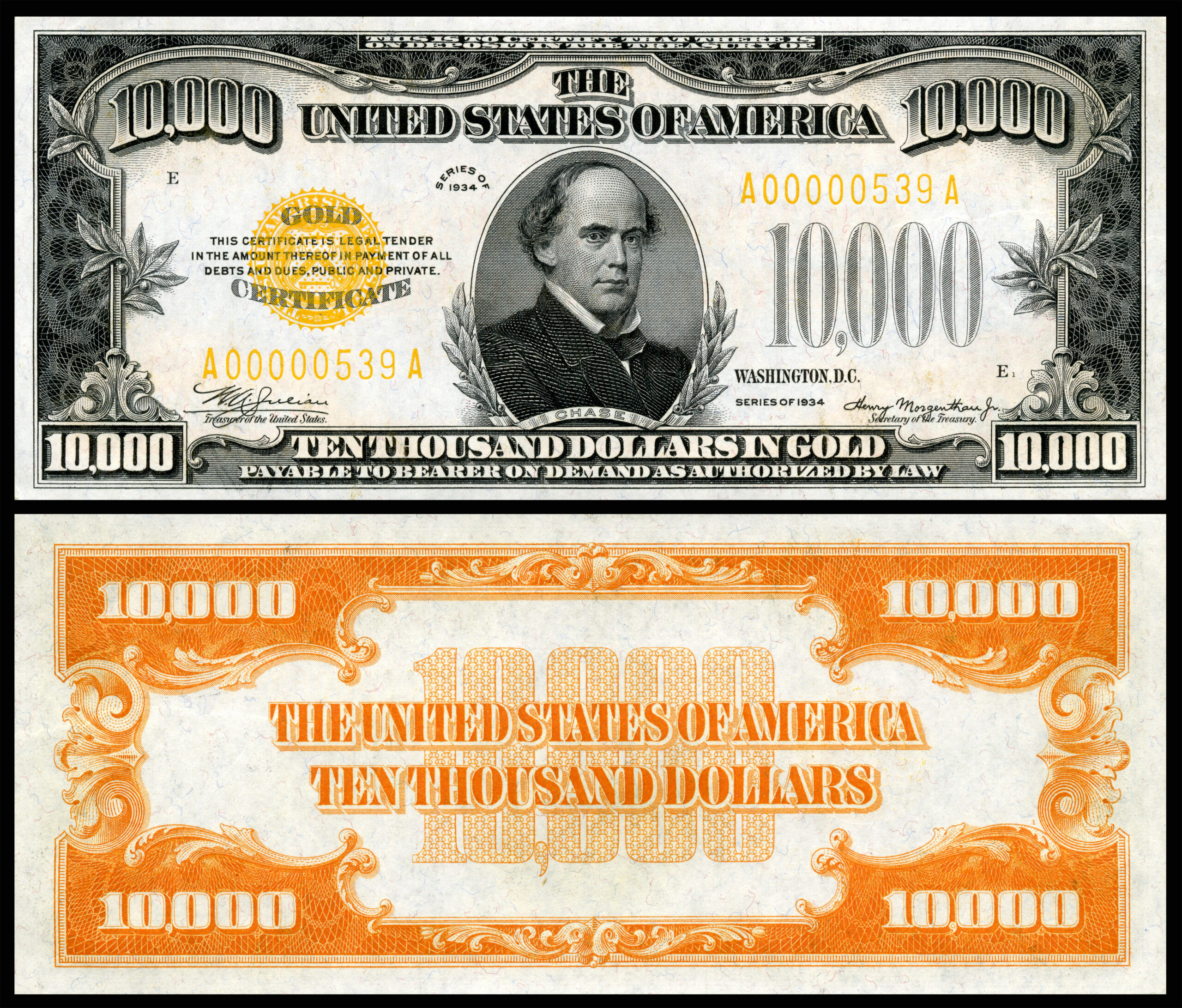
In 1969, the Federal Reserve quietly pulled the plug on $500, $1,000, $5,000, and $10,000 notes, citing declining use and their role in facilitating organized crime. For collectors today, these survivors represent some of the most dramatic and historically loaded pieces of American paper money ever issued.

Read More →

The Series 1863 $50 United States Note: Alexander Hamilton Legal Tender Giants and What Circulated Examples Are Worth

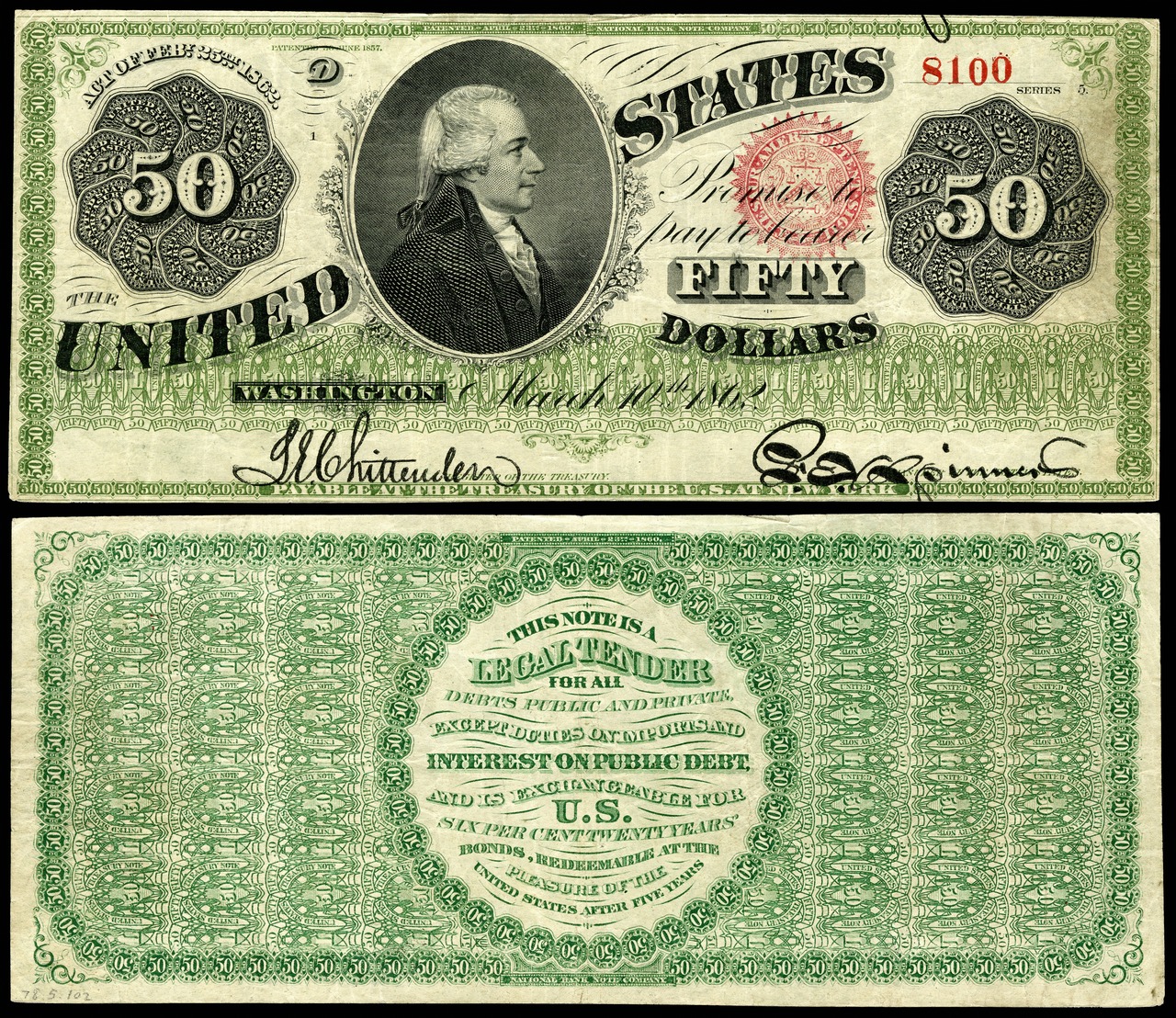
The Series 1863 $50 United States Note stands among the most historically charged pieces of American paper money, issued during the Civil War era when the nation’s financial future hung in genuine doubt. Learn how to identify authentic examples, understand the signature combinations and seal varieties that drive value, and discover what circulated survivors realistically fetch at auction today.

Read More →

Grading National Bank Notes: Why the Issuing Bank Creates a Separate Value Tier Beyond Condition

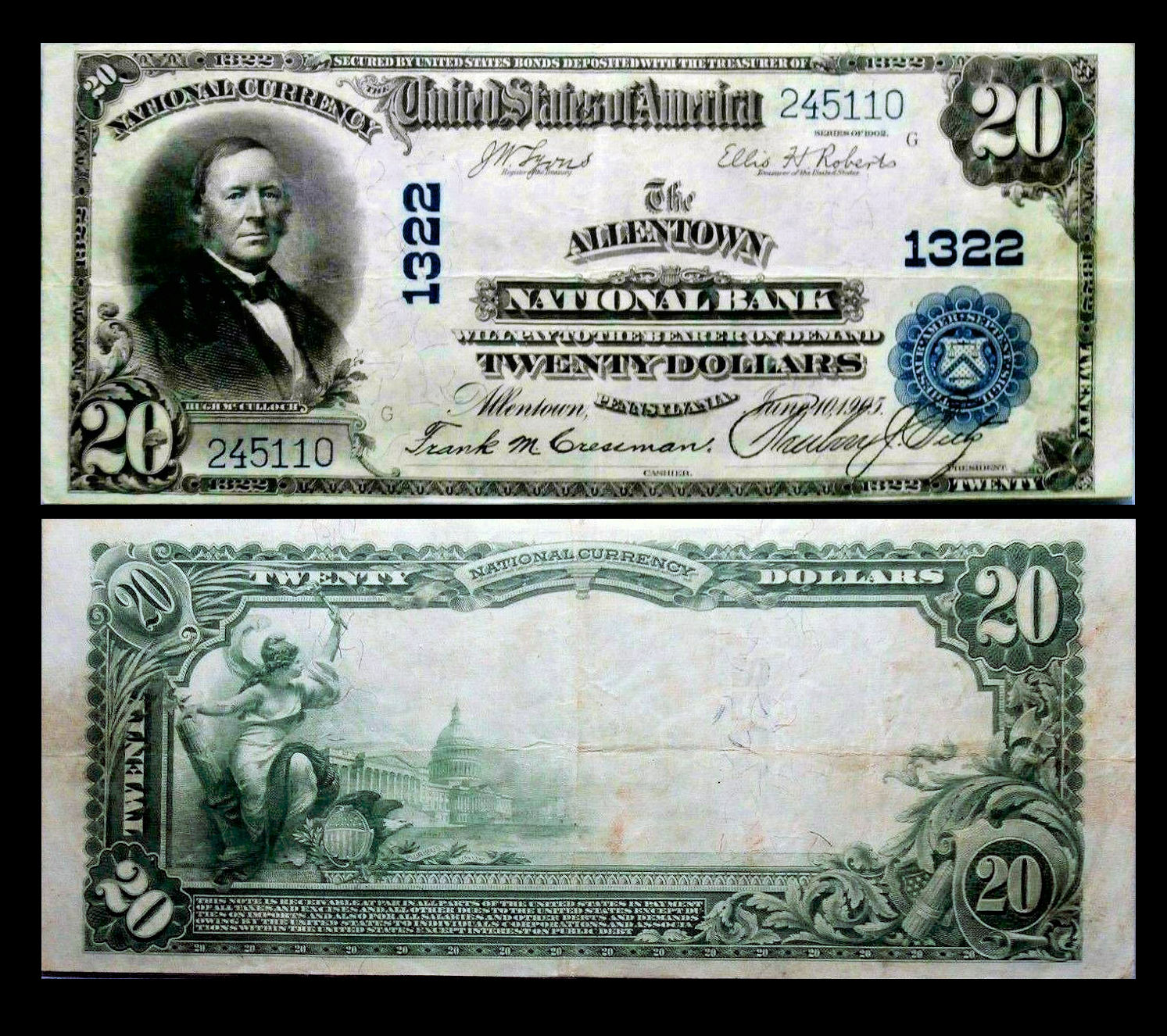
When it comes to National Bank Notes, condition alone tells only half the story. The rarity of the issuing bank can transform a well-worn Fine-12 note into a trophy piece worth multiples of its Uncirculated counterpart from a common charter.

Read More →

The Obverse Border Design of the 1890 Treasury Notes: Interlocking Patterns That Defeated Every Counterfeiter of the Era

The 1890 Treasury Notes stand as arguably the most ornate currency the United States government ever produced, with obverse border designs so geometrically complex that no counterfeiter successfully replicated them during their circulation period. This deep-dive explores the specific engraving techniques, design elements, and historical context that made these notes both a collector’s obsession and a forger’s nightmare.

Read More →

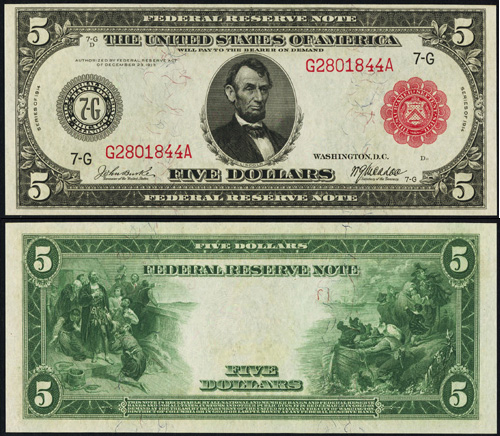
How the Federal Reserve Seal Typography Evolved from 1914 to 1969: Letter Spacing, Weight, and the Districts That Printed Longest

The circular seal pressed onto every Federal Reserve Note tells a surprisingly detailed story about American printing history, bureaucratic change, and regional banking politics. From the heavy Gothic lettering of 1914 to the streamlined sans-serif district identifiers of 1969, collectors who learn to read these subtle typographic shifts unlock a powerful tool for dating, authenticating, and valuing their notes.

Read More →

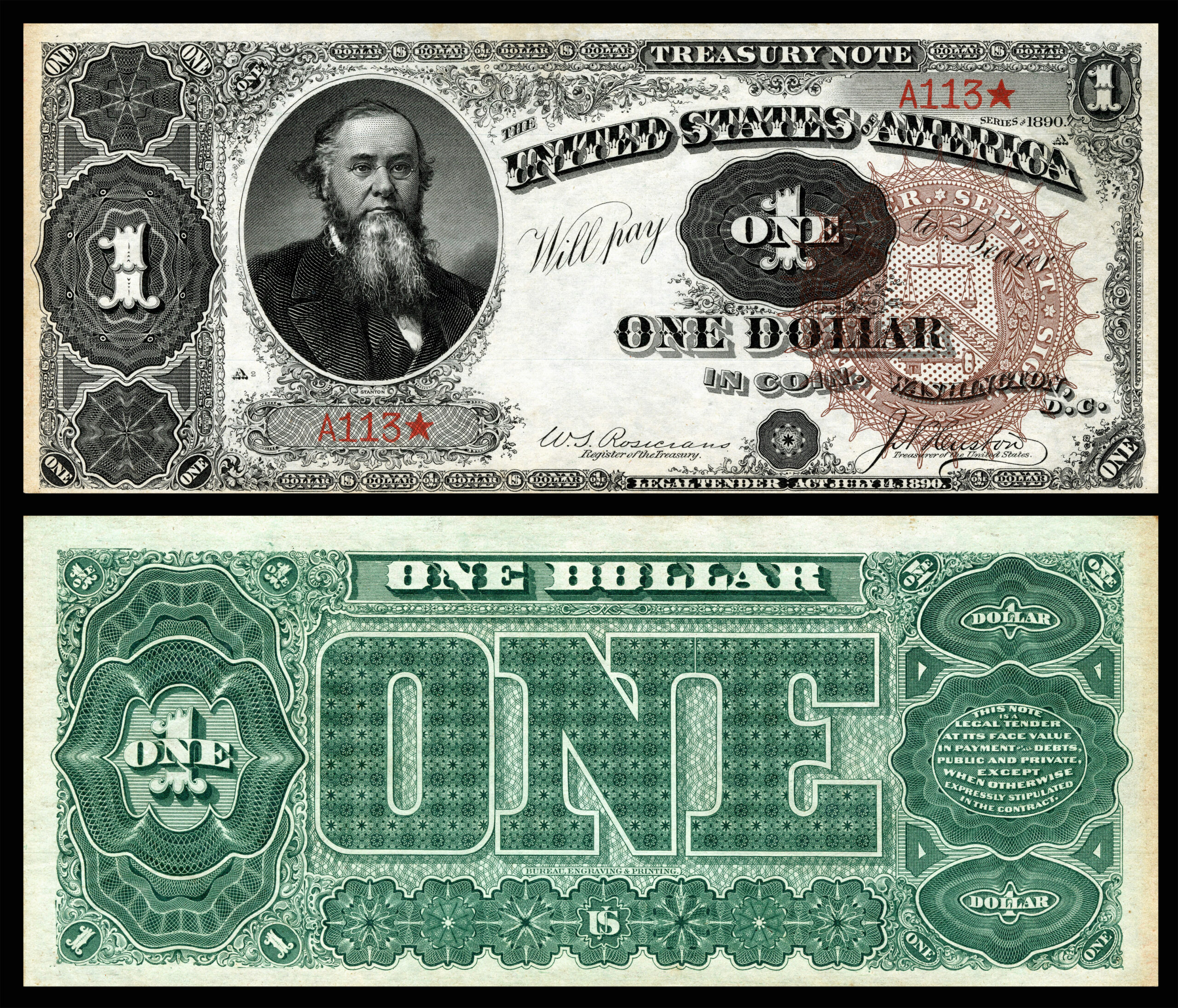
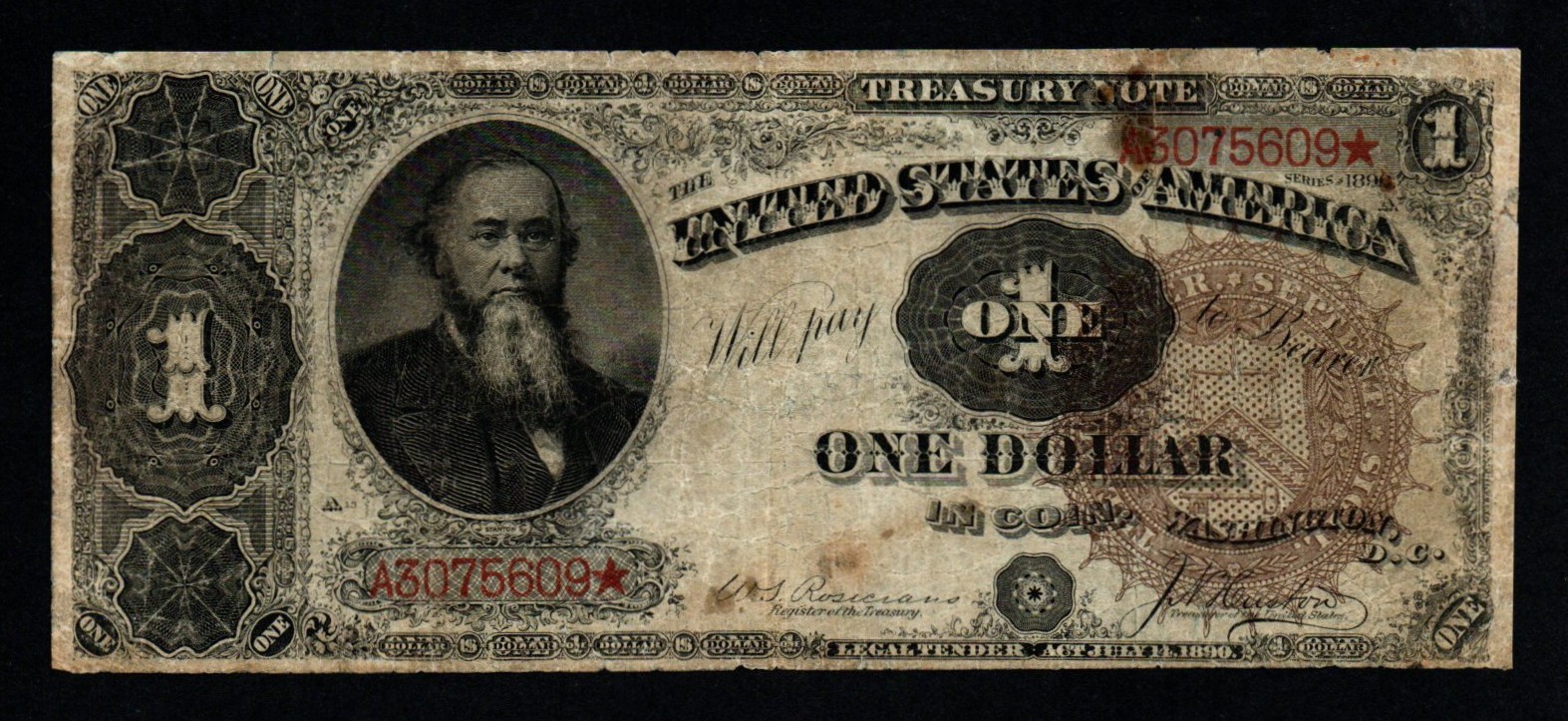
The Series 1890 $1 Treasury Note: Edwin Stanton, the ‘Tombstone Note,’ and the Smallest Coin Note Denomination

The Series 1890 $1 Treasury Note stands as one of the most visually striking and historically significant small-denomination notes ever issued by the United States Treasury, featuring Secretary of War Edwin M. Stanton on its face and an ornate back design so elaborate it earned the nickname ‘Tombstone Note.’ For collectors, this Civil War-era statesman note represents a genuine crossroads of history, artistry, and numismatic rarity.

Read More →