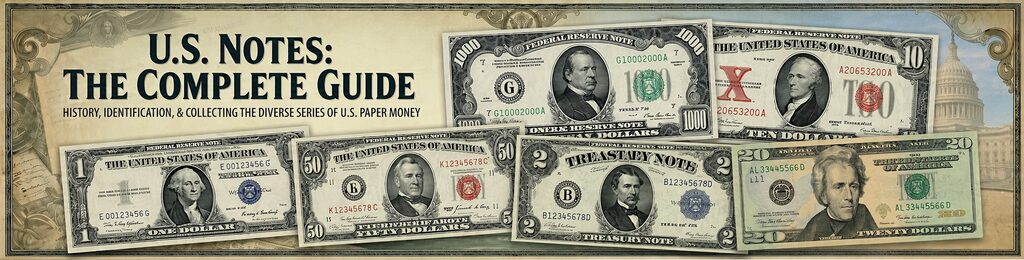
US Notes

Series 1882 $50 National Bank Note Brown Back: Surviving Examples by State and What Prices Look Like in Fine
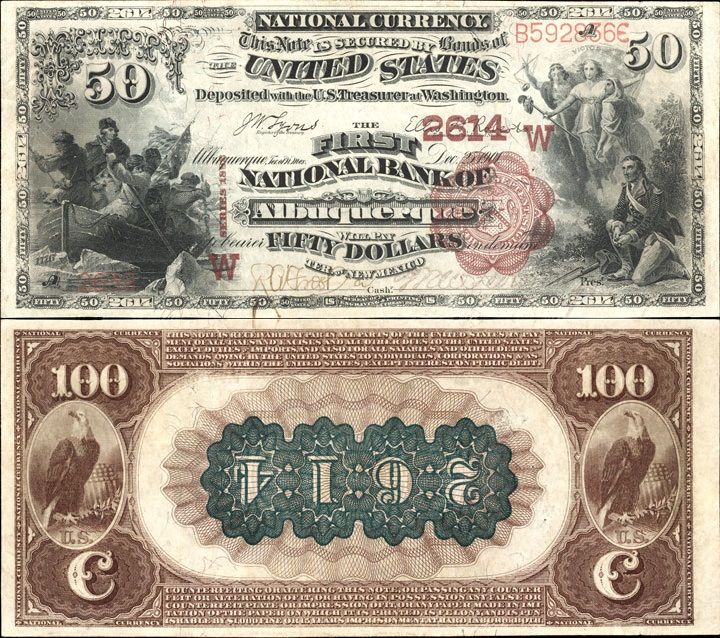
The Series 1882 $50 Brown Back National Bank Note is one of the most geographically diverse and historically compelling large-size notes in American currency, issued by hundreds of banks across dozens of states during a pivotal era of national banking. This guide breaks down surviving census populations by state, signature combinations, and what collectors should realistically expect to pay for a Fine-grade example today.

Read More →
Series 1882 $100 National Bank Note Brown Back: Decoding the Eagle Reverse and State Rarity Rankings

The Series 1882 $100 National Bank Note Brown Back stands as one of the most visually commanding pieces of the National Bank Note era, combining a bold eagle reverse with a rich brown seal and charter number overprint. Understanding which states issued these notes and how surviving populations break down is essential knowledge for any serious large-size collector.

Read More →

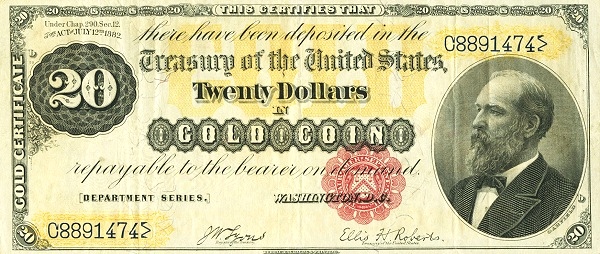
Grading Large-Size Gold Certificates: Why Condition Rarity Drives Value More Than Issue Rarity

A Gold Certificate with a modest print run can be worth less than a common-issue note in superb gem condition, and understanding why requires a deep dive into the grading nuances unique to this series. This guide breaks down the specific wear patterns, paper quality factors, and population data that make condition the dominant force in large-size Gold Certificate valuations.

Read More →

The Currency of the Alaska Gold Rush: How Klondike Prospectors Used and Abused Federal Reserve and National Bank Notes

When gold fever swept the Klondike in 1896 and ignited the stampede to Alaska and the Yukon, paper money took an extraordinary beating in some of the most brutal conditions on earth. Understanding which notes circulated during this era, how they survived, and what collectors should look for today opens a fascinating window into one of American history’s most dramatic episodes.

Read More →

The Series 1882 National Bank Note Brown Back: The Most Common Large-Size Charter Issue Explained

The Series 1882 Brown Back National Bank Notes represent the backbone of large-size National Currency collecting, issued by hundreds of banks across all denominations from 1882 to 1908. Understanding their varieties, charter numbers, signature combinations, and what separates a common example from a genuine rarity can transform how you approach this fascinating series.

Read More →

Western Scenes on National Bank Notes: Cowboys, Bison, and Frontier Imagery in 19th and Early 20th Century US Currency

National Bank Notes issued between the 1860s and 1920s featured some of the most dramatic frontier imagery ever printed on American paper money, from bison herds and pioneer wagons to Native American portraits and cattle drives. This guide breaks down the specific series, vignettes, engravers, and collecting strategies that make these notes among the most visually compelling pieces in American numismatics.

Read More →

Series 1882 $5 National Bank Note Value Back: How the Denomination in Words Replaced the Charter Date

The 1882 Value Back $5 National Bank Note represents one of the most visually distinctive transitions in American currency design, replacing the charter date panel with a bold denomination spelled out in words. Understanding the three distinct back types of the 1882 series, and knowing which signature combinations and issuing banks command serious premiums, can mean the difference between a routine purchase and a transformative addition to your collection.

Read More →

The Series 1882 $20 National Bank Note Date Back: How the 1882–1908 Overprint Identifies the Transitional Charter Period

The Series 1882 $20 National Bank Note Date Back carries a distinctive overprinted date span that tells collectors exactly where a note falls within the National Banking Era’s complex charter timeline. Understanding the ‘1882-1908’ reverse design, signature combinations, and issuing bank varieties unlocks one of the most historically rich collecting areas in large-size US currency.

Read More →