US Notes

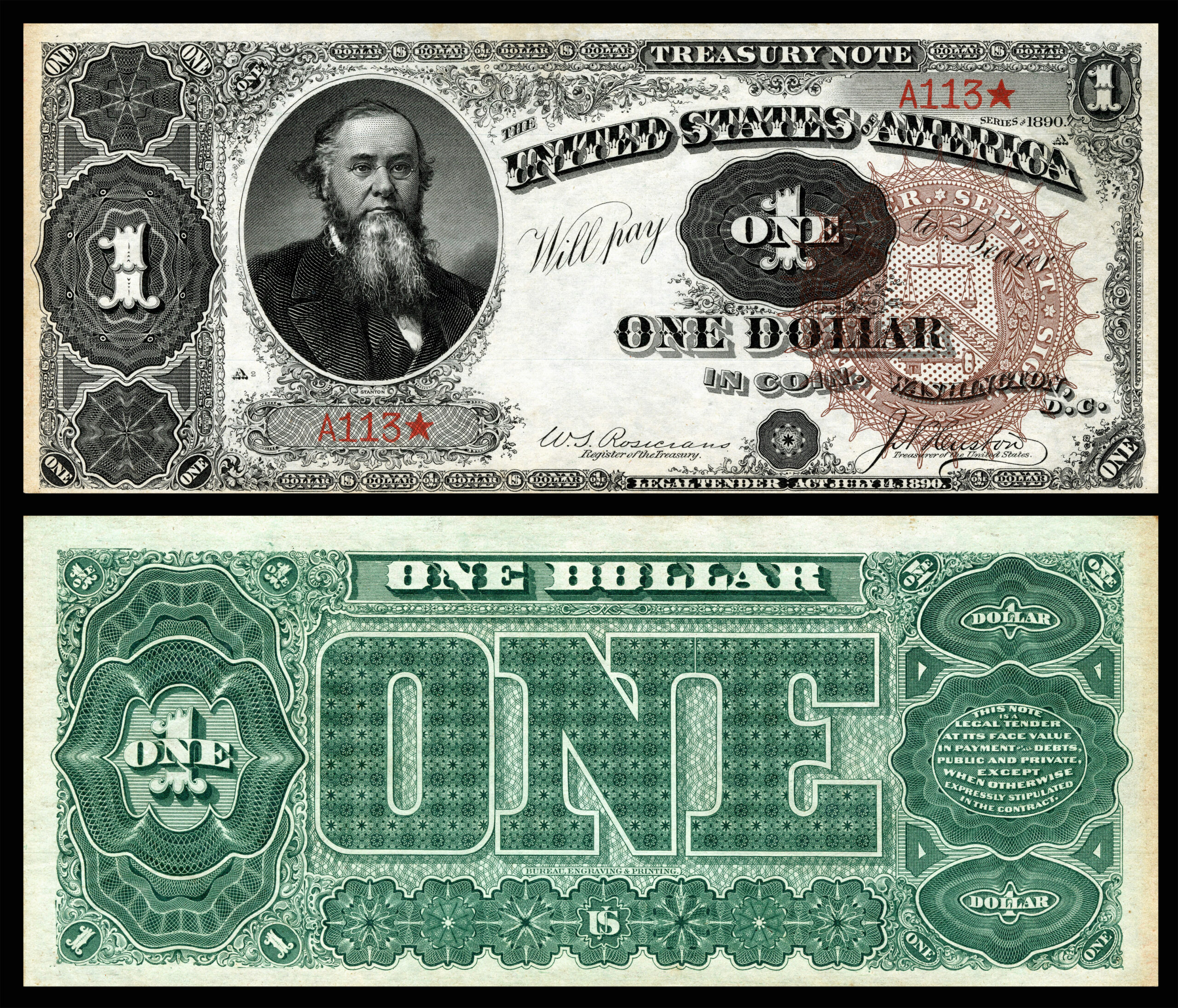
The Jewel Backs: How BEP Designers Used Guilloche and Ornate Counters to Make 1890 Treasury Notes the Most Beautiful Currency America Ever Printed
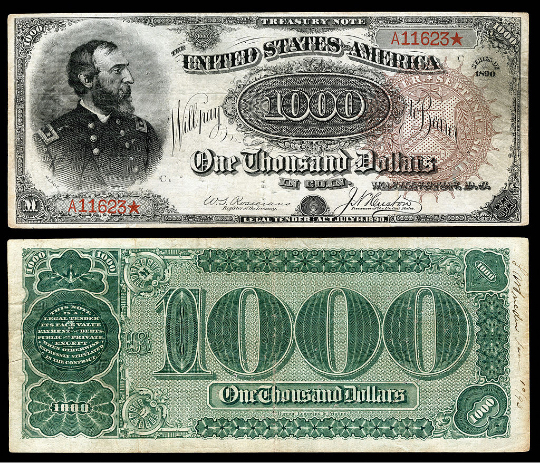
The 1890 Treasury Notes stand apart from every other series in American currency history, their reverses packed with interlocking guilloche filigree and enormous denomination counters so elaborate they earned the nickname ‘Tombstone Notes.’ Understanding what the Bureau of Engraving and Printing achieved with these designs reveals why they remain the crown jewels of 19th-century paper money collecting.

Read More →
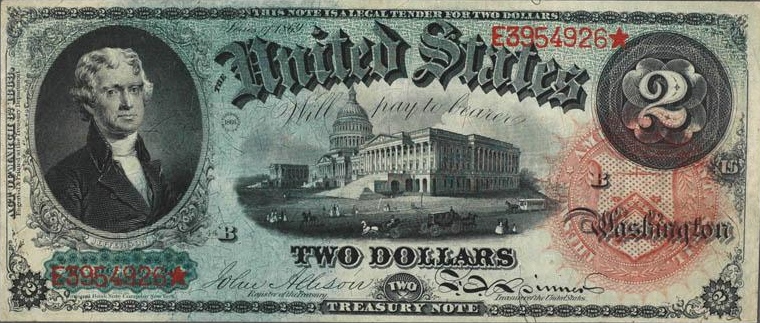
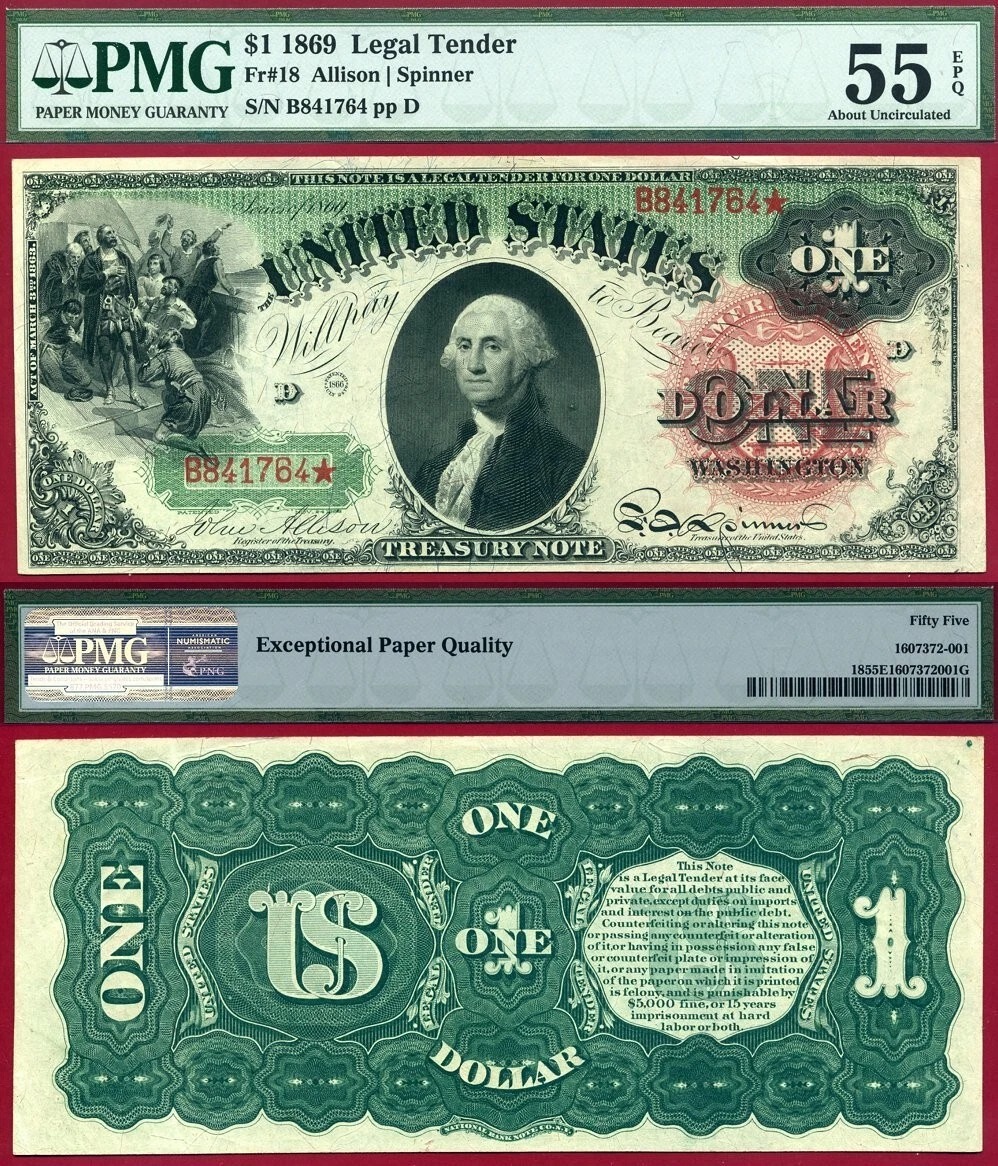
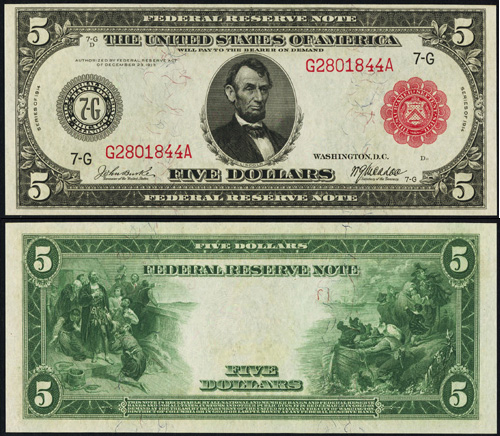
Columbus in His Study: The Renaissance Portrait Vignette That Graced Reconstruction-Era US Currency

In the 1870s, the Bureau of Engraving and Printing placed a striking vignette of Christopher Columbus poring over navigational charts onto several denominations of federal currency, blending Renaissance iconography with post-Civil War national ambition. Understanding this vignette unlocks a fascinating chapter of American numismatic art history and helps collectors identify some of the most visually compelling notes of the era.

Read More →

Color Shifting Ink and Security Features: The Visual Evolution of US Notes 1990–2013

From the first magnetic ink strips of 1990 to the dramatic color-shifting bells and inkwells of the 2009 redesigns, US currency underwent its most radical visual transformation in over a century. Understanding these security features is essential for collectors dating notes, spotting varieties, and appreciating the government’s ongoing battle against counterfeiting.

Read More →

The Obverse Border Design of the 1890 Treasury Notes: Interlocking Patterns That Defeated Every Counterfeiter of the Era

The 1890 Treasury Notes stand as arguably the most ornate currency the United States government ever produced, with obverse border designs so geometrically complex that no counterfeiter successfully replicated them during their circulation period. This deep-dive explores the specific engraving techniques, design elements, and historical context that made these notes both a collector’s obsession and a forger’s nightmare.

Read More →

Manifest Destiny on Paper: How 19th Century US Currency Depicted Westward Expansion from Covered Wagons to Pacific Railroads

The Bureau of Engraving and Printing turned America’s most ambitious national narrative into finely engraved vignettes on Demand Notes, Legal Tender Notes, and National Bank Notes between the 1860s and 1890s. Understanding these images transforms ordinary 19th century currency into windows onto the ideology that shaped a continent.

Read More →

Roman Numerals and Classical Lettering on US Currency: How the BEP Borrowed from Antiquity to Signal Financial Authority

The Bureau of Engraving and Printing deliberately wove Roman numerals, Latin phrases, and neoclassical typography into American banknotes to project permanence, authority, and civilizational legitimacy. Understanding these design choices deepens your appreciation of every note in your collection and reveals a fascinating story about how a young republic built credibility through the visual language of ancient Rome.

Read More →

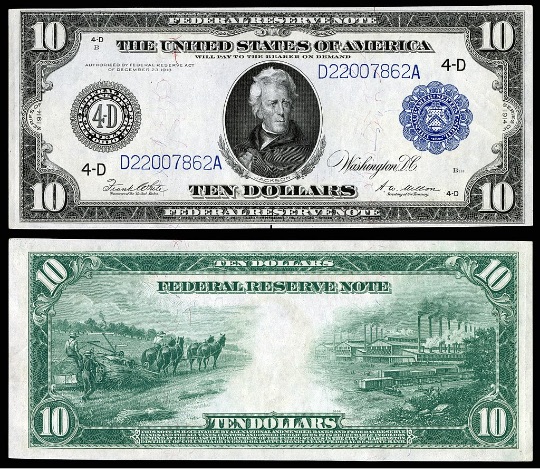
How the Federal Reserve Seal Typography Evolved from 1914 to 1969: Letter Spacing, Weight, and the Districts That Printed Longest

The circular seal pressed onto every Federal Reserve Note tells a surprisingly detailed story about American printing history, bureaucratic change, and regional banking politics. From the heavy Gothic lettering of 1914 to the streamlined sans-serif district identifiers of 1969, collectors who learn to read these subtle typographic shifts unlock a powerful tool for dating, authenticating, and valuing their notes.

Read More →

Eagles, Shields, and Flags: Patriotic Symbolism Across US Currency Designs

From the fierce bald eagle on early National Bank Notes to the subtle flag imagery woven into modern Federal Reserve Notes, patriotic symbols have shaped American currency design for over 150 years. Understanding this visual language unlocks new layers of appreciation for the notes in your collection.

Read More →

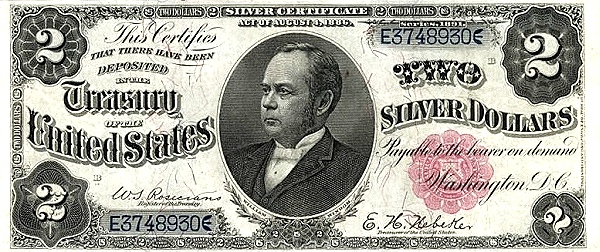
William Windom on the 1891 $2 Silver Certificate: The Treasury Secretary Who Made It Onto American Paper Money

William Windom served as Treasury Secretary under two presidents and left a lasting mark on American monetary policy, but his most visible legacy may be his portrait on the rare 1891 $2 Silver Certificate. This deep dive explores the man, the note, and why collectors still chase this striking piece of American currency history.

Read More →

The Spread Eagle Vignette on 1860s United States Notes: How the BEP’s Master Engravers Depicted American Power

The fierce spread eagle vignettes gracing 1860s United States Notes were not mere decoration but carefully engineered symbols of national sovereignty, executed by some of the finest steel engravers the country ever produced. Understanding who carved these images, how they evolved across denominations, and what distinguishes the finest examples makes these Civil War-era notes among the most compelling pieces in American numismatic history.

Read More →