
US Notes

William Windom on the 1891 $2 Silver Certificate: The Treasury Secretary Who Made It Onto American Paper Money
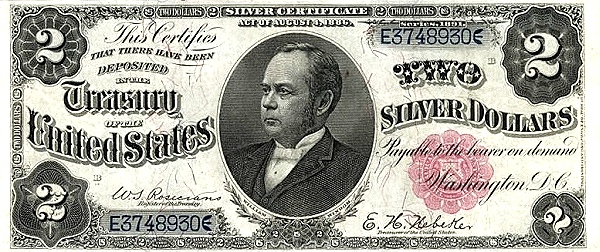
William Windom served as Treasury Secretary under two presidents and left a lasting mark on American monetary policy, but his most visible legacy may be his portrait on the rare 1891 $2 Silver Certificate. This deep dive explores the man, the note, and why collectors still chase this striking piece of American currency history.

Read More →
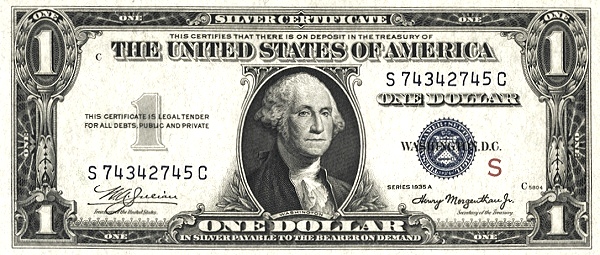
Crosshatching and Stippling in US Currency Portraits: The BEP’s Master Engravers and the Art of Tonal Depth

The Bureau of Engraving and Printing’s master craftsmen spent decades perfecting the intaglio techniques of crosshatching and stippling to render lifelike portraits on American banknotes. Understanding these methods transforms how collectors evaluate engraving quality and helps explain why certain notes command significant premiums.

Read More →

Thomas F. Morris and the BEP Engravers Who Defined 19th Century American Currency Portraits

The faces staring back at you from 19th century United States currency were carved into steel by a small brotherhood of master engravers whose names rarely appear in standard price guides. This deep dive into Thomas F. Morris and his contemporaries at the Bureau of Engraving and Printing reveals how their craft decisions directly affect rarity, collector value, and the visual identity of American money.

Read More →

Faces of Money: How the BEP Chose Which Portraits Appeared on Which Denominations

The portraits on US currency were not chosen by artists or historians alone. Behind every face on every bill lies a fascinating intersection of political maneuvering, aesthetic debate, Congressional pressure, and Treasury Department policy stretching back more than 150 years. Understanding this history gives collectors a richer appreciation for the notes they hold and sharper insight into why certain portrait changes make specific series so collectible.

Read More →