
US Notes

Federal Reserve Notes in Space: How NASA Handled Currency for Astronauts During Extended Missions
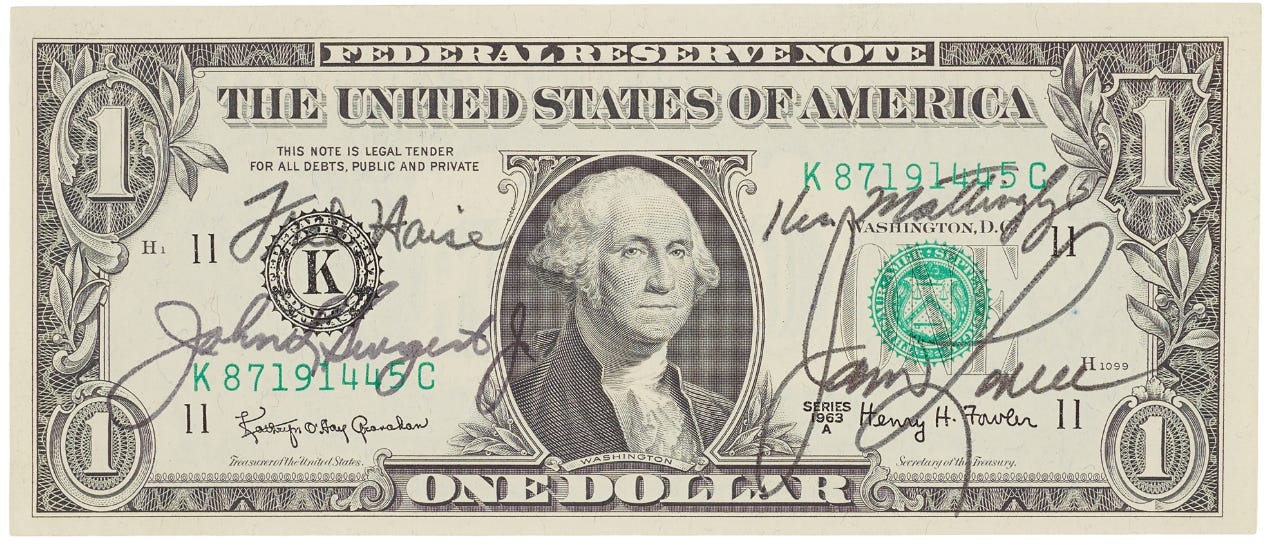
Long-duration spaceflight creates a surprising financial puzzle: what happens to an astronaut’s money, taxes, and paper currency while they orbit Earth for months at a time? From Skylab to the International Space Station, NASA developed practical and sometimes fascinating solutions for managing U.S. currency and finances during extended missions.

Read More →
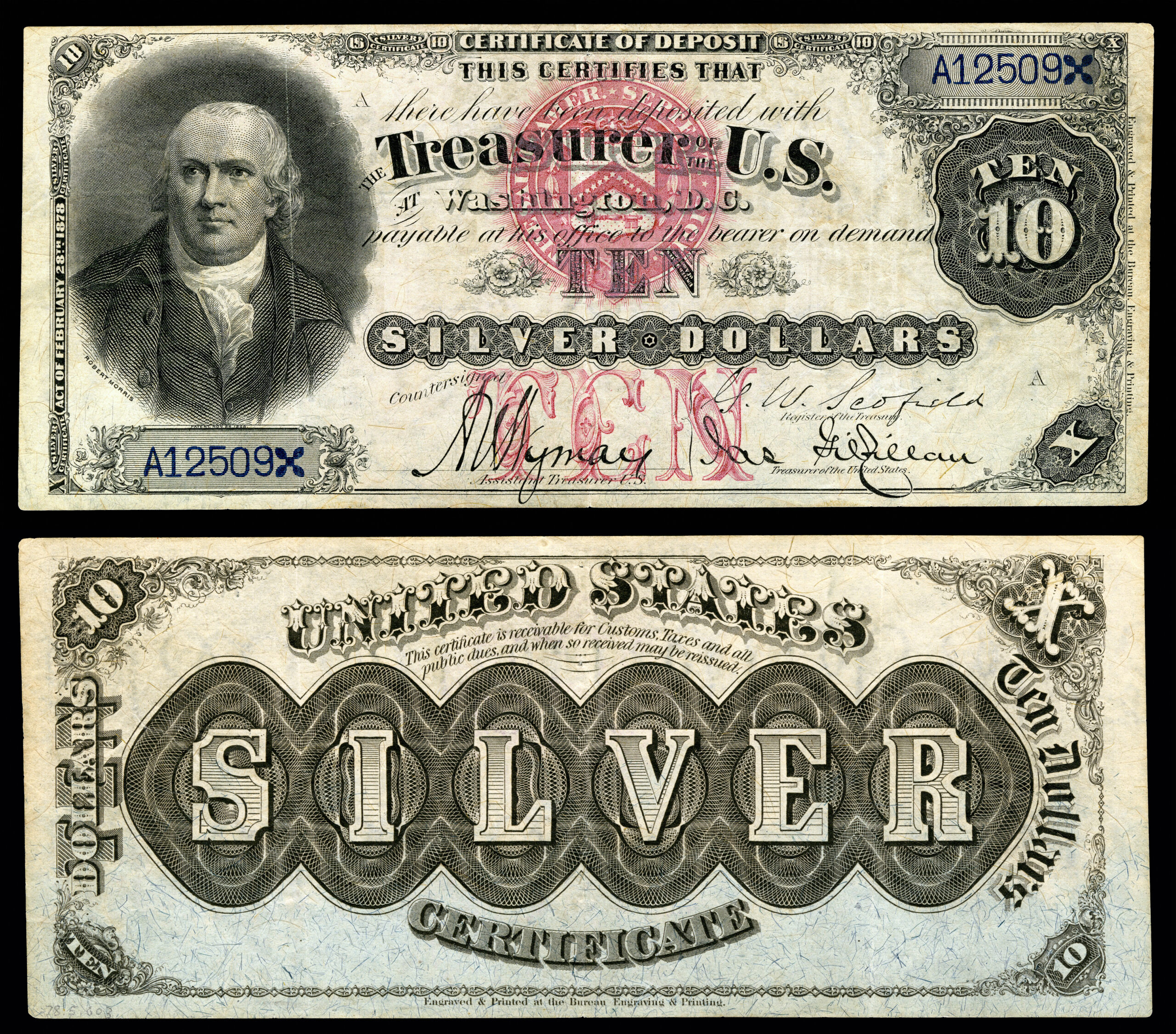
The Sirius and Constitution Ships on the 1875 $50 United States Note: Naval History Encoded in Large-Size Currency Art

The 1875 Series $50 United States Note carries two of America’s most storied vessels rendered in exquisite intaglio engraving, connecting everyday commerce to the nation’s proudest naval chapters. Understanding the imagery, varieties, and survival rates of this remarkable large-size note transforms a single banknote into a window on American history.

Read More →

Portrait Engraving at the BEP: Dies, Transfer Rolls, and Printing Plates Explained for Collectors

Understanding how the Bureau of Engraving and Printing transforms a master engraver’s work into millions of printed notes reveals why subtle differences between plates can create dramatic value swings in your collection. From the steel die to the final sheet, every step in this process leaves its own fingerprint on the notes we collect.

Read More →

Vignettes and Allegorical Figures on Large-Size Silver Certificates: What They Mean and Why Collectors Should Care

The elaborate vignettes and allegorical figures engraved on large-size Silver Certificates are far more than decoration, they encode 19th-century political ideals, classical mythology, and the aspirations of a young republic into every note. Understanding what these images represent transforms the way you read and collect these remarkable pieces of American art.

Read More →

Faces of Money: How the BEP Chose Which Portraits Appeared on Which Denominations

The portraits on US currency were not chosen by artists or historians alone. Behind every face on every bill lies a fascinating intersection of political maneuvering, aesthetic debate, Congressional pressure, and Treasury Department policy stretching back more than 150 years. Understanding this history gives collectors a richer appreciation for the notes they hold and sharper insight into why certain portrait changes make specific series so collectible.

Read More →

The Treasury Department Fire of 1833: How Andrew Jackson’s Currency Archives Were Destroyed and What Was Lost

On the night of March 31, 1833, a fire gutted the Treasury Department building in Washington, D.C., destroying irreplaceable records, printing plates, and currency archives from the early republic. For collectors of early American paper money, this disaster explains why certain notes from the 1810s and 1820s exist without official documentation and why some of the most significant numismatic mysteries of the era may never be solved.

Read More →

Operation Bernhard: Nazi Germany’s Plot to Counterfeit British and American Currency — What Every Currency Collector Should Know

Operation Bernhard was the largest counterfeiting operation in history, producing millions of near-perfect British pound notes and laying the groundwork for an assault on the US dollar that never fully materialized. Understanding this wartime scheme reveals critical authentication details, explains why certain wartime British notes command serious collector premiums, and offers hard-won lessons about what separates genuine currency from the finest fakes ever produced.

Read More →