US Notes

Series 1934 Federal Reserve Notes: Light vs. Dark Green Seal Varieties Explained by Denomination
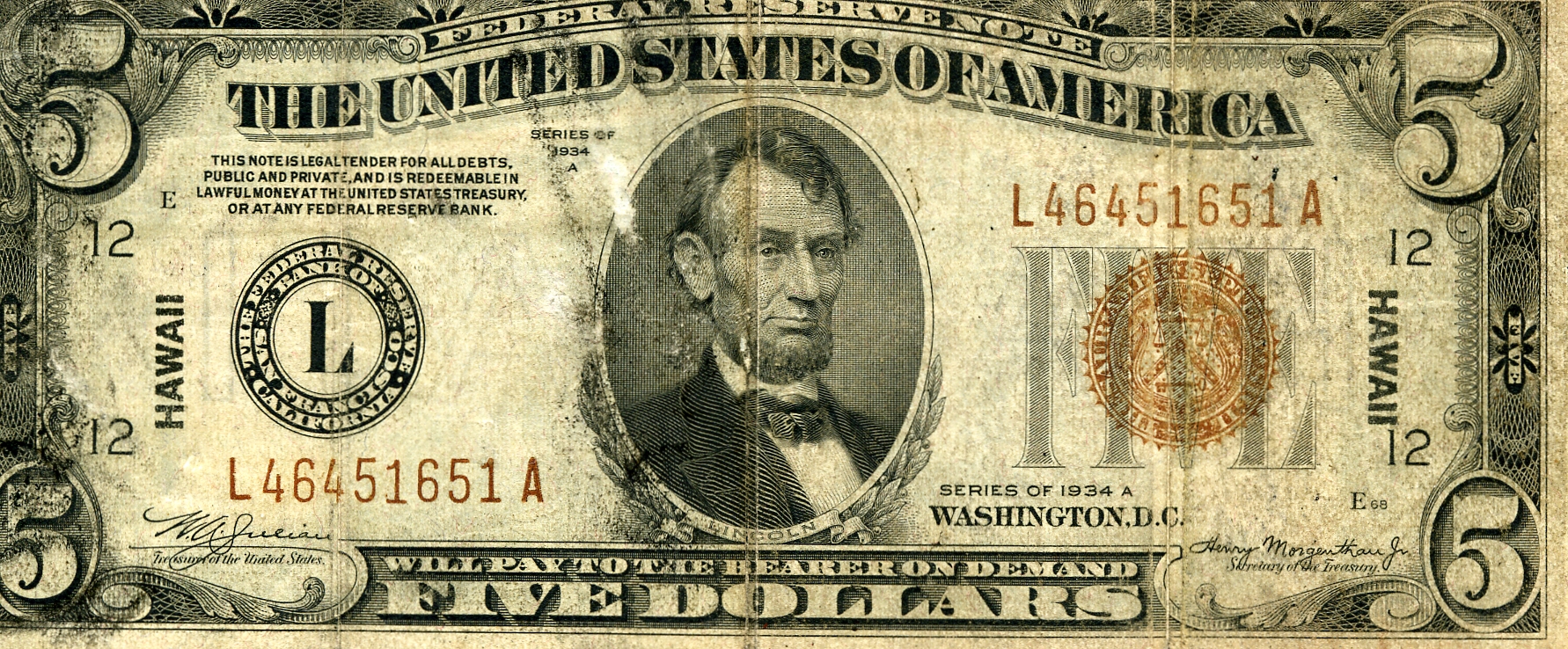
The Series 1934 Federal Reserve Notes produced one of the most fascinating and debated varieties in 20th-century American paper money: the shift from dark green to light green Treasury seals and serial numbers. Understanding which denominations exist in each variety, why the change happened, and what collectors should look for can transform a routine type set into a genuinely rewarding specialty.

Read More →
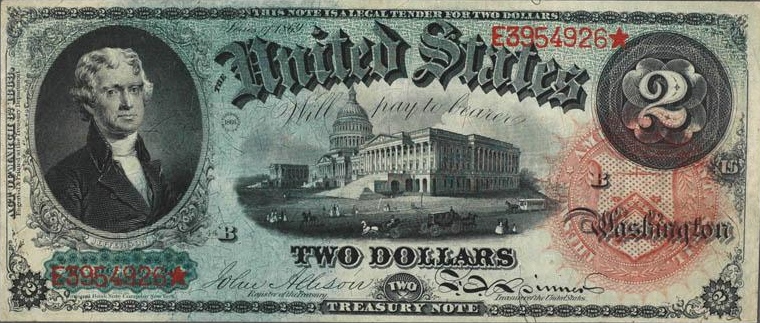
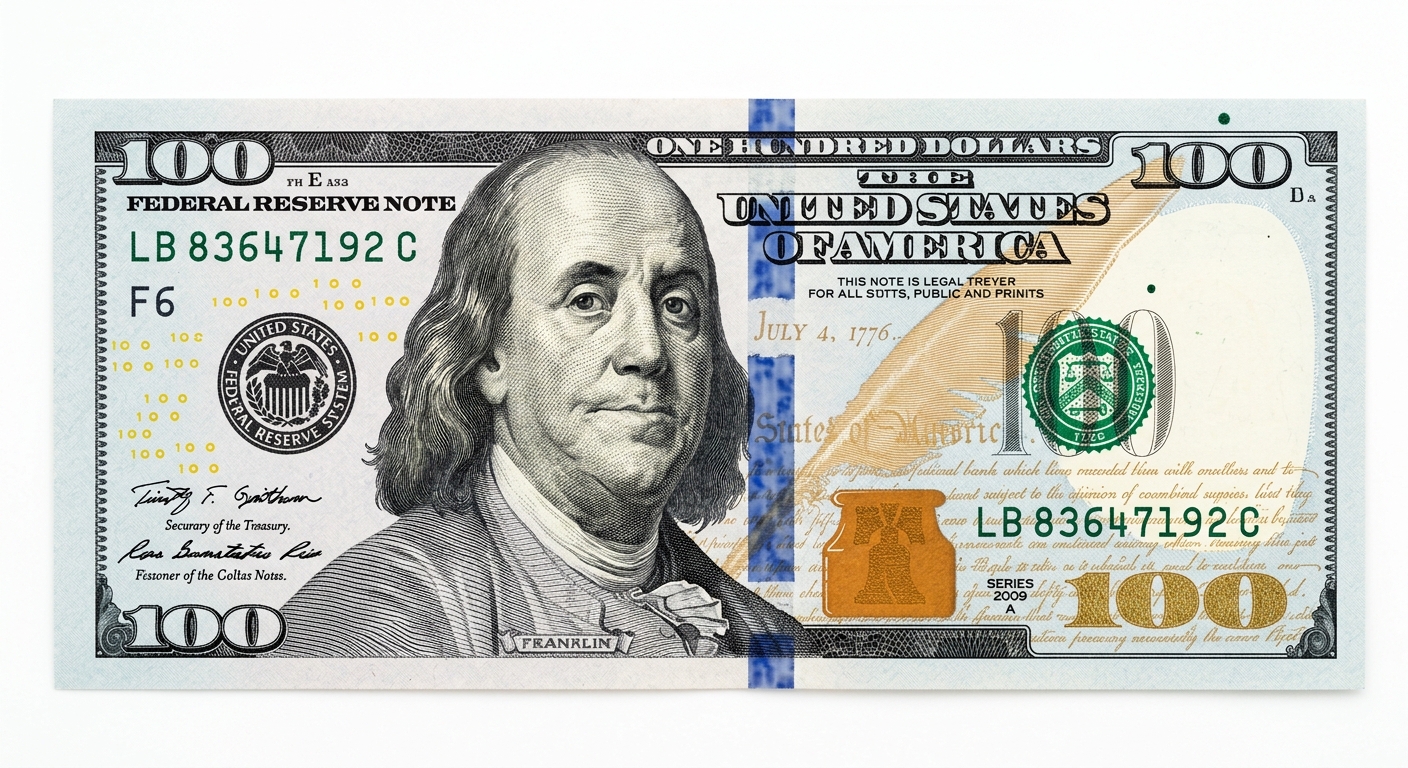
Columbus in His Study: The Renaissance Portrait Vignette That Graced Reconstruction-Era US Currency

In the 1870s, the Bureau of Engraving and Printing placed a striking vignette of Christopher Columbus poring over navigational charts onto several denominations of federal currency, blending Renaissance iconography with post-Civil War national ambition. Understanding this vignette unlocks a fascinating chapter of American numismatic art history and helps collectors identify some of the most visually compelling notes of the era.

Read More →

Stray Ink Dots on Uncirculated Federal Reserve Notes: Manufacturing Artifacts That Graders Notice but Rarely Penalize

Stray ink dots are among the most misunderstood manufacturing artifacts found on uncirculated Federal Reserve Notes, causing unnecessary alarm among new collectors who mistake them for damage. Understanding how graders evaluate these printing anomalies can save you from passing on a perfectly gradeable gem and help you make smarter buying decisions at auction.

Read More →

The BEP’s 1929 Currency Reduction Program: Why America Switched from Large to Small-Size Notes

In 1929, the Bureau of Engraving and Printing executed one of the most sweeping transformations in American monetary history, shrinking paper currency by roughly 25 percent and standardizing its design for the first time. Understanding the economics, logistics, and collecting implications of this change reveals why the 1929 transition remains one of the most consequential events in US paper money history.

Read More →

The Obverse Border Design of the 1890 Treasury Notes: Interlocking Patterns That Defeated Every Counterfeiter of the Era

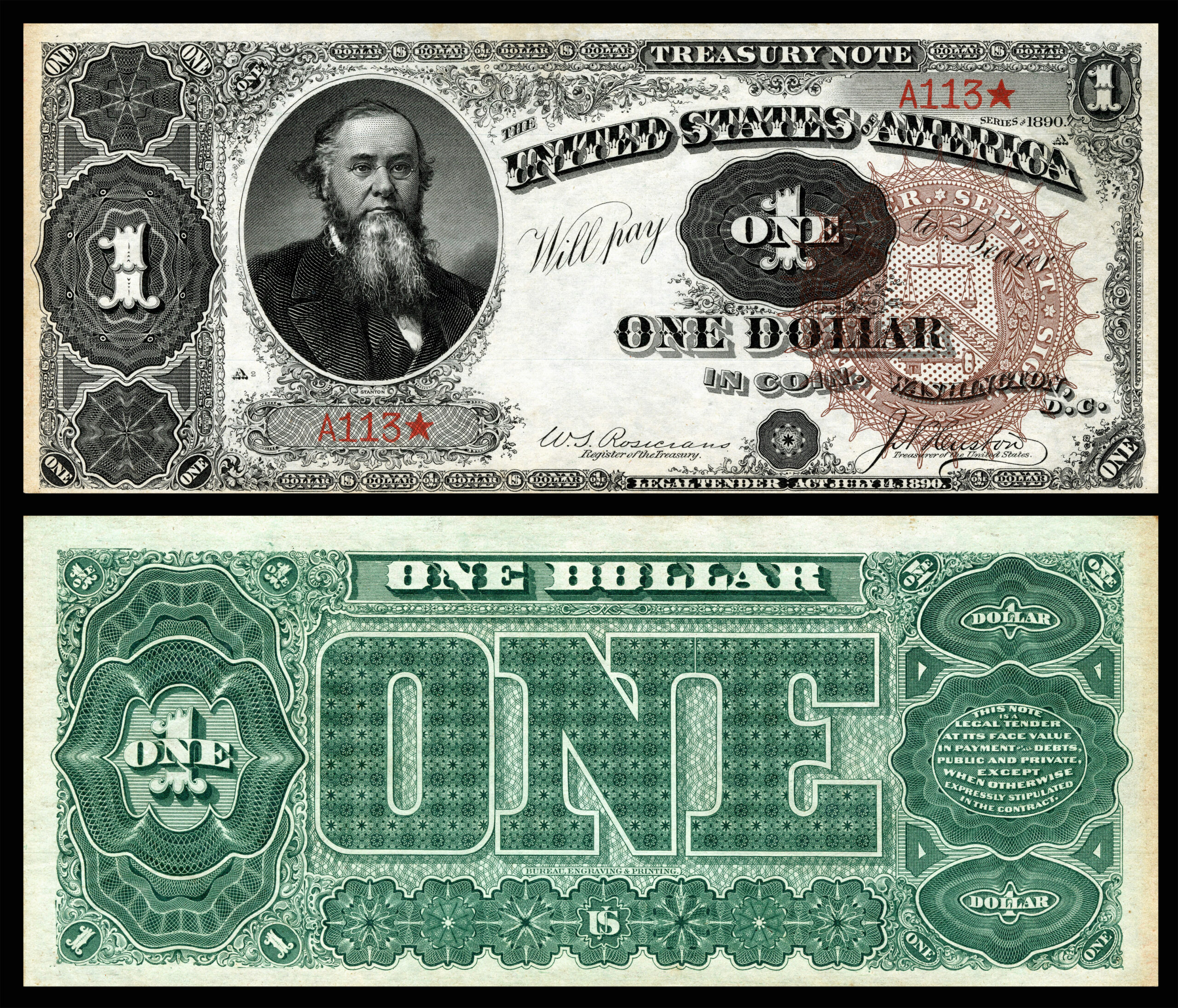
The 1890 Treasury Notes stand as arguably the most ornate currency the United States government ever produced, with obverse border designs so geometrically complex that no counterfeiter successfully replicated them during their circulation period. This deep-dive explores the specific engraving techniques, design elements, and historical context that made these notes both a collector’s obsession and a forger’s nightmare.

Read More →

Series 1935A $1 Silver Certificate Varieties: The R and S Experimental Notes Explained

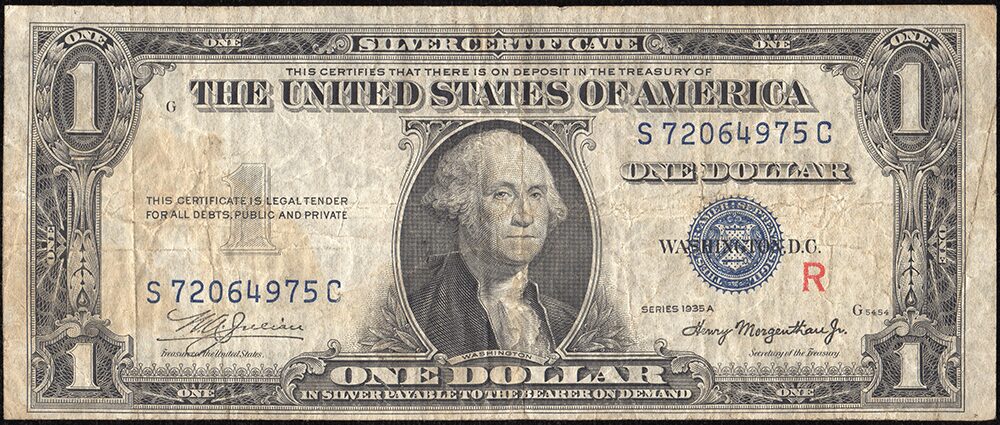
In 1944, the U.S. Bureau of Engraving and Printing conducted a rare printing experiment that produced two distinct varieties of the Series 1935A $1 Silver Certificate, each stamped with a red ‘R’ or ‘S’ suffix. These experimental notes represent one of the most fascinating and collectible chapters in modern U.S. currency history, and understanding them can make a real difference at auction.

Read More →

After the Tombstone: What Replaced the $10 Educational Silver Certificate and Why the Treasury Chose a Different Path

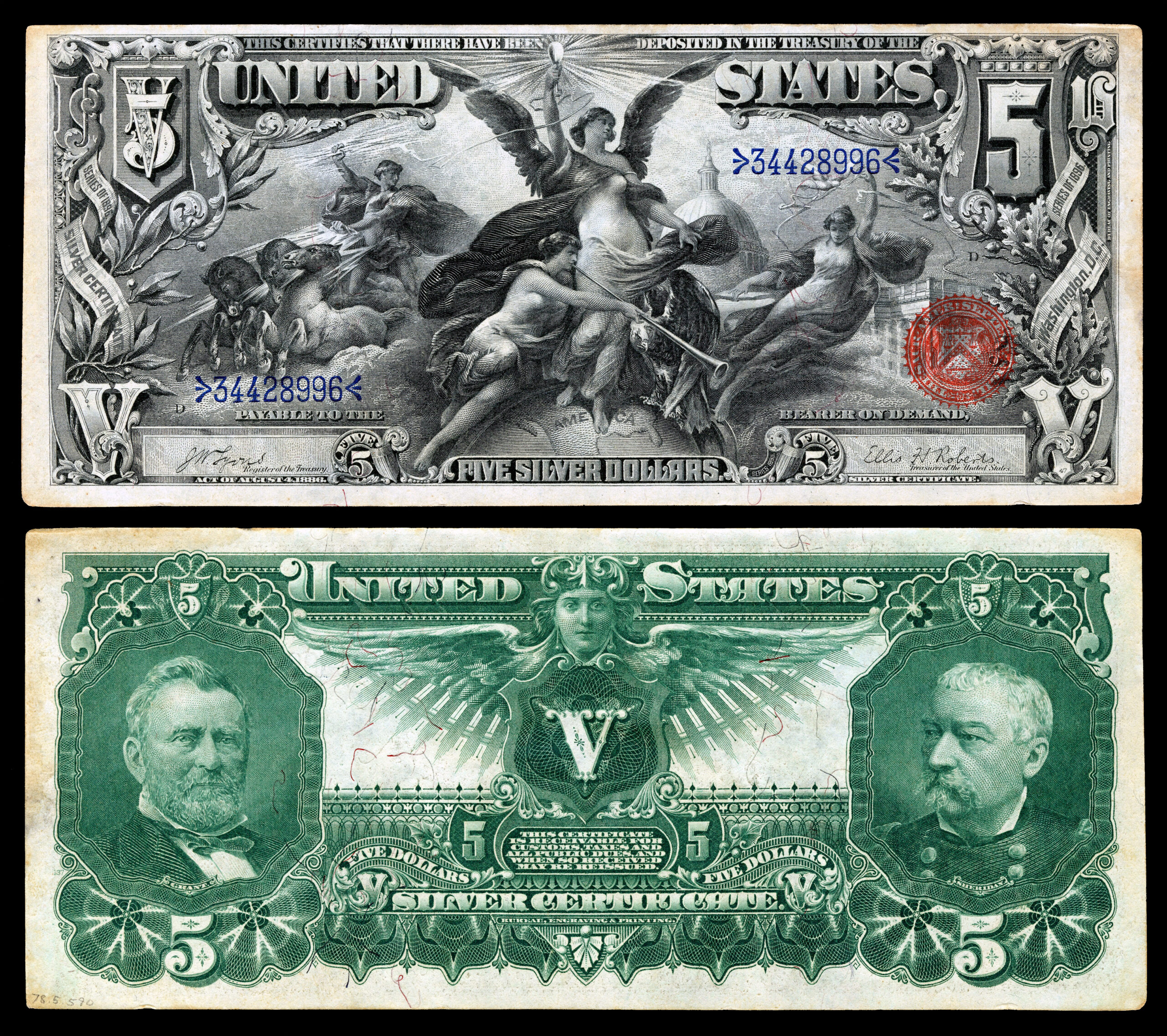
The stunning $10 Educational Silver Certificate of 1896 is one of the most celebrated notes in American numismatic history, but its successor series tells an equally fascinating story about politics, public taste, and the practical demands of currency production. This deep dive traces exactly what filled the void left by the Educational series and why collectors today should pay close attention to the transitional notes that followed.

Read More →

The Currency of the Philippine Islands Under American Administration: U.S. Territorial Money 1900–1941

For four decades, the Philippine Islands operated under a unique monetary system tied directly to American colonial policy, producing banknotes and coins that blend U.S. printing traditions with distinctly Filipino identity. These fascinating territorial issues represent one of the most overlooked collecting specialties in American numismatics, offering extraordinary historical depth and surprising affordability for the knowledgeable collector.

Read More →

How the Federal Reserve Seal Typography Evolved from 1914 to 1969: Letter Spacing, Weight, and the Districts That Printed Longest

The circular seal pressed onto every Federal Reserve Note tells a surprisingly detailed story about American printing history, bureaucratic change, and regional banking politics. From the heavy Gothic lettering of 1914 to the streamlined sans-serif district identifiers of 1969, collectors who learn to read these subtle typographic shifts unlock a powerful tool for dating, authenticating, and valuing their notes.

Read More →

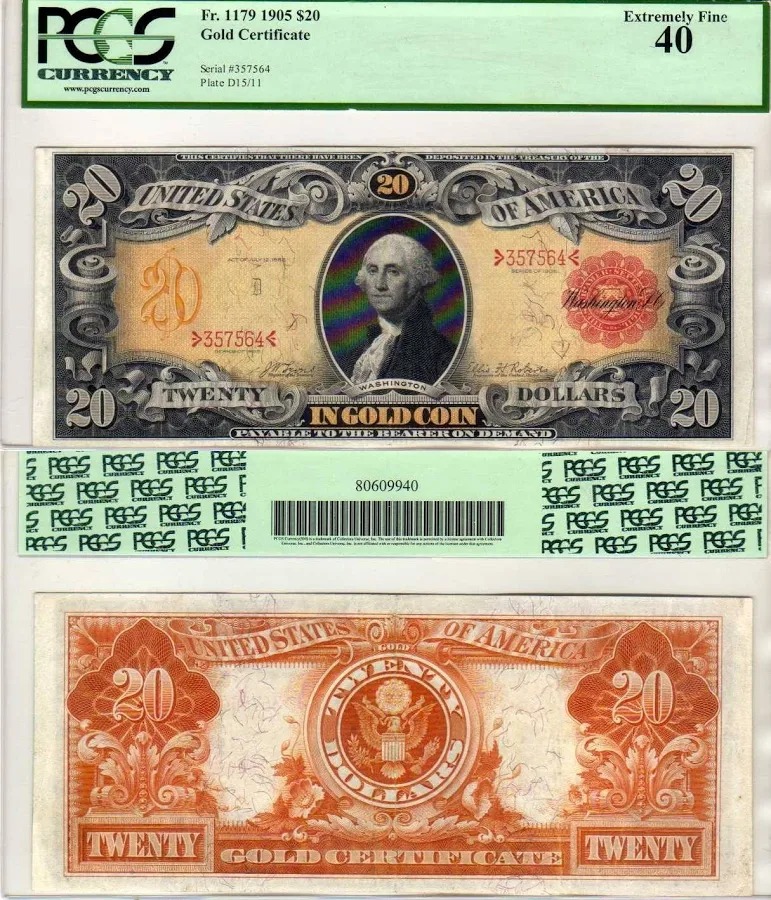
Gold Certificates Series 1905 $20: The Technicolor Note and Its Stunning Orange Reverse

The Series 1905 $20 Gold Certificate stands apart from virtually every other piece of American paper money ever printed, thanks to its blazing orange reverse and brilliant golden obverse design. Collectors and historians alike consider it one of the most visually striking United States notes ever issued, and its scarcity today makes it a genuine prize for serious numismatists.

Read More →