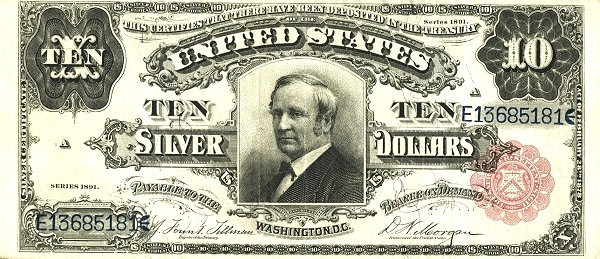
US Notes

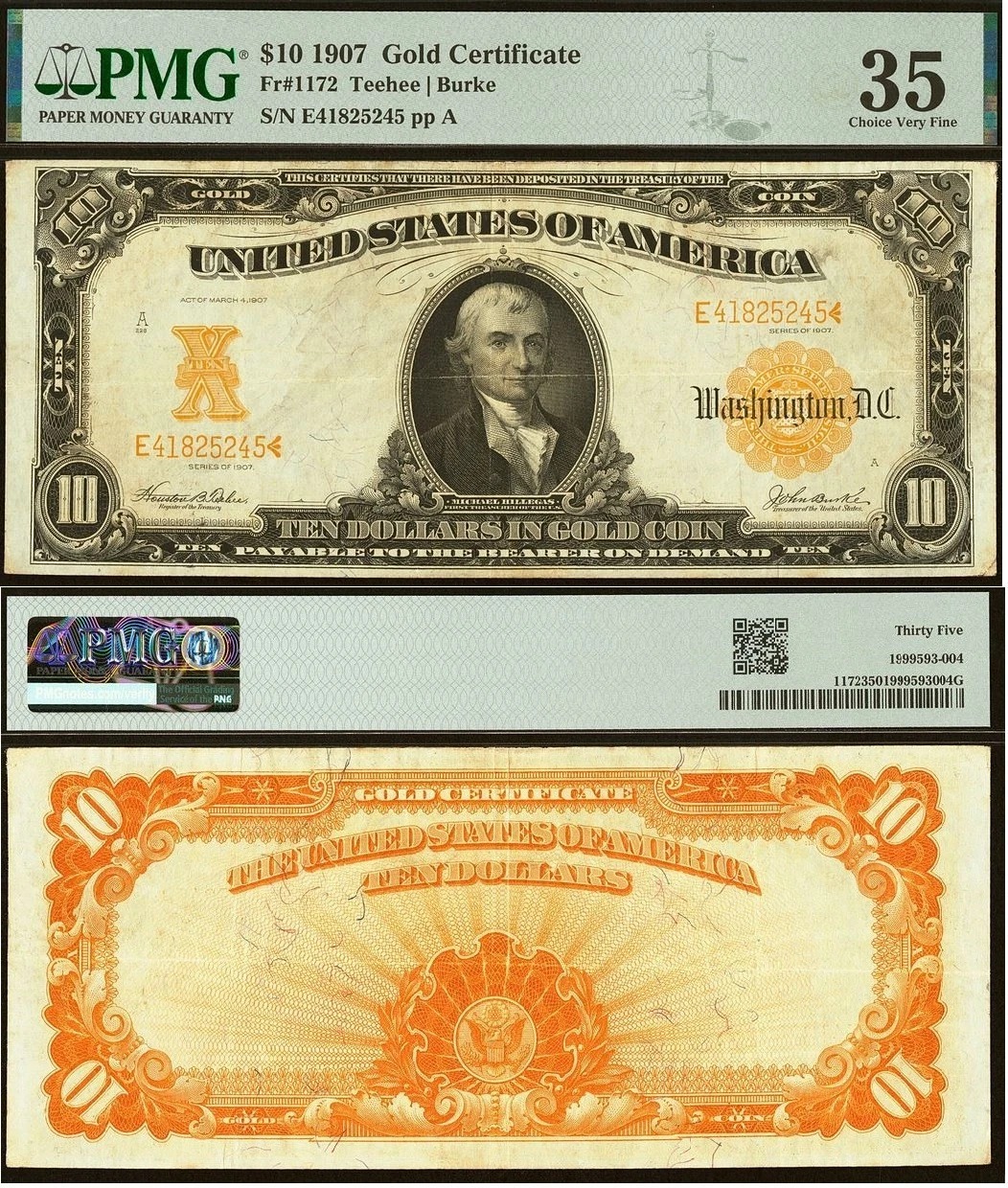
Grading Gold Certificates: Why Color Retention of the Yellow-Orange Seal Is the Single Most Important Condition Factor
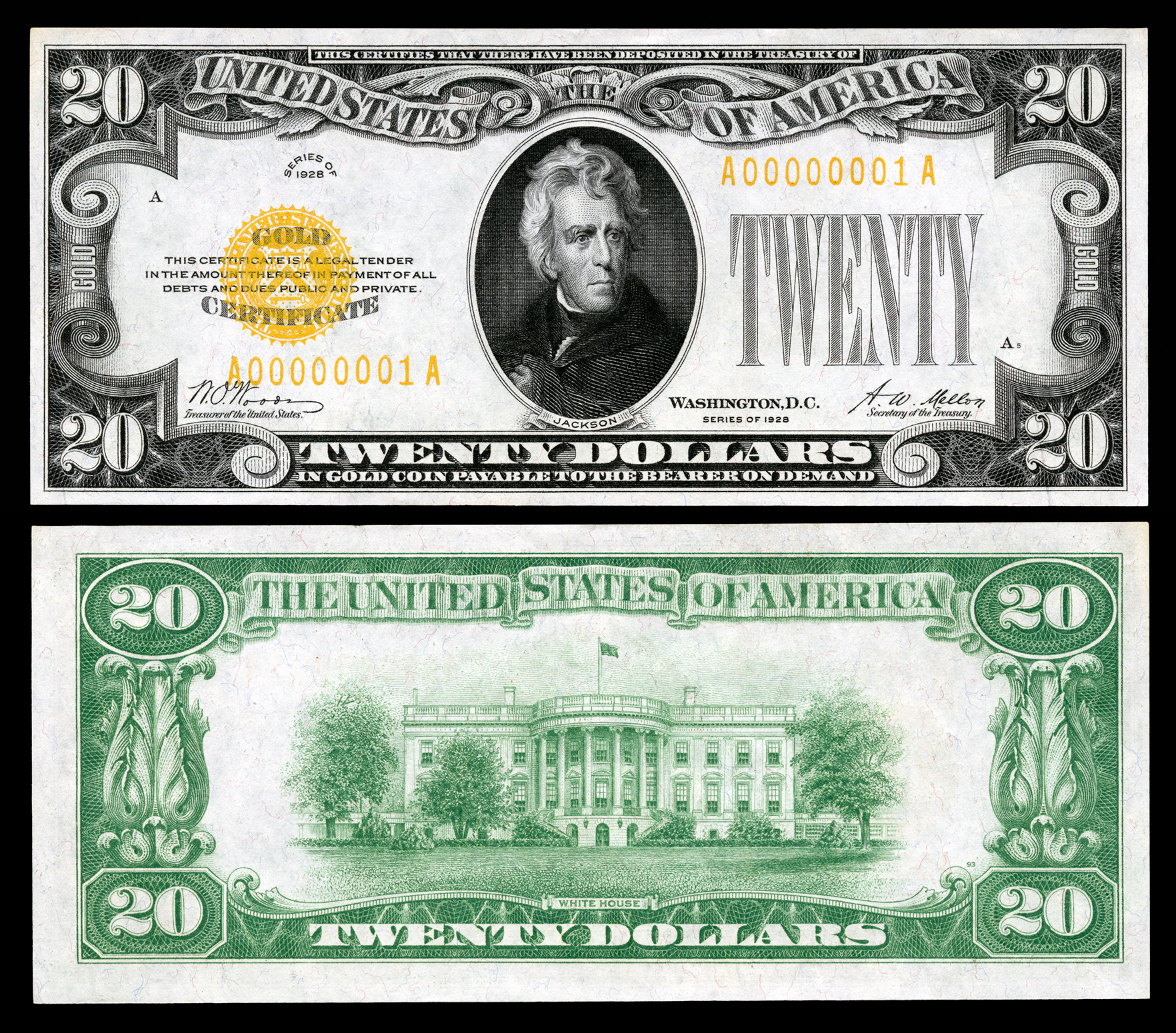
When grading Gold Certificates, most collectors focus on folds and centering, but seasoned numismatists know the yellow-orange Treasury seal tells the real story of a note’s condition. This guide breaks down exactly why seal color dominates the grading conversation and how to evaluate it like a professional.

Read More →
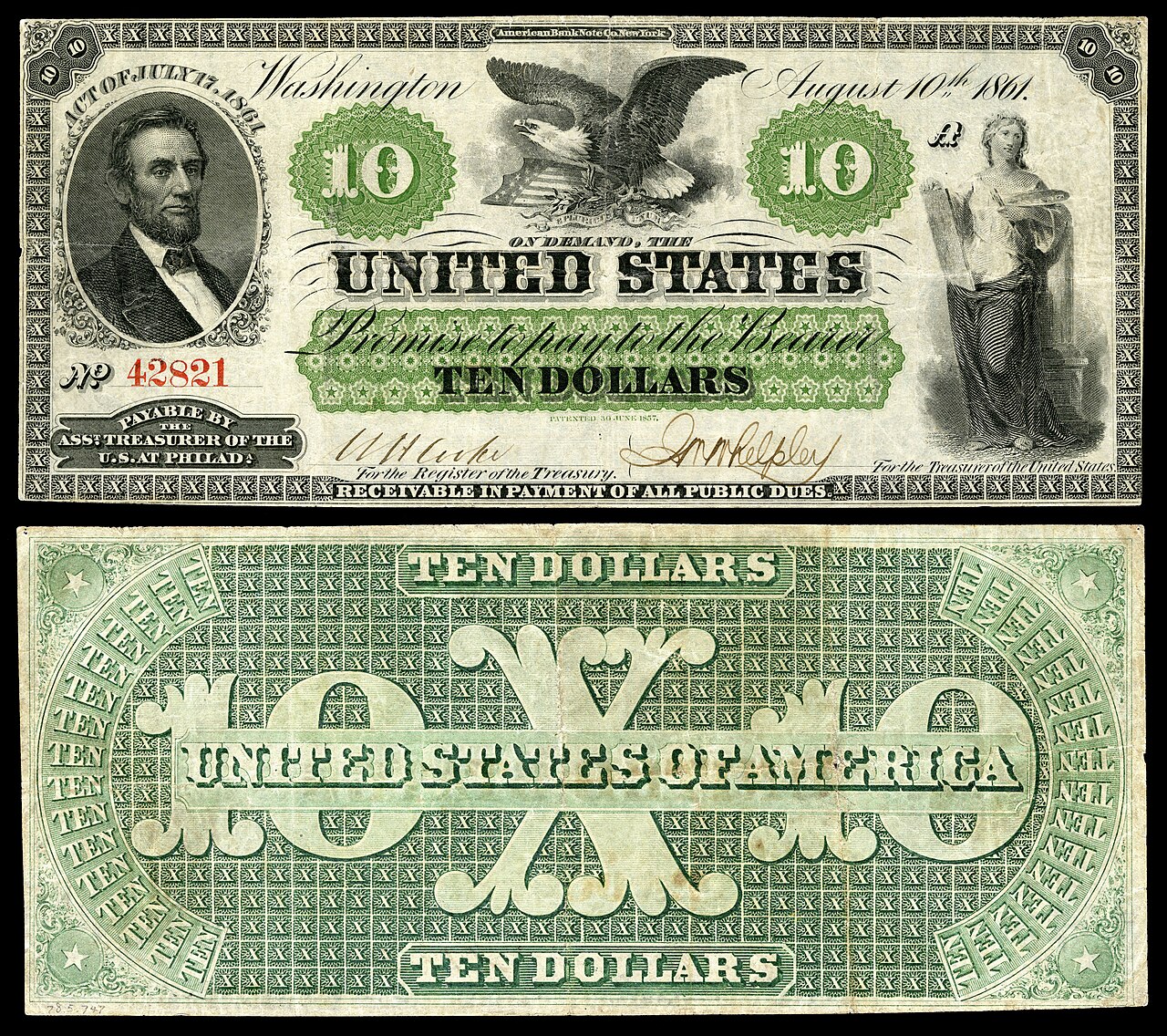
Grading Demand Notes of 1861: Why Even Good-4 Examples Are Trophy Notes and What Condition Standards Apply to America’s Oldest Federal Currency

The Demand Notes of 1861 represent the very first paper money issued by the United States federal government, and their grading standards are unlike almost anything else in American numismatics. Understanding why a tattered Good-4 example commands thousands of dollars, and how professional graders approach these fragile survivors, is essential knowledge for any serious collector.

Read More →

Greenbacks and Gunboats: How Dollar Diplomacy Under Taft Turned American Currency Into a Foreign Policy Weapon in Latin America

Between 1909 and 1913, President William Howard Taft and Secretary of State Philander Knox pursued a strategy of replacing military intervention with financial leverage across Latin America, using American banking houses and US dollar instruments to dominate sovereign economies. Understanding this era illuminates why certain National Currency notes and Federal Reserve precursor instruments from this period carry unusual provenance, and why the dollar’s international reputation was being forged at the very moment US paper money was undergoing its own transformation.

Read More →

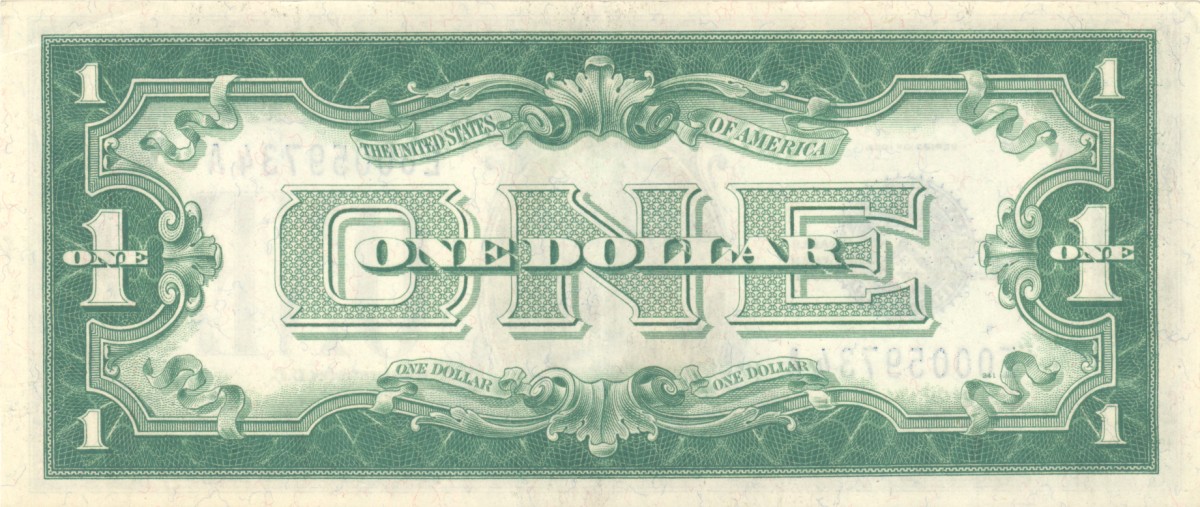
The BEP’s 1929 Currency Reduction Program: Why America Switched from Large to Small-Size Notes

In 1929, the Bureau of Engraving and Printing executed one of the most sweeping transformations in American monetary history, shrinking paper currency by roughly 25 percent and standardizing its design for the first time. Understanding the economics, logistics, and collecting implications of this change reveals why the 1929 transition remains one of the most consequential events in US paper money history.

Read More →

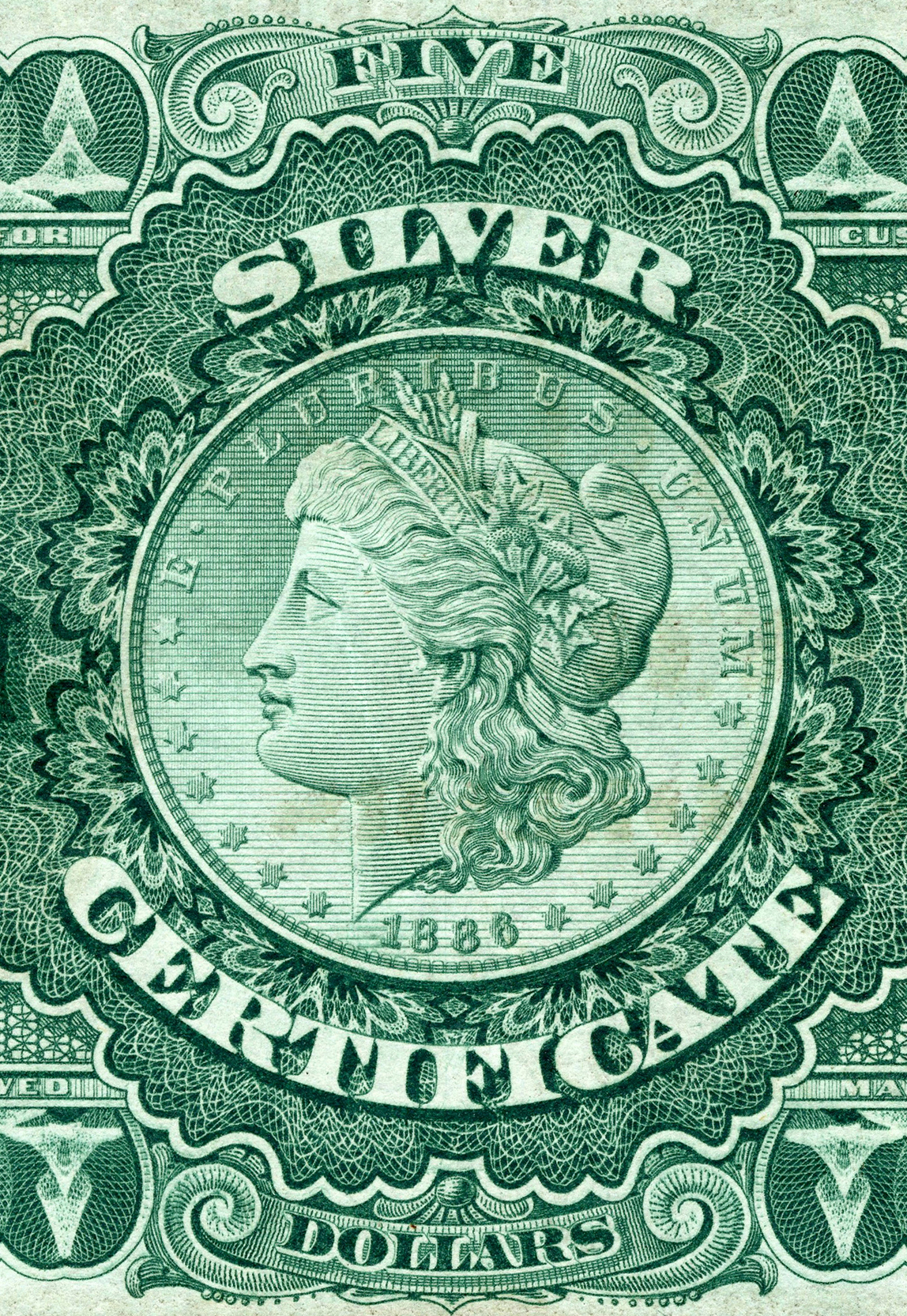
The Series 1886 $1 Silver Certificate Martha Washington: The Only Woman Ever Portrayed on a Small-Denomination US Note

The Series 1886 $1 Silver Certificate stands alone in American currency history as the only small-denomination note to feature a woman’s portrait, showcasing Martha Washington in stunning engraved detail. Understanding its varieties, signature combinations, and grading challenges is essential knowledge for any serious collector of Nineteenth Century paper money.

Read More →

The Importance of Margins in Currency Grading: How Centering Affects PMG and PCGS Scores

Centering and margins can make or break a currency grade, turning a potential gem into a problem note before an expert ever checks for folds. Understanding how PMG and PCGS evaluate margins gives collectors a critical edge when buying, selling, or submitting notes for grading.

Read More →

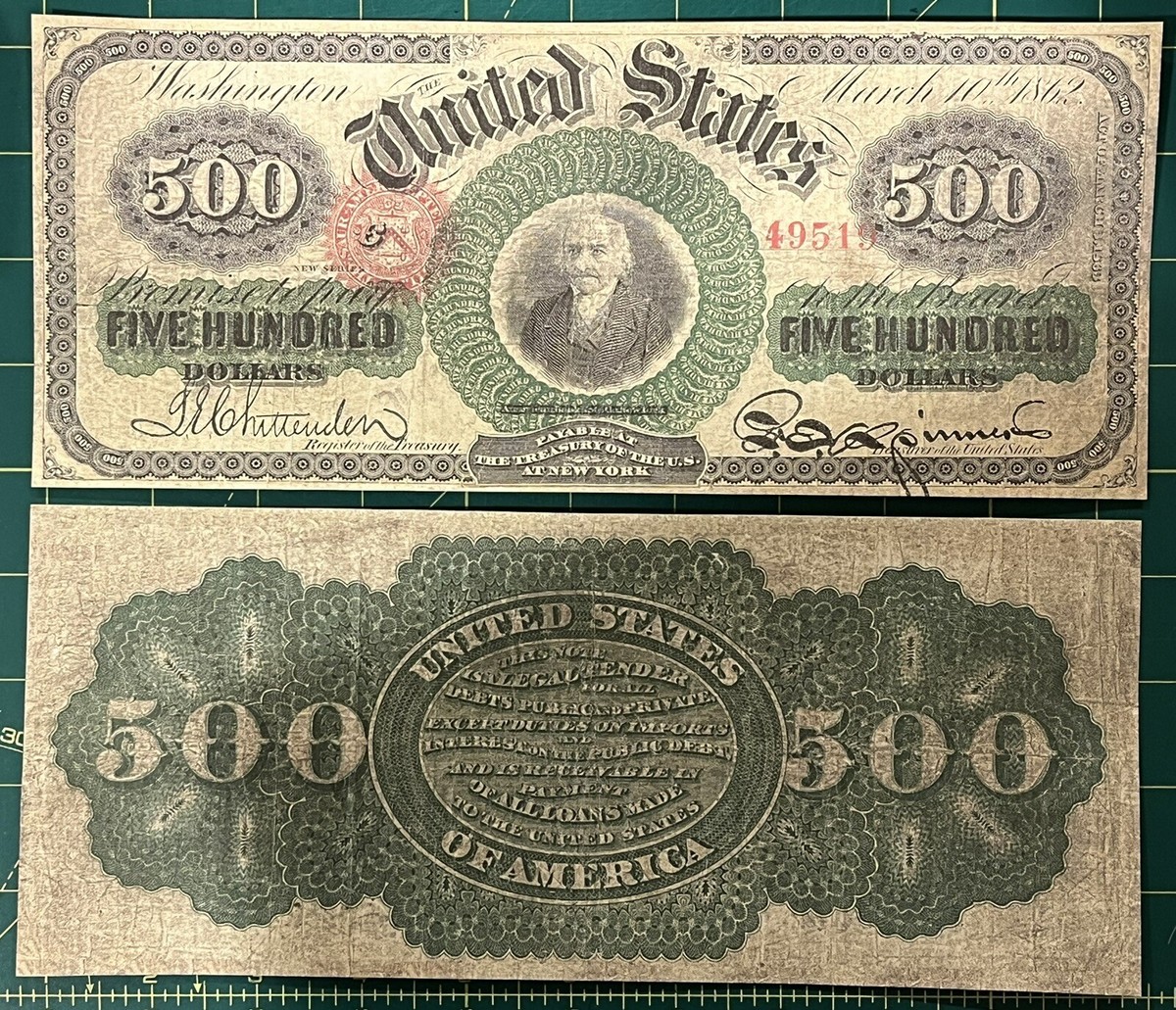
Greenbacks: How Abraham Lincoln Financed the Civil War with Legal Tender Notes

When the Union treasury ran dry in 1861, Abraham Lincoln and Congress made a radical financial gamble: printing paper money backed by nothing but the full faith of the federal government. The Demand Notes and Legal Tender Notes that followed changed American currency forever, and the surviving examples rank among the most historically significant collectibles in all of numismatics.

Read More →

The Standard Electric Engraving Machine and How It Transformed BEP Portrait Work After 1900

Before electric engraving arrived at the Bureau of Engraving and Printing, every portrait on American currency was painstakingly cut by hand, a process measured in months. Discover how the Standard Electric Engraving Machine revolutionized the craft after 1900, reshaped the faces on your notes, and left lasting clues that collectors can still read today.

Read More →

The American Bank Note Company: How Private Engravers Shaped US Currency Before the BEP Took Over

Before the Bureau of Engraving and Printing consolidated federal currency production, the American Bank Note Company and its rival firms were the trusted craftsmen behind some of America’s most beautifully engraved paper money. Understanding this forgotten chapter of private currency production reveals why early federal notes look so different from anything printed after 1877.

Read More →

The Series 1891 $1 Silver Certificate: Stanton, Martha Washington, and the Transition Between Portrait Subjects

The Series 1891 $1 Silver Certificate stands at a fascinating crossroads in American currency design, featuring two entirely different portrait subjects across its signature combinations. Understanding the shift from Edwin M. Stanton to Martha Washington reveals as much about political priorities as it does about numismatic treasure.

Read More →