
Greenbacks and Gunboats: How Dollar Diplomacy Under Taft Turned American Currency Into a Foreign Policy Weapon in Latin America
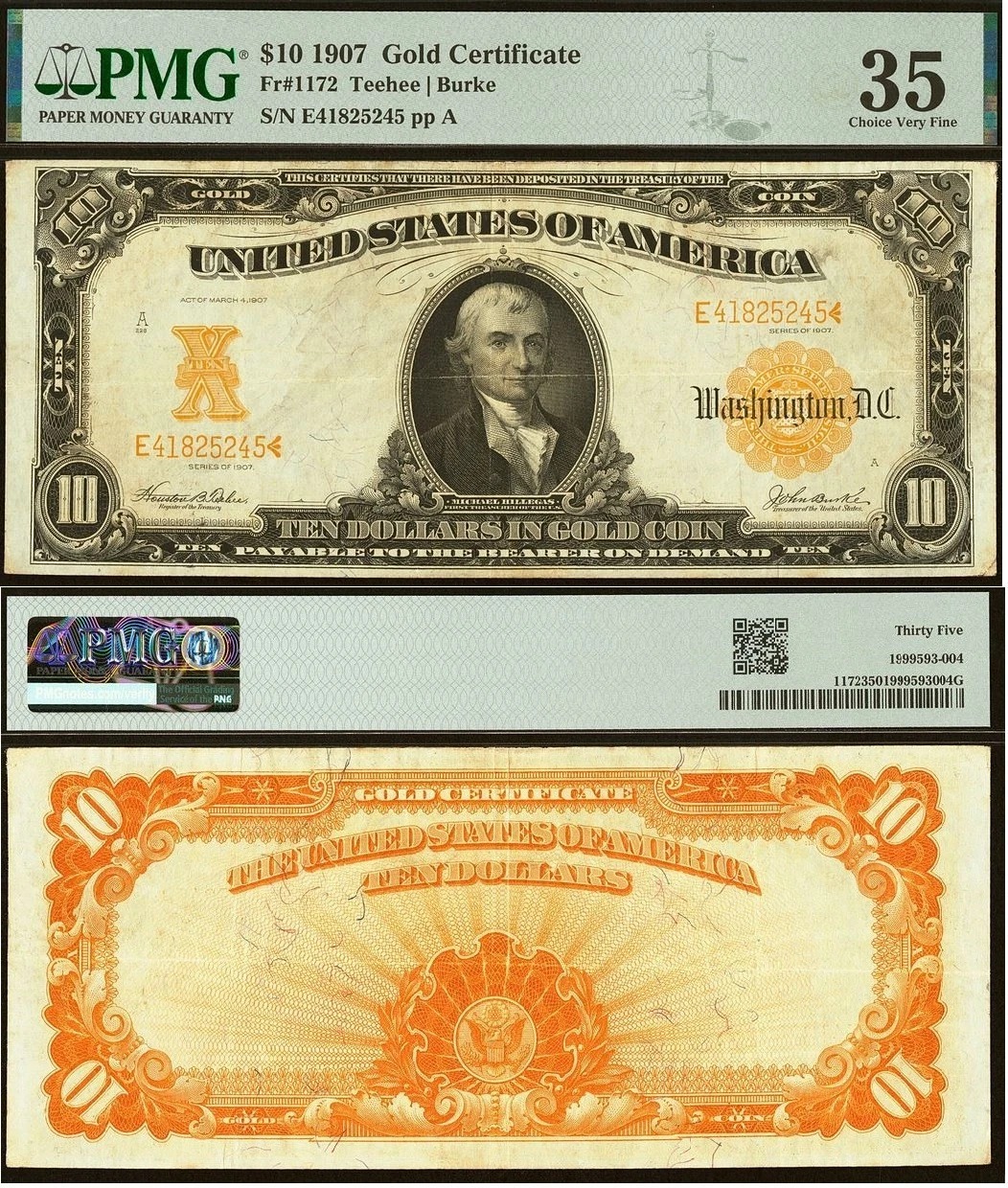
Between 1909 and 1913, President William Howard Taft and Secretary of State Philander Knox pursued a strategy of replacing military intervention with financial leverage across Latin America, using American banking houses and US dollar instruments to dominate sovereign economies. Understanding this era illuminates why certain National Currency notes and Federal Reserve precursor instruments from this period carry unusual provenance, and why the dollar’s international reputation was being forged at the very moment US paper money was undergoing its own transformation.
Read More →