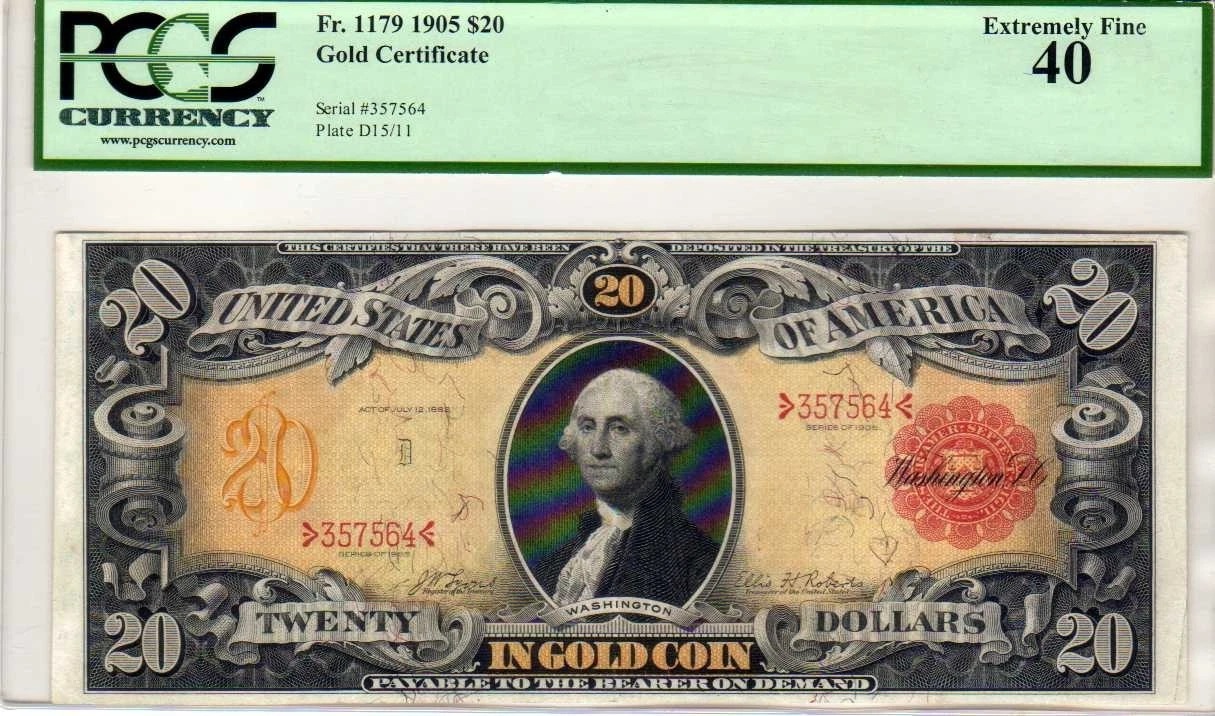
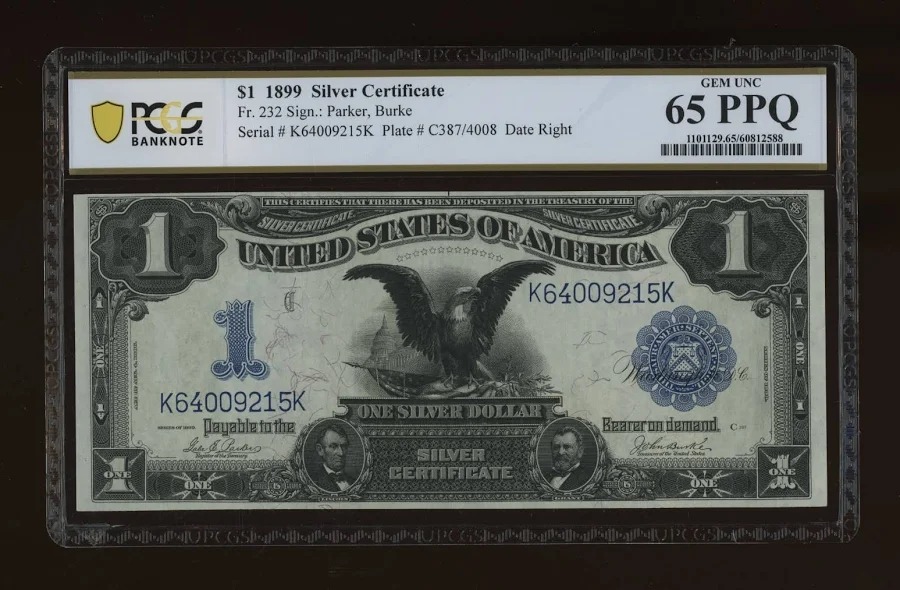
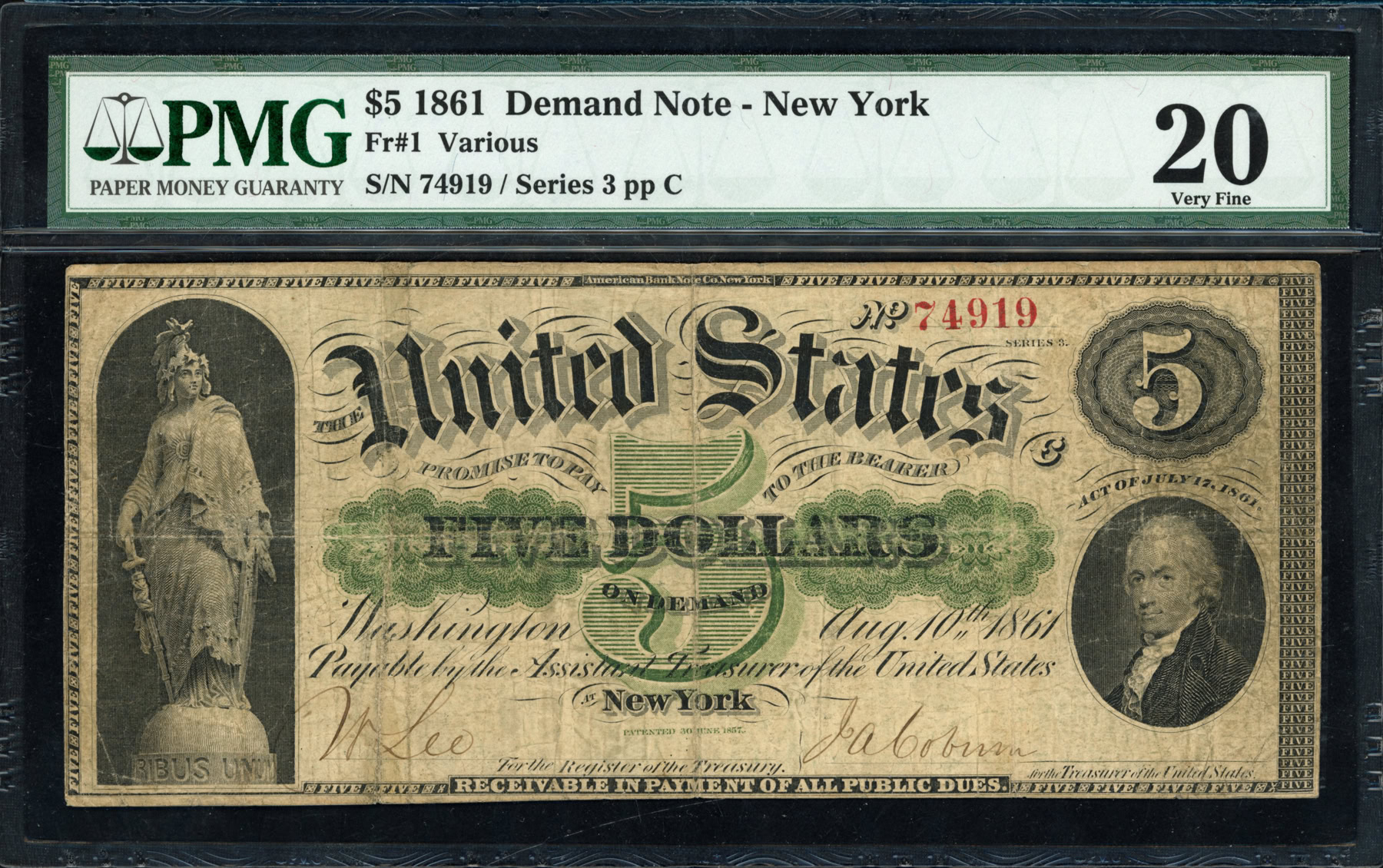
US Notes

Grading Gold Certificates: Why Color Retention of the Yellow-Orange Seal Is the Single Most Important Condition Factor
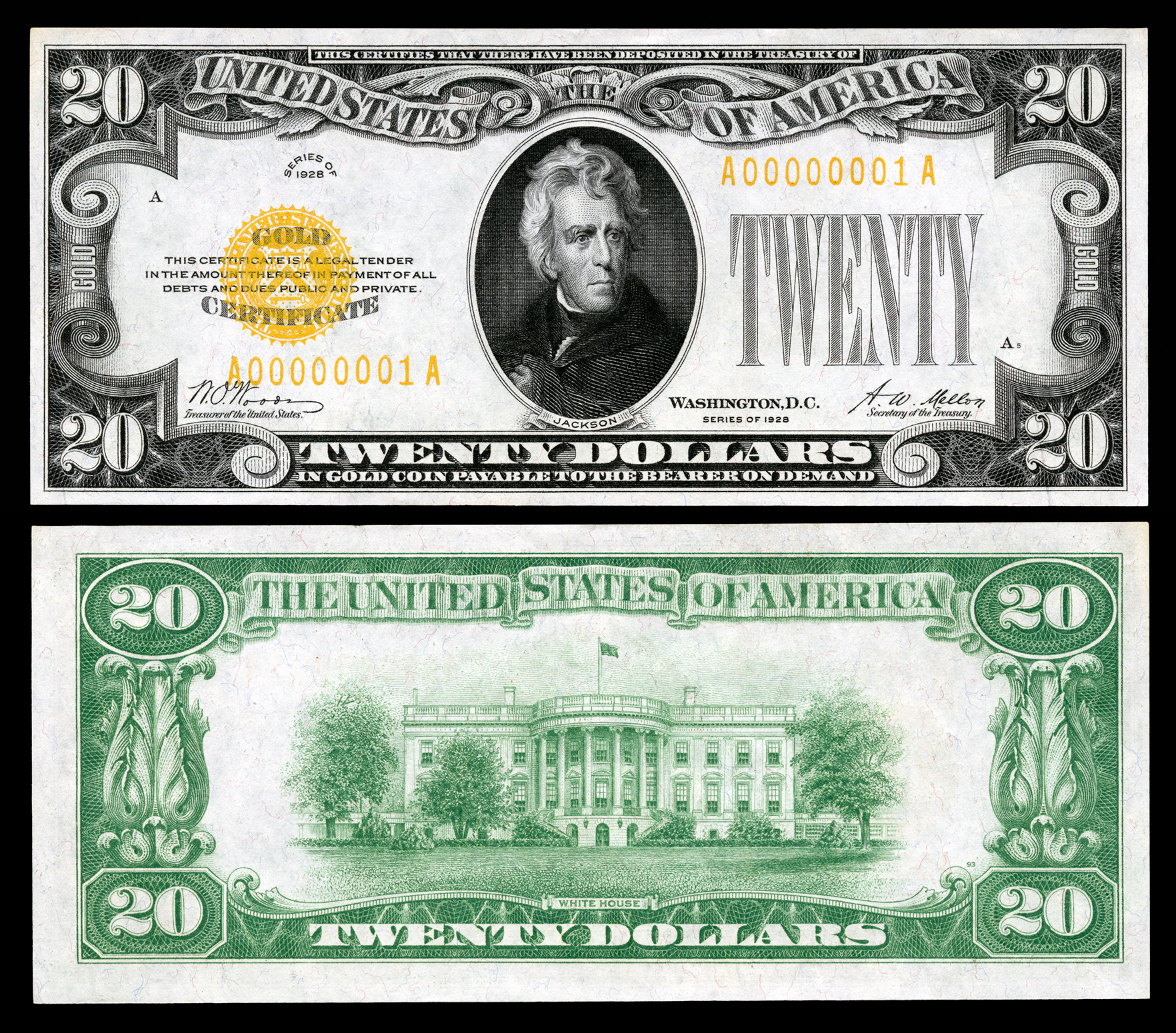
When grading Gold Certificates, most collectors focus on folds and centering, but seasoned numismatists know the yellow-orange Treasury seal tells the real story of a note’s condition. This guide breaks down exactly why seal color dominates the grading conversation and how to evaluate it like a professional.

Read More →
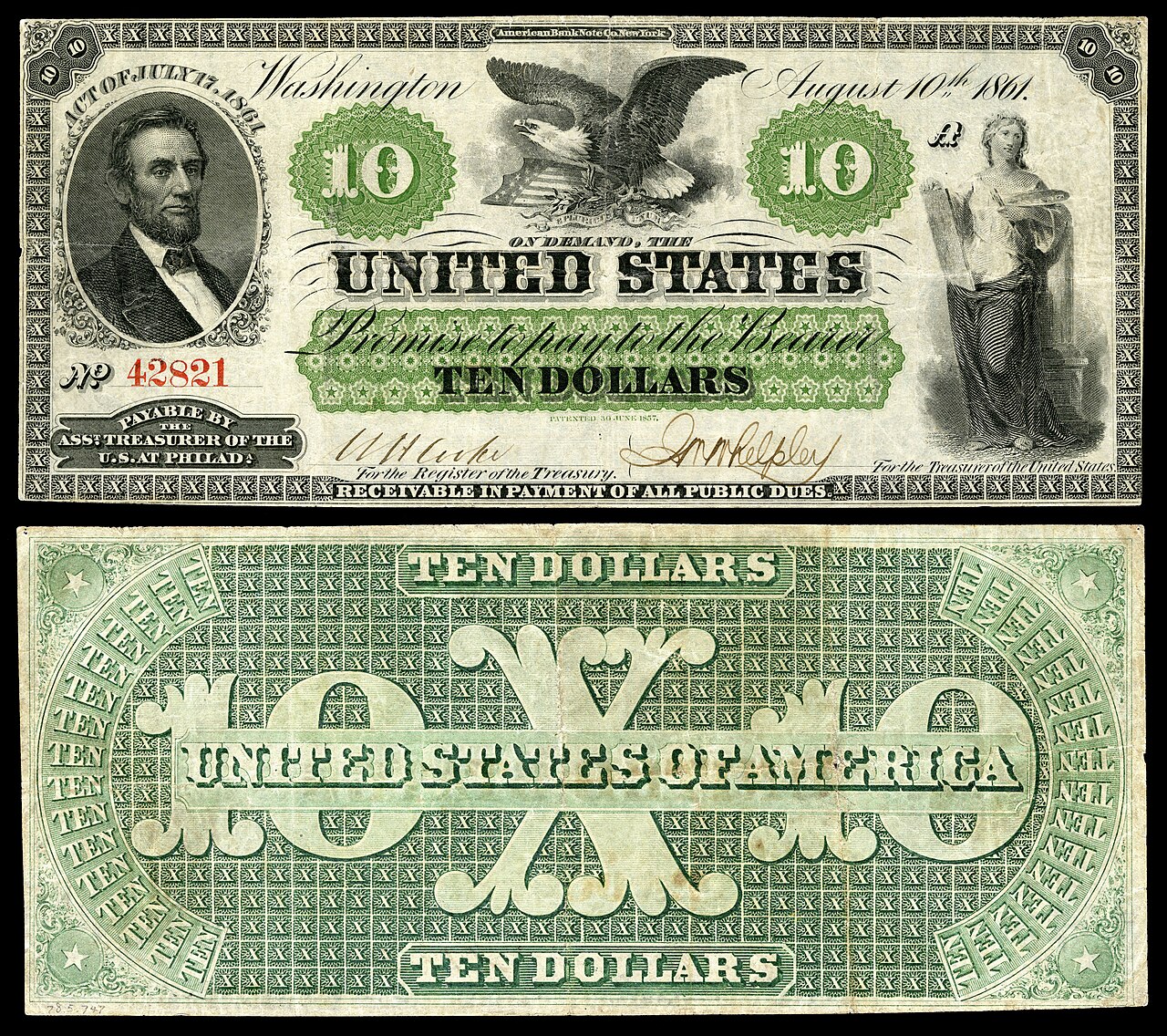
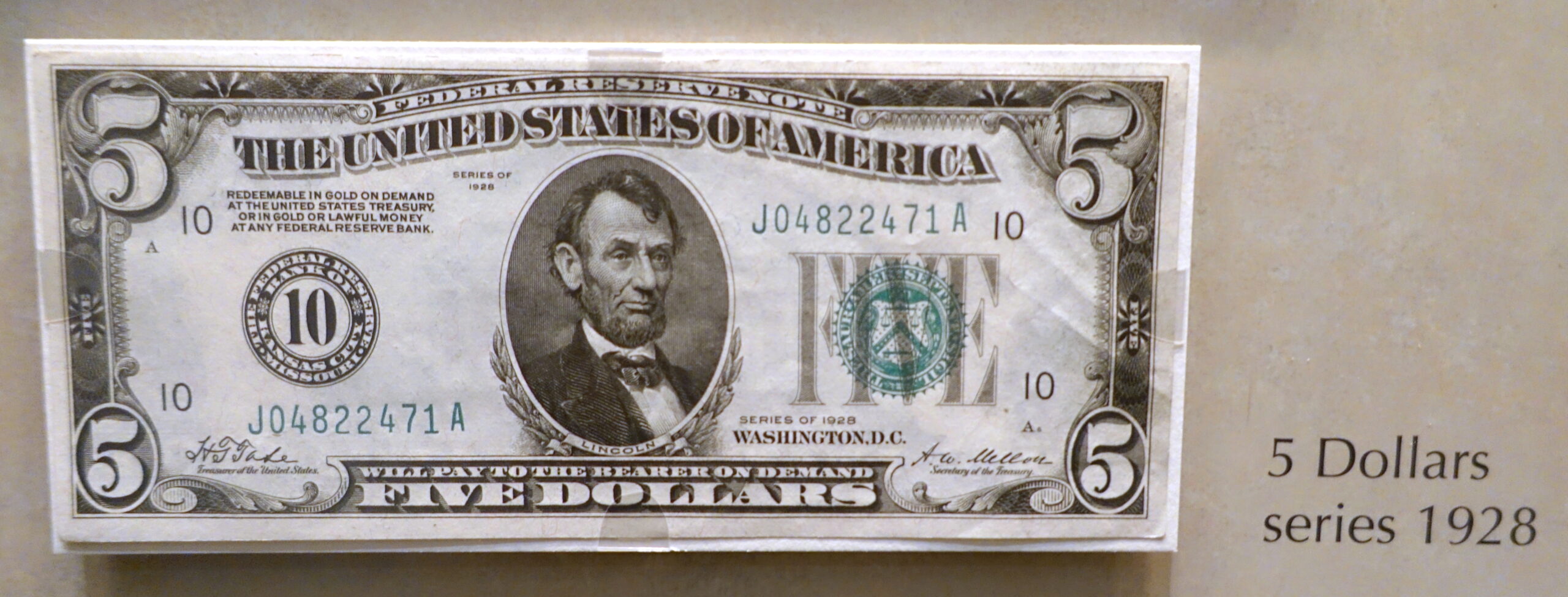
Grading Demand Notes of 1861: Why Even Good-4 Examples Are Trophy Notes and What Condition Standards Apply to America’s Oldest Federal Currency

The Demand Notes of 1861 represent the very first paper money issued by the United States federal government, and their grading standards are unlike almost anything else in American numismatics. Understanding why a tattered Good-4 example commands thousands of dollars, and how professional graders approach these fragile survivors, is essential knowledge for any serious collector.

Read More →

Centering Standards for Small-Size Federal Reserve Notes: How PMG and PCGS Measure Margins and When Centering Caps a Grade

Centering is one of the most misunderstood grading criteria in paper money collecting, yet it can be the single factor that drops a crisp, bright note from a 67 to a 63. This guide breaks down exactly how PMG and PCGS Currency measure margins on small-size Federal Reserve Notes, which series are notorious for poor centering, and how savvy collectors can use this knowledge to find undervalued gems.

Read More →

The Importance of Margins in Currency Grading: How Centering Affects PMG and PCGS Scores

Centering and margins can make or break a currency grade, turning a potential gem into a problem note before an expert ever checks for folds. Understanding how PMG and PCGS evaluate margins gives collectors a critical edge when buying, selling, or submitting notes for grading.

Read More →

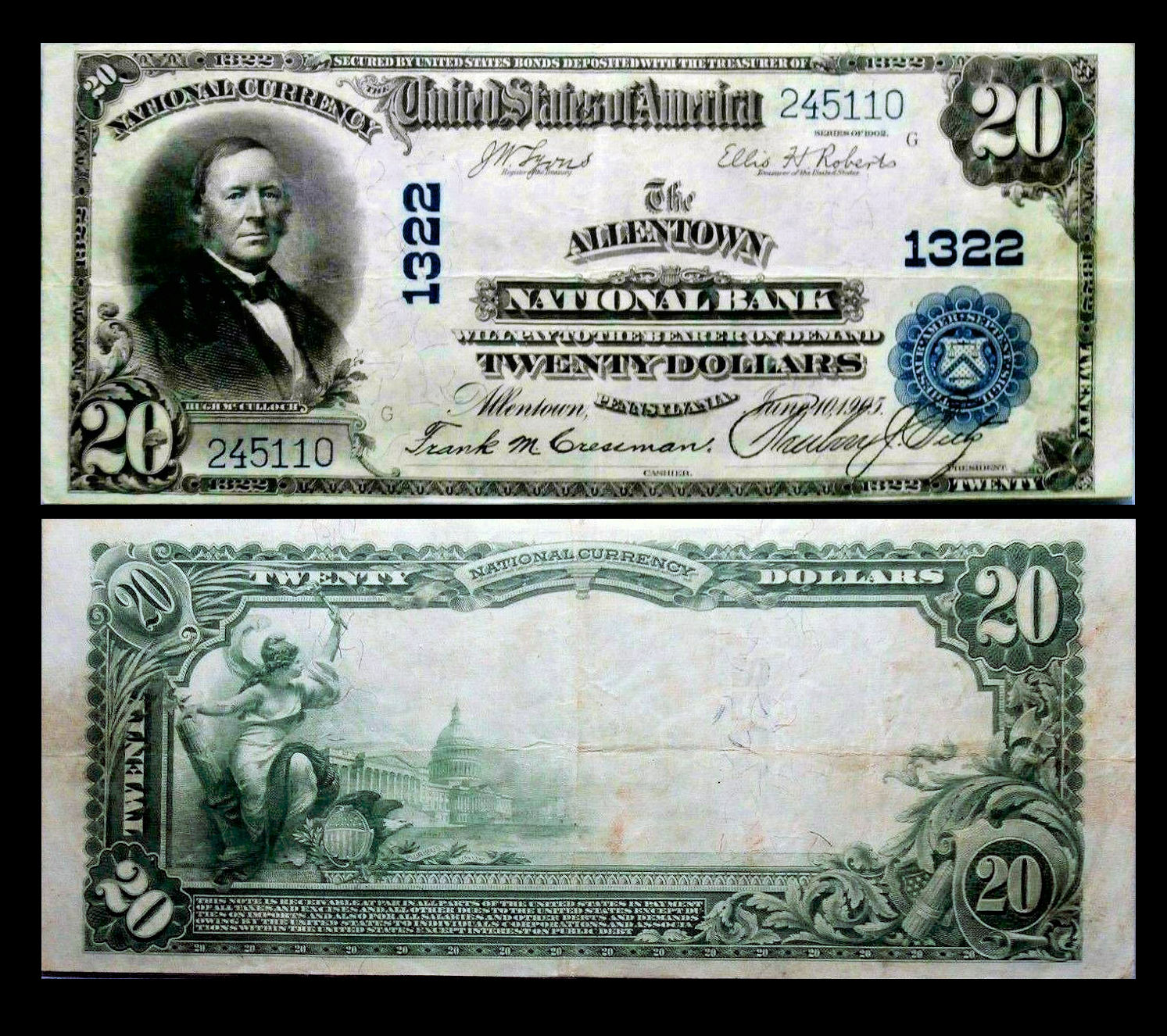
Grading National Bank Notes: Why the Issuing Bank Creates a Separate Value Tier Beyond Condition

When it comes to National Bank Notes, condition alone tells only half the story. The rarity of the issuing bank can transform a well-worn Fine-12 note into a trophy piece worth multiples of its Uncirculated counterpart from a common charter.

Read More →

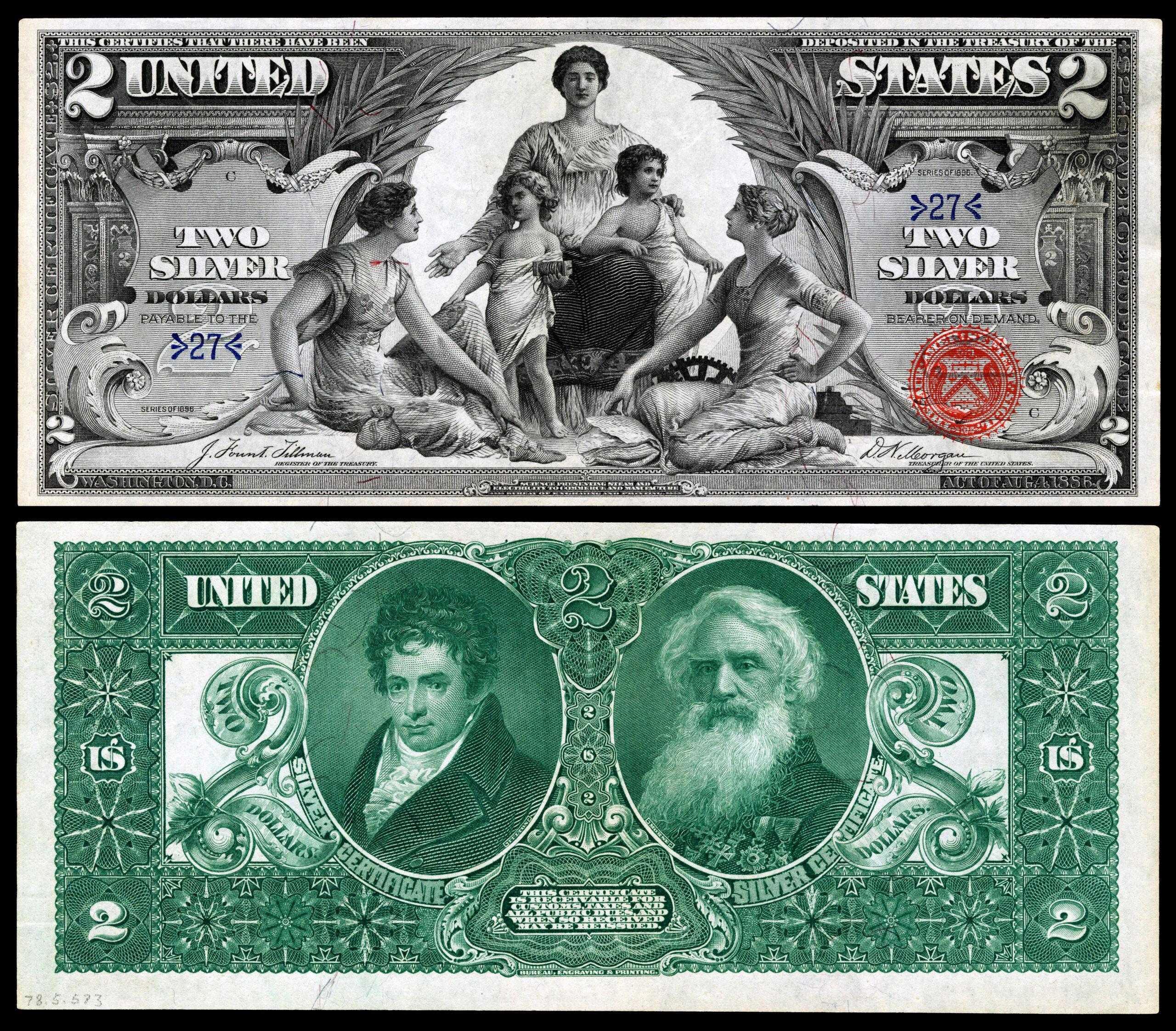
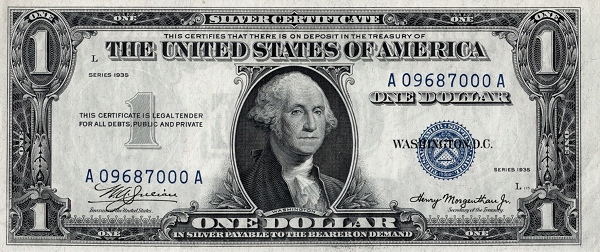
Grading Silver Certificates by Seal Color Intensity: How Faded Blue Seals Affect PMG and PCGS Scores on 1935 and 1957 Series Notes

The vivid blue Treasury seal on Silver Certificates is one of the first things graders examine, and even subtle fading can drop a note one or two full grade points. This guide breaks down exactly how PMG and PCGS Currency evaluate seal color on 1935 and 1957 series notes, with practical advice for collectors chasing high-grade examples.

Read More →

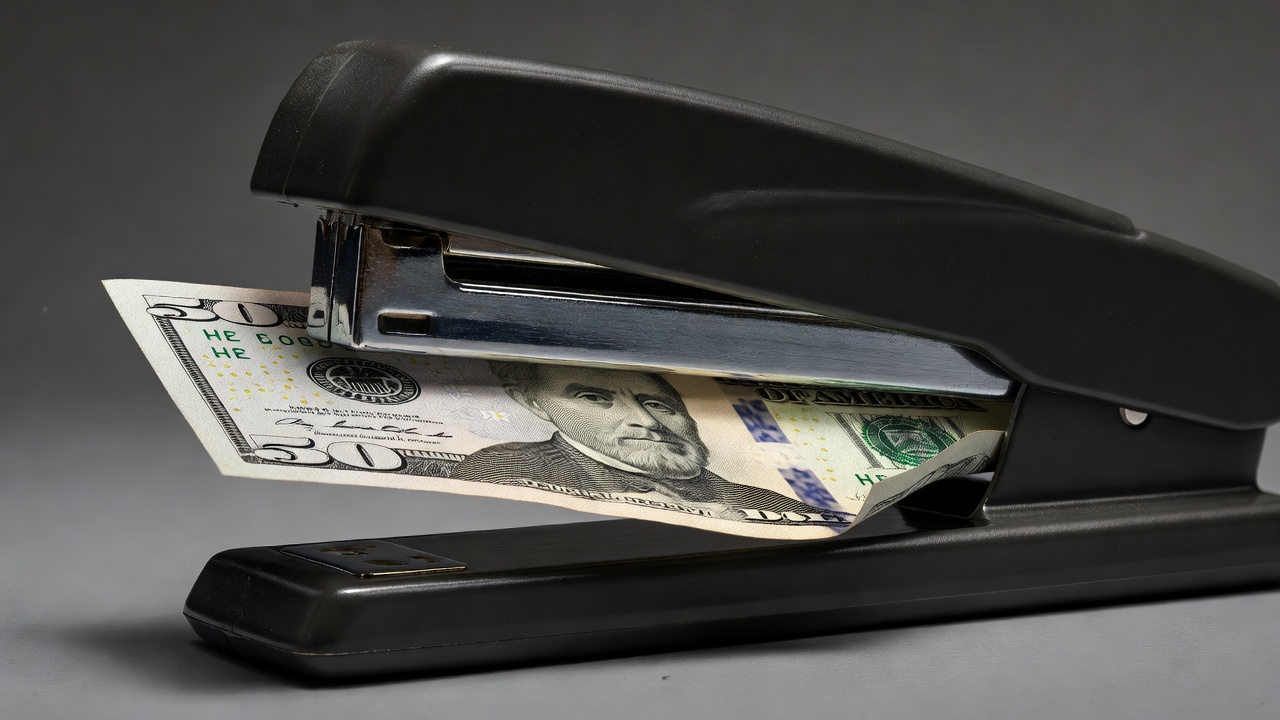
Staple Holes and Currency Grading: What PMG and PCGS Really Think About Those Tiny Punctures

Staple holes are among the most misunderstood defects in paper money grading, capable of dropping a visually crisp note several grade points depending on their number and placement. This guide breaks down exactly how PMG and PCGS Currency evaluate staple damage, where location matters most, and what collectors should know before buying or submitting a note.

Read More →

Handling Damage vs. Circulation Wear: How Graders Distinguish Between the Two Types of Impairment

Not all impairment on a banknote tells the same story, and experienced graders know exactly how to read the difference between a note that spent years in a cash drawer and one that was mishandled by a single careless collector. Understanding this distinction can mean the difference between a note graded Fine-15 and one that earns a damaging details qualifier that follows it forever.

Read More →

Gem Uncirculated 65 EPQ: What the Exceptional Paper Quality Designation Really Means

The EPQ designation from PCGS Currency and PMG can add significant value to a graded banknote, but few collectors fully understand what examiners are actually looking for. This guide breaks down the technical criteria, explains how EPQ affects market premiums, and shows you how to develop the eye for paper quality before you submit.

Read More →

The Fine-12 Grade for Civil War Era Currency: Why a Well-Worn Demand Note in F-12 Can Be a Trophy Acquisition

A Demand Note graded Fine-12 tells a story that pristine Uncirculated examples simply cannot: it passed through hands during the darkest and most transformative years in American history. Understanding why F-12 represents a genuine trophy grade for this series can reshape how collectors approach one of the rarest and most historically significant note types ever issued by the United States government.

Read More →