US Notes

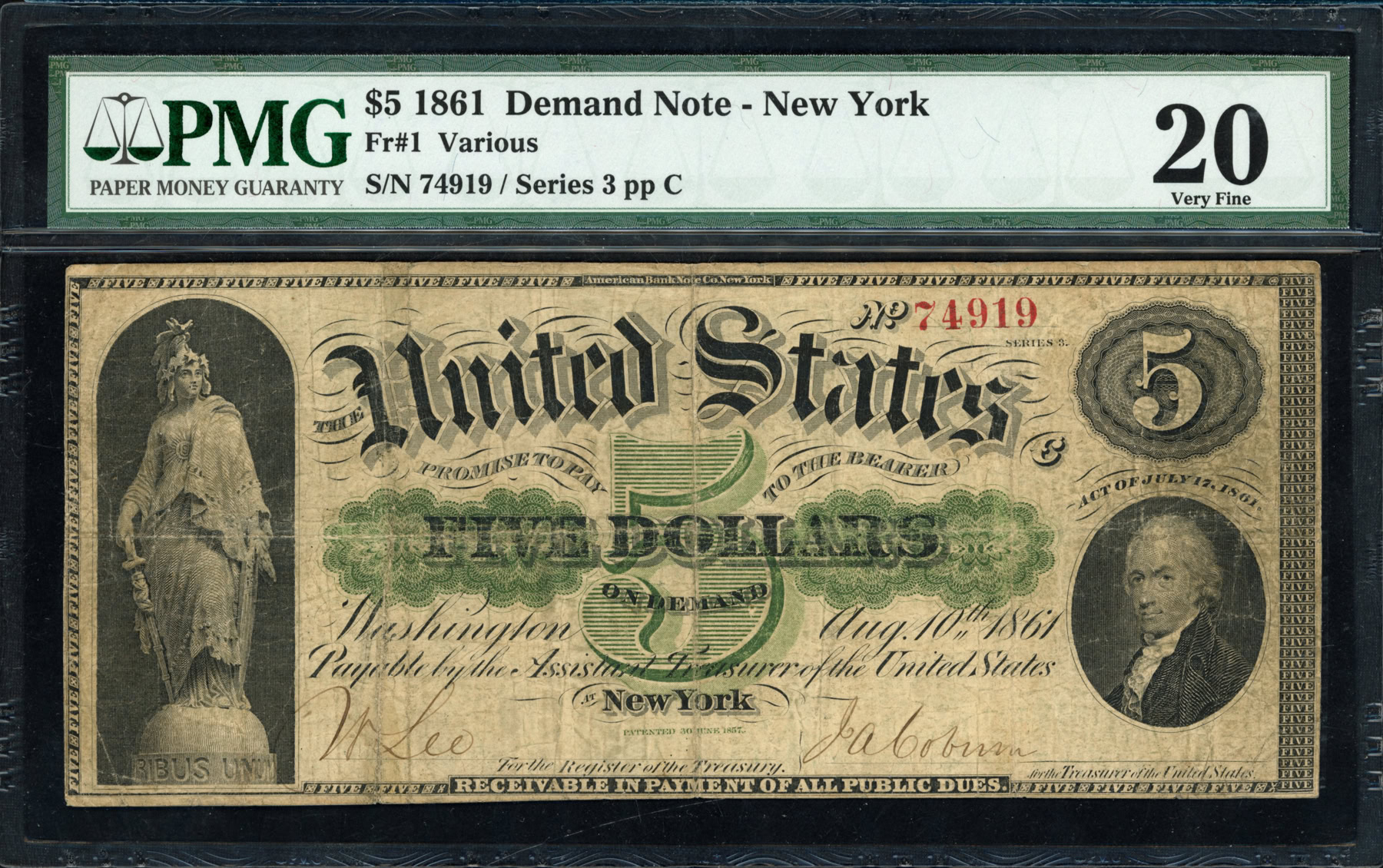
Grading Demand Notes of 1861: Why Even Good-4 Examples Are Trophy Notes and What Condition Standards Apply to America’s Oldest Federal Currency
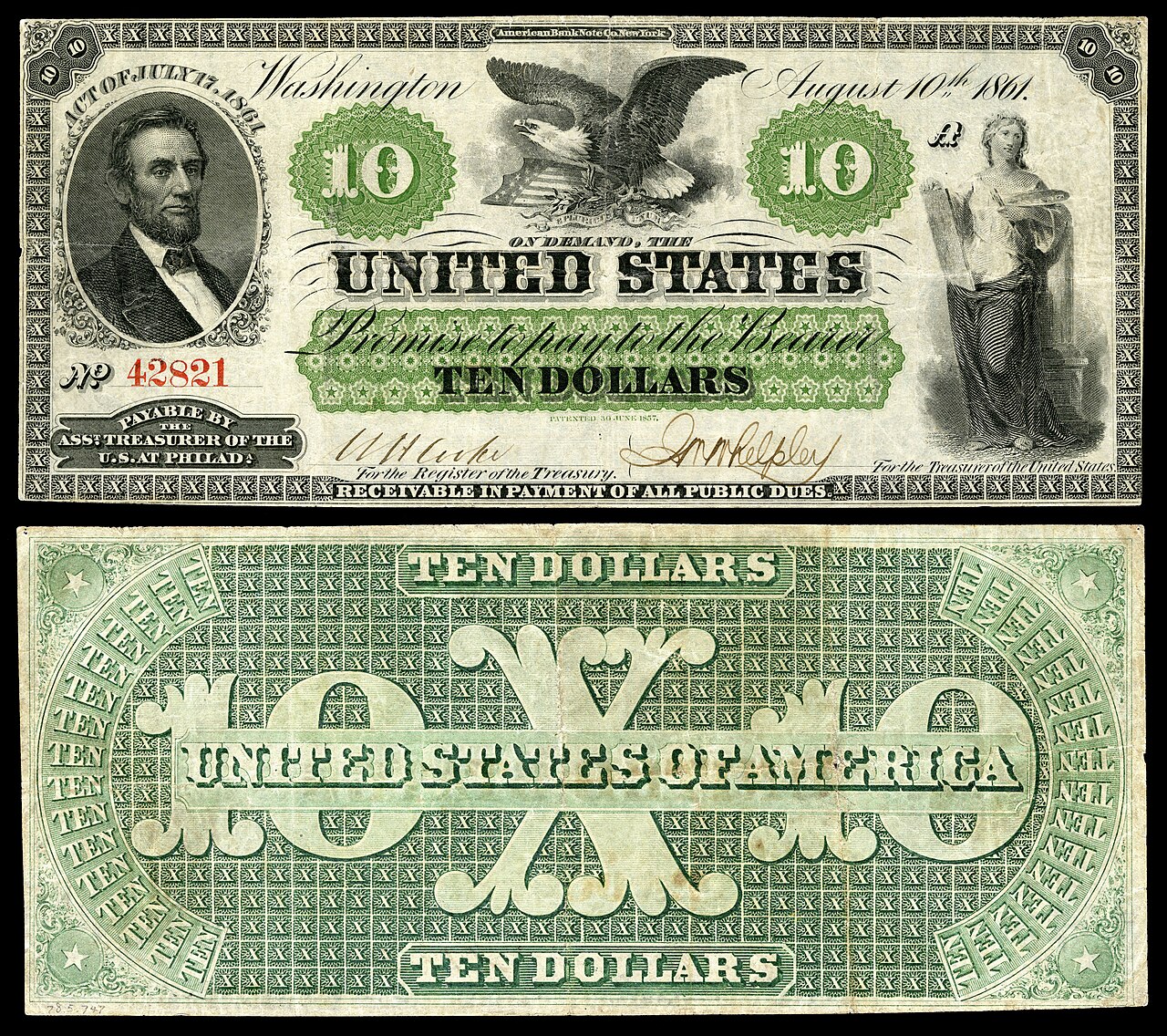
The Demand Notes of 1861 represent the very first paper money issued by the United States federal government, and their grading standards are unlike almost anything else in American numismatics. Understanding why a tattered Good-4 example commands thousands of dollars, and how professional graders approach these fragile survivors, is essential knowledge for any serious collector.

Read More →
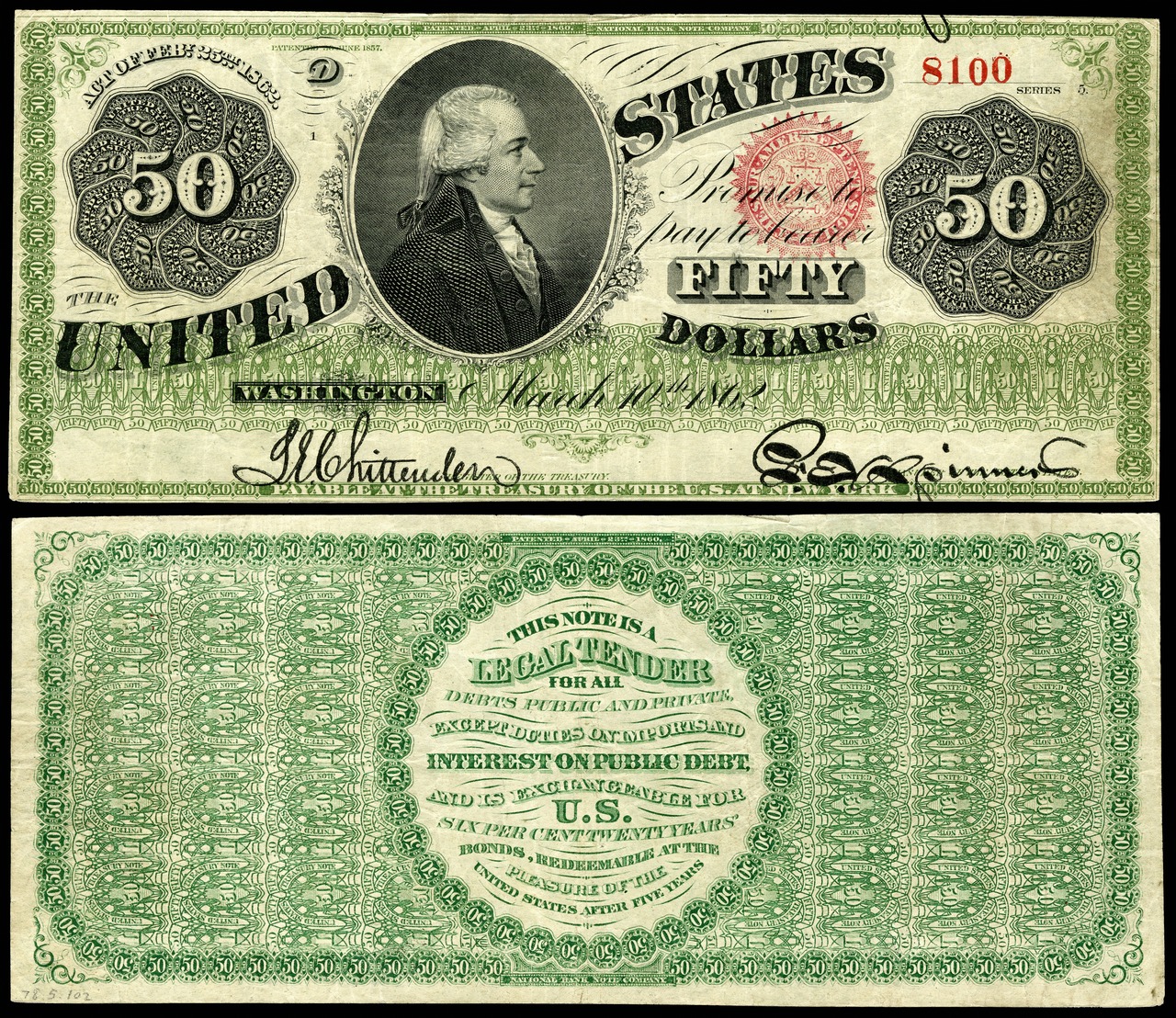
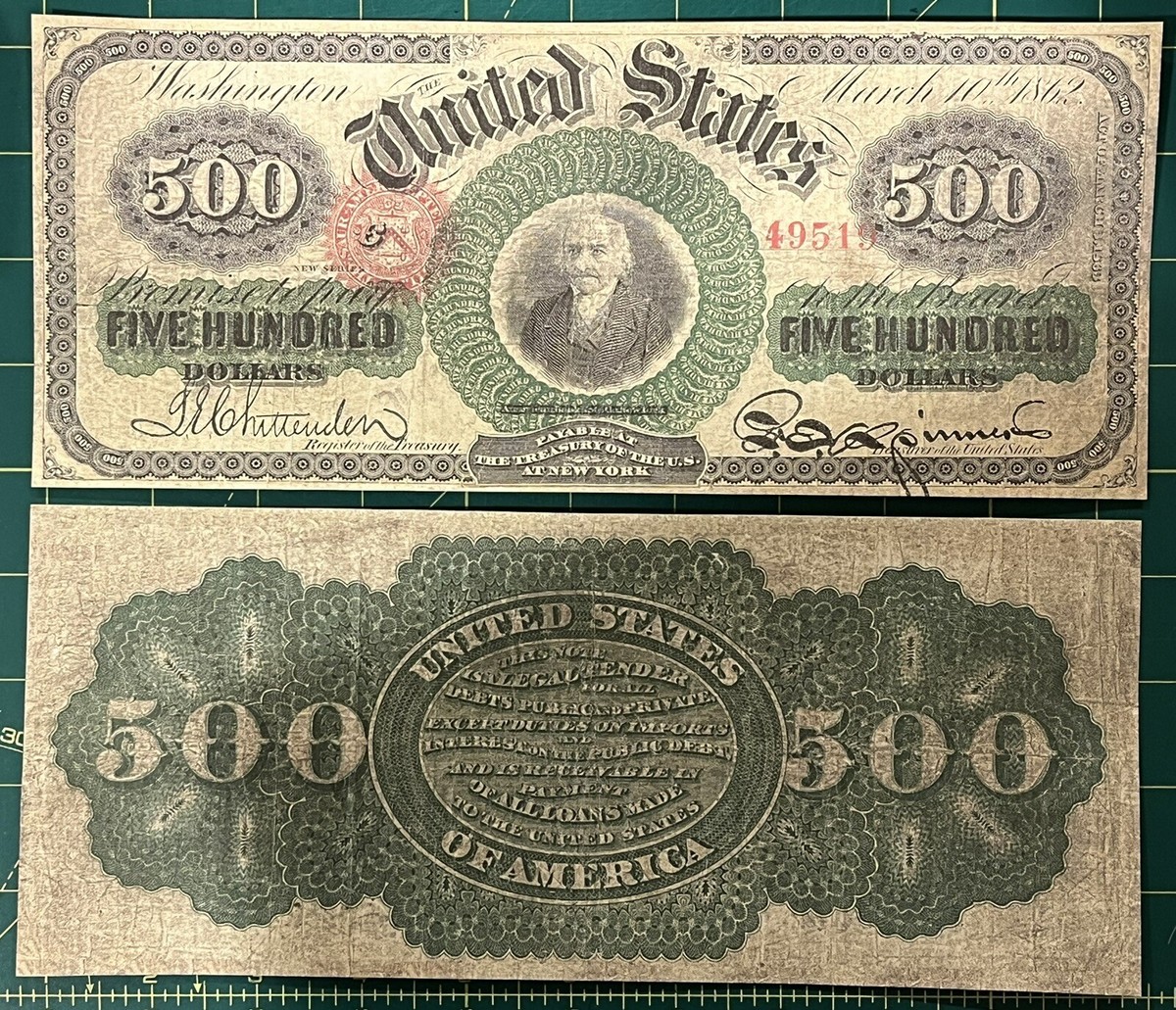
The Series 1863 $50 United States Note: Alexander Hamilton Legal Tender Giants and What Circulated Examples Are Worth

The Series 1863 $50 United States Note stands among the most historically charged pieces of American paper money, issued during the Civil War era when the nation’s financial future hung in genuine doubt. Learn how to identify authentic examples, understand the signature combinations and seal varieties that drive value, and discover what circulated survivors realistically fetch at auction today.

Read More →

The Coinage Act of 1857 and the End of Foreign Coin Legal Tender: How It Redirected Demand to Paper Money

The Coinage Act of 1857 was a turning point that stripped foreign coins of their legal tender status in the United States, forcing Americans to rethink how they conducted everyday commerce. Understanding this legislative shift reveals why demand for domestic paper currency surged in the years immediately before the Civil War.

Read More →

The Fine-12 Grade for Civil War Era Currency: Why a Well-Worn Demand Note in F-12 Can Be a Trophy Acquisition

A Demand Note graded Fine-12 tells a story that pristine Uncirculated examples simply cannot: it passed through hands during the darkest and most transformative years in American history. Understanding why F-12 represents a genuine trophy grade for this series can reshape how collectors approach one of the rarest and most historically significant note types ever issued by the United States government.

Read More →

Greenbacks: How Abraham Lincoln Financed the Civil War with Legal Tender Notes

When the Union treasury ran dry in 1861, Abraham Lincoln and Congress made a radical financial gamble: printing paper money backed by nothing but the full faith of the federal government. The Demand Notes and Legal Tender Notes that followed changed American currency forever, and the surviving examples rank among the most historically significant collectibles in all of numismatics.

Read More →

The Spread Eagle Vignette on 1860s United States Notes: How the BEP’s Master Engravers Depicted American Power

The fierce spread eagle vignettes gracing 1860s United States Notes were not mere decoration but carefully engineered symbols of national sovereignty, executed by some of the finest steel engravers the country ever produced. Understanding who carved these images, how they evolved across denominations, and what distinguishes the finest examples makes these Civil War-era notes among the most compelling pieces in American numismatic history.

Read More →

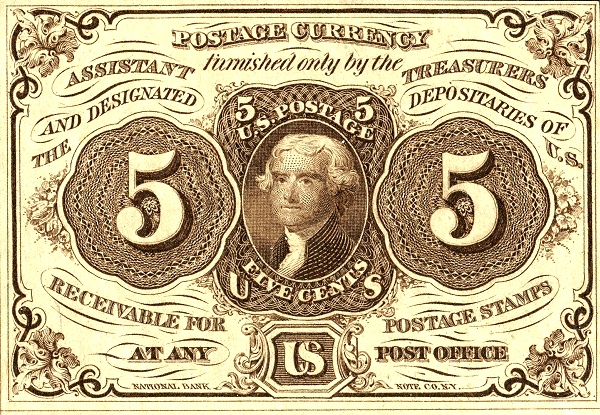
The Allegorical Figure of Victory on Fractional Currency: Military Iconography on Civil War Small-Change Notes

During the Civil War, the Union government printed fractional currency notes adorned with allegorical figures and military symbols that transformed everyday small change into miniature works of patriotic art. This guide examines the specific iconographic choices, printing details, and collecting nuances of these remarkable wartime issues.

Read More →

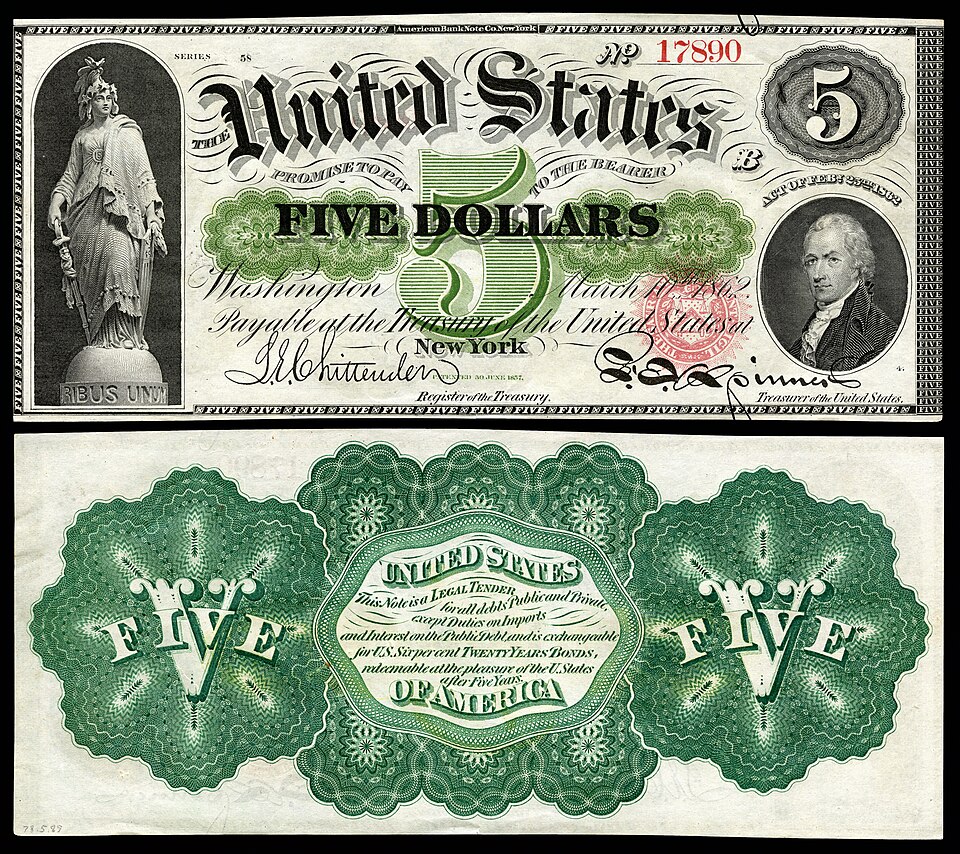
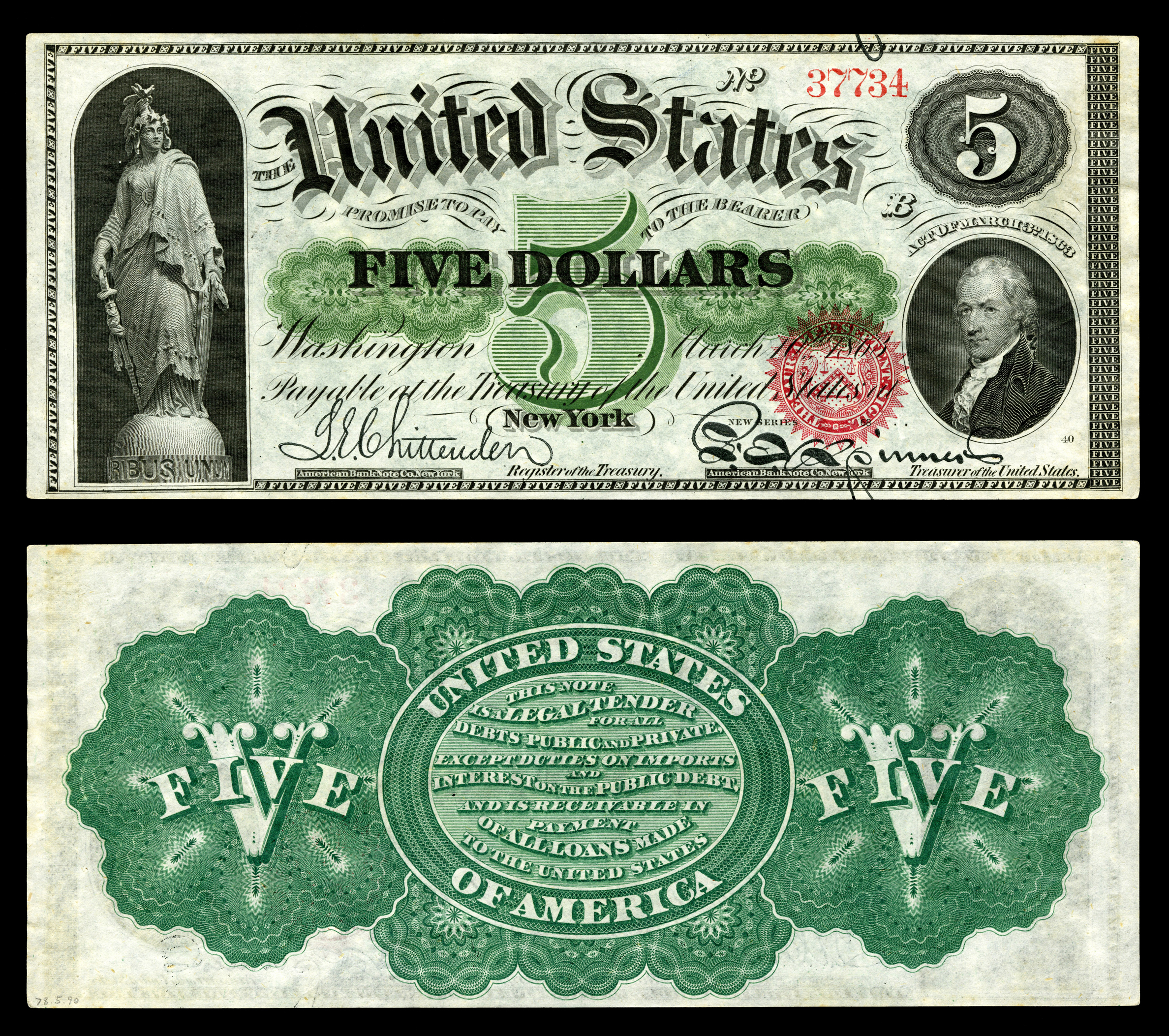
United States Notes: Red Seal Issues from 1862 to 1966 and What Survives Today

From the first Legal Tender Acts of the Civil War era to the final small-size red seals retired in 1971, United States Notes represent over a century of American monetary history unlike any other currency class. This deep dive covers every major series, key rarities, survival populations, and what collectors should know before pursuing these iconic red-seal notes.

Read More →

The Counterfeit Currency Crisis of 1862: Why the First Legal Tender Notes Were Already Being Faked Within Weeks of Issue

When the United States issued its first Legal Tender Notes in February 1862, counterfeiters were already at work before the ink had dried on the genuine articles. This deep-dive into the chaotic early days of federal paper money reveals how a desperate wartime government scrambled to protect a currency that was, by modern standards, shockingly easy to fake.

Read More →

The Ornate Scrollwork Border Design of the 1863 United States Notes: How Geometric Lathe Work Outsmarted Counterfeiters Before the Camera Age

The intricate spirograph-like borders printed on 1863 United States Notes were not merely decorative flourishes — they were the era’s most sophisticated anti-counterfeiting technology, produced by machines that could generate mathematically precise curves no engraver’s hand could replicate. Understanding how geometric lathe work shaped these notes gives collectors a deeper appreciation for what makes early Legal Tender issues so visually compelling and historically significant.

Read More →