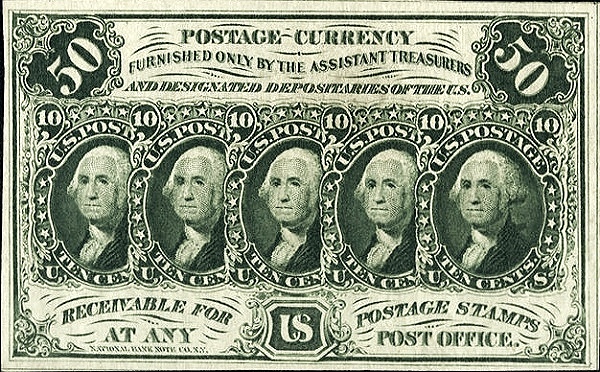
US Notes

Jay Cooke and the Civil War Bond Revolution: How a Philadelphia Banker Turned Treasury Notes into a Mass Market Phenomenon
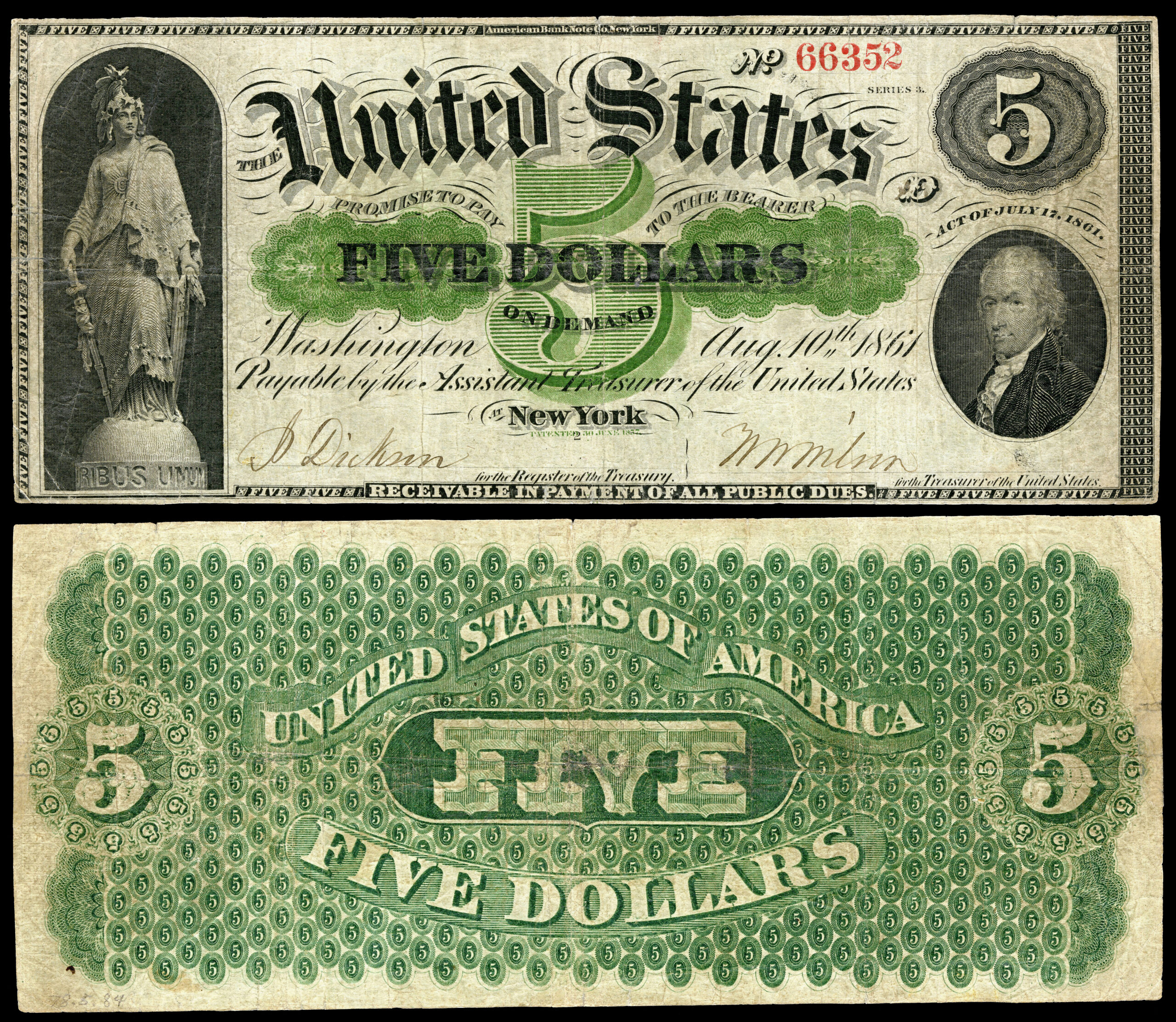
Jay Cooke’s 1861-1865 campaign to sell Union war bonds transformed the relationship between ordinary Americans and federal paper money forever. Understanding this financial revolution is essential for collectors who want to grasp why certain Civil War-era Treasury notes carry the marks, signatures, and printing characteristics they do.

Read More →
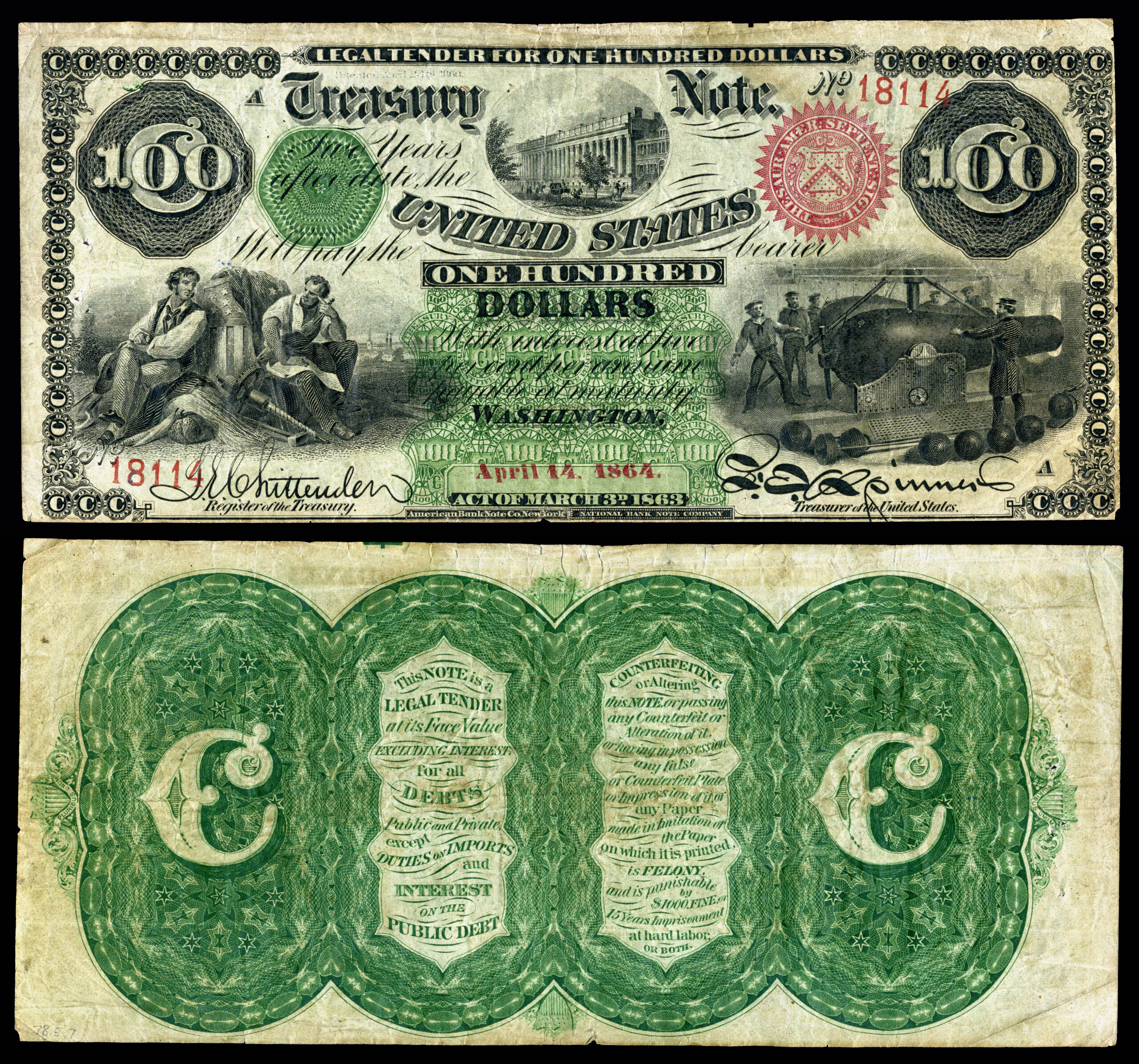
William Fessenden’s Forgotten Legacy: How Lincoln’s Second Treasury Secretary Reshaped American Currency in 1864

When Salmon Chase resigned in June 1864, Maine senator William Pitt Fessenden inherited a Treasury in crisis and quietly engineered currency reforms that collectors still encounter today. Understanding his brief but consequential tenure unlocks the story behind some of the most historically significant Civil War-era notes in American numismatics.

Read More →

The Mortar Firing at Fort Moultrie Vignette on 1860s Currency: Military Scenes in Wartime American Banknote Design

During the Civil War era, American banknote engravers drew on patriotic military imagery to inspire public confidence in paper currency, and few vignettes capture that spirit more vividly than the mortar-firing scene tied to Fort Moultrie. This deep dive explores the history, catalog specifics, and collecting significance of military imagery on 1860s American paper money.

Read More →

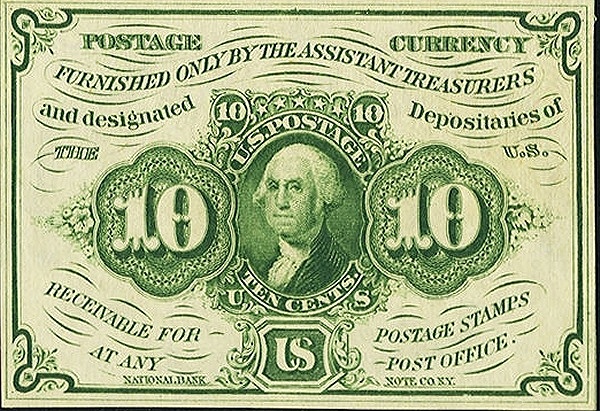
The Phrygian Cap on Fractional Currency: Revolutionary Symbolism on Civil War Small Change

The tiny Phrygian cap printed on Civil War-era fractional currency carried centuries of revolutionary meaning into the pockets of everyday Americans. This guide unpacks the history, varieties, and collector value of these remarkable small-denomination notes.

Read More →

Confederate Currency: Why It Failed and What Collectors Look for Today

The Confederate States of America printed over $1.7 billion in paper currency between 1861 and 1865, creating one of history’s most dramatic monetary collapses. This guide explores the economic forces that doomed Confederate notes and explains exactly what serious collectors look for when building a meaningful collection today.

Read More →

Salmon Chase’s Audacious Self-Portrait: How the Treasury Secretary Put His Own Face on the 1861 $1 Demand Note and Sparked a Congressional Firestorm

In 1861, Treasury Secretary Salmon P. Chase made the unprecedented decision to place his own likeness on the first federally issued paper currency in American history, the $1 Demand Note. The political fallout was immediate and lasting, and today these notes rank among the most historically significant and collectible pieces in all of United States numismatics.

Read More →

Demand Notes of 1861: America’s First Federal Paper Currency

The Demand Notes of 1861 represent a pivotal moment in American financial history, marking the federal government’s first foray into paper currency during the Civil War crisis. For collectors, these rare and storied notes offer a tangible connection to the birth of the modern American monetary system.

Read More →

The Secret Service’s First Currency Counterfeiting Arrests: The 1865 Cases That Justified the Agency’s Creation

When the Secret Service made its first counterfeiting arrests in the autumn of 1865, it targeted a national crisis that had rendered roughly one-third of all circulating paper currency suspect. Understanding these founding cases gives collectors crucial context for authenticating and valuing Civil War-era fractional and Legal Tender notes.

Read More →

Interest Bearing Notes of the Civil War Era: Seven-Thirty Treasury Notes Explained

The Seven-Thirty Treasury Notes of the 1860s represent one of the most fascinating and underappreciated chapters in American fiscal history, combining the functions of currency and investment instrument at a moment of national crisis. This guide breaks down every issue, signature combination, and collecting nuance so you can confidently pursue these remarkable Civil War relics.

Read More →

Grading Fractional Currency: Why Centering, Margins, and Embossing Determine Everything in These Tiny Notes

Fractional currency grading is one of the most nuanced disciplines in American paper money collecting, where a millimeter of margin or the depth of a security impression can swing a note’s value by hundreds of dollars. This guide breaks down exactly what PCGS, PMG, and experienced collectors look for when evaluating these Civil War-era miniatures.

Read More →