US Notes

Series 1882 $50 National Bank Note Brown Back: Surviving Examples by State and What Prices Look Like in Fine
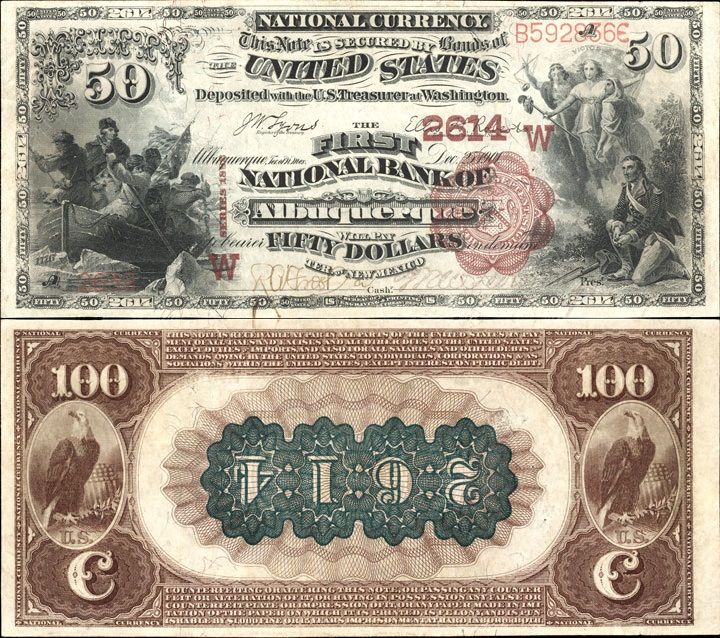
The Series 1882 $50 Brown Back National Bank Note is one of the most geographically diverse and historically compelling large-size notes in American currency, issued by hundreds of banks across dozens of states during a pivotal era of national banking. This guide breaks down surviving census populations by state, signature combinations, and what collectors should realistically expect to pay for a Fine-grade example today.

Read More →
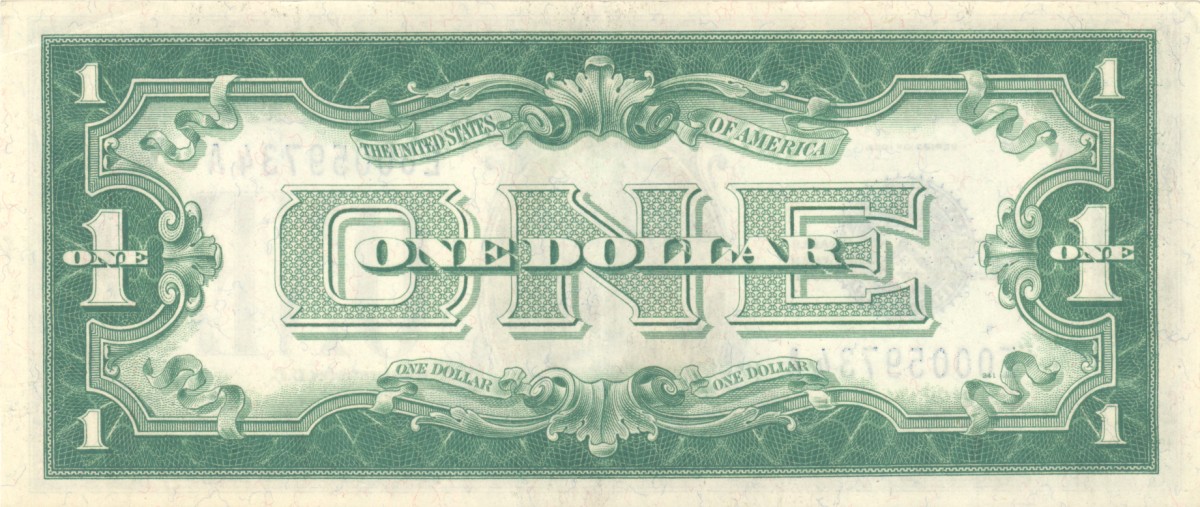
Legal Tender Notes Series 1923: The Last Large-Size $1 Red Seals

The Series 1923 $1 Legal Tender Note holds a bittersweet distinction as the final large-size one-dollar bill ever produced by the United States government. For collectors, this graceful swan song of the large-size era combines historical significance, striking red seal artistry, and a fascinating range of signature varieties that make it one of the most rewarding series to pursue.

Read More →

Numerical Block Letters and Suffix Letters on Small-Size Notes: How Serial Number Systems Changed Over Time

The serial number system on small-size U.S. currency is far more than a simple tracking code, it encodes production history, printing runs, and collecting significance into every note. Understanding how prefix and suffix letters evolved from 1928 to the present unlocks a new layer of knowledge for any serious collector.

Read More →

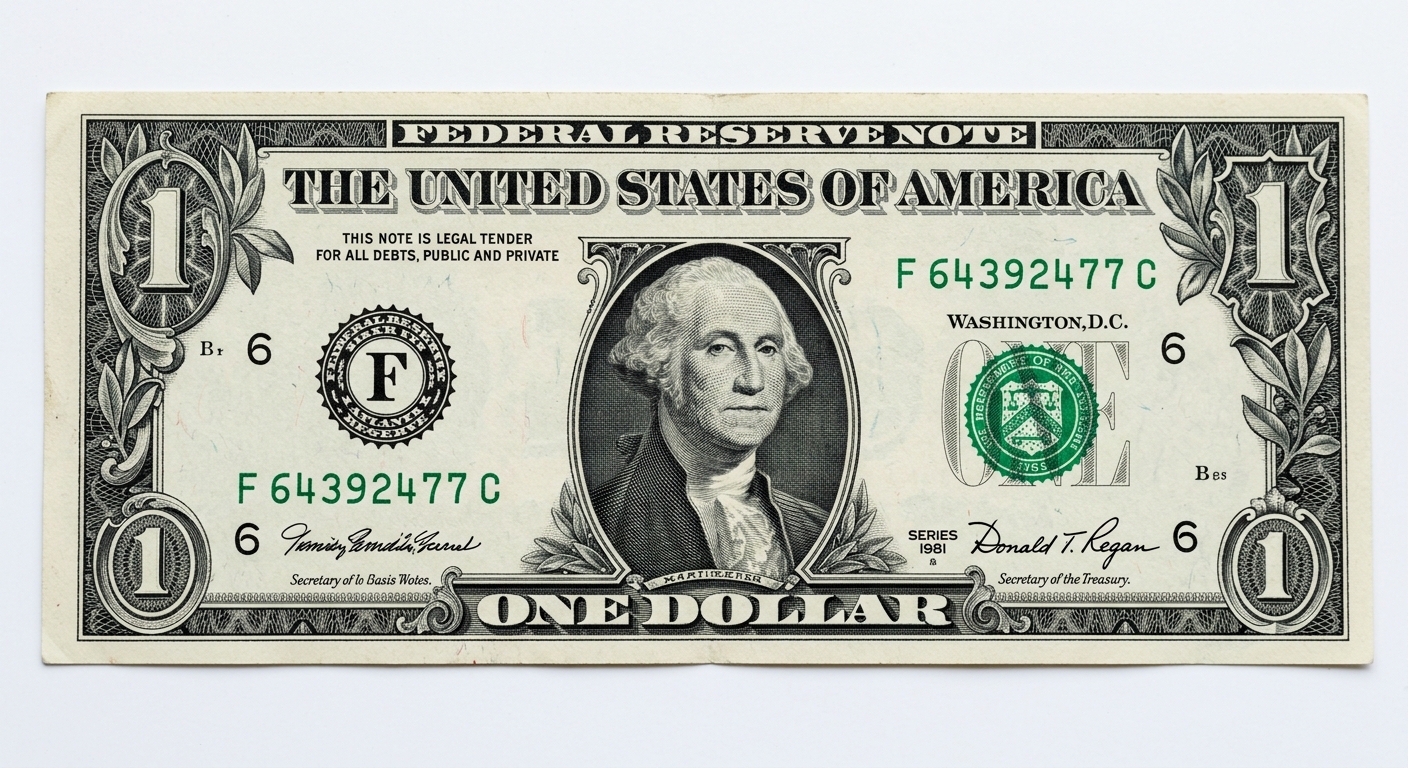
Series 1981 $1 Federal Reserve Note Varieties: The Subtle Plate and Seal Changes That Separate Early from Late Printings

The Series 1981 $1 Federal Reserve Note looks deceptively uniform at first glance, but careful examination reveals meaningful differences in Treasury seal size, plate letter positions, and FRB district printings that separate scarce early runs from common later issues. Understanding these varieties can transform an overlooked pocket change find into a genuine numismatic discovery.

Read More →

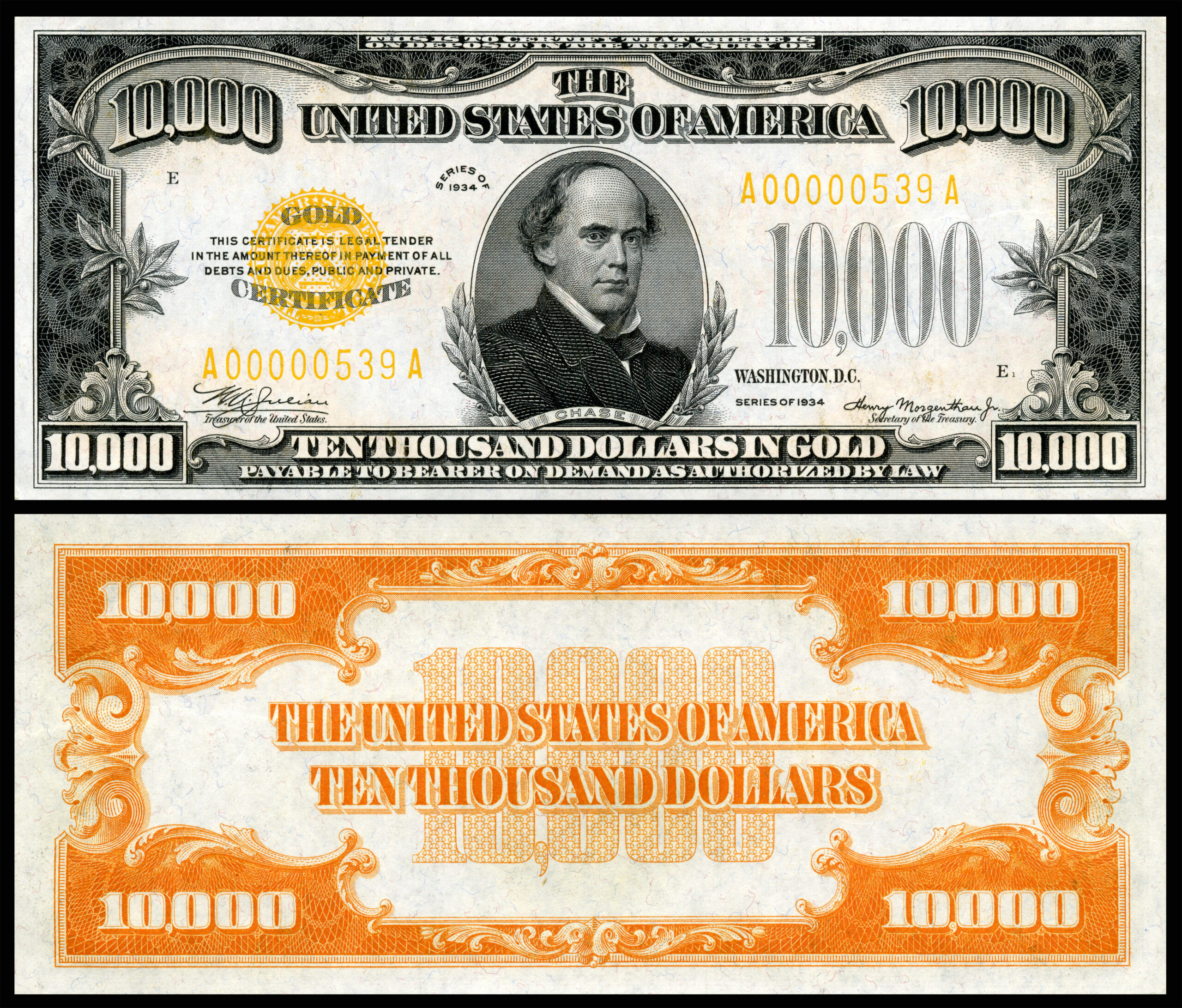
Why the Fed Stopped Printing $500 and $1000 Bills in 1969: Nixon, Organized Crime, and the Death of High-Denomination Currency

In 1969, the Federal Reserve quietly pulled the plug on $500, $1,000, $5,000, and $10,000 notes, citing declining use and their role in facilitating organized crime. For collectors today, these survivors represent some of the most dramatic and historically loaded pieces of American paper money ever issued.

Read More →

The BEP’s 1929 Currency Reduction Program: Why America Switched from Large to Small-Size Notes

In 1929, the Bureau of Engraving and Printing executed one of the most sweeping transformations in American monetary history, shrinking paper currency by roughly 25 percent and standardizing its design for the first time. Understanding the economics, logistics, and collecting implications of this change reveals why the 1929 transition remains one of the most consequential events in US paper money history.

Read More →

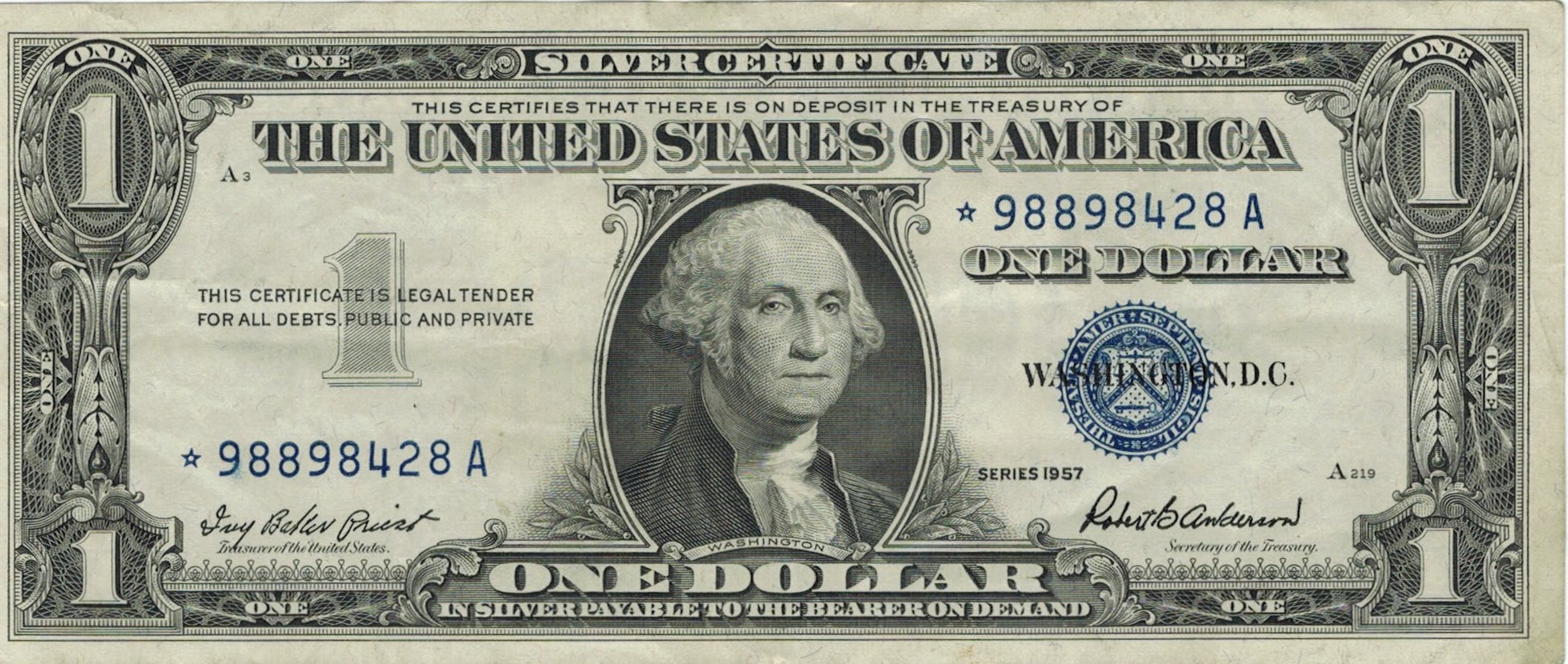
Silver Certificates Series 1957 $1: The Final Large-Run Silver Certificate and Its Star Note Varieties

The Series 1957 $1 Silver Certificate holds a unique place in American monetary history as the last denomination produced in truly massive quantities before silver certificates were phased out entirely. Understanding its sub-series, signature combinations, and elusive star note varieties can make the difference between a common find and a genuinely valuable addition to your collection.

Read More →

Handling Damage vs. Circulation Wear: How Graders Distinguish Between the Two Types of Impairment

Not all impairment on a banknote tells the same story, and experienced graders know exactly how to read the difference between a note that spent years in a cash drawer and one that was mishandled by a single careless collector. Understanding this distinction can mean the difference between a note graded Fine-15 and one that earns a damaging details qualifier that follows it forever.

Read More →

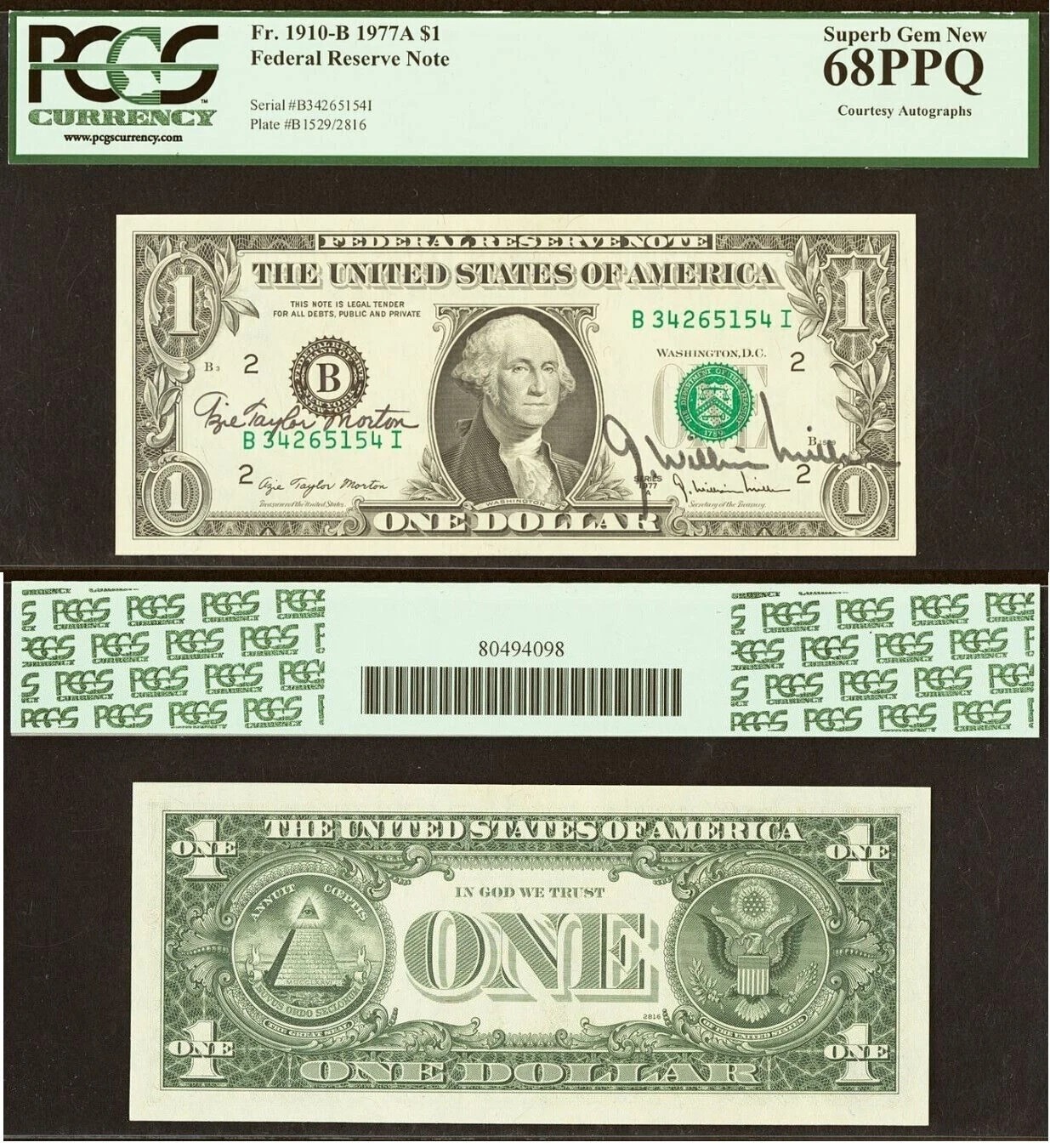
The Series 1977A $1 Federal Reserve Note: Subtle Seal and Back Plate Varieties That Separate Early from Late Production

The Series 1977A $1 Federal Reserve Note looks deceptively uniform at first glance, but early versus late production runs reveal meaningful differences in seal shade, plate numbering, and district frequency that serious collectors prize. Understanding these distinctions can transform a common dollar bill into a targeted collecting pursuit with genuine numismatic depth.

Read More →

How the Federal Reserve Seal Typography Evolved from 1914 to 1969: Letter Spacing, Weight, and the Districts That Printed Longest

The circular seal pressed onto every Federal Reserve Note tells a surprisingly detailed story about American printing history, bureaucratic change, and regional banking politics. From the heavy Gothic lettering of 1914 to the streamlined sans-serif district identifiers of 1969, collectors who learn to read these subtle typographic shifts unlock a powerful tool for dating, authenticating, and valuing their notes.

Read More →