US Notes

The Jewel Backs: How BEP Designers Used Guilloche and Ornate Counters to Make 1890 Treasury Notes the Most Beautiful Currency America Ever Printed
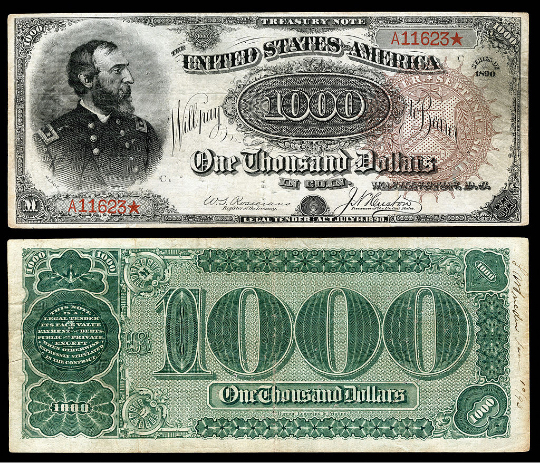
The 1890 Treasury Notes stand apart from every other series in American currency history, their reverses packed with interlocking guilloche filigree and enormous denomination counters so elaborate they earned the nickname ‘Tombstone Notes.’ Understanding what the Bureau of Engraving and Printing achieved with these designs reveals why they remain the crown jewels of 19th-century paper money collecting.

Read More →
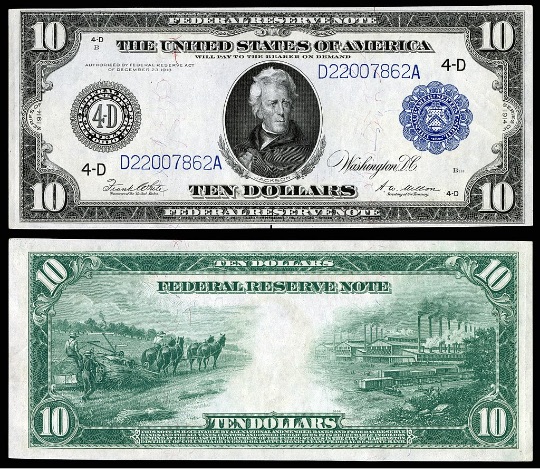
The BEP’s 1929 Currency Reduction Program: Why America Switched from Large to Small-Size Notes

In 1929, the Bureau of Engraving and Printing executed one of the most sweeping transformations in American monetary history, shrinking paper currency by roughly 25 percent and standardizing its design for the first time. Understanding the economics, logistics, and collecting implications of this change reveals why the 1929 transition remains one of the most consequential events in US paper money history.

Read More →

Manifest Destiny on Paper: How 19th Century US Currency Depicted Westward Expansion from Covered Wagons to Pacific Railroads

The Bureau of Engraving and Printing turned America’s most ambitious national narrative into finely engraved vignettes on Demand Notes, Legal Tender Notes, and National Bank Notes between the 1860s and 1890s. Understanding these images transforms ordinary 19th century currency into windows onto the ideology that shaped a continent.

Read More →

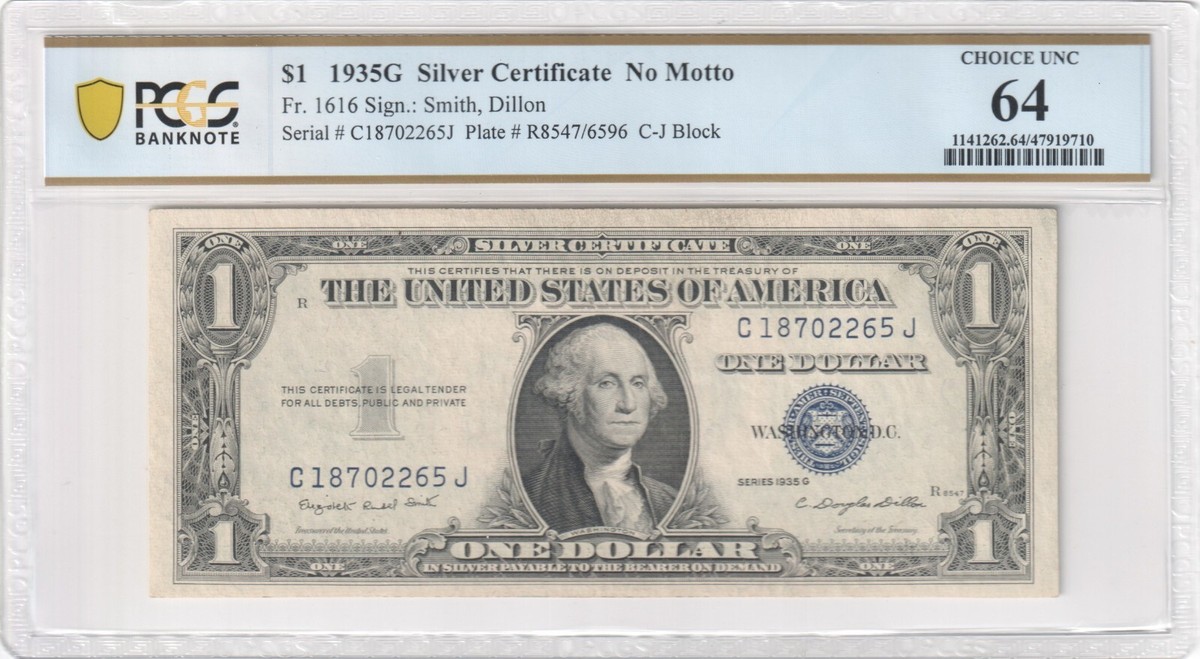
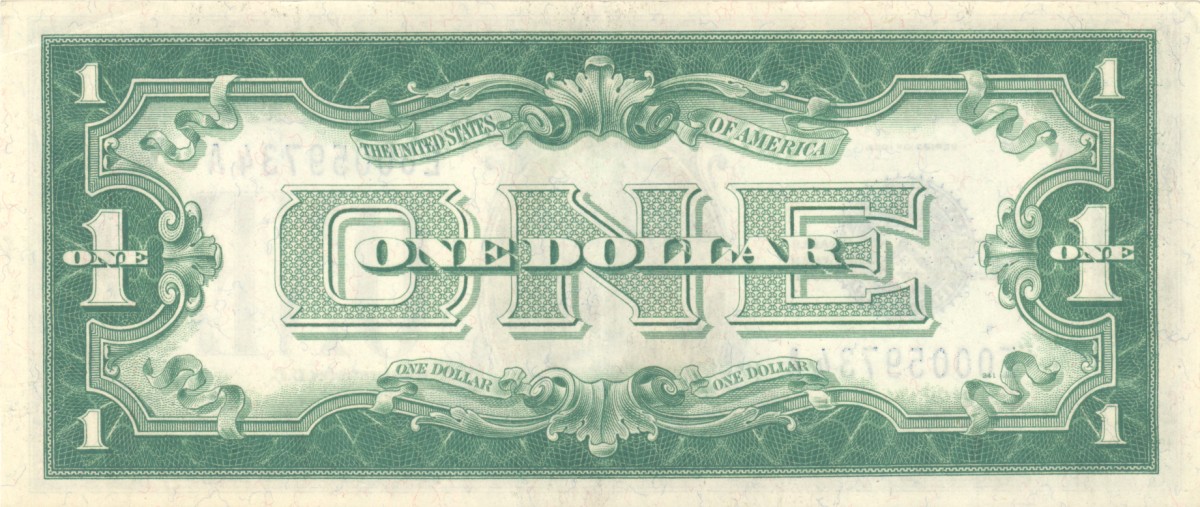
The Series 1935G $1 Silver Certificate With and Without Motto: How the ‘In God We Trust’ Addition Created Two Distinct Collectible Varieties

The Series 1935G $1 Silver Certificate exists in two fundamentally different varieties, separated by the addition of ‘In God We Trust’ to the reverse design midway through production. Understanding which variety you hold, and why the distinction matters, can mean a significant difference in both historical significance and collector value.

Read More →

Roman Numerals and Classical Lettering on US Currency: How the BEP Borrowed from Antiquity to Signal Financial Authority

The Bureau of Engraving and Printing deliberately wove Roman numerals, Latin phrases, and neoclassical typography into American banknotes to project permanence, authority, and civilizational legitimacy. Understanding these design choices deepens your appreciation of every note in your collection and reveals a fascinating story about how a young republic built credibility through the visual language of ancient Rome.

Read More →

The Standard Electric Engraving Machine and How It Transformed BEP Portrait Work After 1900

Before electric engraving arrived at the Bureau of Engraving and Printing, every portrait on American currency was painstakingly cut by hand, a process measured in months. Discover how the Standard Electric Engraving Machine revolutionized the craft after 1900, reshaped the faces on your notes, and left lasting clues that collectors can still read today.

Read More →

The Series 1922 $1 Large-Size Gold Certificate: The Last Year of Large-Size Gold Issues and Their Condition Rarity

The Series 1922 $1 Gold Certificate represents the final chapter of large-size gold currency in American history, issued just years before the gold standard era drew to a close. Collectors prize these notes for their historic significance, striking design, and extreme difficulty in finding examples in high grades.

Read More →

Why Is American Money Green? The BEP’s Ink Chemistry and the Colorful History Behind U.S. Currency

The green color of U.S. paper money is so iconic that ‘greenback’ became a permanent part of the American lexicon, yet few collectors understand the actual chemistry, historical decisions, and security science behind that distinctive hue. This deep dive covers everything from the Civil War-era origins of green ink to the modern magnetic and ultraviolet properties that make counterfeiting so difficult.

Read More →

The Portrait of James Monroe on the 1923 $500 Gold Certificate: Why a Former President Appeared on Only One Note

The Series 1922 $500 Gold Certificate stands as one of the most fascinating and elusive notes in all of American paper money, featuring the only appearance of President James Monroe on U.S. currency. Understanding its history, design origins, and survival rate transforms this note from a mere rarity into a window on a pivotal era of monetary policy.

Read More →

Ink, Steel, and Stone: How the BEP’s Move to Independence Avenue Shaped American Currency History

The Bureau of Engraving and Printing’s relocation from the Treasury Building to its iconic Independence Avenue facility in 1914 was more than a change of address. For collectors, this transition period produced some of the most fascinating and historically significant notes ever printed, with distinct characteristics that remain hotly pursued a century later.

Read More →