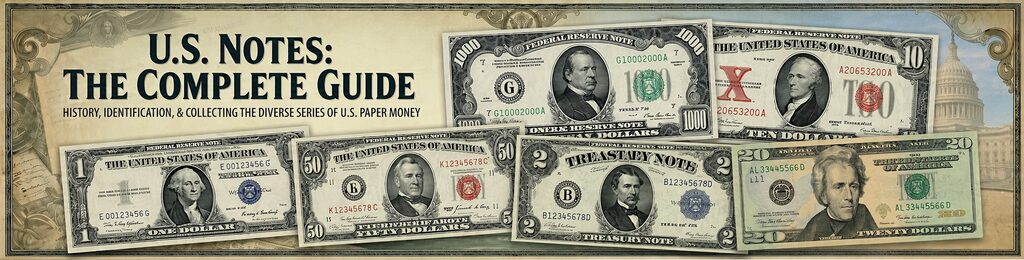
The BEP’s 1929 Currency Reduction Program: Why America Switched from Large to Small-Size Notes
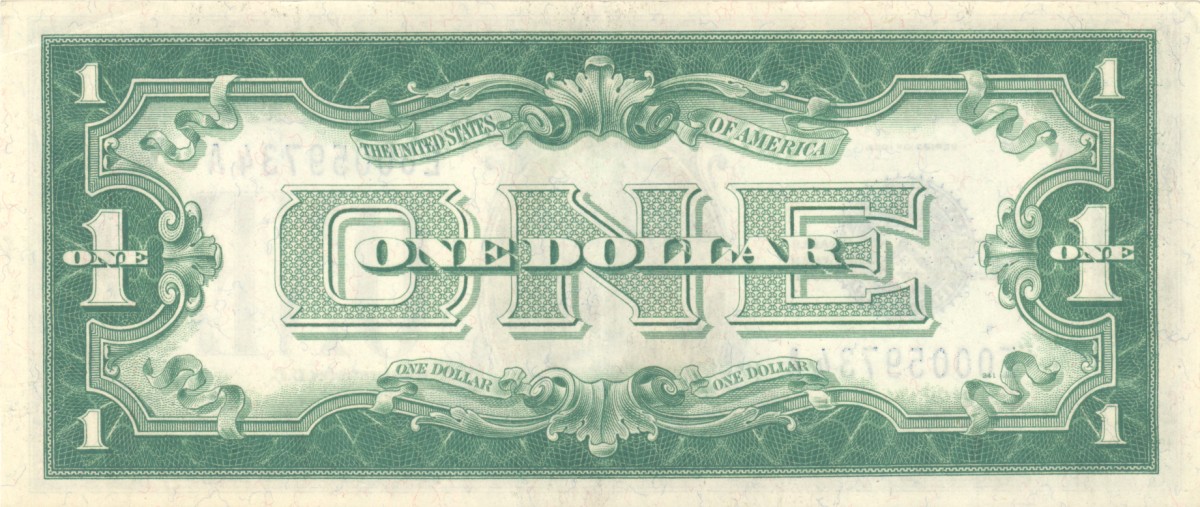
In 1929, the Bureau of Engraving and Printing executed one of the most sweeping transformations in American monetary history, shrinking paper currency by roughly 25 percent and standardizing its design for the first time. Understanding the economics, logistics, and collecting implications of this change reveals why the 1929 transition remains one of the most consequential events in US paper money history.
Read More →