US Notes

Grading Gold Certificates: Why Color Retention of the Yellow-Orange Seal Is the Single Most Important Condition Factor
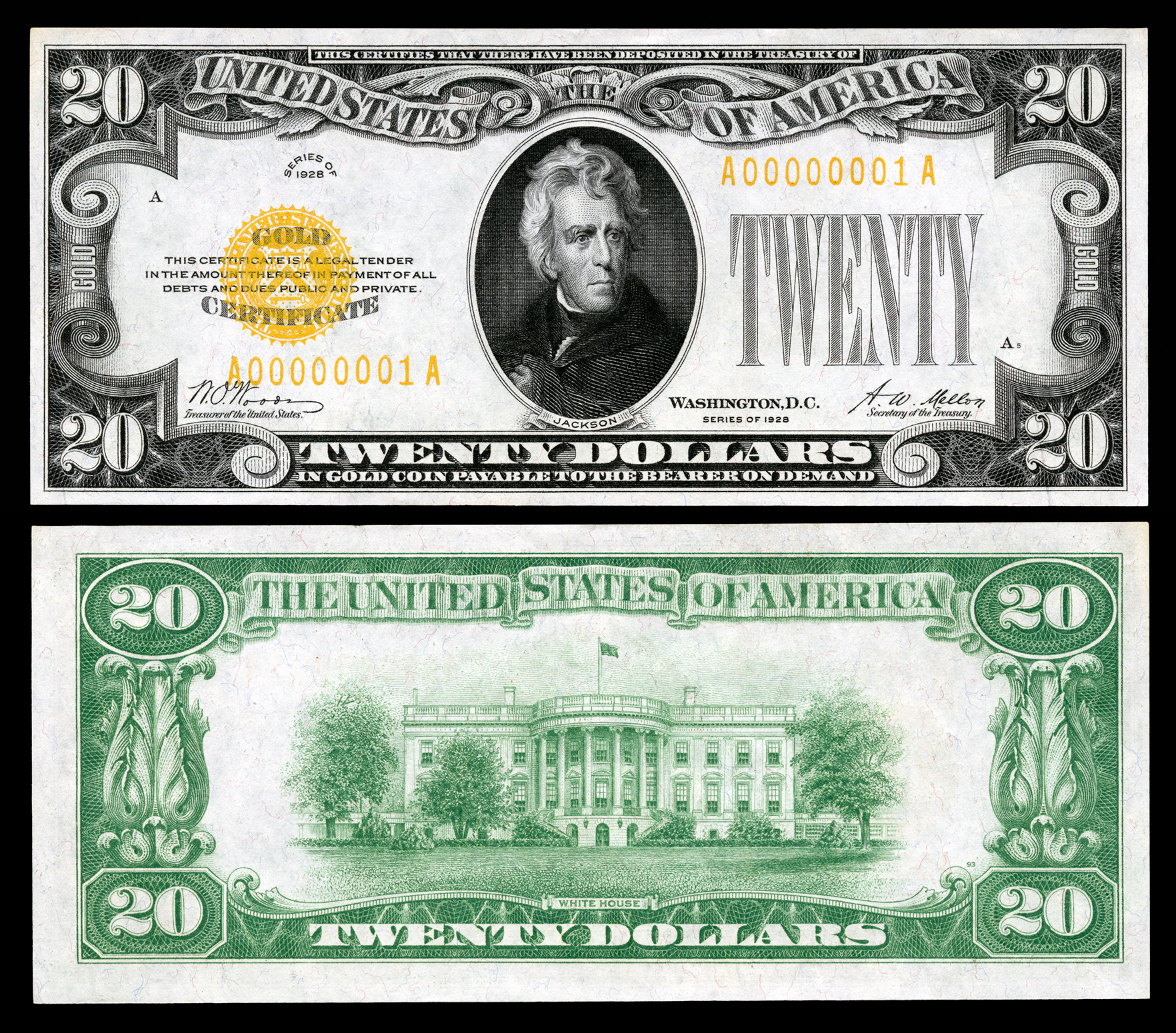
When grading Gold Certificates, most collectors focus on folds and centering, but seasoned numismatists know the yellow-orange Treasury seal tells the real story of a note’s condition. This guide breaks down exactly why seal color dominates the grading conversation and how to evaluate it like a professional.

Read More →
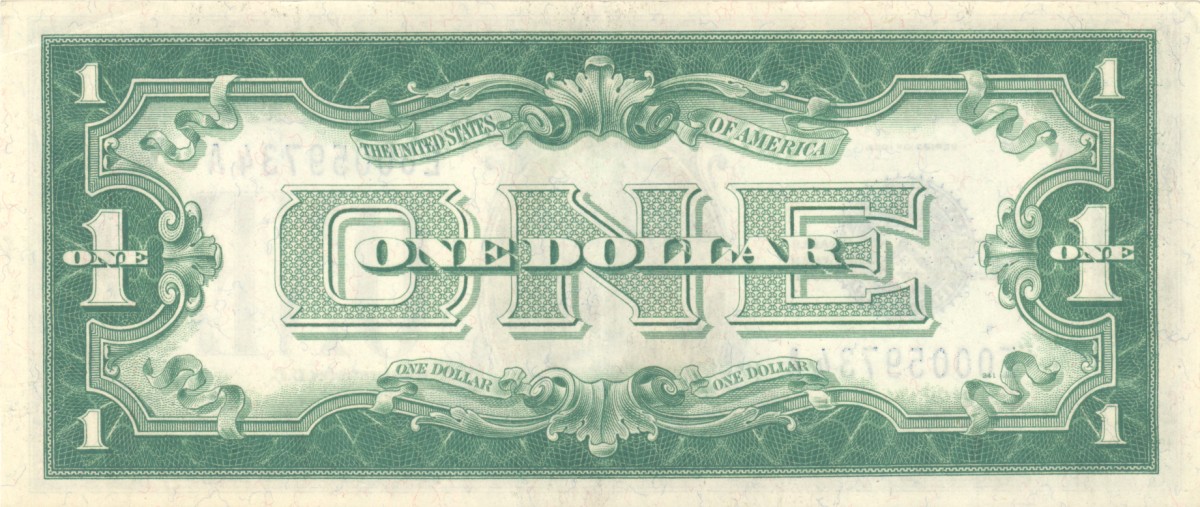
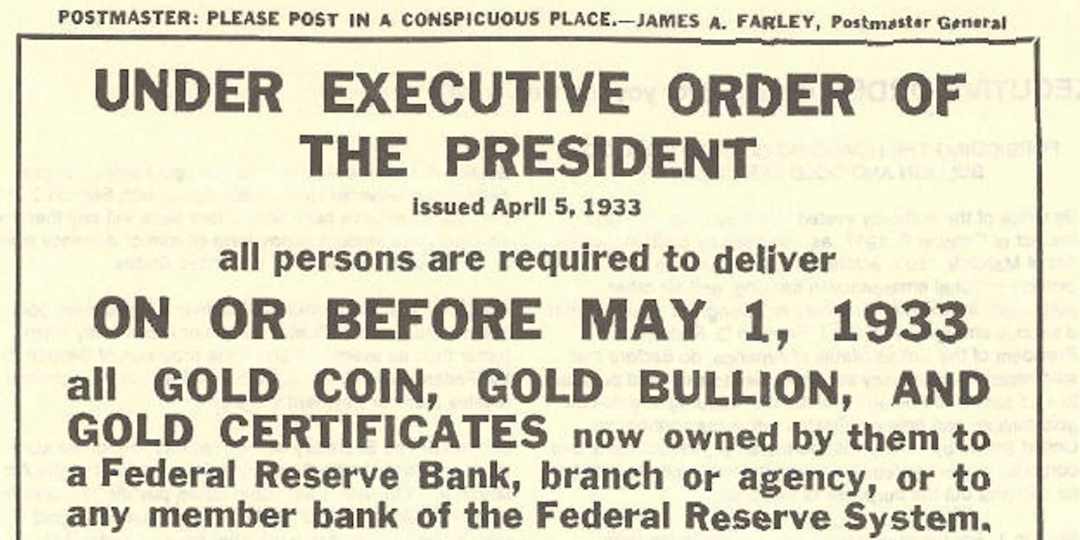
The BEP’s 1929 Currency Reduction Program: Why America Switched from Large to Small-Size Notes

In 1929, the Bureau of Engraving and Printing executed one of the most sweeping transformations in American monetary history, shrinking paper currency by roughly 25 percent and standardizing its design for the first time. Understanding the economics, logistics, and collecting implications of this change reveals why the 1929 transition remains one of the most consequential events in US paper money history.

Read More →

Emergency Banking Relief Act of 1933: The Legislation That Replaced Gold-Payable Currency with Federal Reserve Notes

The Emergency Banking Relief Act of 1933 reshaped the entire foundation of American currency almost overnight, ending the gold-redeemable era and cementing Federal Reserve Notes as the nation’s sole circulating paper money. Understanding this pivotal legislation is essential for any collector who wants to grasp why notes printed before and after 1933 look, feel, and read so differently.

Read More →

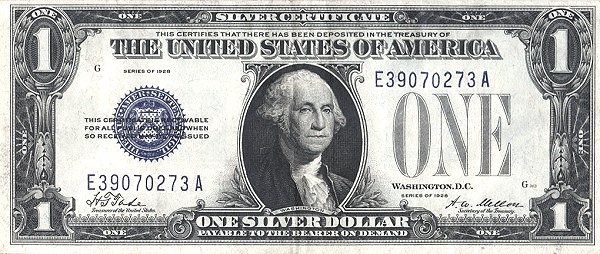
The Series 1928 $1 Silver Certificate: Varieties, Mule Notes, and Wide vs. Narrow Margins Explained

The Series 1928 $1 Silver Certificate is one of the most variety-rich issues in small-size currency history, packed with signature combinations, mule notes, and margin differences that can mean the difference between a common note and a serious key date. Whether you are just starting out or fine-tuning a specialized collection, understanding these distinctions is essential to building a meaningful set.

Read More →

The Series 1928 $2 United States Note: Red Seal Jeffersons and Their Signature Varieties

The Series 1928 $2 United States Note is one of the most collected Legal Tender issues of the twentieth century, featuring a striking red Treasury seal and six distinct signature combinations that range from the commonplace to the genuinely scarce. Understanding the differences between the 1928 through 1928G varieties can mean the difference between paying fair market value and overpaying for a note that only looks rare.

Read More →

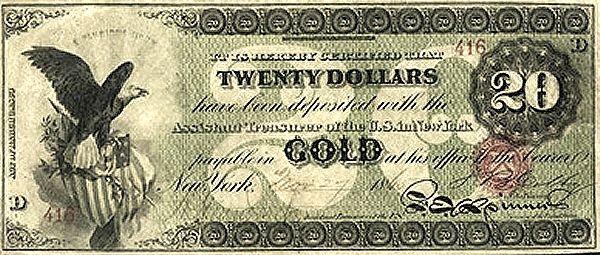
The Gold Recall of 1933: How FDR’s Executive Order 6102 Killed Gold Certificates

On April 5, 1933, Franklin Roosevelt signed Executive Order 6102 and effectively ended the era of circulating Gold Certificates in the United States overnight. For currency collectors, this moment created some of the most legally complex, historically significant, and financially valuable notes in all of American numismatics.

Read More →

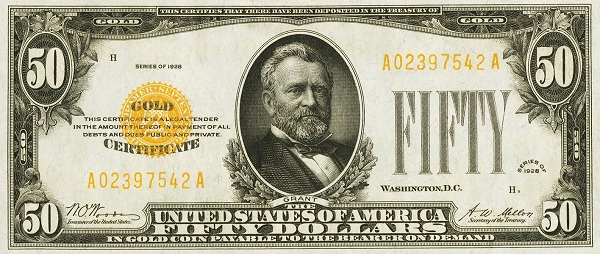
Small-Size Gold Certificates Series 1928: The Short-Lived Yellow Seal Notes That Defined an Era

The Series 1928 Gold Certificates represent one of the most historically charged issues in all of American paper money, printed and recalled within a single decade as the nation abandoned the gold standard. From the vivid yellow Treasury seals to the specific signature combinations that make certain notes scarcer than others, this guide covers everything a collector needs to know about these fascinating notes.

Read More →

Federal Reserve Notes Series 1928 $5 through $100: Collecting the First Small-Size Issue Denomination by Denomination

The Series 1928 Federal Reserve Notes represent one of the most historically significant transitions in American currency, marking the shift from large-size to the compact format still used today. This denomination-by-denomination breakdown reveals which notes are common finds and which are genuine rarities that command serious premiums in today’s market.

Read More →

Federal Reserve Note Series 1928 $20 Redeemable in Gold Clause: The Variety That Disappeared After 1933

The Series 1928 $20 Federal Reserve Note carries one of the most historically charged phrases ever printed on American paper money: ‘Redeemable in Gold on Demand at the United States Treasury.’ Understanding why that clause vanished after 1933, and how it affects rarity and value today, is essential knowledge for any serious collector of small-size currency.

Read More →

Signature Varieties on Series 1928 Federal Reserve Notes: Tate-Mellon Through Woods-Mills

The Series 1928 Federal Reserve Notes span four distinct signature combinations, each telling a story of Treasury leadership during one of America’s most turbulent economic decades. Understanding these varieties, their print runs, and their relative scarcity can mean the difference between paying fair market value and uncovering a genuine sleeper note in a dealer’s stock.

Read More →