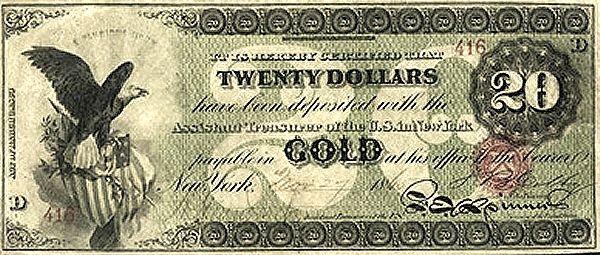
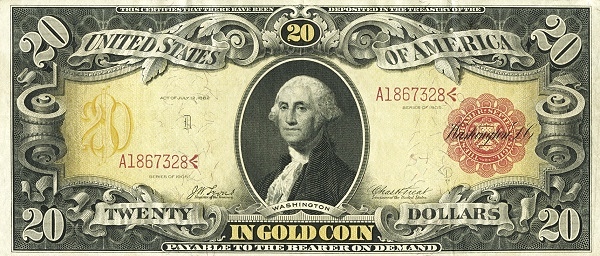
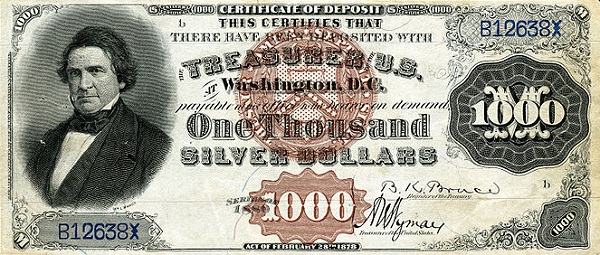
US Notes

Emergency Banking Relief Act of 1933: The Legislation That Replaced Gold-Payable Currency with Federal Reserve Notes
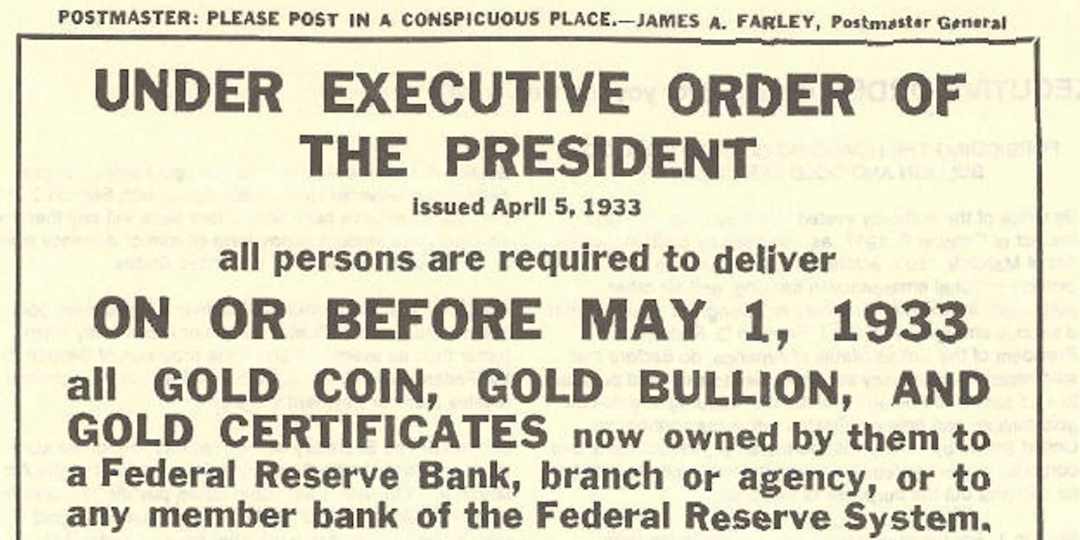
The Emergency Banking Relief Act of 1933 reshaped the entire foundation of American currency almost overnight, ending the gold-redeemable era and cementing Federal Reserve Notes as the nation’s sole circulating paper money. Understanding this pivotal legislation is essential for any collector who wants to grasp why notes printed before and after 1933 look, feel, and read so differently.

Read More →
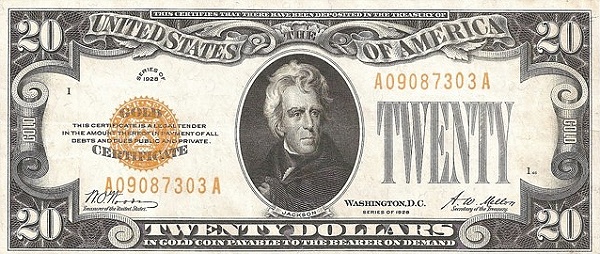
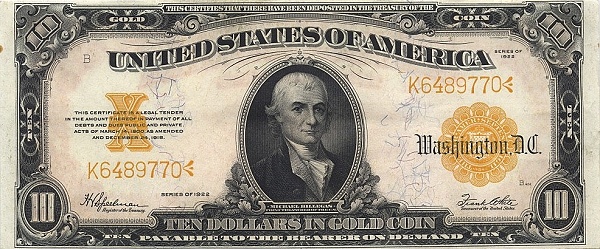
Gold Certificates: A Collector’s Guide to the 1928 Series $10, $20, $50, $100, and $500 Notes

The 1928 series Gold Certificates represent the final chapter of a uniquely American monetary tradition, struck from circulation by executive order in 1933 and never reissued. Understanding their signature combinations, seal varieties, and survival rates is essential knowledge for any serious collector of pre-war U.S. paper money.

Read More →

The Series 1922 $1 Large-Size Gold Certificate: The Last Year of Large-Size Gold Issues and Their Condition Rarity

The Series 1922 $1 Gold Certificate represents the final chapter of large-size gold currency in American history, issued just years before the gold standard era drew to a close. Collectors prize these notes for their historic significance, striking design, and extreme difficulty in finding examples in high grades.

Read More →

Small-Size Gold Certificates Series 1928: The Short-Lived Yellow Seal Notes That Defined an Era

The Series 1928 Gold Certificates represent one of the most historically charged issues in all of American paper money, printed and recalled within a single decade as the nation abandoned the gold standard. From the vivid yellow Treasury seals to the specific signature combinations that make certain notes scarcer than others, this guide covers everything a collector needs to know about these fascinating notes.

Read More →

Federal Reserve Note Series 1928 $20 Redeemable in Gold Clause: The Variety That Disappeared After 1933

The Series 1928 $20 Federal Reserve Note carries one of the most historically charged phrases ever printed on American paper money: ‘Redeemable in Gold on Demand at the United States Treasury.’ Understanding why that clause vanished after 1933, and how it affects rarity and value today, is essential knowledge for any serious collector of small-size currency.

Read More →

The Color Scheme of the 1882 Gold Certificate Brown Back: Why Gold and Orange Were Chosen to Signal Bullion Convertibility

The 1882 Gold Certificate Brown Back series is one of the most visually striking issues in American paper money history, with its warm amber and orange-brown tones carrying deliberate meaning about the note’s bullion-backed status. This article unpacks the design philosophy, printing technology, and collecting landscape surrounding these remarkable large-size notes.

Read More →

Silverites vs. Gold Bugs: How the 1890s Currency Debates Transformed Silver Certificate Production

The fierce monetary battles of the 1890s, culminating in William Jennings Bryan’s legendary ‘Cross of Gold’ speech, directly shaped the design, volume, and ultimate fate of Silver Certificate production in America. Understanding this political firestorm helps collectors decode the rarest and most historically charged notes of the era.

Read More →