US Notes

Federal Reserve Notes Series 1963: The Historic First Issues Bearing ‘In God We Trust’
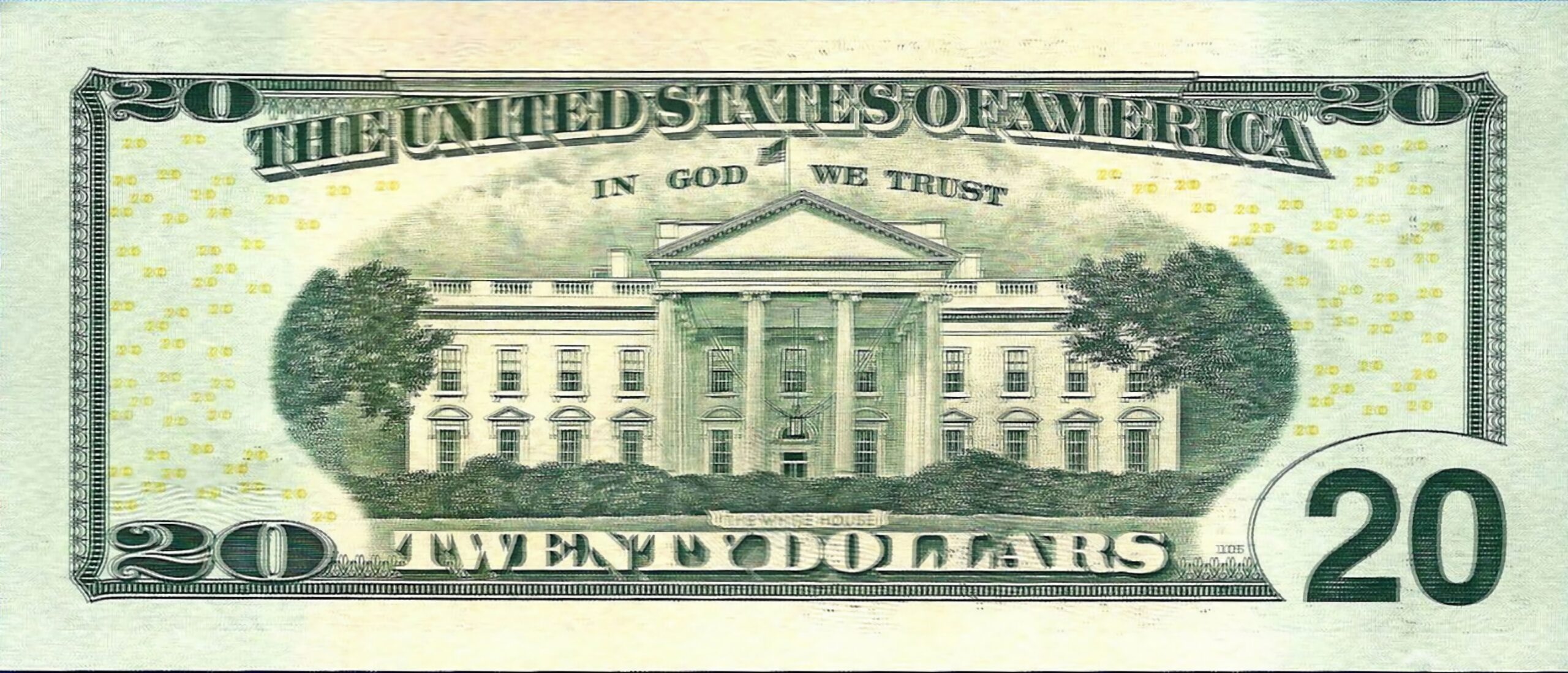
The Series 1963 Federal Reserve Notes mark a pivotal moment in American currency history, as they were the first Federal Reserve Notes to carry the national motto ‘In God We Trust’ on the reverse. Collectors prize these notes not only for their historical significance but also for a fascinating array of signature combinations, star notes, and district varieties that make assembling a complete set a rewarding challenge.

Read More →
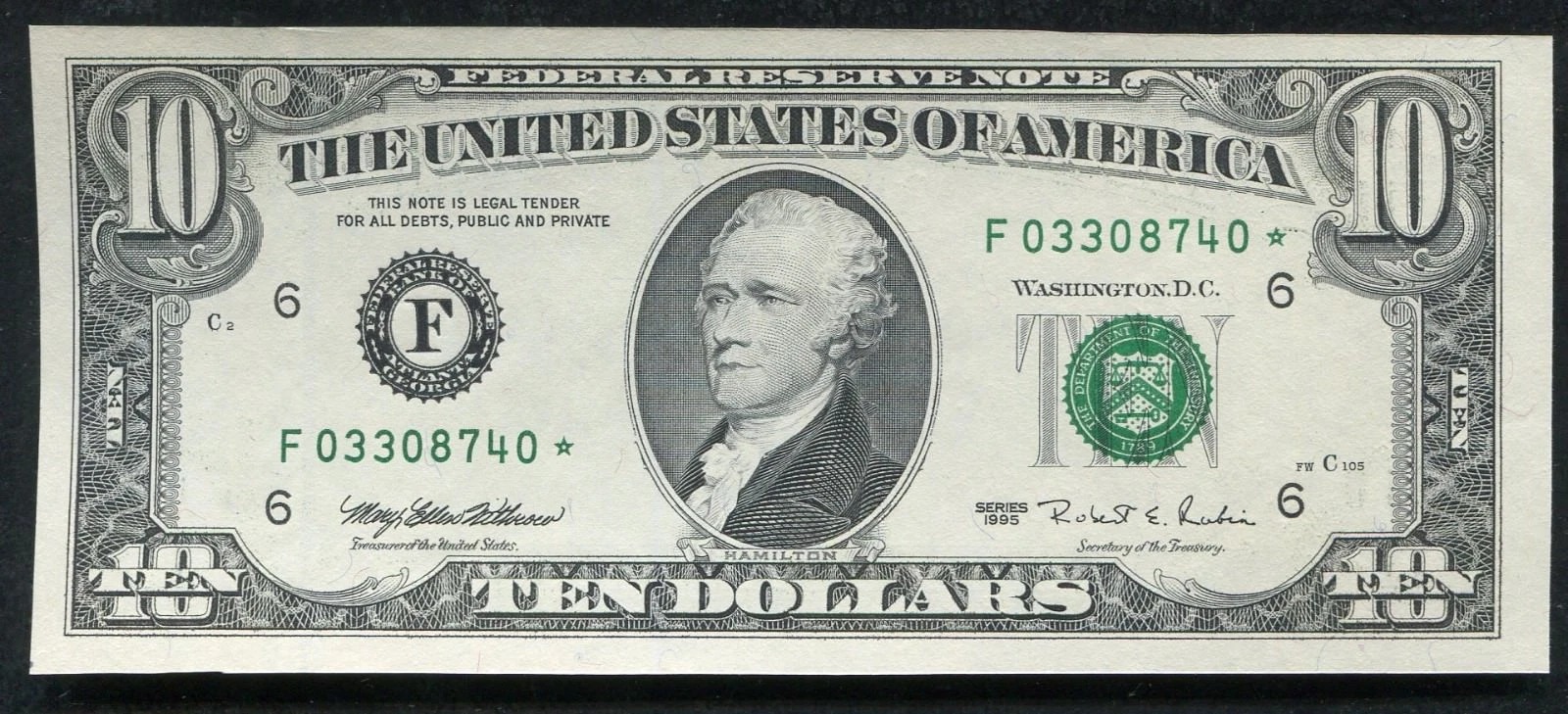
Shifted Face Printings on Small-Size Notes: How Far Is Too Far and What Collectors Pay

A shifted face printing can transform an ordinary small-size note into a dramatic error worth hundreds or even thousands of dollars, but understanding the spectrum from minor misalignment to spectacular off-center shifts is essential before you spend a dime. This guide breaks down exactly how these errors occur, how graders and dealers measure them, and what the current market actually pays across different denominations and series.

Read More →

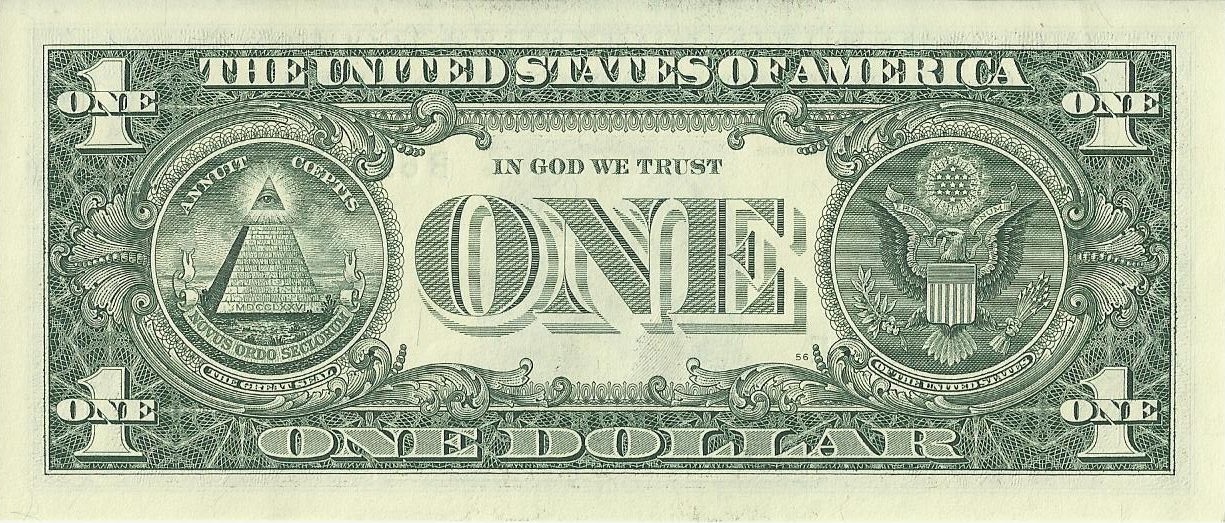
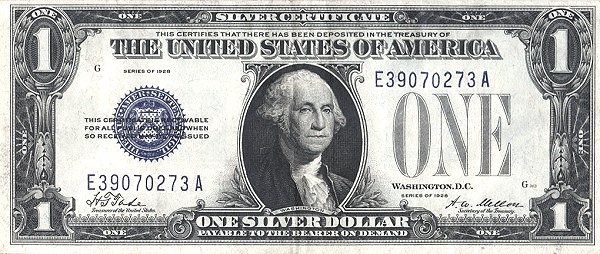
The Series 1928 $1 Silver Certificate: Varieties, Mule Notes, and Wide vs. Narrow Margins Explained

The Series 1928 $1 Silver Certificate is one of the most variety-rich issues in small-size currency history, packed with signature combinations, mule notes, and margin differences that can mean the difference between a common note and a serious key date. Whether you are just starting out or fine-tuning a specialized collection, understanding these distinctions is essential to building a meaningful set.

Read More →

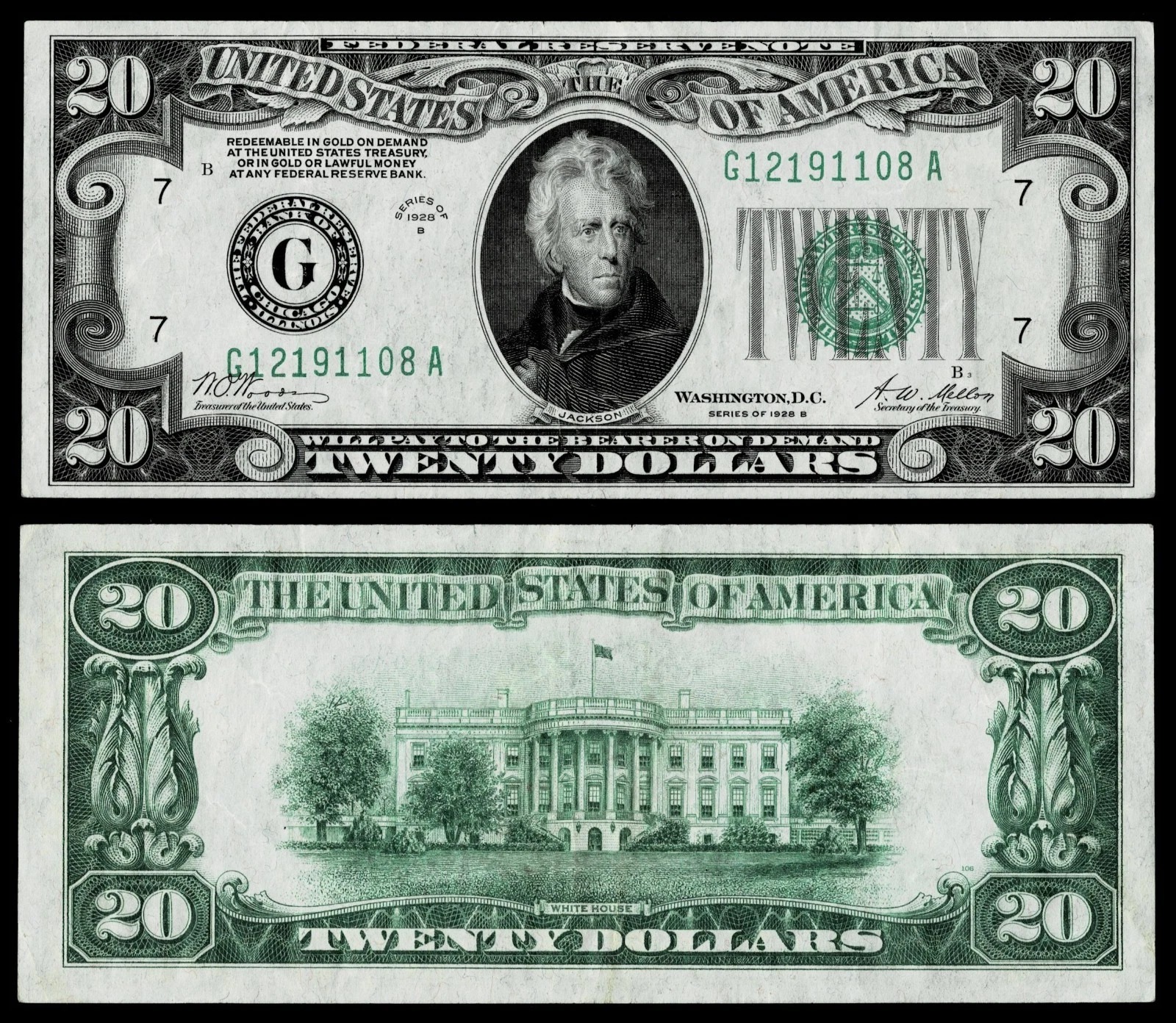
Series 1928B $20 Federal Reserve Note Varieties: Wide vs. Narrow Face Plate Differences and the Attribution Debate That Divides Collectors

The Series 1928B $20 Federal Reserve Note harbors one of the most contentious variety disputes in small-size note collecting, centered on subtle but measurable face plate differences that dramatically affect value. This deep-dive explores the technical distinctions, the history behind them, and how to confidently attribute your own examples.

Read More →

Fake Star Notes: How to Detect Counterfeit Replacement Stars Added to Common Serial Numbers After Printing

Altered star notes — ordinary bills doctored with a crudely added star symbol to mimic valuable replacement notes — represent one of the most persistent frauds in paper money collecting. This guide walks you through the authentication techniques, known alteration methods, and red flags that every collector must know before buying a star note.

Read More →

Currency Collecting During the Depression: How Hobbyists Saved Notes Others Spent

When millions of Americans were spending every dollar they could find, a dedicated handful of collectors were quietly squirreling away Federal Reserve Notes, Silver Certificates, and National Bank Notes that would otherwise have vanished forever. This is the story of how Depression-era hobbyists, often at personal sacrifice, preserved the paper money history that modern collectors treasure today.

Read More →

Series 1976 $2 Federal Reserve Notes: First-Day Issues, Cancellations, and Collector Value

The Series 1976 $2 Federal Reserve Note launched on April 13, 1976 as part of America’s Bicentennial celebration, sparking a nationwide stamping frenzy that created one of the most fascinating collecting niches in modern US currency. Learn how to distinguish genuinely valuable first-day issues from common stamped notes, and what drives collector premiums today.

Read More →

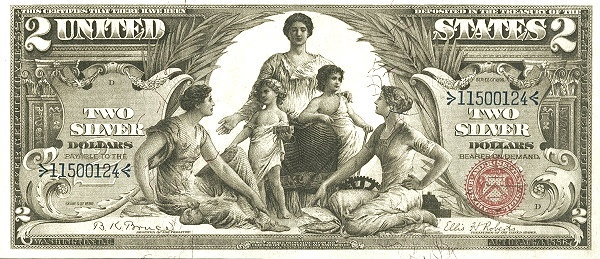
The Allegorical Figure of Mechanics on the 1896 $2 Educational Silver Certificate Reverse: Industry, Electricity, and Classical Composition

The reverse of the 1896 $2 Educational Silver Certificate features one of the most ambitious allegorical compositions ever engraved on American currency, pairing the figure of Mechanics with a dynamo and classical architectural grandeur. Understanding this imagery unlocks the full artistic vision of the Educational Series and explains why these notes command such fierce competition among advanced collectors.

Read More →

Double Impression Errors on Federal Reserve Notes: A Complete Collector’s Guide to Notes That Passed Through the Press Twice

Double impression errors rank among the most visually dramatic and collectible mistakes in modern U.S. currency production, created when a note passes through the intaglio or offset press a second time and receives a ghostly duplicate image. This guide breaks down how these errors occur, which series and denominations produce the most desirable examples, and what collectors should expect to pay for certified specimens.

Read More →

Circulated Grades for Large-Size Notes: Why Fine-15 Can Still Be a Spectacular Note

Grading large-size US currency is a nuanced art, and a Fine-15 note is far from the consolation prize many newcomers assume it to be. This guide breaks down what circulated grades really mean for pre-1929 paper money and why condition-obsessed thinking can cause collectors to miss genuinely stunning pieces of American monetary history.

Read More →