US Notes

Grading Demand Notes of 1861: Why Even Good-4 Examples Are Trophy Notes and What Condition Standards Apply to America’s Oldest Federal Currency
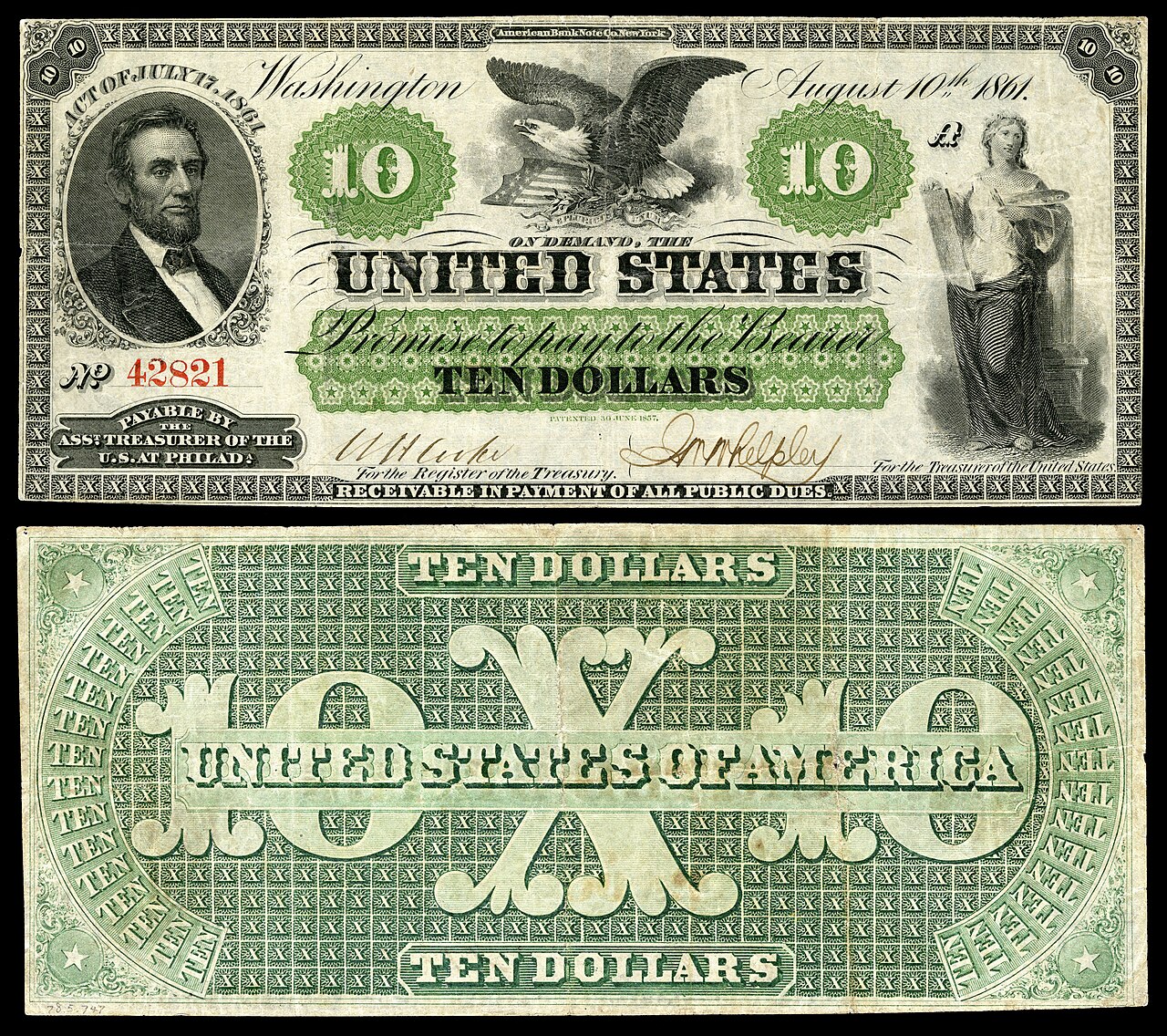
The Demand Notes of 1861 represent the very first paper money issued by the United States federal government, and their grading standards are unlike almost anything else in American numismatics. Understanding why a tattered Good-4 example commands thousands of dollars, and how professional graders approach these fragile survivors, is essential knowledge for any serious collector.

Read More →
Centering Standards for Small-Size Federal Reserve Notes: How PMG and PCGS Measure Margins and When Centering Caps a Grade

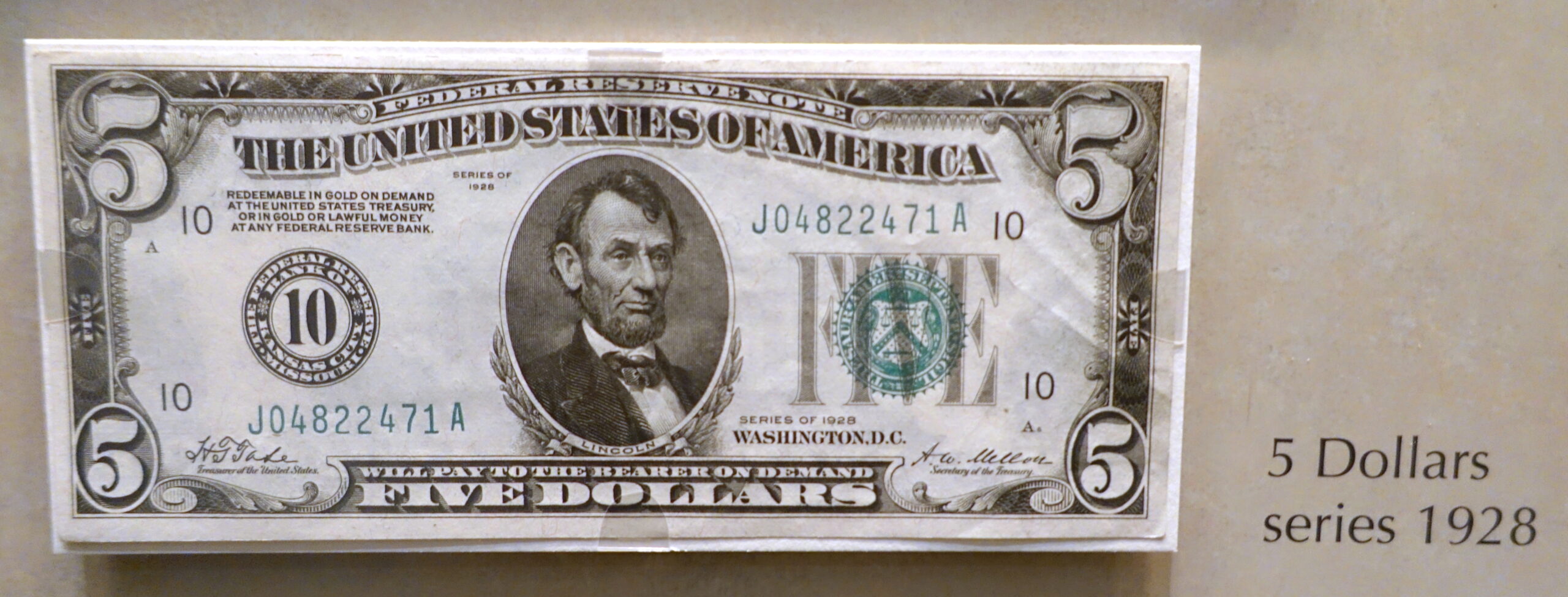
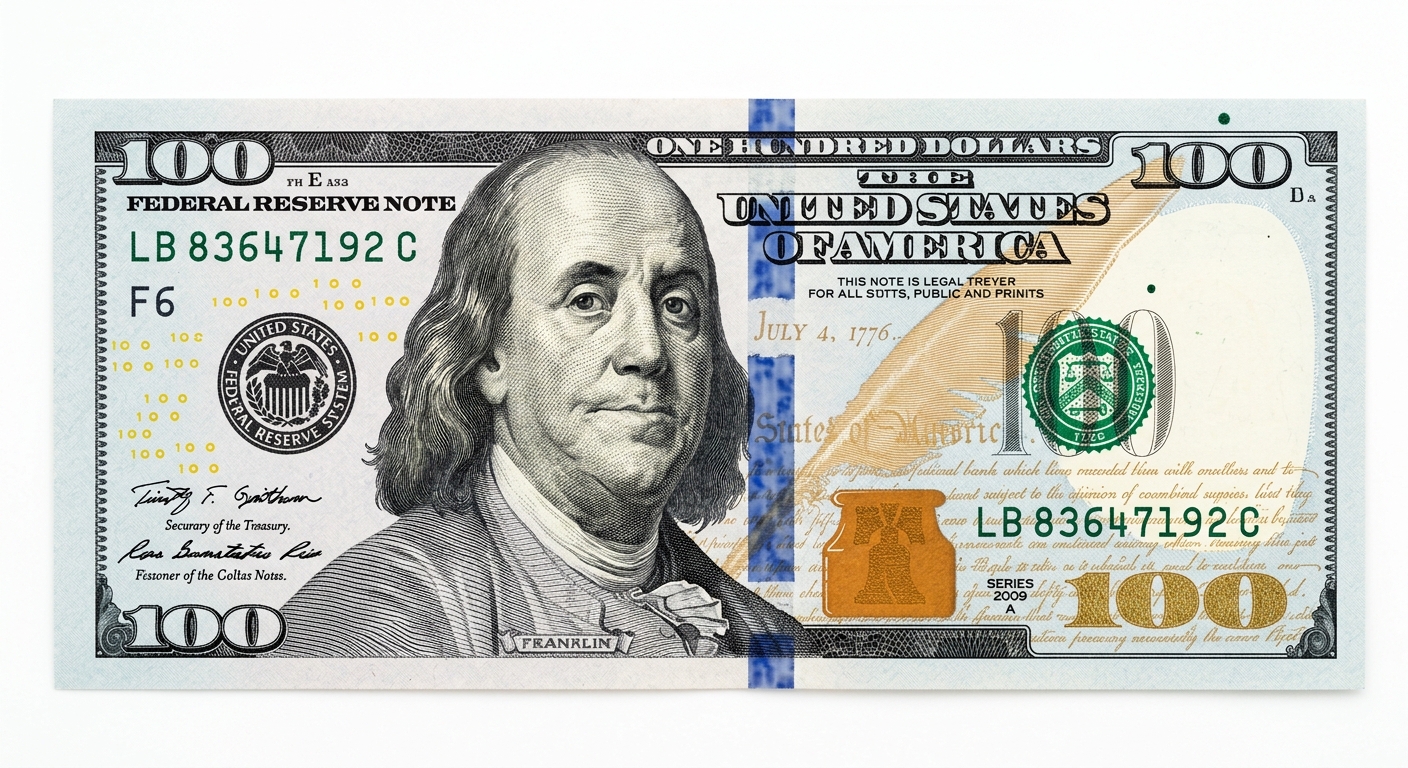
Centering is one of the most misunderstood grading criteria in paper money collecting, yet it can be the single factor that drops a crisp, bright note from a 67 to a 63. This guide breaks down exactly how PMG and PCGS Currency measure margins on small-size Federal Reserve Notes, which series are notorious for poor centering, and how savvy collectors can use this knowledge to find undervalued gems.

Read More →

Stray Ink Dots on Uncirculated Federal Reserve Notes: Manufacturing Artifacts That Graders Notice but Rarely Penalize

Stray ink dots are among the most misunderstood manufacturing artifacts found on uncirculated Federal Reserve Notes, causing unnecessary alarm among new collectors who mistake them for damage. Understanding how graders evaluate these printing anomalies can save you from passing on a perfectly gradeable gem and help you make smarter buying decisions at auction.

Read More →

Grading Silver Certificates by Seal Color Intensity: How Faded Blue Seals Affect PMG and PCGS Scores on 1935 and 1957 Series Notes

The vivid blue Treasury seal on Silver Certificates is one of the first things graders examine, and even subtle fading can drop a note one or two full grade points. This guide breaks down exactly how PMG and PCGS Currency evaluate seal color on 1935 and 1957 series notes, with practical advice for collectors chasing high-grade examples.

Read More →

Gem Uncirculated 65 EPQ: What the Exceptional Paper Quality Designation Really Means

The EPQ designation from PCGS Currency and PMG can add significant value to a graded banknote, but few collectors fully understand what examiners are actually looking for. This guide breaks down the technical criteria, explains how EPQ affects market premiums, and shows you how to develop the eye for paper quality before you submit.

Read More →

How to Interpret the PMG Grading Scale for National Bank Notes: When Rarity of the Bank Overrides Condition in the Market

PMG grades tell you the condition of a National Bank Note, but they cannot tell you how rare the issuing bank actually is — and that gap is where real collector value lives. This guide breaks down how seasoned numismatists reconcile census data, charter numbers, and market realities to make smarter buying decisions.

Read More →

Tape Repairs on Paper Money: How to Detect Them Under UV Light and Their Catastrophic Effect on Value

Tape repairs are among the most damaging and deceptive alterations a collector can encounter on paper money, capable of slashing a note’s value by 80 percent or more. Learn how professional graders detect hidden repairs under ultraviolet light, which tape types leave which signatures, and how to protect yourself at shows, auctions, and dealer tables.

Read More →

The Role of Originality in Currency Grading: Why a 64 with Original Embossing Beats a Pressed 65

In the world of paper money grading, a note’s numerical grade tells only part of the story. Understanding why original embossing and surface integrity often make a lower-graded note more desirable, and more valuable, than a technically higher-graded but artificially improved example is essential knowledge for any serious collector.

Read More →
How Split Grades Work at PMG: When a Note’s Face Earns a Higher Grade Than Its Back and How the Final Number Is Determined

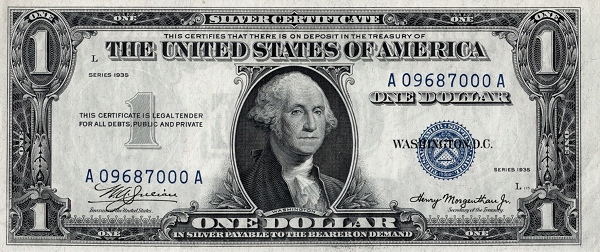
Split grades are one of the most misunderstood concepts in paper money grading, yet they can significantly affect a note’s value and collectibility. This guide breaks down exactly how PMG handles grade differentials between a note’s obverse and reverse, and what that final number really means for your collection.

Read More →

Rubber Band Damage on Paper Money: How Graders Assess Compression Lines, Surface Breaks, and the Limits of Conservation

Rubber band damage is one of the most misunderstood forms of paper money deterioration, and many collectors discover its impact only when a note comes back from a grading service at a lower grade than expected. This guide breaks down exactly how professional graders at PCGS Currency and PMG evaluate compression lines and surface breaks caused by rubber bands, and what conservation options realistically exist.

Read More →