US Notes

Handling Damage vs. Circulation Wear: How Graders Distinguish Between the Two Types of Impairment
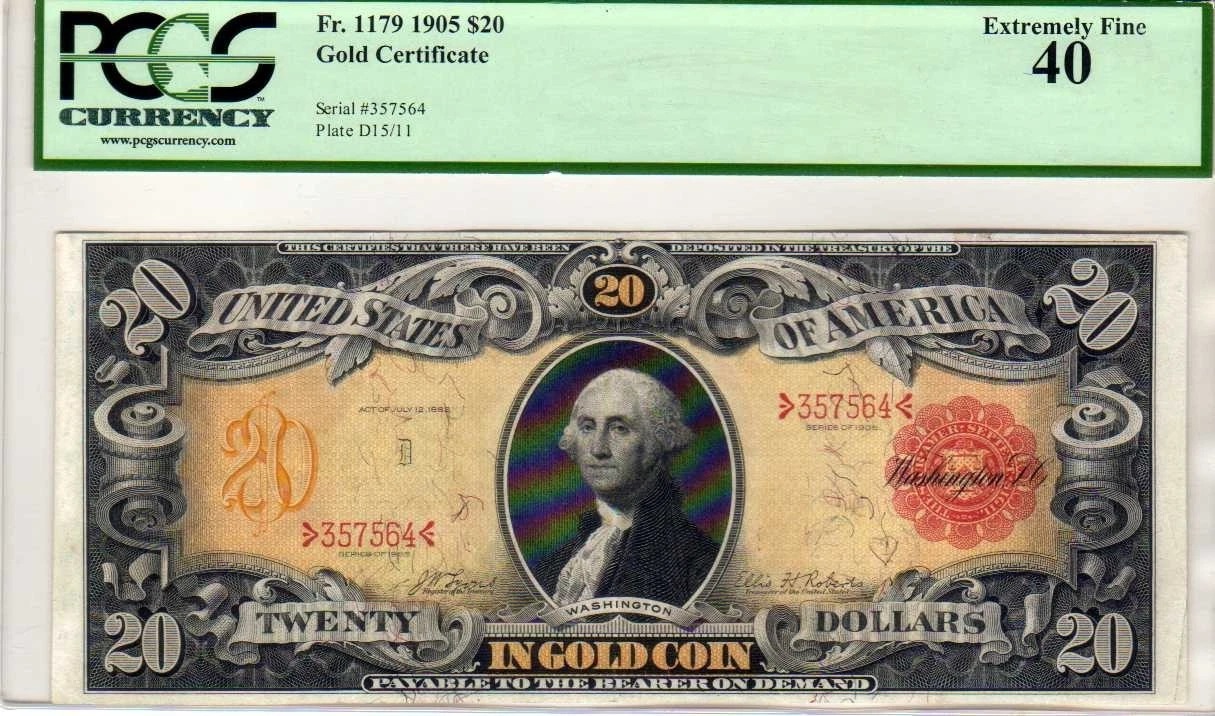
Not all impairment on a banknote tells the same story, and experienced graders know exactly how to read the difference between a note that spent years in a cash drawer and one that was mishandled by a single careless collector. Understanding this distinction can mean the difference between a note graded Fine-15 and one that earns a damaging details qualifier that follows it forever.

Read More →
Rubber Band Damage on Paper Money: How Graders Assess Compression Lines, Surface Breaks, and the Limits of Conservation

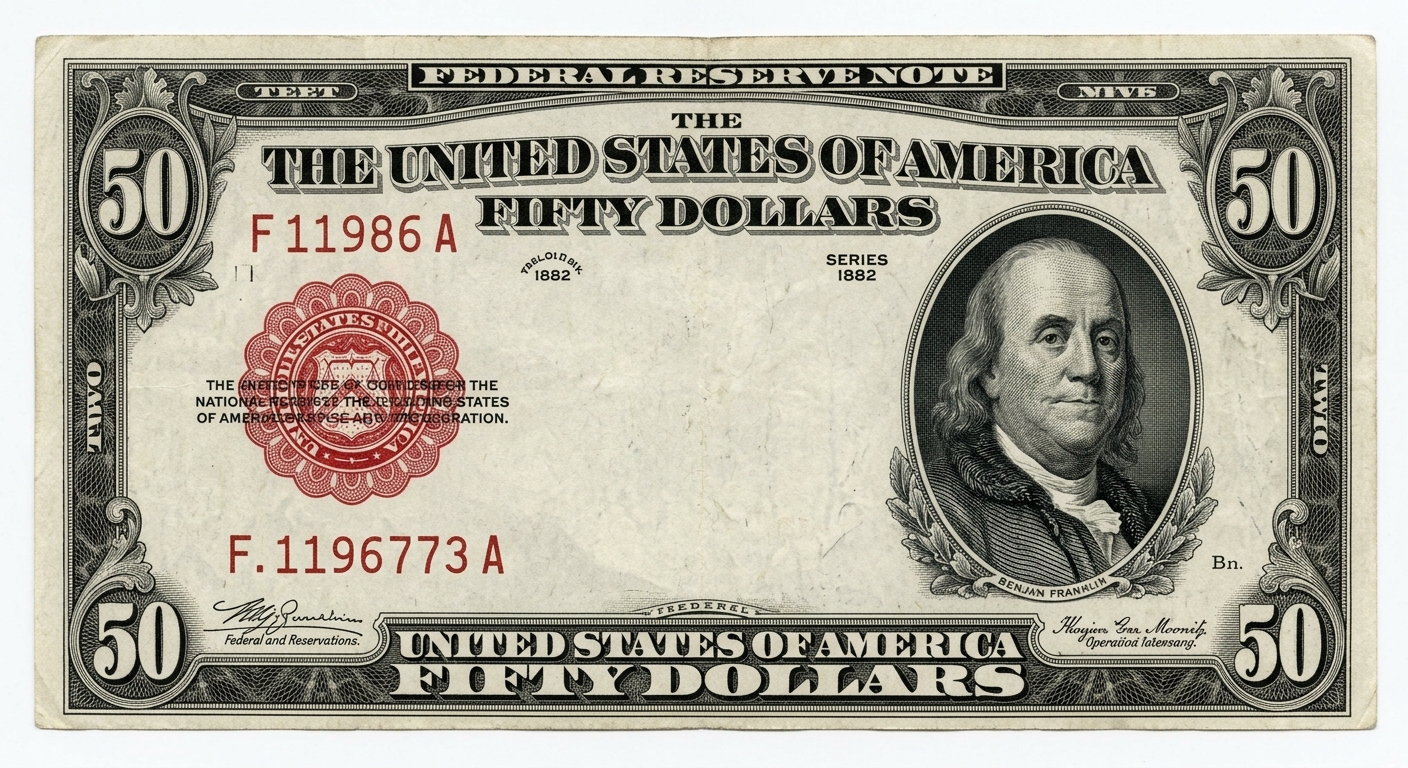
Rubber band damage is one of the most misunderstood forms of paper money deterioration, and many collectors discover its impact only when a note comes back from a grading service at a lower grade than expected. This guide breaks down exactly how professional graders at PCGS Currency and PMG evaluate compression lines and surface breaks caused by rubber bands, and what conservation options realistically exist.

Read More →

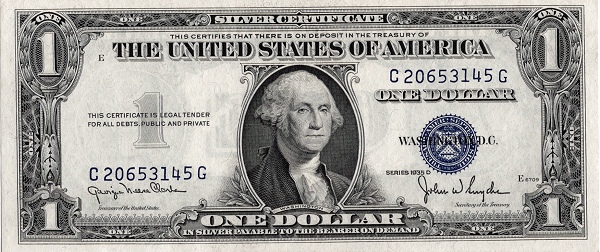
Fading vs. Toning on Silver Certificates: How Blue Seal Color Loss Affects Your Note’s Grade

The blue Treasury seal on Silver Certificates is one of the most grading-sensitive elements in all of U.S. paper money collecting, and distinguishing problematic fading from acceptable natural toning can mean hundreds of dollars in value. This guide breaks down exactly how professional graders evaluate seal color, what causes each type of color change, and how collectors can protect and identify their Silver Certificates with confidence.

Read More →