US Notes

Handling Damage vs. Circulation Wear: How Graders Distinguish Between the Two Types of Impairment
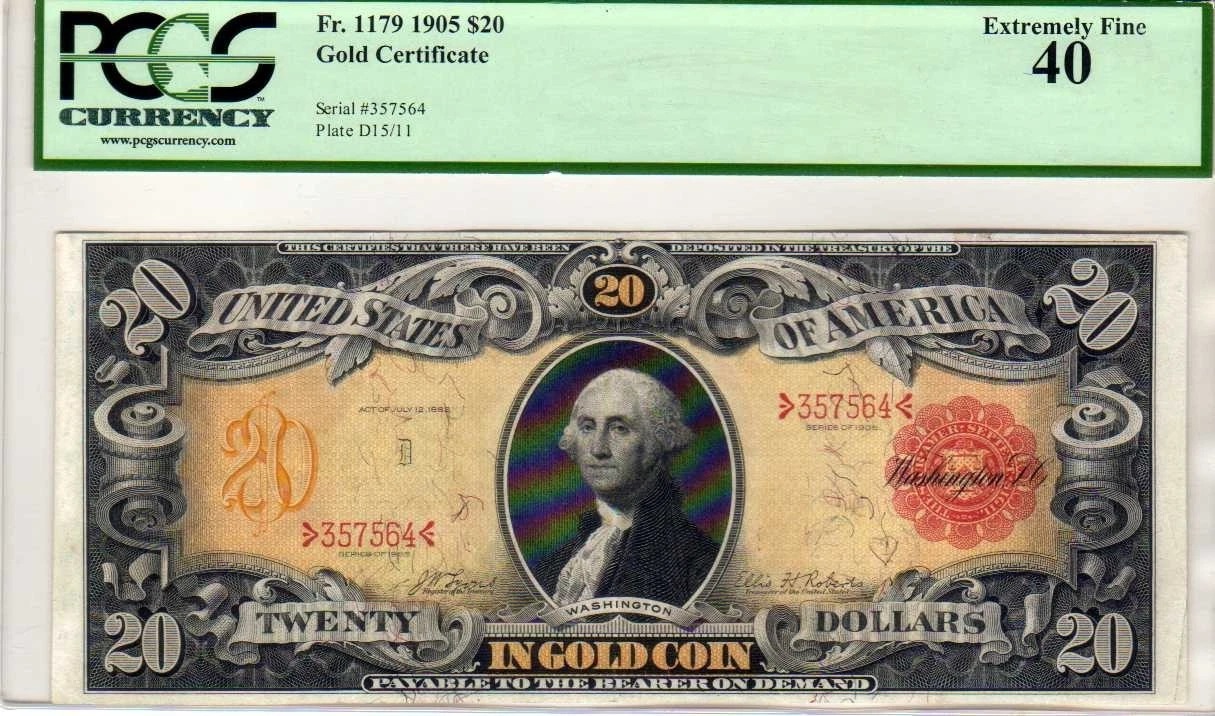
Not all impairment on a banknote tells the same story, and experienced graders know exactly how to read the difference between a note that spent years in a cash drawer and one that was mishandled by a single careless collector. Understanding this distinction can mean the difference between a note graded Fine-15 and one that earns a damaging details qualifier that follows it forever.

Read More →
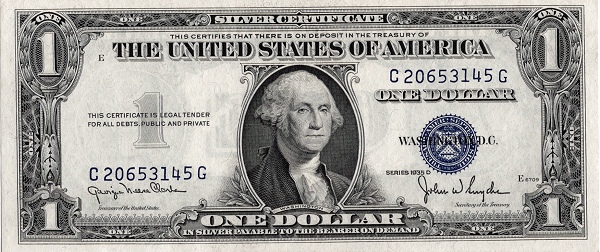
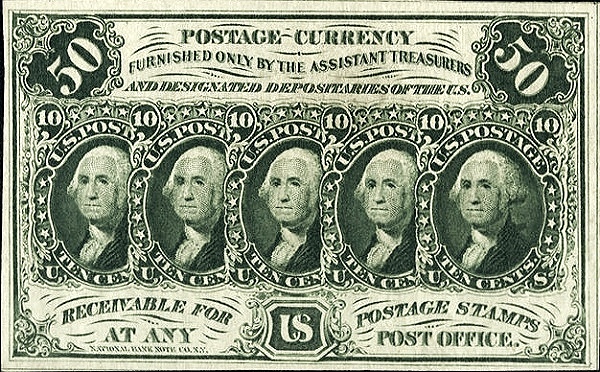
The 63 vs. 64 Boundary: What Separates Choice Uncirculated from Near Choice and Why One Point Can Mean Hundreds of Dollars

A single point on the Sheldon grading scale can transform a $400 note into a $900 note overnight, yet the criteria separating MS-63 from MS-64 remain among the most debated in paper money collecting. This deep dive breaks down exactly what graders look for at the critical 63/64 boundary and how collectors can train their eyes to see the difference.

Read More →

The About Uncirculated 55 Grade: How One Corner Fold Separates This Grade from Uncirculated and What It Costs Collectors

The AU55 grade sits at one of the most consequential crossroads in paper money collecting, where a single light fold can slash a note’s value by 30 to 60 percent compared to its Uncirculated counterpart. Understanding exactly what defines this grade, how graders detect that telltale fold, and how the AU55 premium plays out across specific series and denominations can save collectors hundreds or even thousands of dollars.

Read More →

Fading vs. Toning on Silver Certificates: How Blue Seal Color Loss Affects Your Note’s Grade

The blue Treasury seal on Silver Certificates is one of the most grading-sensitive elements in all of U.S. paper money collecting, and distinguishing problematic fading from acceptable natural toning can mean hundreds of dollars in value. This guide breaks down exactly how professional graders evaluate seal color, what causes each type of color change, and how collectors can protect and identify their Silver Certificates with confidence.

Read More →

The PMG Population Report: Using Census Data to Find Conditionally Rare Notes

The PMG Population Report is one of the most powerful and underused tools in a currency collector’s arsenal, revealing which notes are genuinely scarce in top grades versus merely old. This guide shows you exactly how to read pop report data, identify conditionally rare opportunities, and build a smarter collection using real census numbers.

Read More →

The Very Fine 25 Grade: Why This Midpoint Circulated Grade Is the Sweet Spot for Budget Collectors of Scarce Types

The VF-25 grade sits at a fascinating crossroads between worn, heavily circulated notes and the premium-priced EF territory, offering collectors genuine eye appeal at a fraction of the cost. Understanding exactly what separates a VF-25 from its neighbors on the grading scale can unlock serious value when hunting scarce Legal Tender, Silver Certificate, and National Currency types.

Read More →

How to Grade Your Own Notes Before Submitting: A Pre-Screening Checklist for Collectors

Submitting a note to PCGS Currency or PMG without doing your homework first can cost you real money in grading fees on notes that won’t return the investment. This comprehensive pre-screening checklist walks you through the exact criteria professional graders use, so you can make smarter submission decisions and spot upgrade candidates hiding in your collection.

Read More →

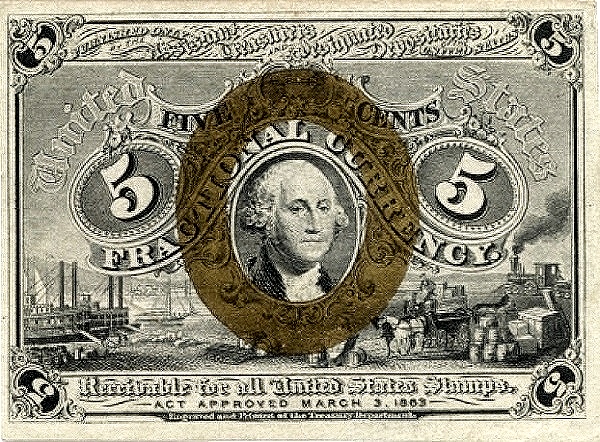
Grading Fractional Currency: Why Centering, Margins, and Embossing Determine Everything in These Tiny Notes

Fractional currency grading is one of the most nuanced disciplines in American paper money collecting, where a millimeter of margin or the depth of a security impression can swing a note’s value by hundreds of dollars. This guide breaks down exactly what PCGS, PMG, and experienced collectors look for when evaluating these Civil War-era miniatures.

Read More →

The BEP’s Intaglio Printing Process: Why US Currency Feels Different from Regular Paper

The distinctive raised-ink texture of a United States banknote is no accident: it is the direct result of a 150-year-old intaglio printing tradition maintained by the Bureau of Engraving and Printing. Understanding exactly how this process works, why it matters for authentication, and how it affects the collectibility and grading of your notes will transform the way you handle every bill in your collection.

Read More →

Grading Fractional Currency Fifth Issue Notes: How Perforations, Surcharges, and Experimental Varieties Affect Grade Assignment

The Fifth Issue of United States Fractional Currency (1874-1876) presents some of the most nuanced grading challenges in all of American paper money collecting, with perforations, surcharges, and rare experimental varieties each capable of dramatically shifting a note’s grade and value. This guide breaks down exactly what graders look for, which varieties command premiums, and how to evaluate your own Fifth Issue pieces with confidence.

Read More →