US Notes

Federal Reserve Notes in Space: How NASA Handled Currency for Astronauts During Extended Missions
Long-duration spaceflight creates a surprising financial puzzle: what happens to an astronaut’s money, taxes, and paper currency while they orbit Earth for months at a time? From Skylab to the International Space Station, NASA developed practical and sometimes fascinating solutions for managing U.S. currency and finances during extended missions.

Read More →
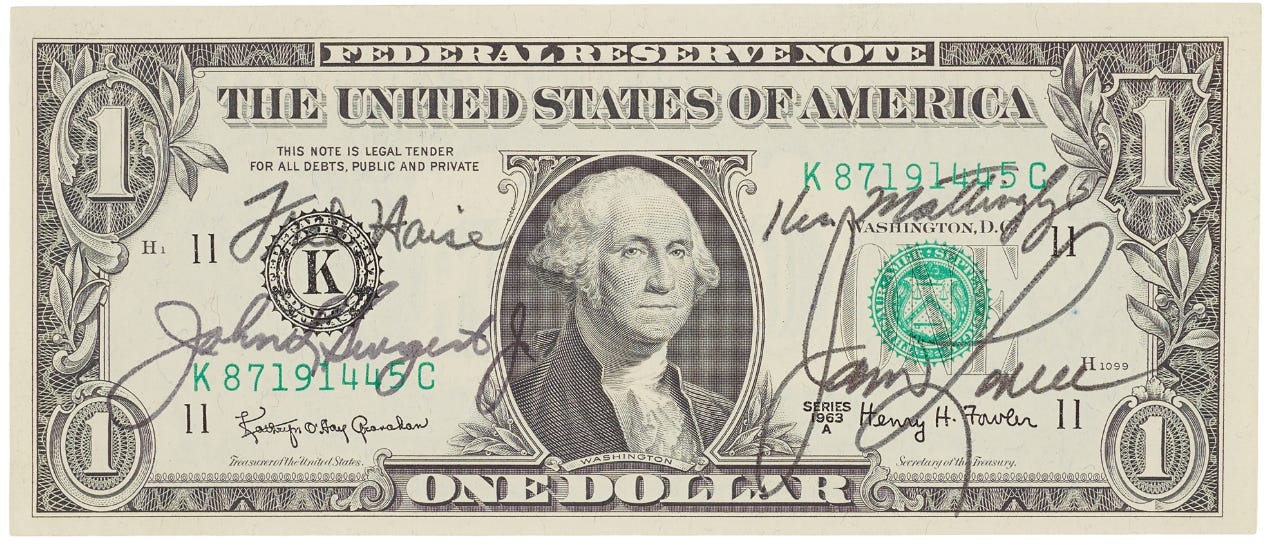
Federal Reserve Notes Series 1963: The Historic First Issues Bearing ‘In God We Trust’

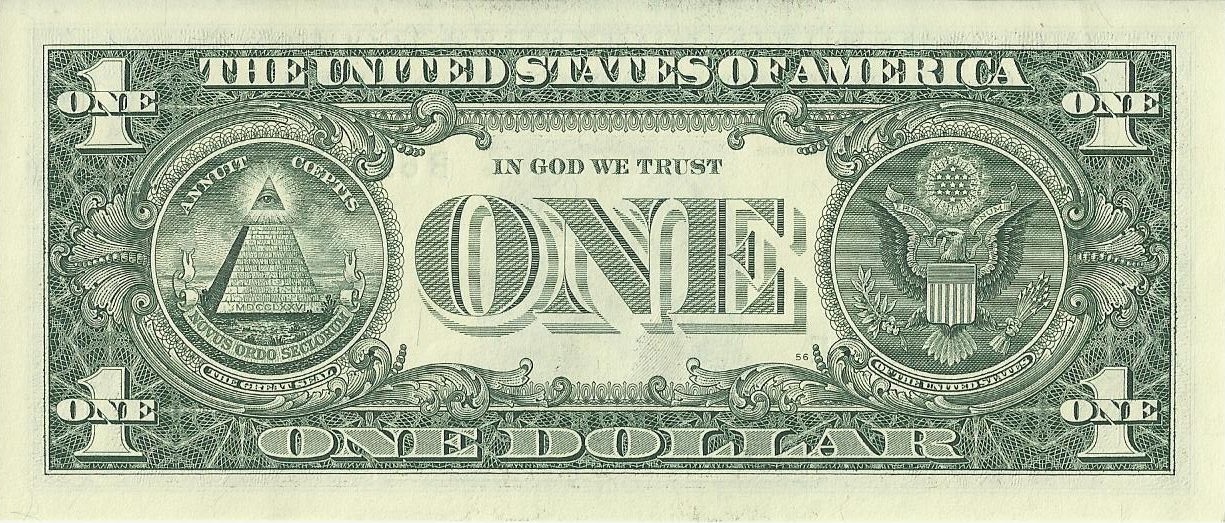
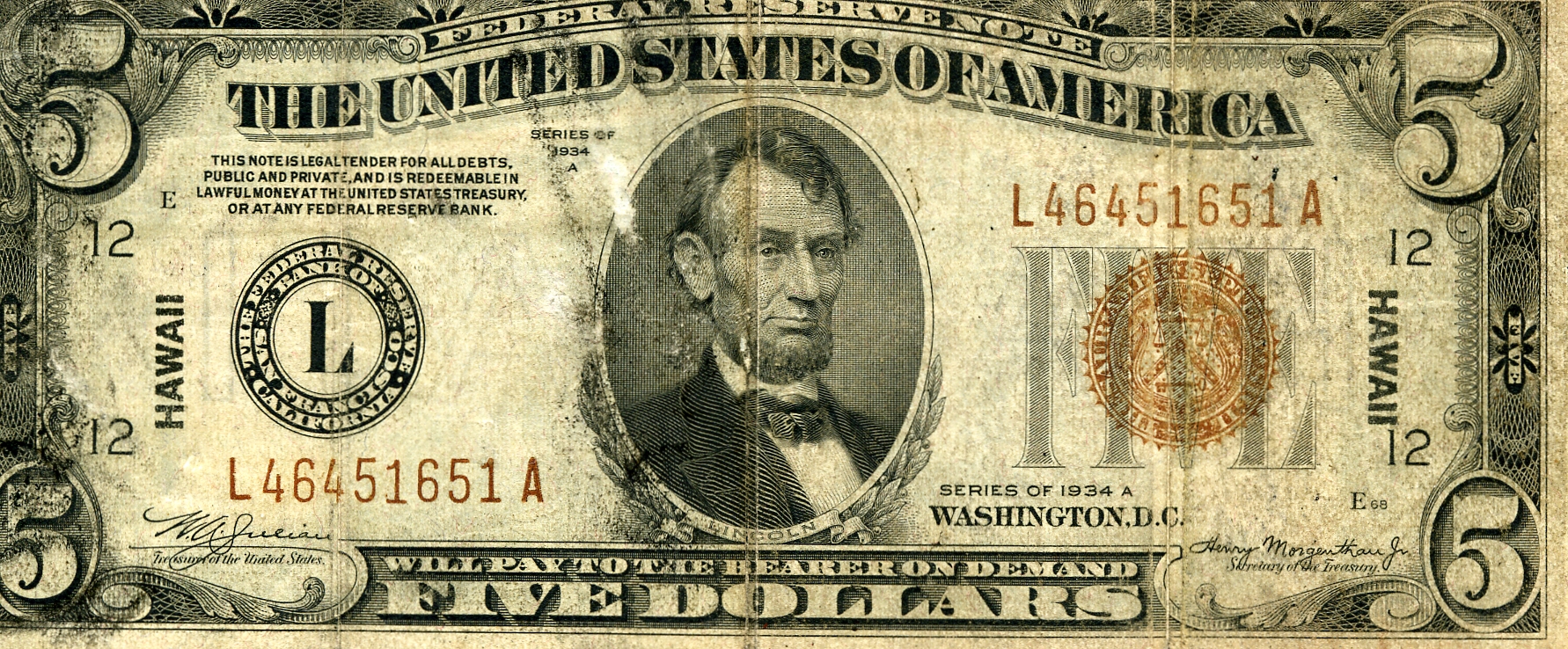
The Series 1963 Federal Reserve Notes mark a pivotal moment in American currency history, as they were the first Federal Reserve Notes to carry the national motto ‘In God We Trust’ on the reverse. Collectors prize these notes not only for their historical significance but also for a fascinating array of signature combinations, star notes, and district varieties that make assembling a complete set a rewarding challenge.

Read More →

Series 1934 Federal Reserve Notes: Light vs. Dark Green Seal Varieties Explained by Denomination

The Series 1934 Federal Reserve Notes produced one of the most fascinating and debated varieties in 20th-century American paper money: the shift from dark green to light green Treasury seals and serial numbers. Understanding which denominations exist in each variety, why the change happened, and what collectors should look for can transform a routine type set into a genuinely rewarding specialty.

Read More →

Numerical Block Letters and Suffix Letters on Small-Size Notes: How Serial Number Systems Changed Over Time

The serial number system on small-size U.S. currency is far more than a simple tracking code, it encodes production history, printing runs, and collecting significance into every note. Understanding how prefix and suffix letters evolved from 1928 to the present unlocks a new layer of knowledge for any serious collector.

Read More →

Series 1981 $1 Federal Reserve Note Varieties: The Subtle Plate and Seal Changes That Separate Early from Late Printings

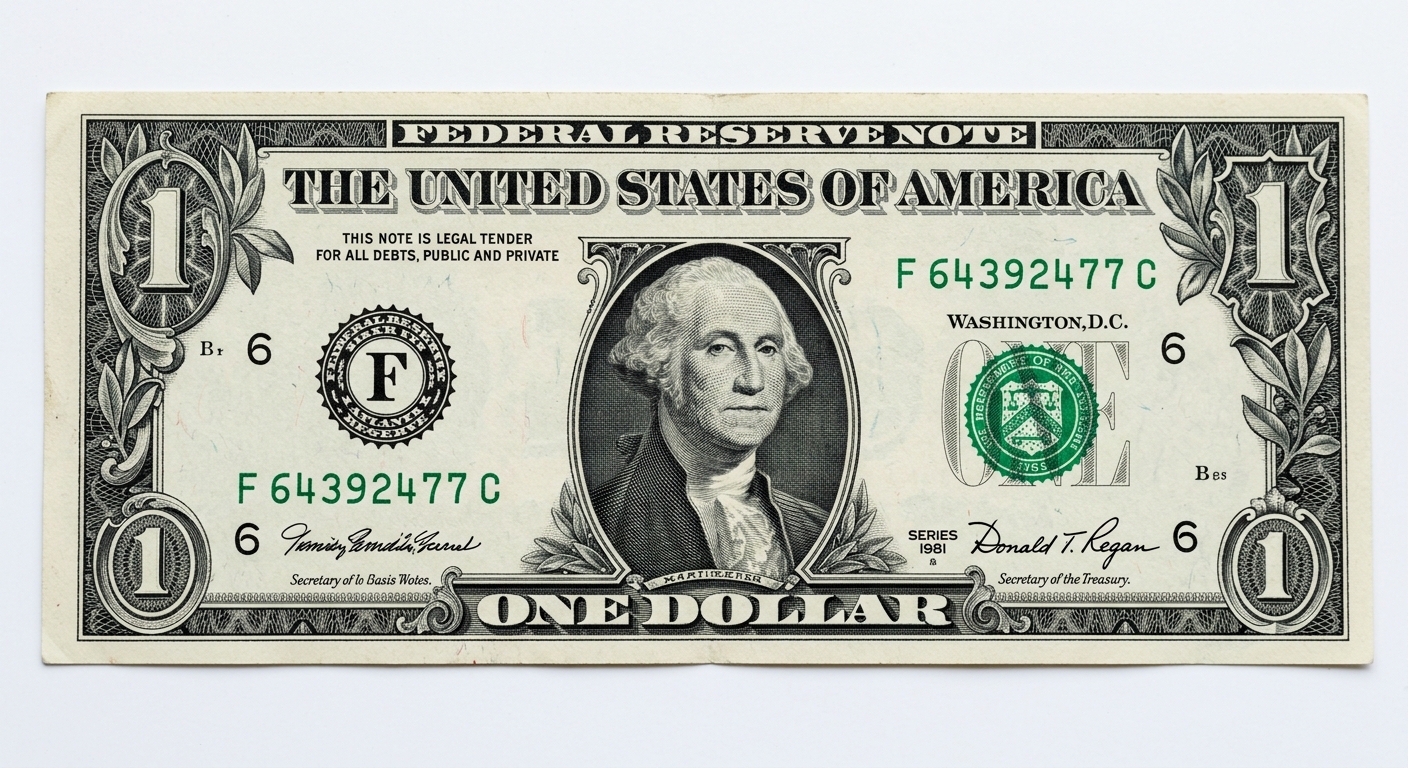
The Series 1981 $1 Federal Reserve Note looks deceptively uniform at first glance, but careful examination reveals meaningful differences in Treasury seal size, plate letter positions, and FRB district printings that separate scarce early runs from common later issues. Understanding these varieties can transform an overlooked pocket change find into a genuine numismatic discovery.

Read More →

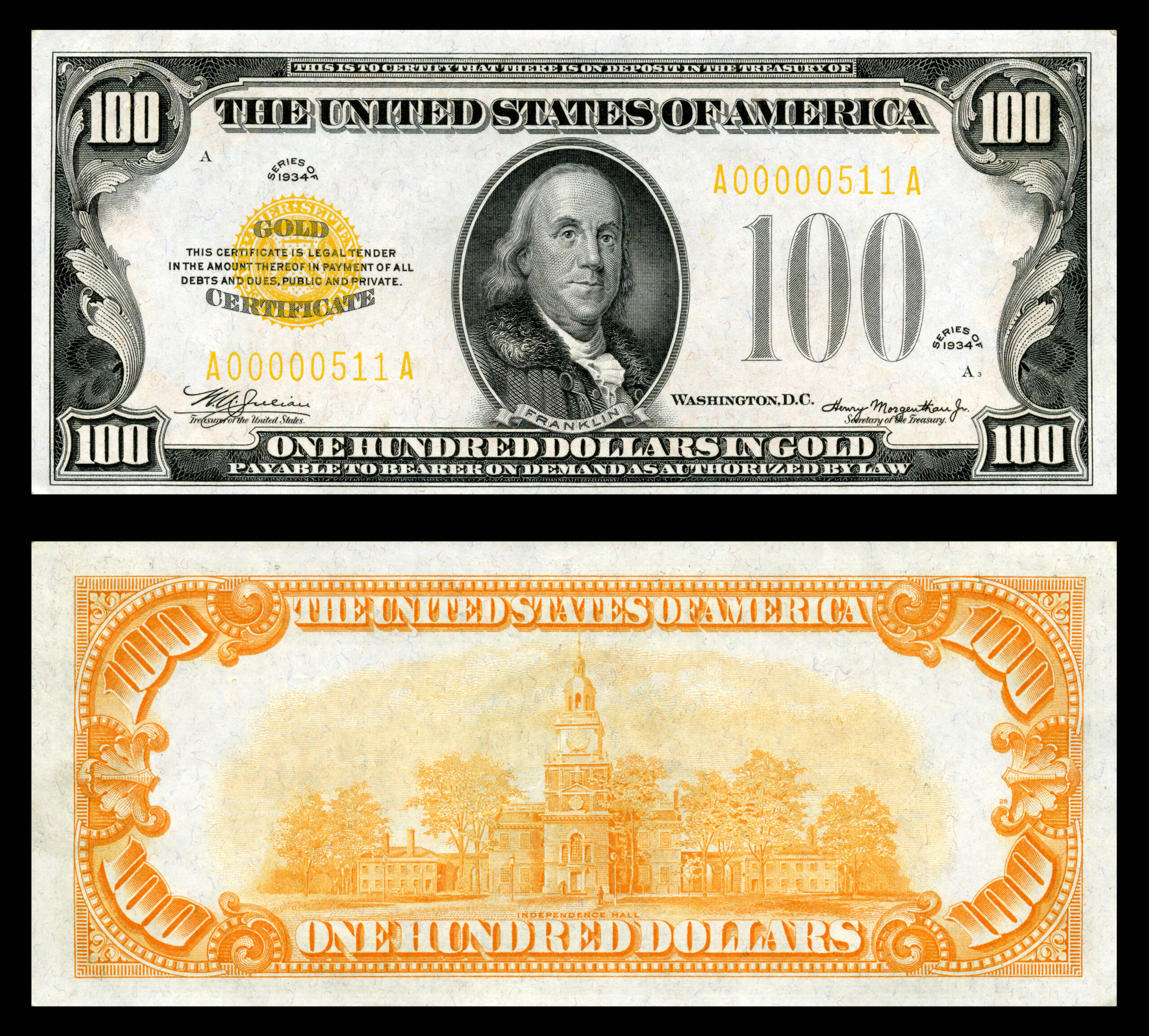
Why the Fed Stopped Printing $500 and $1000 Bills in 1969: Nixon, Organized Crime, and the Death of High-Denomination Currency

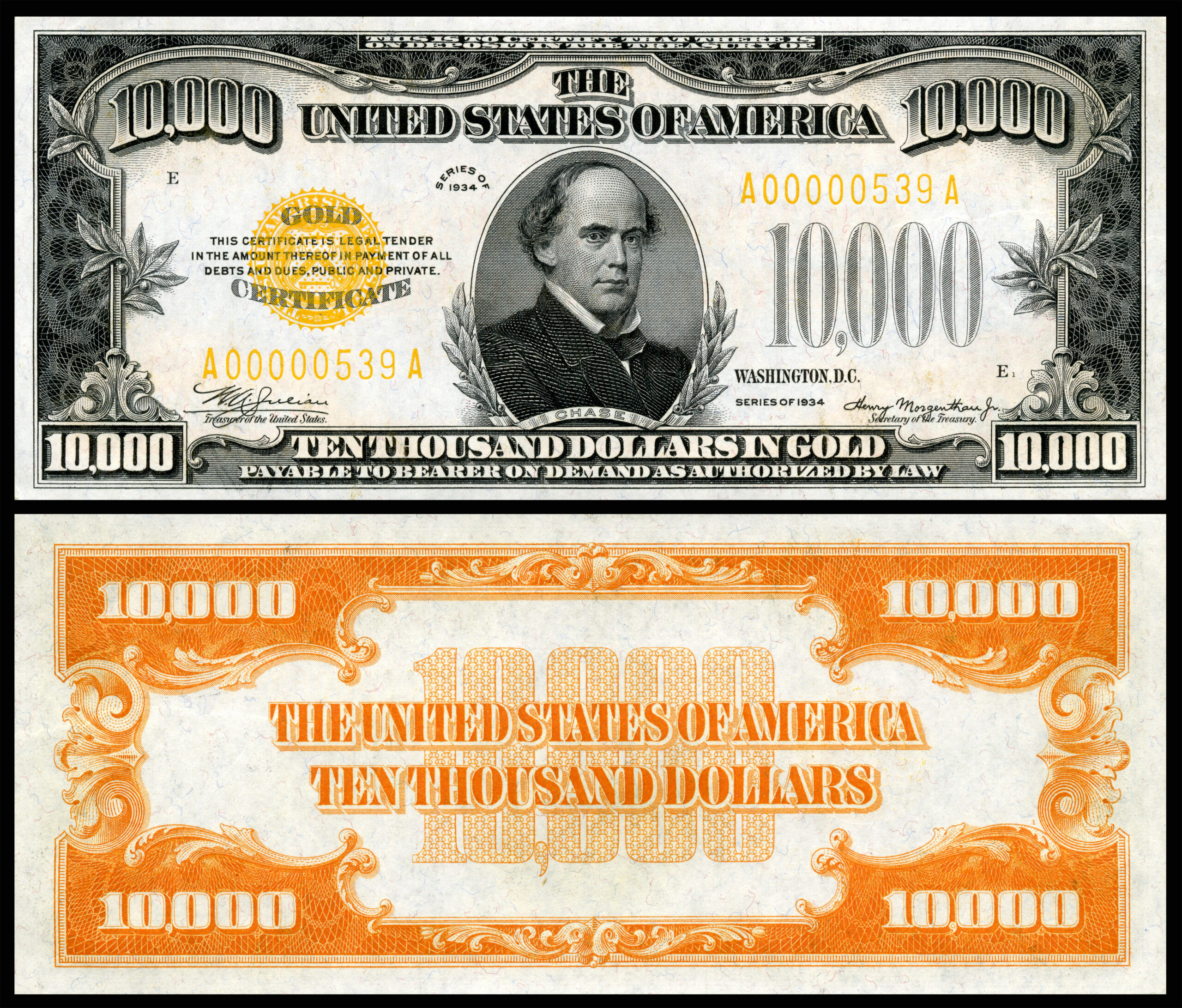
In 1969, the Federal Reserve quietly pulled the plug on $500, $1,000, $5,000, and $10,000 notes, citing declining use and their role in facilitating organized crime. For collectors today, these survivors represent some of the most dramatic and historically loaded pieces of American paper money ever issued.

Read More →

Centering Standards for Small-Size Federal Reserve Notes: How PMG and PCGS Measure Margins and When Centering Caps a Grade

Centering is one of the most misunderstood grading criteria in paper money collecting, yet it can be the single factor that drops a crisp, bright note from a 67 to a 63. This guide breaks down exactly how PMG and PCGS Currency measure margins on small-size Federal Reserve Notes, which series are notorious for poor centering, and how savvy collectors can use this knowledge to find undervalued gems.

Read More →

Stray Ink Dots on Uncirculated Federal Reserve Notes: Manufacturing Artifacts That Graders Notice but Rarely Penalize

Stray ink dots are among the most misunderstood manufacturing artifacts found on uncirculated Federal Reserve Notes, causing unnecessary alarm among new collectors who mistake them for damage. Understanding how graders evaluate these printing anomalies can save you from passing on a perfectly gradeable gem and help you make smarter buying decisions at auction.

Read More →

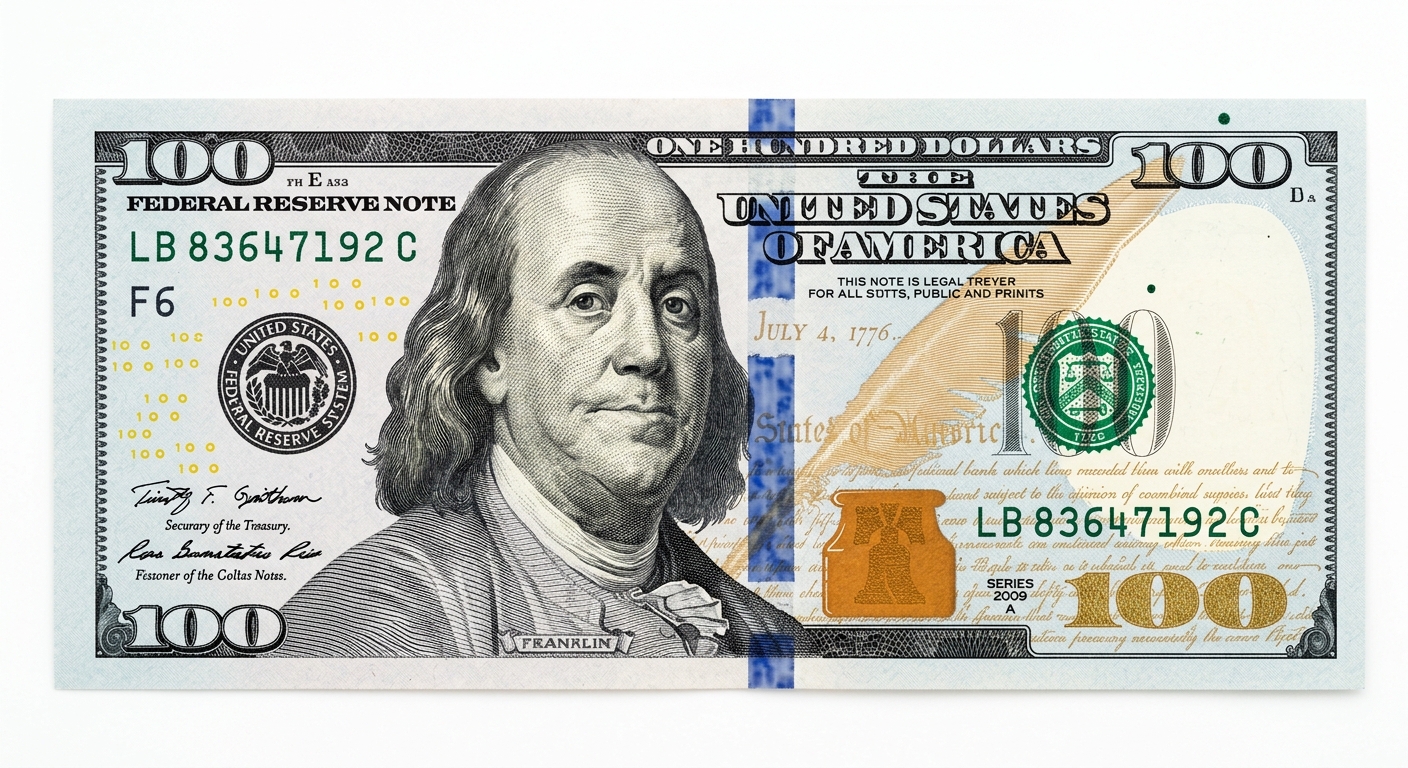
Color Shifting Ink and Security Features: The Visual Evolution of US Notes 1990–2013

From the first magnetic ink strips of 1990 to the dramatic color-shifting bells and inkwells of the 2009 redesigns, US currency underwent its most radical visual transformation in over a century. Understanding these security features is essential for collectors dating notes, spotting varieties, and appreciating the government’s ongoing battle against counterfeiting.

Read More →

Insufficient Inking on Intaglio-Printed Currency: When Portraits Fade and What It Means for Your Collection

Insufficient inking errors on intaglio-printed Federal Reserve Notes produce some of the most visually dramatic and genuinely rare error currency in American numismatics. Understanding how these defects occur, how graders evaluate them, and which series command serious premiums can transform how you approach the error note market.

Read More →