
US Notes

Color Shifting Ink and Security Features: The Visual Evolution of US Notes 1990–2013
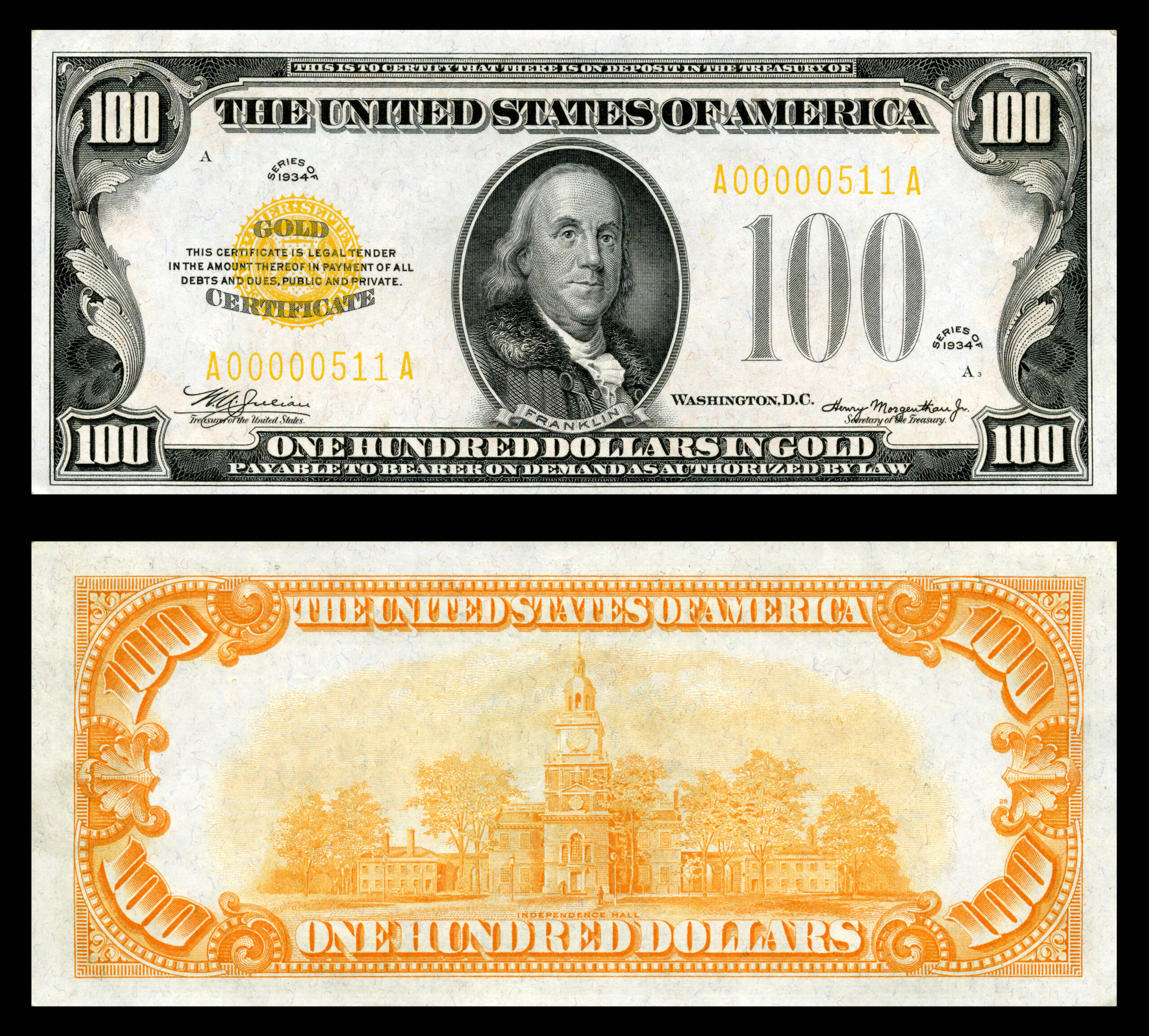
From the first magnetic ink strips of 1990 to the dramatic color-shifting bells and inkwells of the 2009 redesigns, US currency underwent its most radical visual transformation in over a century. Understanding these security features is essential for collectors dating notes, spotting varieties, and appreciating the government’s ongoing battle against counterfeiting.

Read More →

The New Portrait Style of the 1996 Series: Why Benjamin Franklin’s Face Got Bigger

In 1996, the Federal Reserve dramatically redesigned the $100 bill, enlarging Benjamin Franklin’s portrait and shifting it off-center in the most significant visual overhaul of American currency in decades. Understanding what drove those changes, and how they affect collectibility today, is essential knowledge for any serious note collector.

Read More →

The Currency Education Program: How the Federal Reserve Teaches the Public to Detect Counterfeits

The Federal Reserve’s Currency Education Program is a decades-long initiative that has reshaped how Americans identify genuine banknotes, and its rollout history is a roadmap for collectors tracking modern security features by series. Understanding the program’s milestones helps collectors authenticate notes with confidence and pinpoint which design generations carry the most significant anti-counterfeiting innovations.

Read More →