US Notes

The BEP’s 1929 Currency Reduction Program: Why America Switched from Large to Small-Size Notes
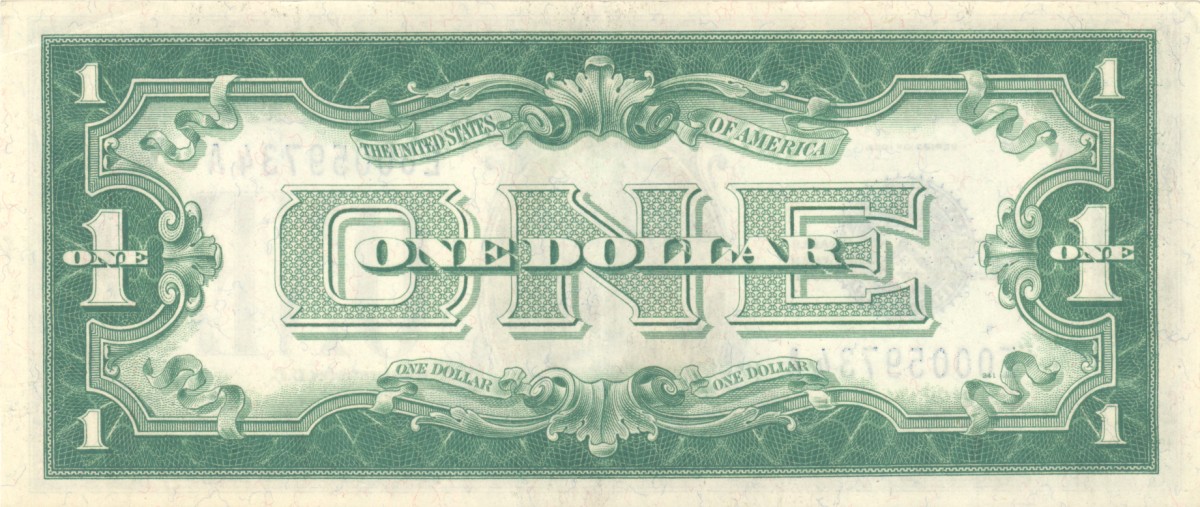
In 1929, the Bureau of Engraving and Printing executed one of the most sweeping transformations in American monetary history, shrinking paper currency by roughly 25 percent and standardizing its design for the first time. Understanding the economics, logistics, and collecting implications of this change reveals why the 1929 transition remains one of the most consequential events in US paper money history.

Read More →
Shifted Face Printings on Small-Size Notes: How Far Is Too Far and What Collectors Pay

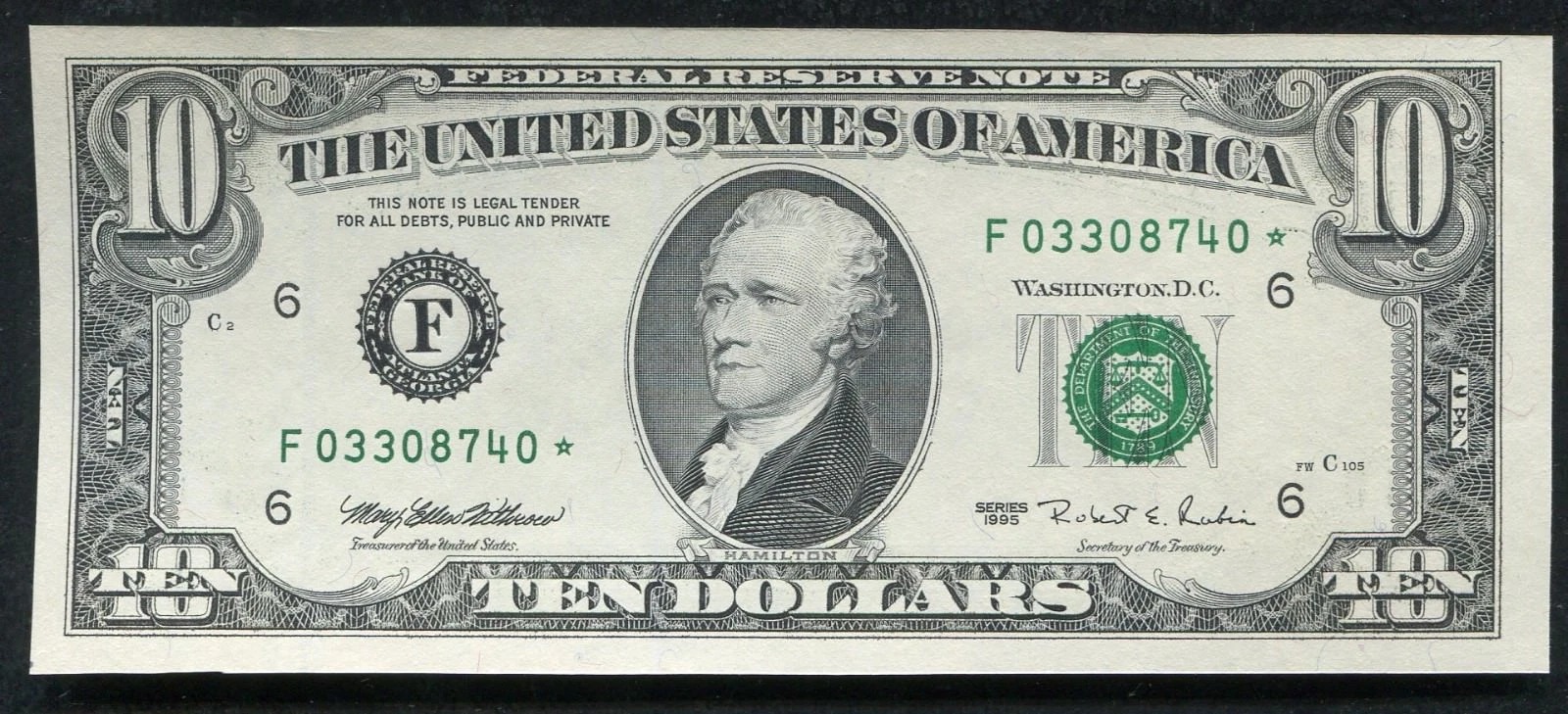
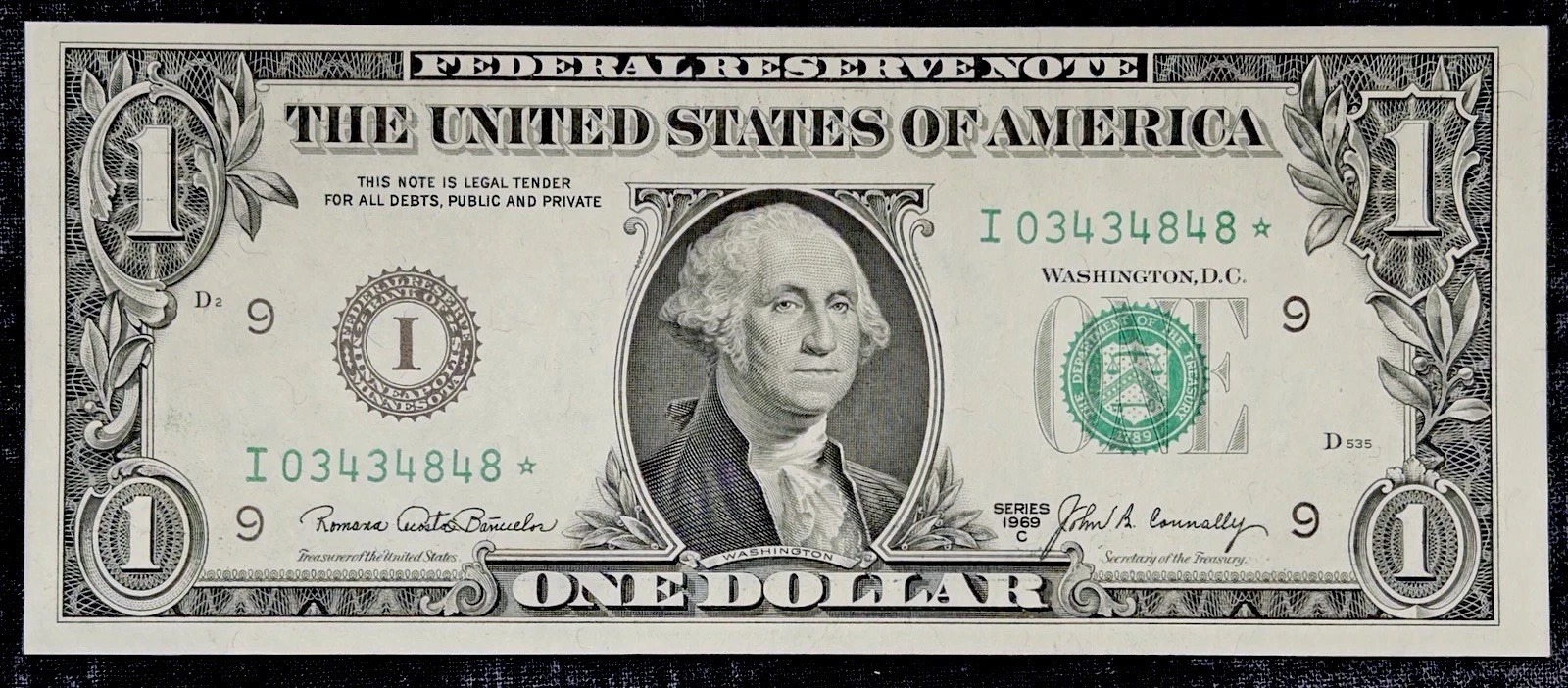
A shifted face printing can transform an ordinary small-size note into a dramatic error worth hundreds or even thousands of dollars, but understanding the spectrum from minor misalignment to spectacular off-center shifts is essential before you spend a dime. This guide breaks down exactly how these errors occur, how graders and dealers measure them, and what the current market actually pays across different denominations and series.

Read More →

Federal Reserve Notes Series 1969C $1: The Short-Lived Series Overshadowed by Its Neighbors

The Series 1969C $1 Federal Reserve Note had one of the smallest combined print runs of any postwar dollar series, sandwiched between the prolific 1969B and the landmark 1969D. Collectors who overlook this brief series are missing some genuinely scarce star notes and district rarities that punch well above their face value.

Read More →

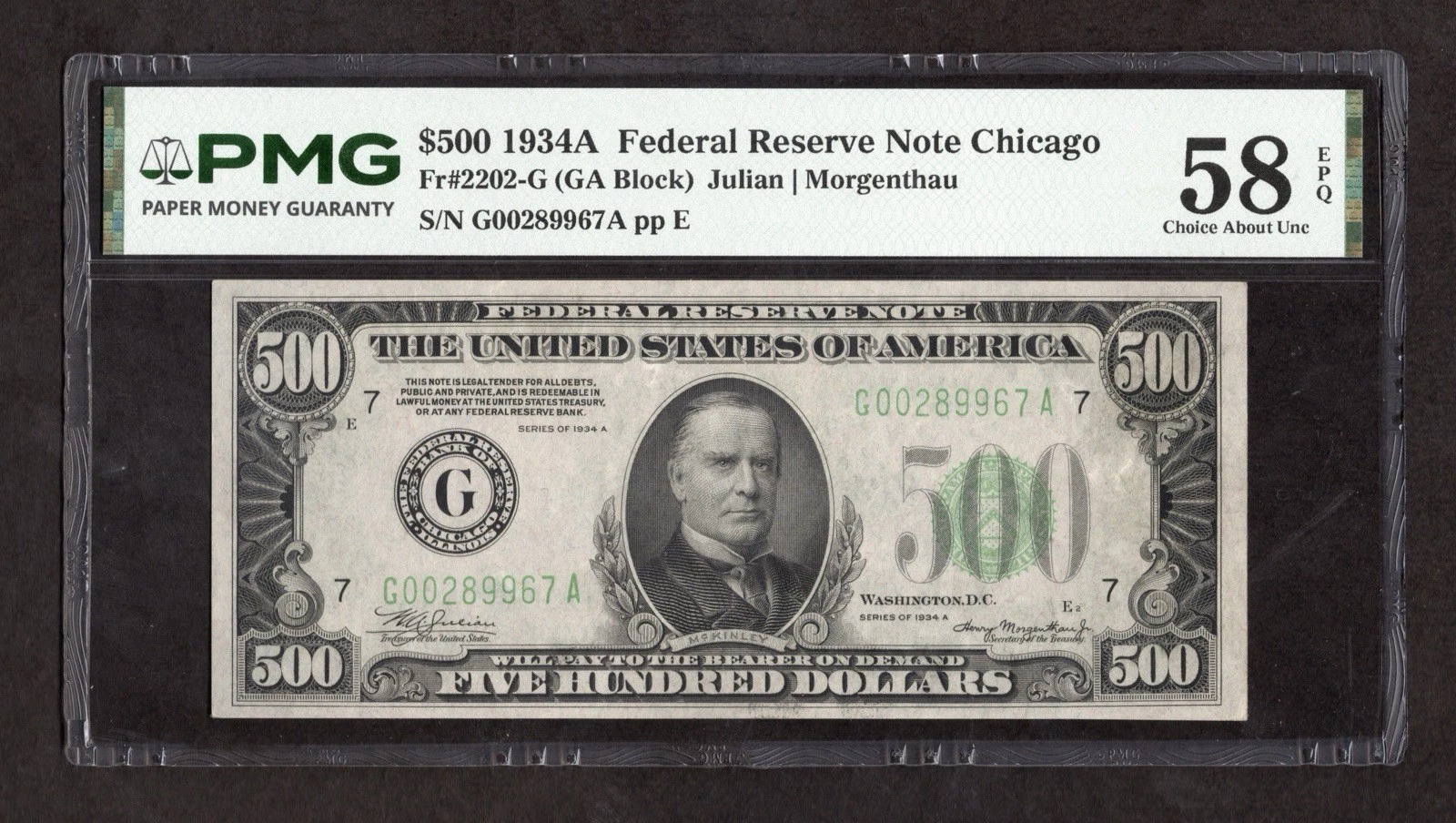
Emergency Banking Relief Act of 1933: The Legislation That Replaced Gold-Payable Currency with Federal Reserve Notes

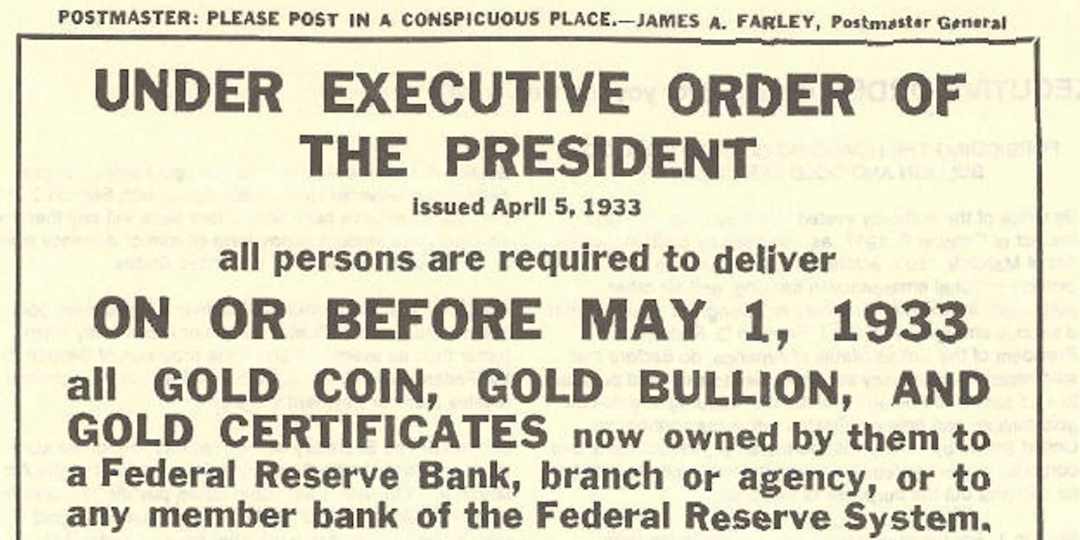
The Emergency Banking Relief Act of 1933 reshaped the entire foundation of American currency almost overnight, ending the gold-redeemable era and cementing Federal Reserve Notes as the nation’s sole circulating paper money. Understanding this pivotal legislation is essential for any collector who wants to grasp why notes printed before and after 1933 look, feel, and read so differently.

Read More →

Fiber Inclusion Errors: When Foreign Threads and Materials Get Embedded in Currency Paper

Fiber inclusion errors occur when stray threads, hairs, fabric fragments, or other foreign materials become trapped within the substrate of Federal Reserve Notes during the papermaking process. These visually striking and often underappreciated errors occupy a fascinating corner of error note collecting, with some specimens commanding serious premiums among specialists.

Read More →

The Series 1977A $1 Federal Reserve Note: Subtle Seal and Back Plate Varieties That Separate Early from Late Production

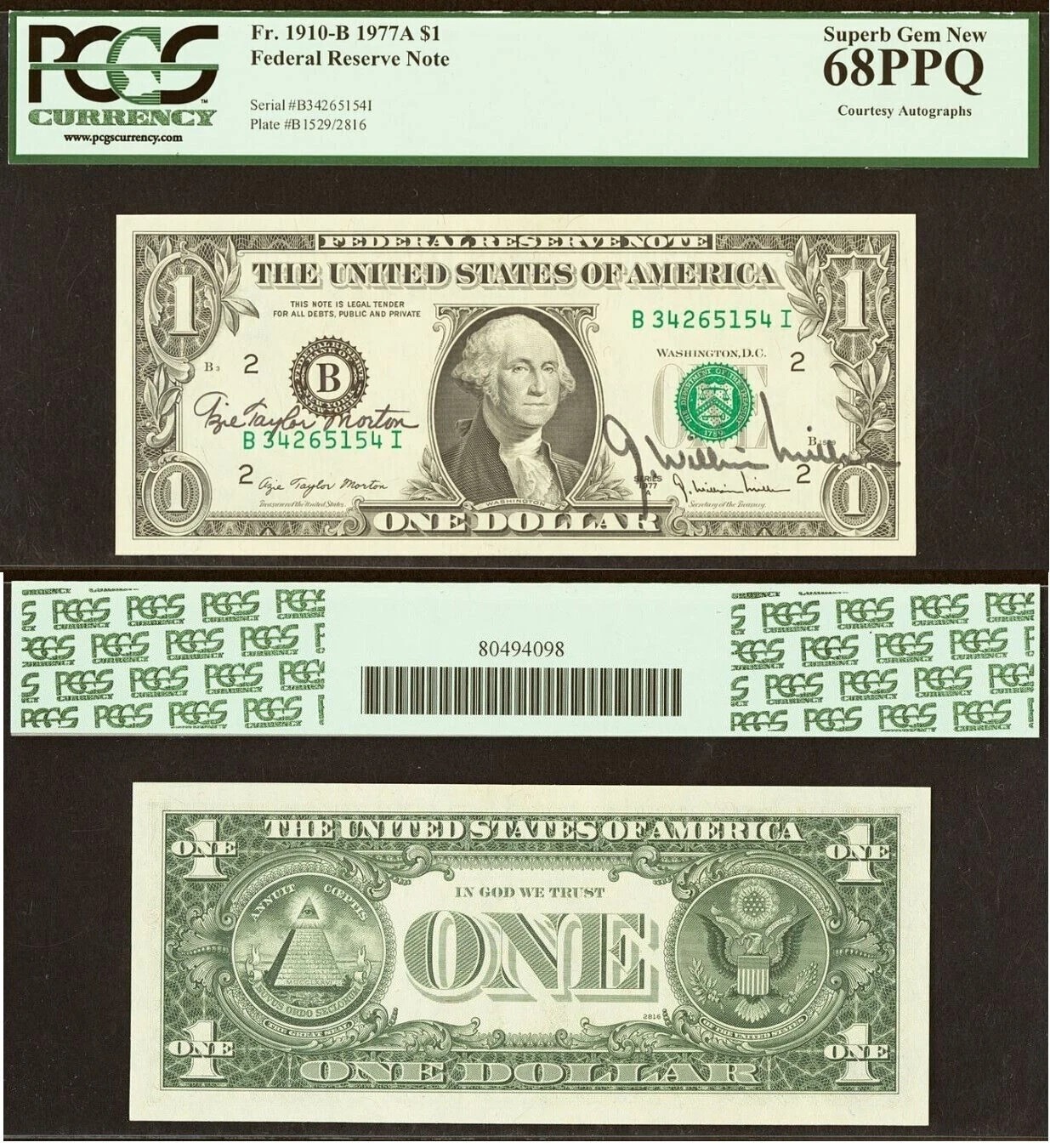
The Series 1977A $1 Federal Reserve Note looks deceptively uniform at first glance, but early versus late production runs reveal meaningful differences in seal shade, plate numbering, and district frequency that serious collectors prize. Understanding these distinctions can transform a common dollar bill into a targeted collecting pursuit with genuine numismatic depth.

Read More →

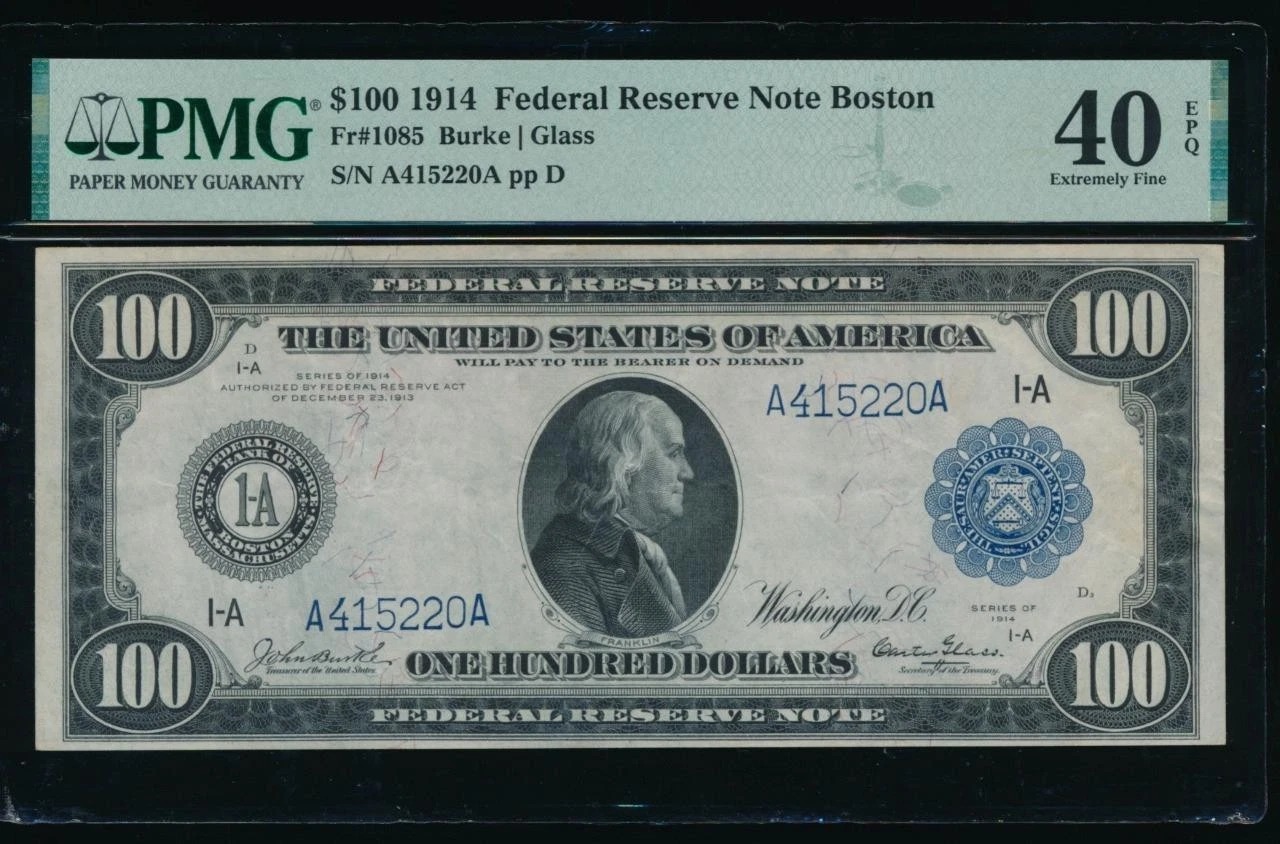
How the Federal Reserve Seal Typography Evolved from 1914 to 1969: Letter Spacing, Weight, and the Districts That Printed Longest

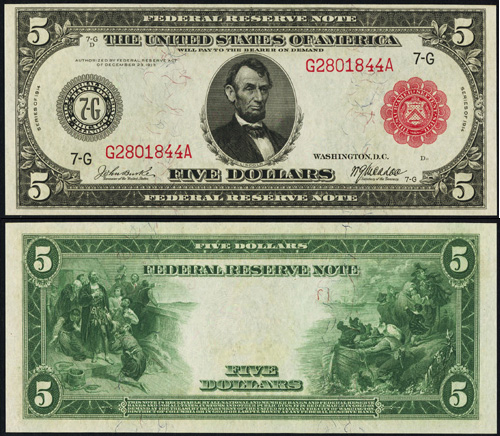
The circular seal pressed onto every Federal Reserve Note tells a surprisingly detailed story about American printing history, bureaucratic change, and regional banking politics. From the heavy Gothic lettering of 1914 to the streamlined sans-serif district identifiers of 1969, collectors who learn to read these subtle typographic shifts unlock a powerful tool for dating, authenticating, and valuing their notes.

Read More →

The Panic of 1907: The Banking Crisis That Forced America to Create the Federal Reserve Dollar

The Panic of 1907 brought the United States financial system to its knees in a matter of weeks, exposing the catastrophic vulnerability of a nation without a central bank. Understanding this crisis is essential for collectors, because every Federal Reserve Note in your album exists directly because of the chaos that unfolded on Wall Street that October.

Read More →

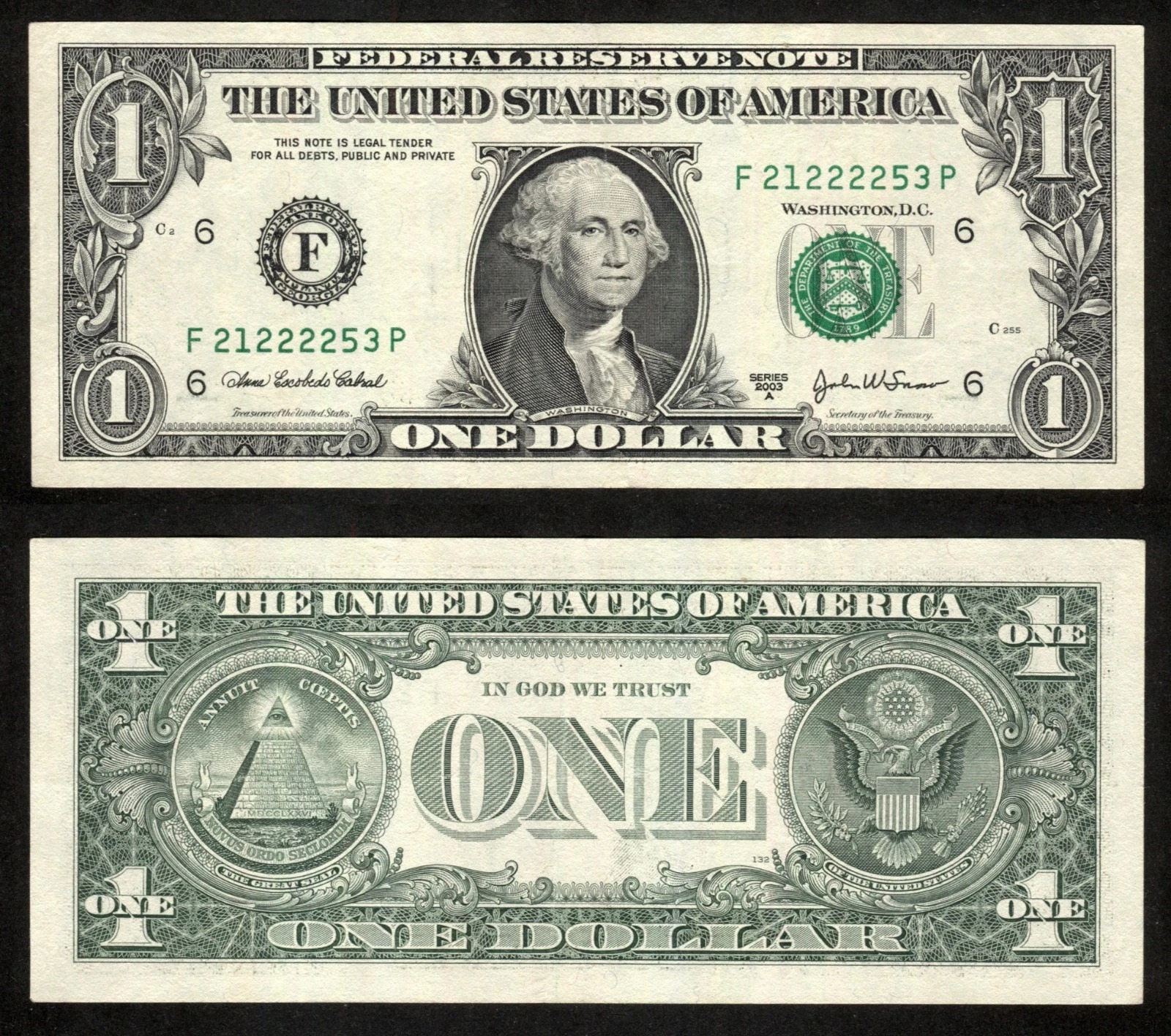
Federal Reserve Notes Series 2003A $1: Which Districts Issued the Lowest Star Note Print Runs and What They Sell For Today

The Series 2003A $1 Federal Reserve Note produced some of the most dramatically uneven star note print runs in modern currency history, creating a genuine rarity hierarchy across the twelve Federal Reserve districts. Understanding which districts printed the fewest replacement notes, and why, can mean the difference between buying a $3 bill and missing a $150 one.

Read More →

The Bureau of Engraving and Printing’s Public Gallery: A Century of Educating Visitors About American Currency

For over a century, the Bureau of Engraving and Printing has opened its doors to millions of curious visitors, offering an unparalleled look at how America’s paper money is designed, printed, and finished. Understanding the BEP’s public tour history adds rich context to any currency collection and reveals the fascinating intersection of security, craftsmanship, and public transparency.

Read More →