
US Notes

Series 1981 $1 Federal Reserve Note Varieties: The Subtle Plate and Seal Changes That Separate Early from Late Printings
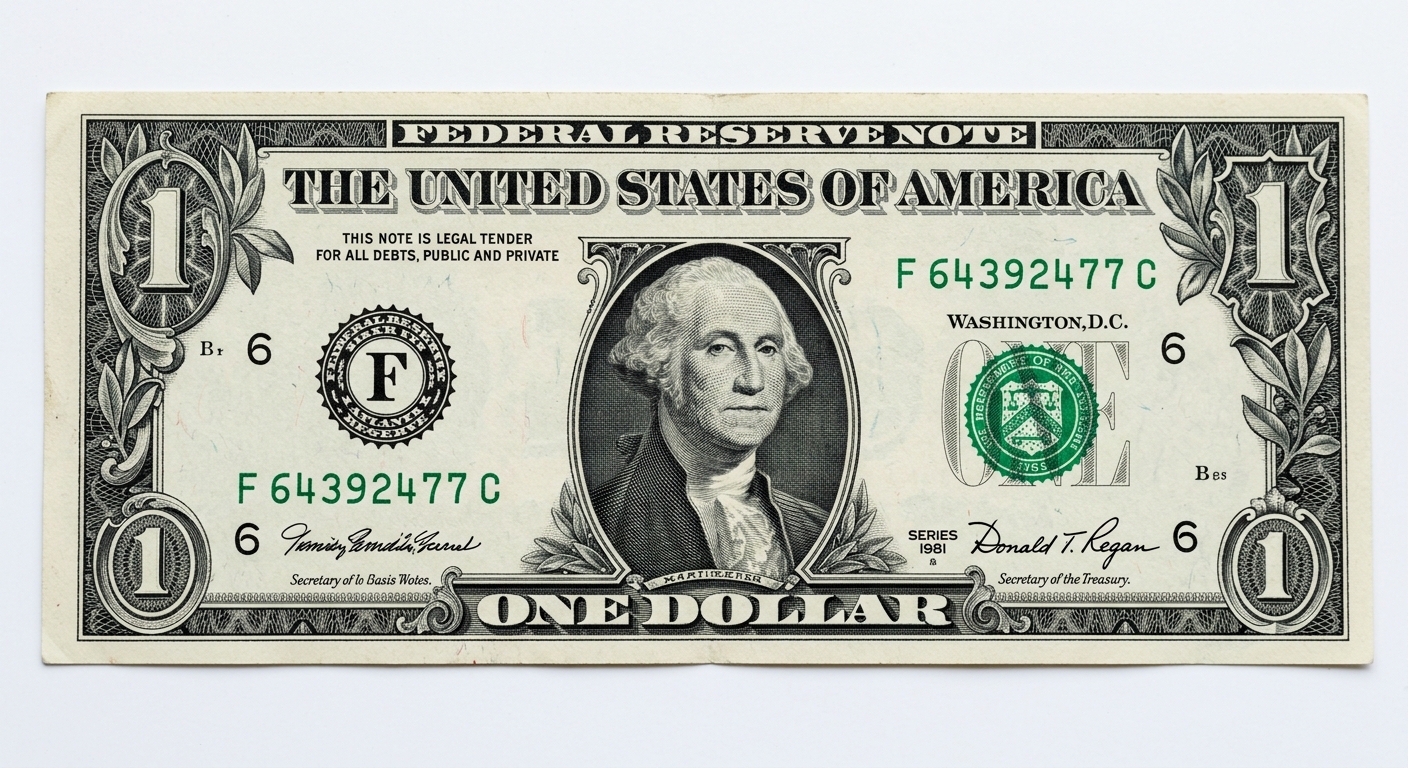
The Series 1981 $1 Federal Reserve Note looks deceptively uniform at first glance, but careful examination reveals meaningful differences in Treasury seal size, plate letter positions, and FRB district printings that separate scarce early runs from common later issues. Understanding these varieties can transform an overlooked pocket change find into a genuine numismatic discovery.

Read More →
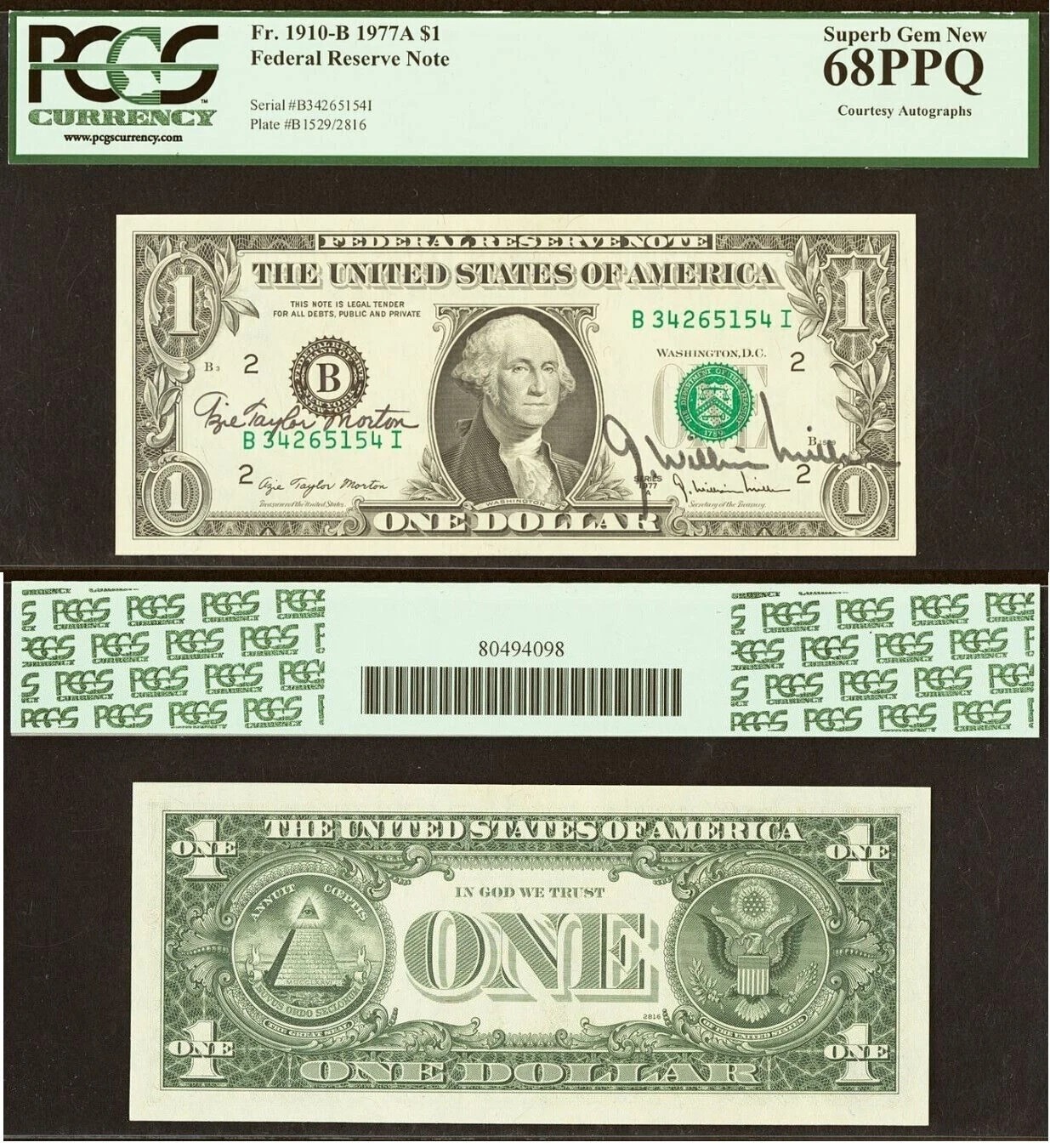
The Series 1977A $1 Federal Reserve Note: Subtle Seal and Back Plate Varieties That Separate Early from Late Production

The Series 1977A $1 Federal Reserve Note looks deceptively uniform at first glance, but early versus late production runs reveal meaningful differences in seal shade, plate numbering, and district frequency that serious collectors prize. Understanding these distinctions can transform a common dollar bill into a targeted collecting pursuit with genuine numismatic depth.

Read More →

Federal Reserve Notes Series 1988A $1: The Web Press Precursor and Its Overlooked Plate Varieties

The Series 1988A $1 Federal Reserve Note sits at a pivotal crossroads in American printing history, bridging conventional sheet-fed production with the experimental web press program that would follow. For collectors willing to dig into plate varieties, district scarcities, and star note populations, this series rewards careful study far beyond its face value.

Read More →

Series 1935F $1 Silver Certificate Varieties: Narrow vs. Wide Back Printing Differences Explained

The Series 1935F $1 Silver Certificate hides one of the most visually distinct yet widely misunderstood production varieties in mid-century American paper money: the Narrow Back and Wide Back printing differences. Understanding exactly what changed on the press, why it happened, and how to tell them apart can meaningfully affect your collection’s value and completeness.

Read More →