US Notes

Centering Standards for Small-Size Federal Reserve Notes: How PMG and PCGS Measure Margins and When Centering Caps a Grade
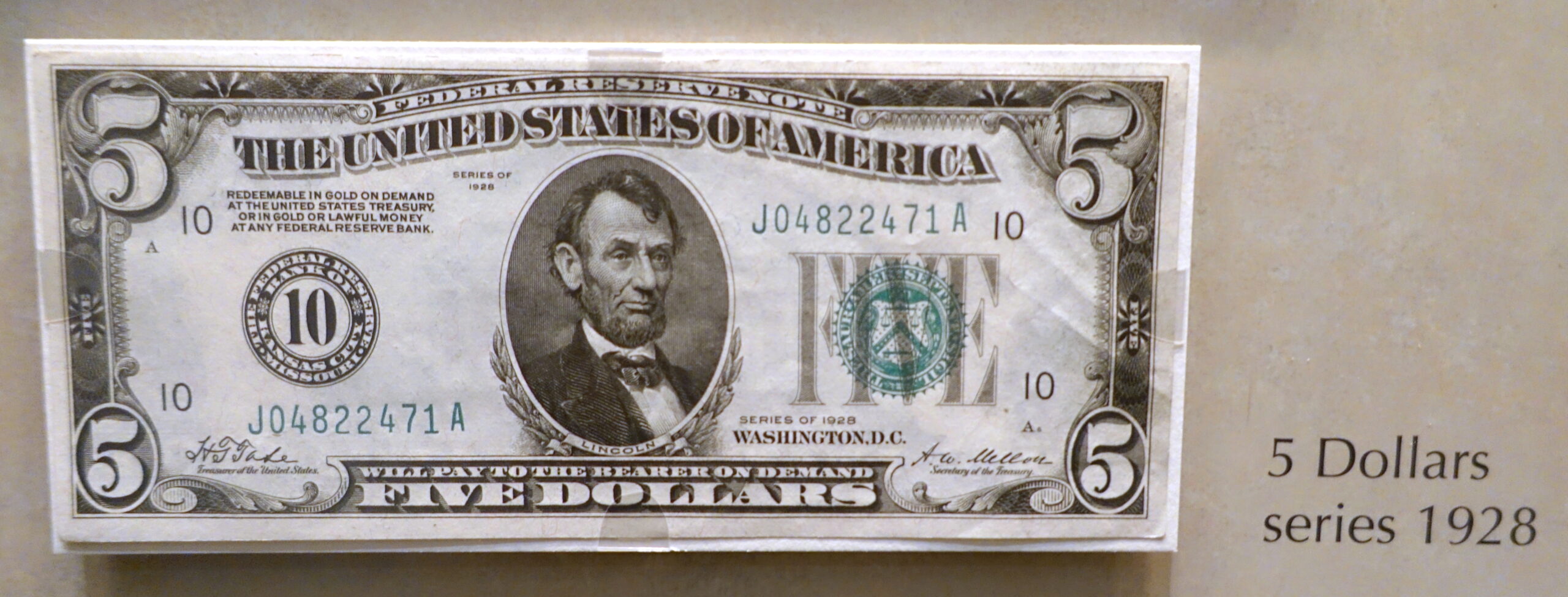
Centering is one of the most misunderstood grading criteria in paper money collecting, yet it can be the single factor that drops a crisp, bright note from a 67 to a 63. This guide breaks down exactly how PMG and PCGS Currency measure margins on small-size Federal Reserve Notes, which series are notorious for poor centering, and how savvy collectors can use this knowledge to find undervalued gems.

Read More →
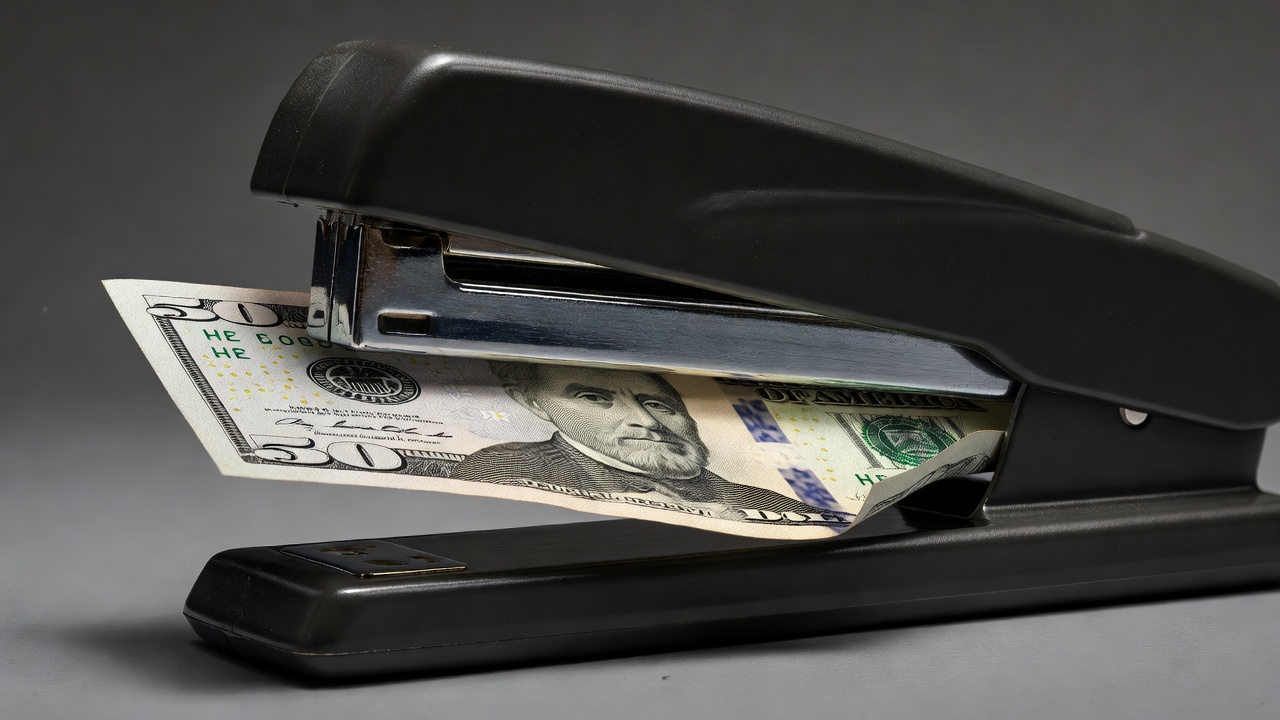
Staple Holes and Currency Grading: What PMG and PCGS Really Think About Those Tiny Punctures

Staple holes are among the most misunderstood defects in paper money grading, capable of dropping a visually crisp note several grade points depending on their number and placement. This guide breaks down exactly how PMG and PCGS Currency evaluate staple damage, where location matters most, and what collectors should know before buying or submitting a note.

Read More →

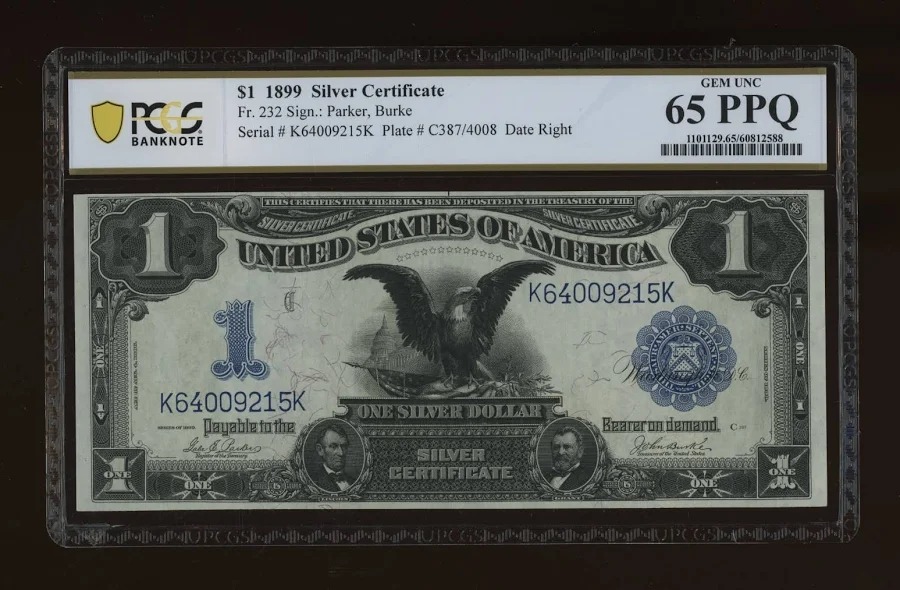
Gem Uncirculated 65 EPQ: What the Exceptional Paper Quality Designation Really Means

The EPQ designation from PCGS Currency and PMG can add significant value to a graded banknote, but few collectors fully understand what examiners are actually looking for. This guide breaks down the technical criteria, explains how EPQ affects market premiums, and shows you how to develop the eye for paper quality before you submit.

Read More →

Counting Machine Damage on Paper Money: How ATM and Bank Processing Hurts Grades

Counting machines, ATMs, and high-speed bank processing equipment inflict specific, recognizable damage patterns that can drop a note’s grade by two or more full points. Understanding these mechanical injuries helps collectors avoid costly mistakes and spot problem notes before they end up in their collections.

Read More →

Washed Notes: How Criminals Bleach Low-Denomination Bills to Fake High-Value Currency and What Collectors Must Know

Washed notes, created by chemically stripping genuine low-denomination bills and reprinting them as high-denomination currency, represent one of the most deceptive counterfeiting techniques ever devised. Understanding the forensic tells, historical context, and authentication methods behind washed notes is essential knowledge for every serious currency collector.

Read More →

Pressed Notes: How to Detect Artificial Pressing and Why It Destroys Collector Value

Artificial pressing is one of the most deceptive forms of currency manipulation in the hobby, capable of turning a circulated note into a convincing but fraudulent uncirculated specimen. Learn how to spot the telltale signs of pressing, which notes are most commonly targeted, and how this hidden damage can slash thousands of dollars from a collection’s true worth.

Read More →

The 58 EPQ Grade: Why About Uncirculated Currency with Exceptional Paper Quality Rivals Lower-Graded Gem Examples in Collector Preference

A PCGS or PMG grade of 58 EPQ sits at a fascinating crossroads in currency collecting, where a note with barely detectable handling can outperform a technically higher-graded example lacking the EPQ designation. Understanding why collectors increasingly prize the AU-58 EPQ grade over 63 or even 64 non-EPQ notes can reshape your entire buying strategy.

Read More →

How to Grade Your Own Notes Before Submitting: A Pre-Screening Checklist for Collectors

Submitting a note to PCGS Currency or PMG without doing your homework first can cost you real money in grading fees on notes that won’t return the investment. This comprehensive pre-screening checklist walks you through the exact criteria professional graders use, so you can make smarter submission decisions and spot upgrade candidates hiding in your collection.

Read More →

Radar Notes: Serial Number Palindromes and How to Find Them in Circulation

Radar notes, Federal Reserve Notes whose serial numbers read the same forwards and backwards, are one of the most accessible fancy serial number varieties for everyday collectors. This guide explains exactly what makes a radar note valuable, which series and districts produce the rarest examples, and how to systematically hunt them from circulation or dealer inventories.

Read More →

Currency Grading Fundamentals: The Difference Between VF-30 and EF-40 in Plain Language

Understanding the precise line between Very Fine-30 and Extremely Fine-40 can mean hundreds of dollars difference on a single note. This guide breaks down exactly what graders are looking for, with real-world examples from classic US currency series.

Read More →