
US Notes

Staple Holes and Currency Grading: What PMG and PCGS Really Think About Those Tiny Punctures
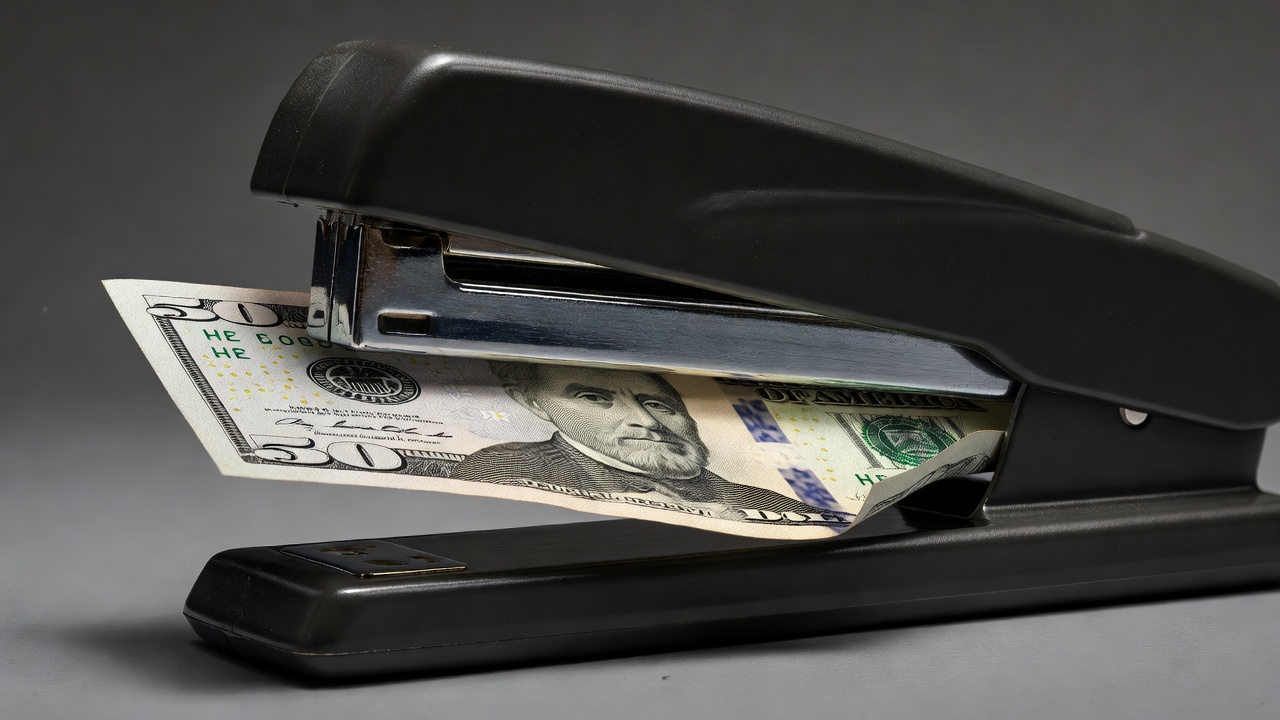
Staple holes are among the most misunderstood defects in paper money grading, capable of dropping a visually crisp note several grade points depending on their number and placement. This guide breaks down exactly how PMG and PCGS Currency evaluate staple damage, where location matters most, and what collectors should know before buying or submitting a note.

Read More →

Manuscript Notations on Currency: When Period Ink Writing Adds Historical Context and When It Tanks the Grade

A period ink inscription on a banknote can be a fascinating window into history or a grade-crushing defect, and knowing the difference is one of the most nuanced skills in currency grading. This guide walks collectors through how PCGS Currency, PMG, and independent graders evaluate manuscript notations, with specific examples from Civil War-era demand notes to Depression-era small-size issues.

Read More →

Net Grading Explained: How Pinholes, Rust, and Stains Create Split Grades on US Currency

Net grading is one of the most misunderstood concepts in paper money collecting, yet it directly affects the value of thousands of notes in today’s market. This guide breaks down exactly how PCGS Currency, PMG, and independent dealers apply net grades, and what that means when you are buying, selling, or submitting notes for certification.

Read More →