US Notes

Series 1882 $50 National Bank Note Brown Back: Surviving Examples by State and What Prices Look Like in Fine
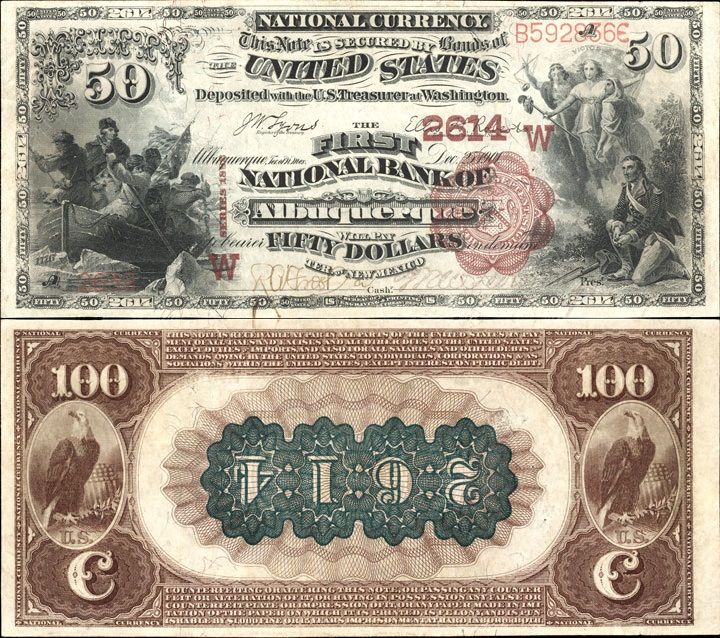
The Series 1882 $50 Brown Back National Bank Note is one of the most geographically diverse and historically compelling large-size notes in American currency, issued by hundreds of banks across dozens of states during a pivotal era of national banking. This guide breaks down surviving census populations by state, signature combinations, and what collectors should realistically expect to pay for a Fine-grade example today.

Read More →
Greenbacks and Gunboats: How Dollar Diplomacy Under Taft Turned American Currency Into a Foreign Policy Weapon in Latin America

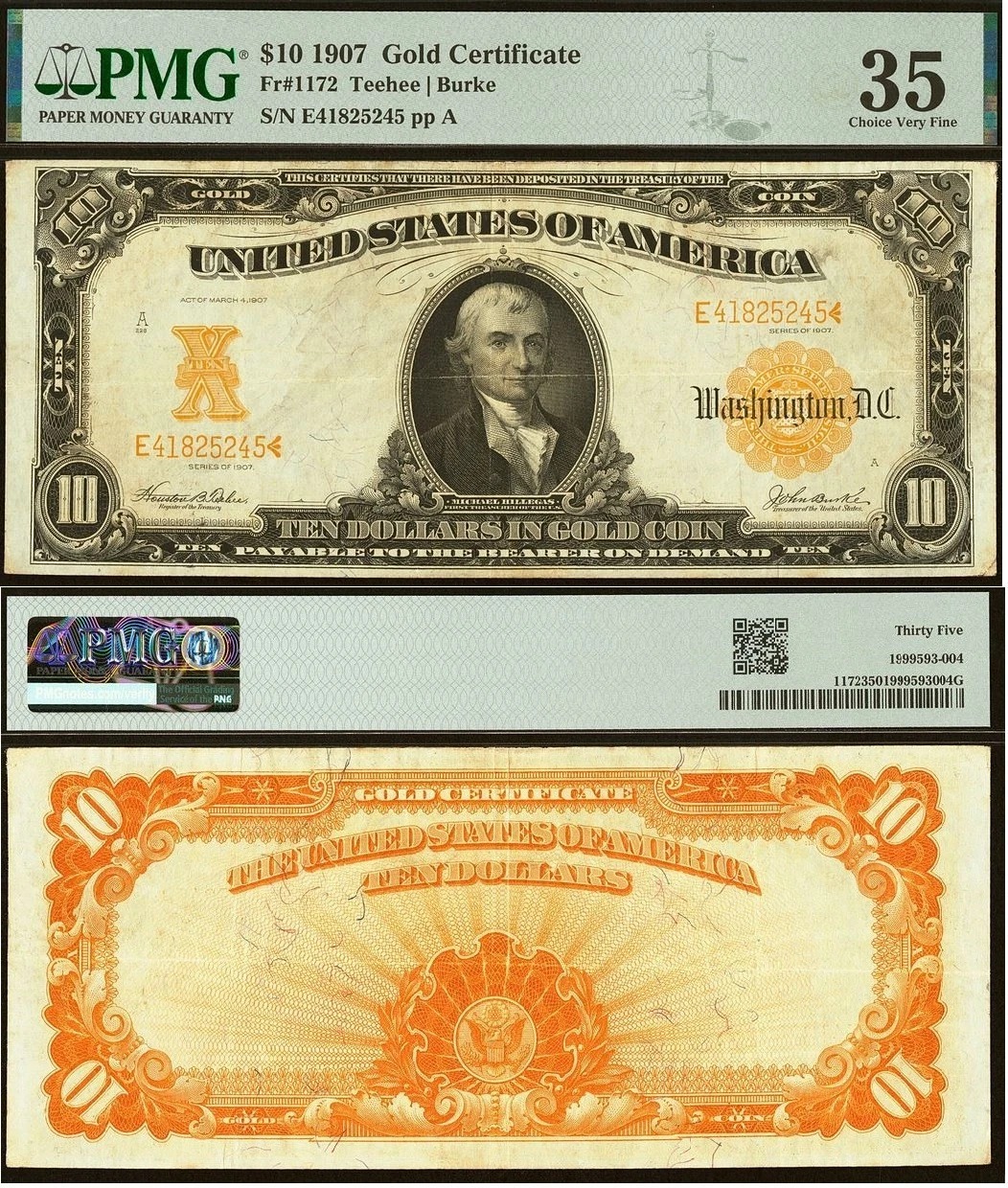
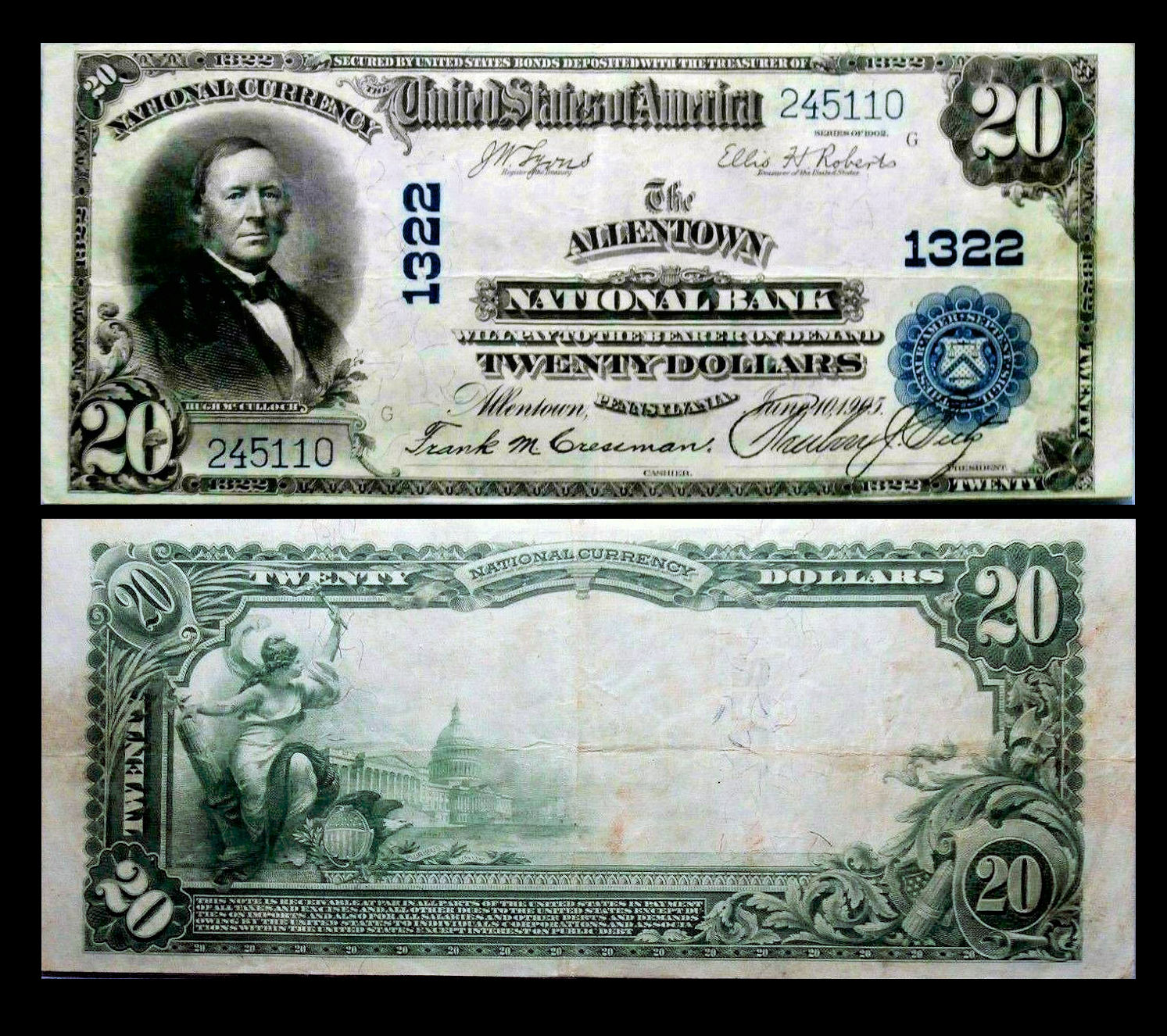
Between 1909 and 1913, President William Howard Taft and Secretary of State Philander Knox pursued a strategy of replacing military intervention with financial leverage across Latin America, using American banking houses and US dollar instruments to dominate sovereign economies. Understanding this era illuminates why certain National Currency notes and Federal Reserve precursor instruments from this period carry unusual provenance, and why the dollar’s international reputation was being forged at the very moment US paper money was undergoing its own transformation.

Read More →

Grading National Bank Notes: Why the Issuing Bank Creates a Separate Value Tier Beyond Condition

When it comes to National Bank Notes, condition alone tells only half the story. The rarity of the issuing bank can transform a well-worn Fine-12 note into a trophy piece worth multiples of its Uncirculated counterpart from a common charter.

Read More →

Manifest Destiny on Paper: How 19th Century US Currency Depicted Westward Expansion from Covered Wagons to Pacific Railroads

The Bureau of Engraving and Printing turned America’s most ambitious national narrative into finely engraved vignettes on Demand Notes, Legal Tender Notes, and National Bank Notes between the 1860s and 1890s. Understanding these images transforms ordinary 19th century currency into windows onto the ideology that shaped a continent.

Read More →

Series 1929 National Bank Note Type 1: Wide vs. Narrow Margin Varieties and What the Plate Numbers Tell Us

The Series 1929 National Bank Note Type 1 hides a fascinating production secret in its margins: two distinct sheet-layout varieties that most collectors overlook. Understanding wide versus narrow margin plates unlocks a new dimension of collecting these Depression-era small-size nationals.

Read More →

Eagles, Shields, and Flags: Patriotic Symbolism Across US Currency Designs

From the fierce bald eagle on early National Bank Notes to the subtle flag imagery woven into modern Federal Reserve Notes, patriotic symbols have shaped American currency design for over 150 years. Understanding this visual language unlocks new layers of appreciation for the notes in your collection.

Read More →

The Panic of 1907: The Banking Crisis That Forced America to Create the Federal Reserve Dollar

The Panic of 1907 brought the United States financial system to its knees in a matter of weeks, exposing the catastrophic vulnerability of a nation without a central bank. Understanding this crisis is essential for collectors, because every Federal Reserve Note in your album exists directly because of the chaos that unfolded on Wall Street that October.

Read More →

How to Interpret the PMG Grading Scale for National Bank Notes: When Rarity of the Bank Overrides Condition in the Market

PMG grades tell you the condition of a National Bank Note, but they cannot tell you how rare the issuing bank actually is — and that gap is where real collector value lives. This guide breaks down how seasoned numismatists reconcile census data, charter numbers, and market realities to make smarter buying decisions.

Read More →

National Bank Notes Third Charter Period: Red Seals, Date Backs, and Plain Backs Compared

The Third Charter Period of National Bank Notes spans three distinct design varieties issued between 1902 and 1929, each telling a different story about American banking history and federal currency policy. Understanding the differences between Red Seals, Date Backs, and Plain Backs is essential knowledge for any serious collector of large-size nationals.

Read More →

The Changing Face of the $20 Note: From Large-Size Gold Certificates to the Modern Federal Reserve Note

The $20 denomination has traveled further than almost any other in American currency history, evolving from ornate large-size gold certificates of the 1860s through the security-laden portraits of today. Understanding that journey reveals not just artistic and political change, but the economic upheavals, wars, and policy shifts that reshaped the nation’s monetary system.

Read More →