
US Notes

Grading National Bank Notes: Why the Issuing Bank Creates a Separate Value Tier Beyond Condition
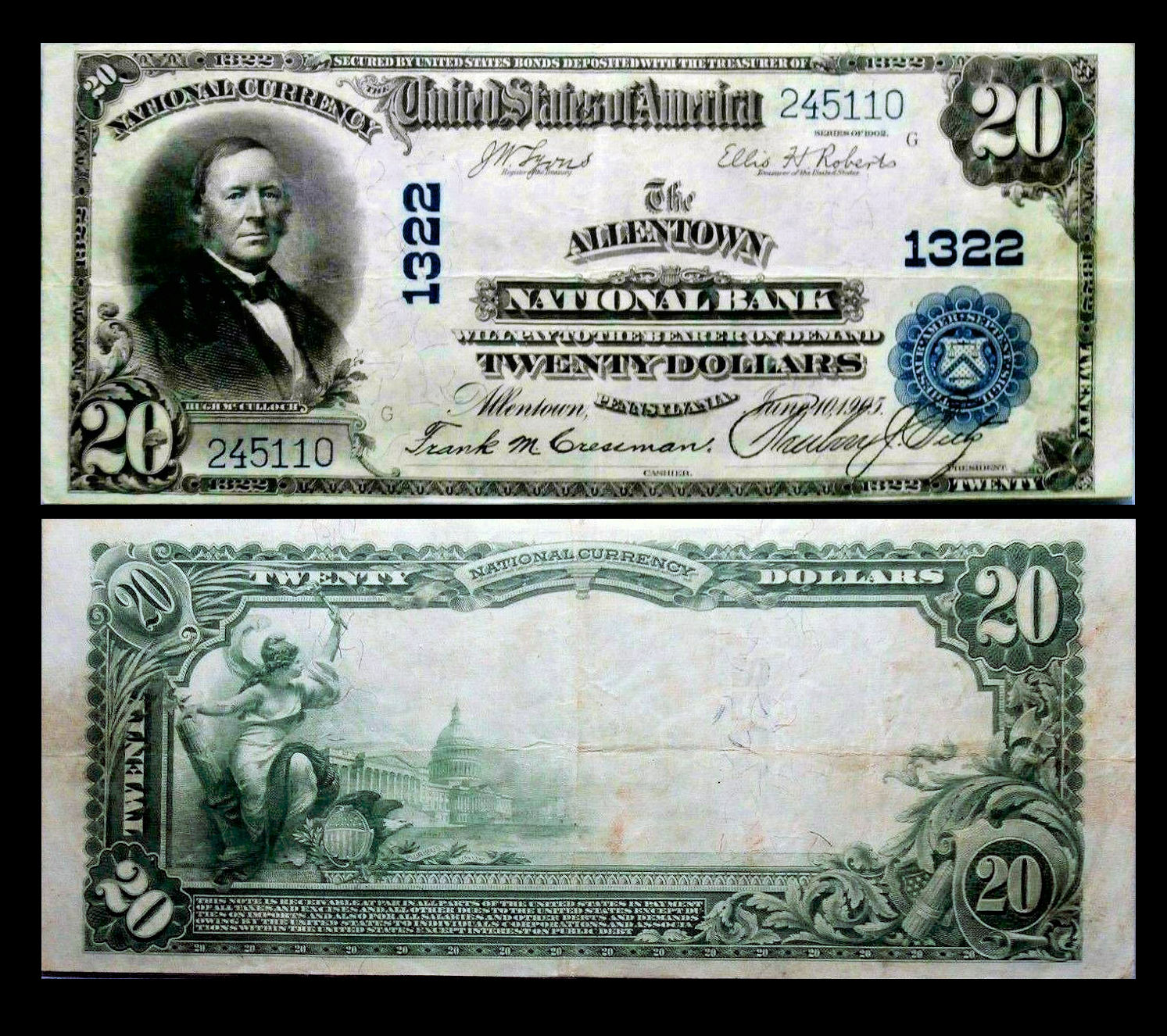
When it comes to National Bank Notes, condition alone tells only half the story. The rarity of the issuing bank can transform a well-worn Fine-12 note into a trophy piece worth multiples of its Uncirculated counterpart from a common charter.

Read More →

National Bank Notes Third Charter Period: Red Seals, Date Backs, and Plain Backs Compared

The Third Charter Period of National Bank Notes spans three distinct design varieties issued between 1902 and 1929, each telling a different story about American banking history and federal currency policy. Understanding the differences between Red Seals, Date Backs, and Plain Backs is essential knowledge for any serious collector of large-size nationals.

Read More →

The Series 1882 National Bank Note Brown Back: The Most Common Large-Size Charter Issue Explained

The Series 1882 Brown Back National Bank Notes represent the backbone of large-size National Currency collecting, issued by hundreds of banks across all denominations from 1882 to 1908. Understanding their varieties, charter numbers, signature combinations, and what separates a common example from a genuine rarity can transform how you approach this fascinating series.

Read More →

Skewed Overprints on 1929 National Bank Notes: Why Brown Seal Misalignments Happen More Often Than on Federal Notes

The brown seal overprints on Series 1929 National Bank Notes are among the most frequently misaligned impressions in all of U.S. paper money, and the reasons go straight to the heart of how these notes were manufactured. Understanding the mechanical and logistical causes behind these skewed seals, charter numbers, and bank title prints helps collectors identify genuine errors, distinguish them from post-issue damage, and make smarter buying decisions in today’s market.

Read More →