
US Notes

The Series 1929 $5 Federal Reserve Bank Note Brown Seal: A District-by-District Rarity Guide
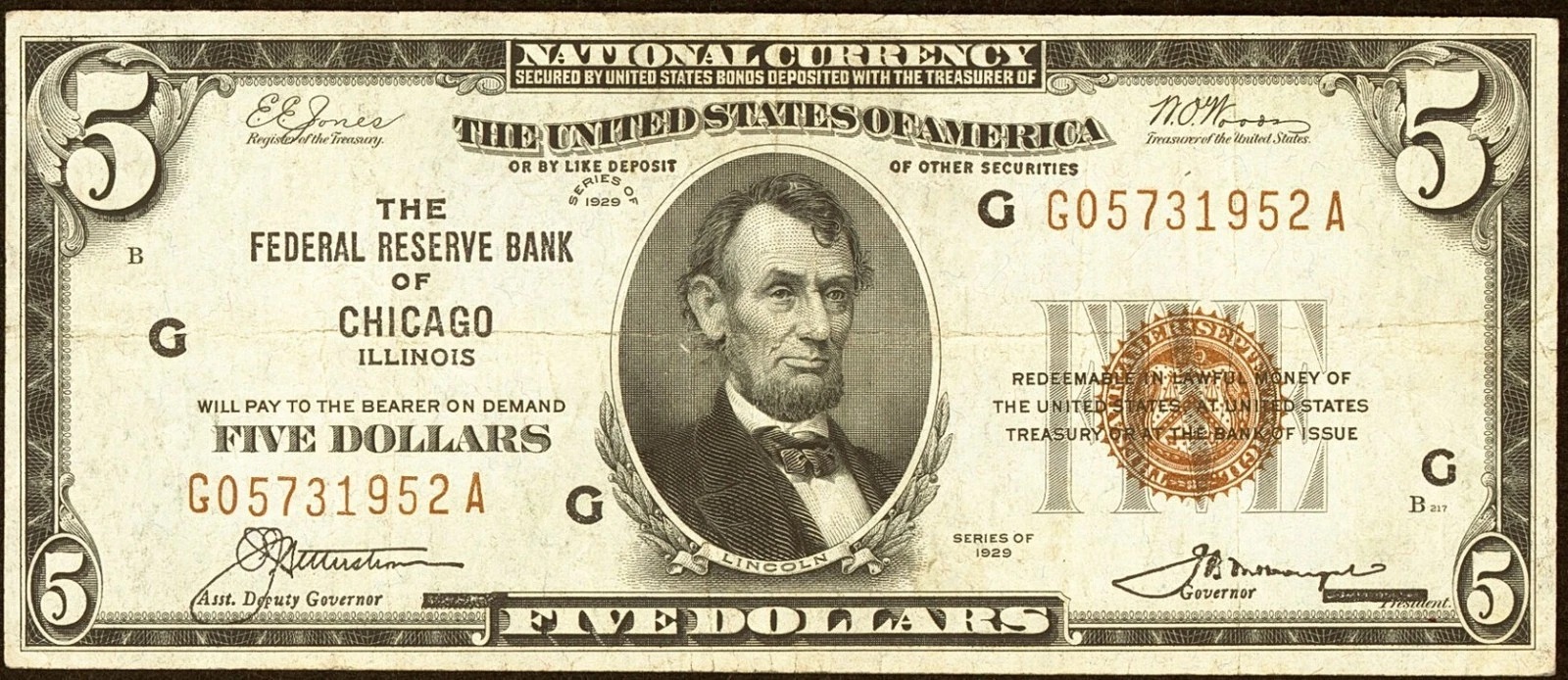
The Series 1929 $5 Federal Reserve Bank Note remains one of the most collectible small-size issues of the Depression era, with dramatic rarity swings from district to district. This guide breaks down print runs, key signature combinations, and survival rates so you can build a smarter, more complete collection.

Read More →

The Series 1929 $10 Federal Reserve Bank Note Brown Seal: A District-by-District Population Survey

The Series 1929 $10 Federal Reserve Bank Note remains one of the most systematically collectible small-size issues, with striking population disparities between the twelve Federal Reserve districts. This district-by-district survey arms collectors with the print run data, signature combinations, and market realities needed to build a meaningful set.

Read More →

Series 1929 $100 Federal Reserve Bank Note Brown Seal: The Highest Denomination Emergency Issue and Its District Populations

The Series 1929 $100 Federal Reserve Bank Note represents the pinnacle of an emergency currency program born from economic crisis, combining brown seal authority with district-level scarcity that makes certain examples among the most coveted large-denomination collectibles in American numismatics. This guide breaks down print runs by district, signature combinations, grading considerations, and what separates a common example from a true trophy note.

Read More →

Skewed Overprints on 1929 National Bank Notes: Why Brown Seal Misalignments Happen More Often Than on Federal Notes

The brown seal overprints on Series 1929 National Bank Notes are among the most frequently misaligned impressions in all of U.S. paper money, and the reasons go straight to the heart of how these notes were manufactured. Understanding the mechanical and logistical causes behind these skewed seals, charter numbers, and bank title prints helps collectors identify genuine errors, distinguish them from post-issue damage, and make smarter buying decisions in today’s market.

Read More →