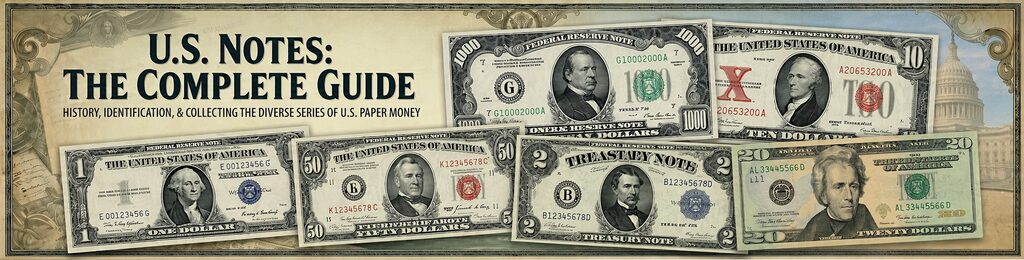
US Notes

Double Impression Errors on Federal Reserve Notes: A Complete Collector’s Guide to Notes That Passed Through the Press Twice
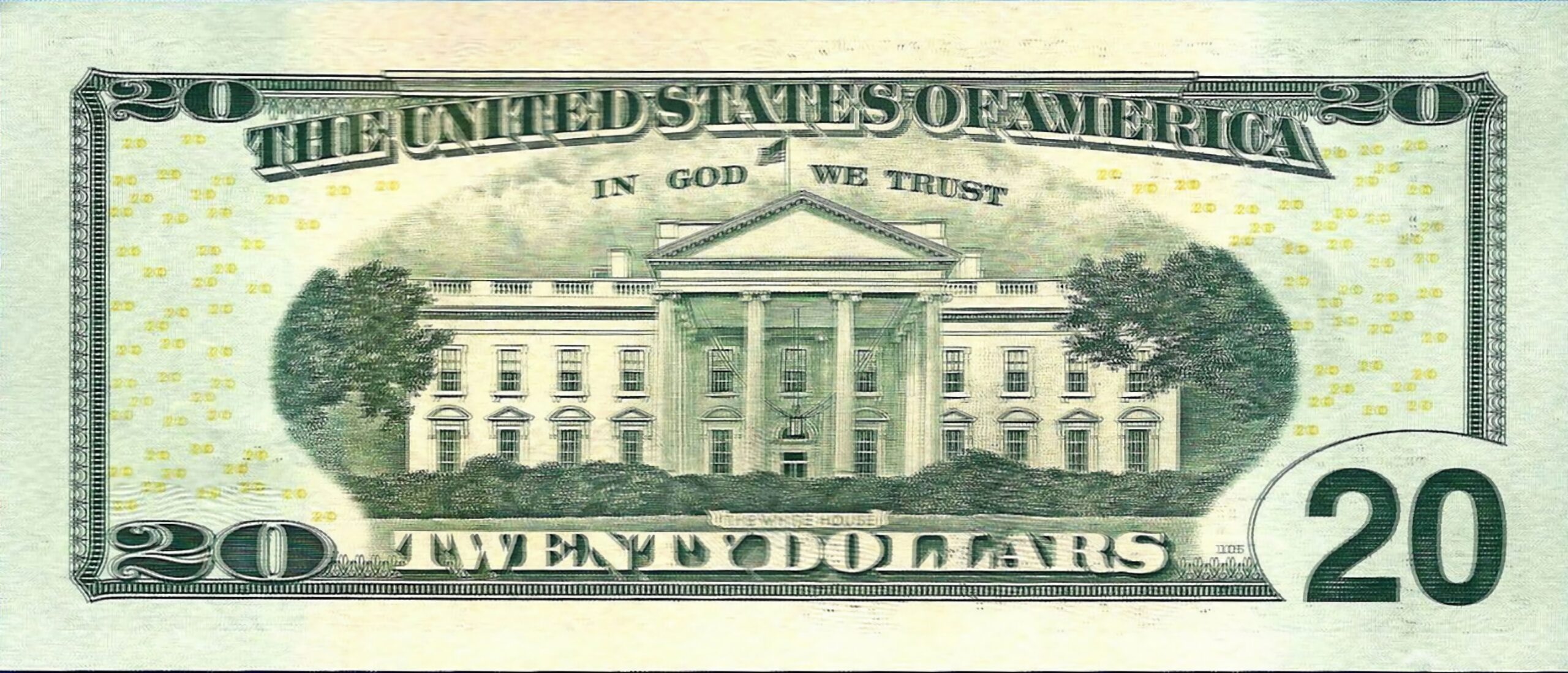
Double impression errors rank among the most visually dramatic and collectible mistakes in modern U.S. currency production, created when a note passes through the intaglio or offset press a second time and receives a ghostly duplicate image. This guide breaks down how these errors occur, which series and denominations produce the most desirable examples, and what collectors should expect to pay for certified specimens.

Read More →
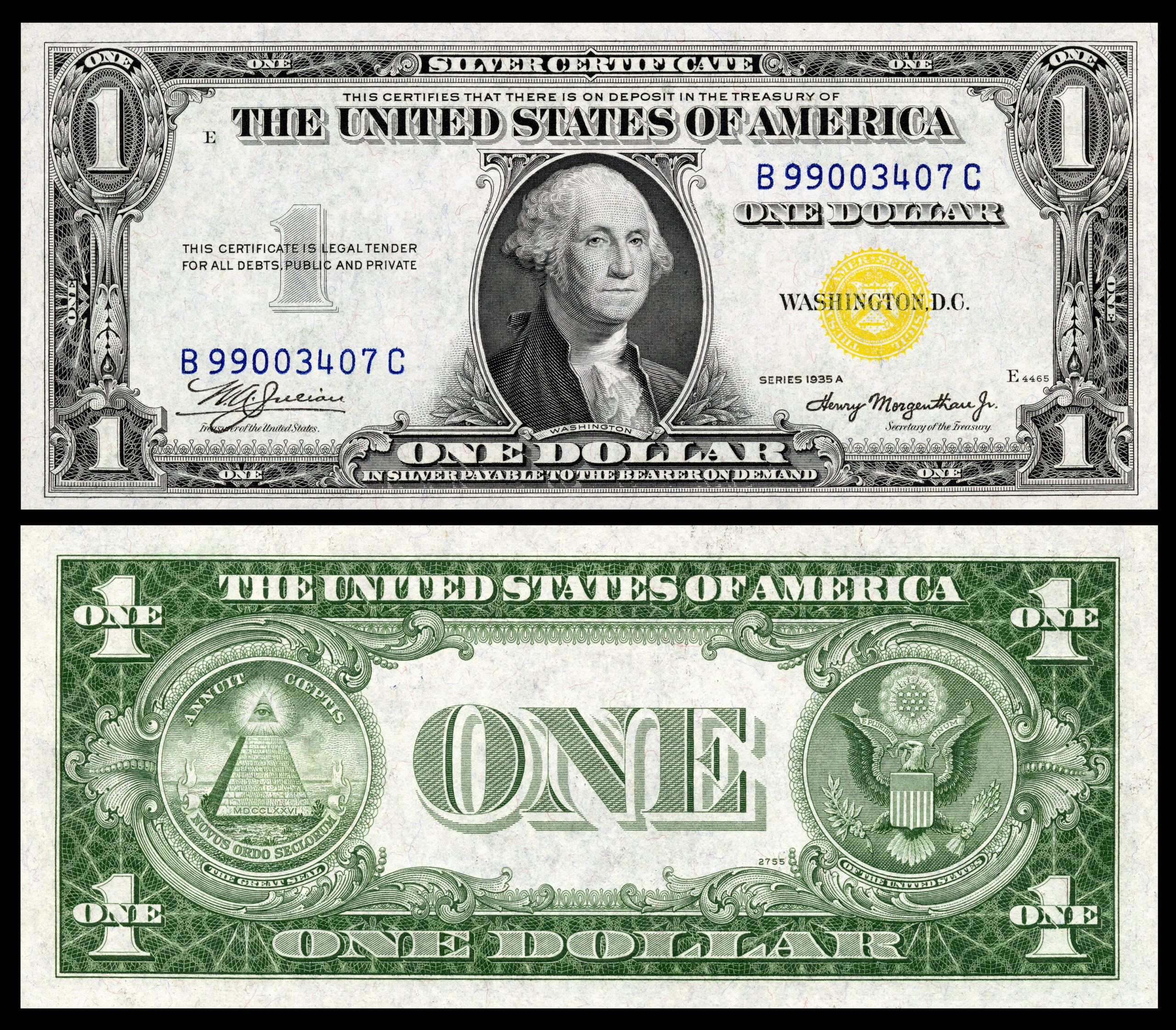
Inverted Overprint Errors on Silver Certificates: Upside-Down Seals and Serial Numbers on 1935 and 1957 Series Notes

Inverted overprint errors on 1935 and 1957 Silver Certificates rank among the most visually dramatic mistakes ever to escape a Bureau of Engraving and Printing press room, with upside-down Treasury seals and serial numbers turning ordinary one-dollar notes into serious collectibles. This guide breaks down exactly how these errors occurred, which varieties command the highest premiums, and what every collector needs to know before buying or selling one.

Read More →

Insufficient Margin Errors on Large-Size Notes: How Sheet Registration Failures Created Cutting Oddities Before 1929

Before the Bureau of Engraving and Printing standardized its cutting procedures in the small-size era, large-size notes were vulnerable to dramatic sheet registration failures that produced some of the most visually striking error currency in American numismatic history. Understanding how these cutting oddities occurred, which series are most affected, and what separates a genuine error from post-issuance trimming is essential knowledge for any serious collector of pre-1929 paper money.

Read More →

Missing Overprint Errors: Notes That Left the BEP Without Serial Numbers or Seals

Among the most dramatic and visually striking error notes in American currency collecting, missing overprint errors represent a complete failure of one of the Bureau of Engraving and Printing’s final production steps. Whether a note escaped without serial numbers, Treasury seals, or both, these pieces command serious collector attention and can fetch thousands of dollars at auction.

Read More →

Mismatched Serial Number Errors: When the Left and Right Numbers Don’t Match and Why It’s Rarer Than You Think

A mismatched serial number error is one of the most visually dramatic and technically fascinating mistakes in US currency production, yet most collectors have never seen one in person. This guide breaks down exactly how these errors occur, what makes them so elusive, and what to look for when evaluating one for your collection.

Read More →

Printed Fold Errors on Federal Reserve Notes: When the Paper Folds During Printing and the Ink Covers the Crease

Printed fold errors rank among the most visually dramatic and mechanically fascinating mistakes the Bureau of Engraving and Printing has ever released into circulation. This guide breaks down exactly how these errors occur, what varieties collectors should know, and what genuine specimens are worth in today’s market.

Read More →

Butterfly Cut Errors on Modern Federal Reserve Notes: When the Final Cut Bisects Two Notes and Creates a Joined Pair

Butterfly cut errors rank among the most visually dramatic production mistakes in modern Federal Reserve Note manufacturing, occurring when the guillotine trim fails to fully separate two finished notes. This guide breaks down exactly how these errors form, which series and denominations carry the most collector weight, and what you should expect to pay for a genuine specimen in today’s market.

Read More →

Inking Roller Skip Errors on Intaglio Currency: The Diagonal Bands of Missing Ink That Fascinate Collectors

Inking roller skip errors produce dramatic diagonal bands of missing ink across portraits and back designs on intaglio-printed currency, creating some of the most visually striking error notes in American numismatics. This guide explains exactly how these errors occur, how to authenticate them, and which examples command serious collector premiums.

Read More →

Skewed Overprints on 1929 National Bank Notes: Why Brown Seal Misalignments Happen More Often Than on Federal Notes

The brown seal overprints on Series 1929 National Bank Notes are among the most frequently misaligned impressions in all of U.S. paper money, and the reasons go straight to the heart of how these notes were manufactured. Understanding the mechanical and logistical causes behind these skewed seals, charter numbers, and bank title prints helps collectors identify genuine errors, distinguish them from post-issue damage, and make smarter buying decisions in today’s market.

Read More →

Inverted Back Errors: How Upside-Down Printing Happens and What These Notes Are Worth

Inverted back errors rank among the most visually dramatic mistakes in U.S. currency production, created when a sheet of paper passes through the press a second time in the wrong orientation. Understanding exactly how these errors occur, which series produced the most collectible examples, and what they command at auction can mean the difference between recognizing a fortune and passing one by.

Read More →