
US Notes

Insufficient Inking on Intaglio-Printed Currency: When Portraits Fade and What It Means for Your Collection
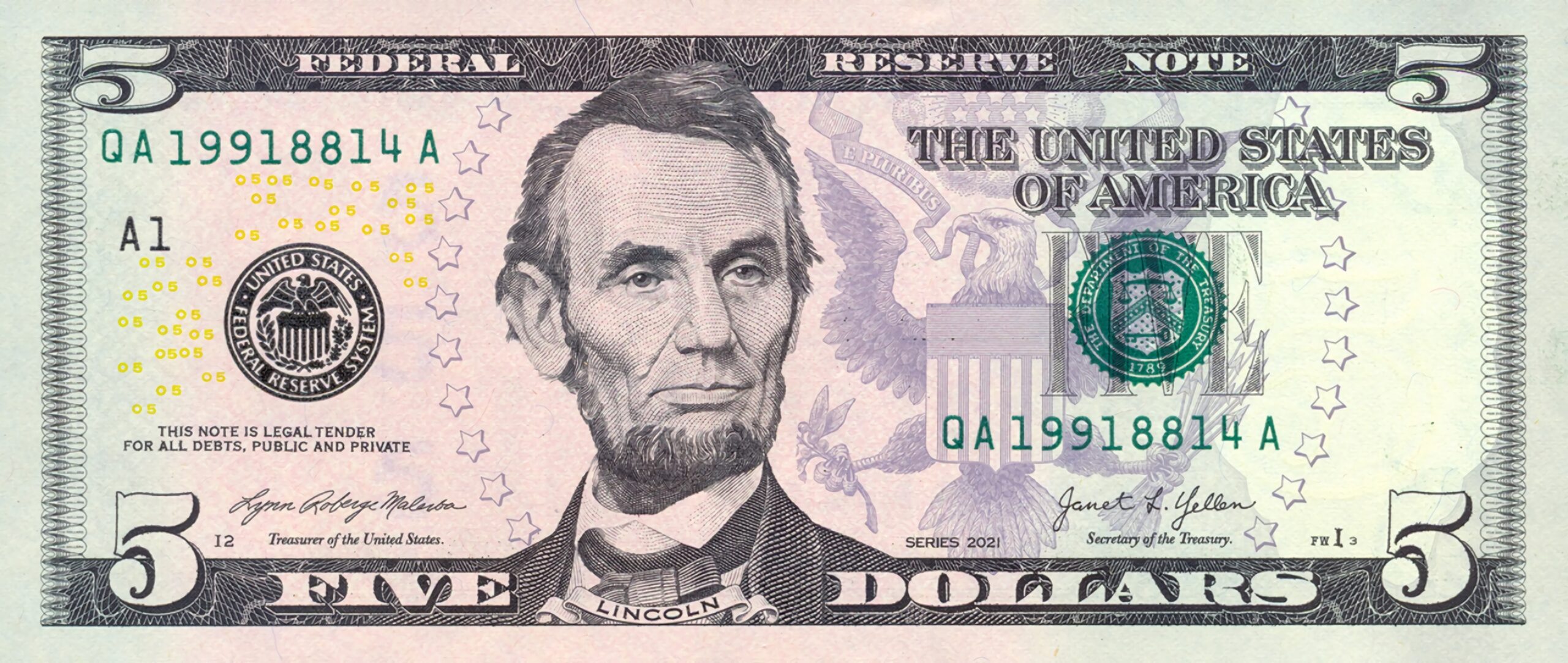
Insufficient inking errors on intaglio-printed Federal Reserve Notes produce some of the most visually dramatic and genuinely rare error currency in American numismatics. Understanding how these defects occur, how graders evaluate them, and which series command serious premiums can transform how you approach the error note market.

Read More →
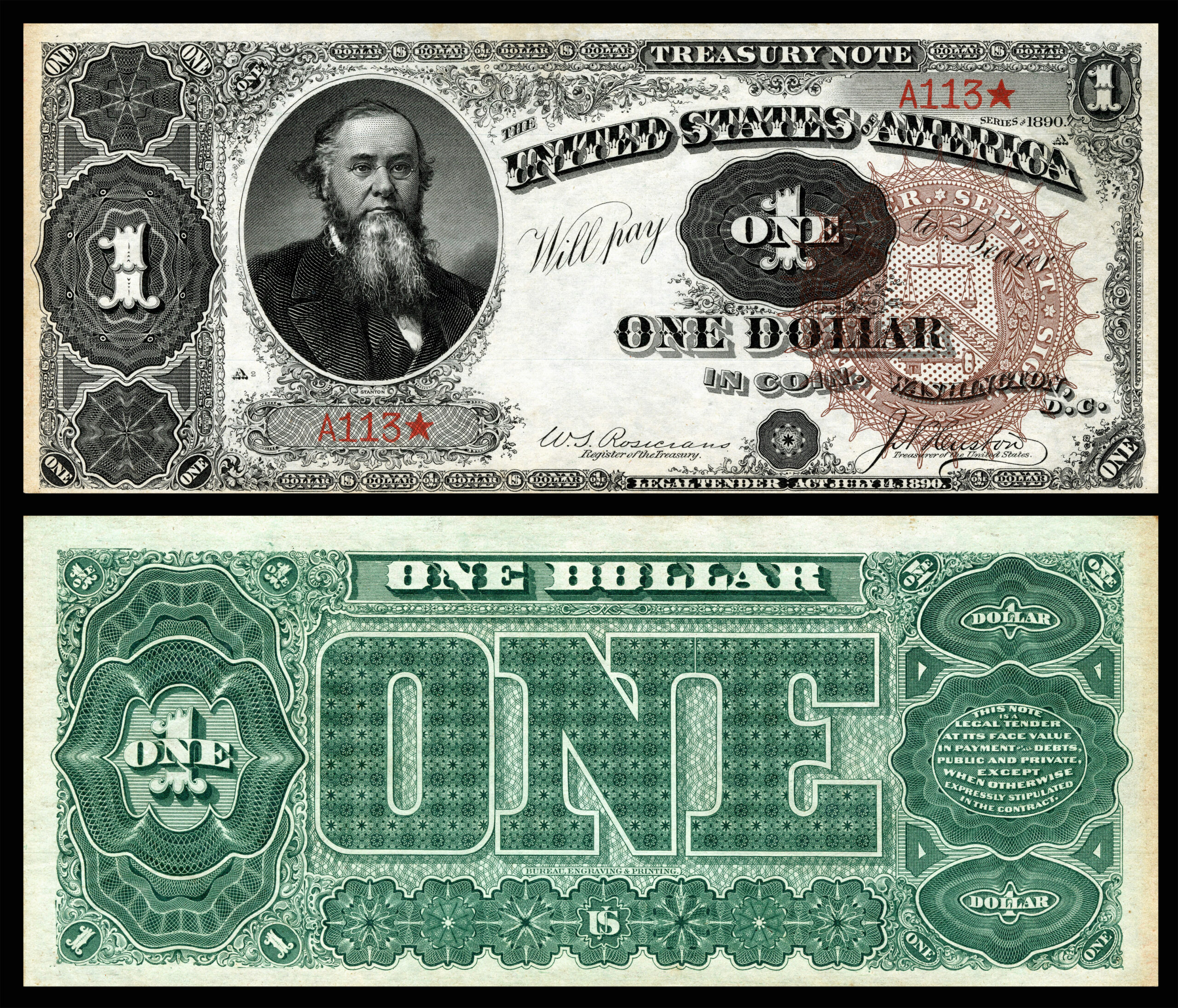
The Obverse Border Design of the 1890 Treasury Notes: Interlocking Patterns That Defeated Every Counterfeiter of the Era

The 1890 Treasury Notes stand as arguably the most ornate currency the United States government ever produced, with obverse border designs so geometrically complex that no counterfeiter successfully replicated them during their circulation period. This deep-dive explores the specific engraving techniques, design elements, and historical context that made these notes both a collector’s obsession and a forger’s nightmare.

Read More →

The Standard Electric Engraving Machine and How It Transformed BEP Portrait Work After 1900

Before electric engraving arrived at the Bureau of Engraving and Printing, every portrait on American currency was painstakingly cut by hand, a process measured in months. Discover how the Standard Electric Engraving Machine revolutionized the craft after 1900, reshaped the faces on your notes, and left lasting clues that collectors can still read today.

Read More →

The Reverse Design of the Series 1934 $500 Federal Reserve Note: An Understated but Elegant Layout

The Series 1934 $500 Federal Reserve Note carries one of the most quietly sophisticated reverse designs in American currency history, blending classical engraving traditions with the functional austerity of the New Deal era. Collectors who take the time to study its layout discover a composition that rewards close examination and speaks volumes about the Bureau of Engraving and Printing’s craft at its peak.

Read More →

Original Embossing on Intaglio-Printed Notes: What It Looks Like, How to Feel It, and Why Graders Reward It

The raised, tactile texture of intaglio printing is one of the most telling signs of a genuinely uncirculated banknote, yet many collectors overlook it entirely. Learn how to identify, preserve, and leverage original embossing when buying, grading, and upgrading your collection.

Read More →

The Role of Originality in Currency Grading: Why a 64 with Original Embossing Beats a Pressed 65

In the world of paper money grading, a note’s numerical grade tells only part of the story. Understanding why original embossing and surface integrity often make a lower-graded note more desirable, and more valuable, than a technically higher-graded but artificially improved example is essential knowledge for any serious collector.

Read More →

Portrait Engraving at the BEP: Dies, Transfer Rolls, and Printing Plates Explained for Collectors

Understanding how the Bureau of Engraving and Printing transforms a master engraver’s work into millions of printed notes reveals why subtle differences between plates can create dramatic value swings in your collection. From the steel die to the final sheet, every step in this process leaves its own fingerprint on the notes we collect.

Read More →

Crosshatching and Stippling in US Currency Portraits: The BEP’s Master Engravers and the Art of Tonal Depth

The Bureau of Engraving and Printing’s master craftsmen spent decades perfecting the intaglio techniques of crosshatching and stippling to render lifelike portraits on American banknotes. Understanding these methods transforms how collectors evaluate engraving quality and helps explain why certain notes command significant premiums.

Read More →

Double Impression Errors on Federal Reserve Notes: A Complete Collector’s Guide to Notes That Passed Through the Press Twice

Double impression errors rank among the most visually dramatic and collectible mistakes in modern U.S. currency production, created when a note passes through the intaglio or offset press a second time and receives a ghostly duplicate image. This guide breaks down how these errors occur, which series and denominations produce the most desirable examples, and what collectors should expect to pay for certified specimens.

Read More →

Overinking Errors on Bureau of Engraving Notes: How Filled-In Details Affect Grade and Value

Overinking errors occur when excess ink floods the recessed lines of an intaglio printing plate, obscuring fine portrait details, numerals, and lettering on finished notes. Understanding how these manufacturing defects are classified, graded, and valued can help collectors make smarter buying decisions and spot underpriced gems in dealer stocks.

Read More →