US Notes

Series 1935C $1 Silver Certificate: Identifying Genuine Wide and Narrow Design Differences Versus Misattributed Examples
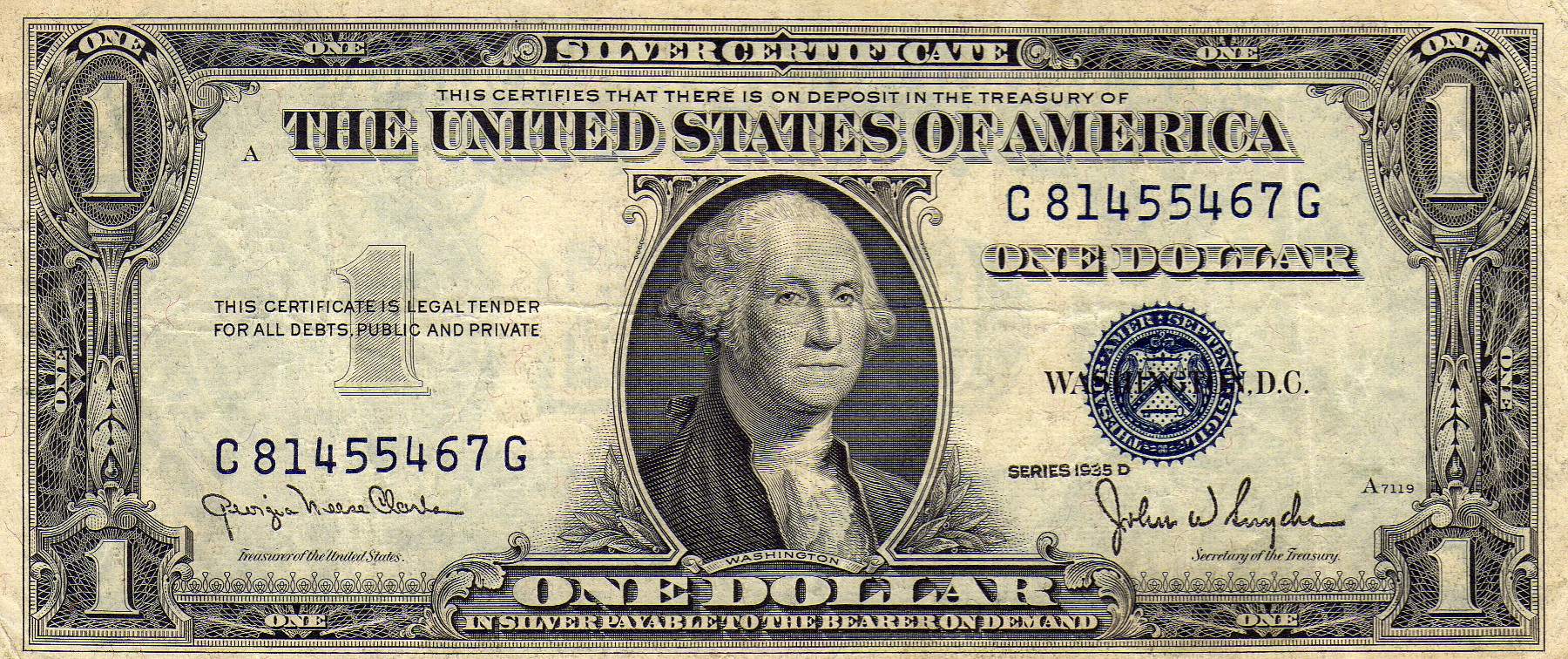
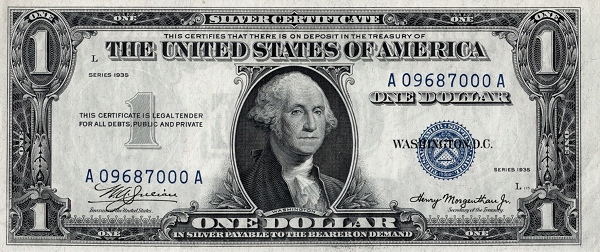
The 1935C $1 Silver Certificate harbors one of the most debated design distinctions in small-size currency collecting: the Wide versus Narrow back varieties. Understanding how to tell them apart, and how often notes are wrongly attributed, can mean the difference between a bargain and an expensive mistake.

Read More →
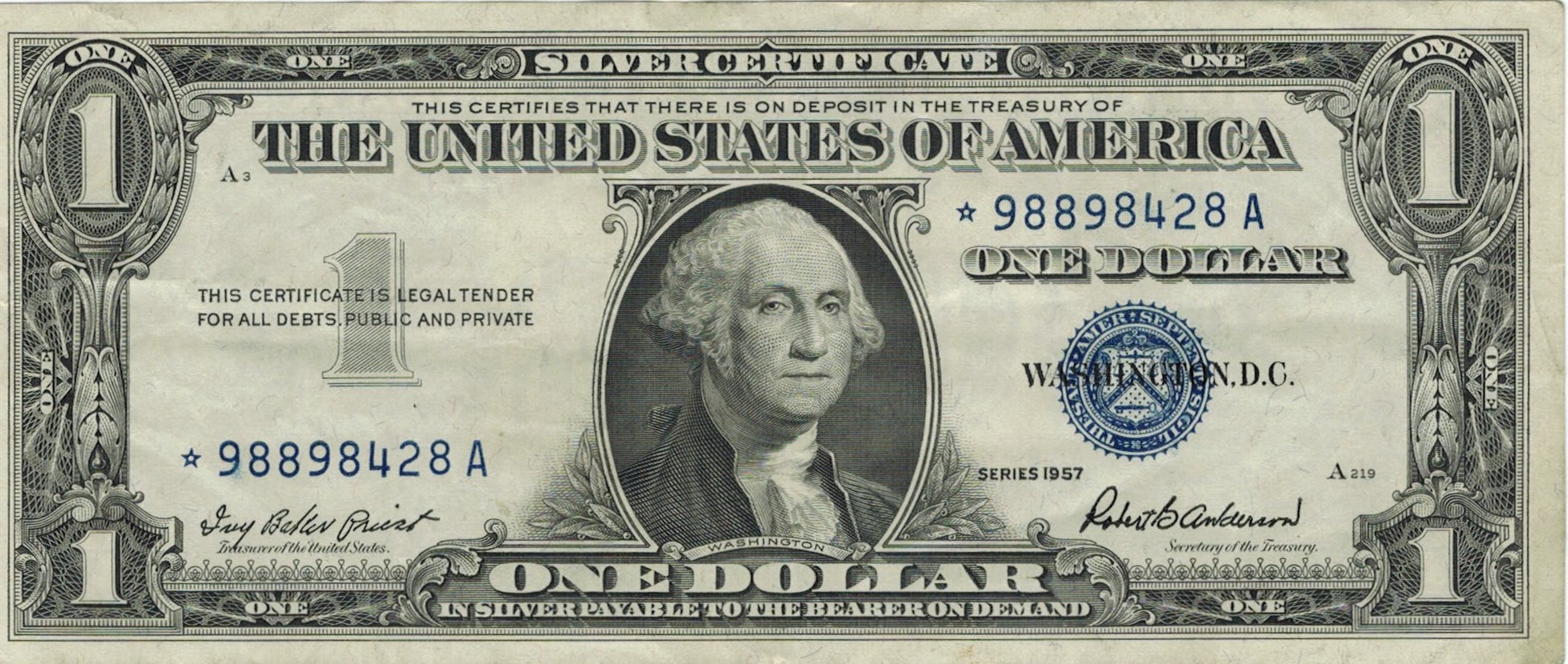
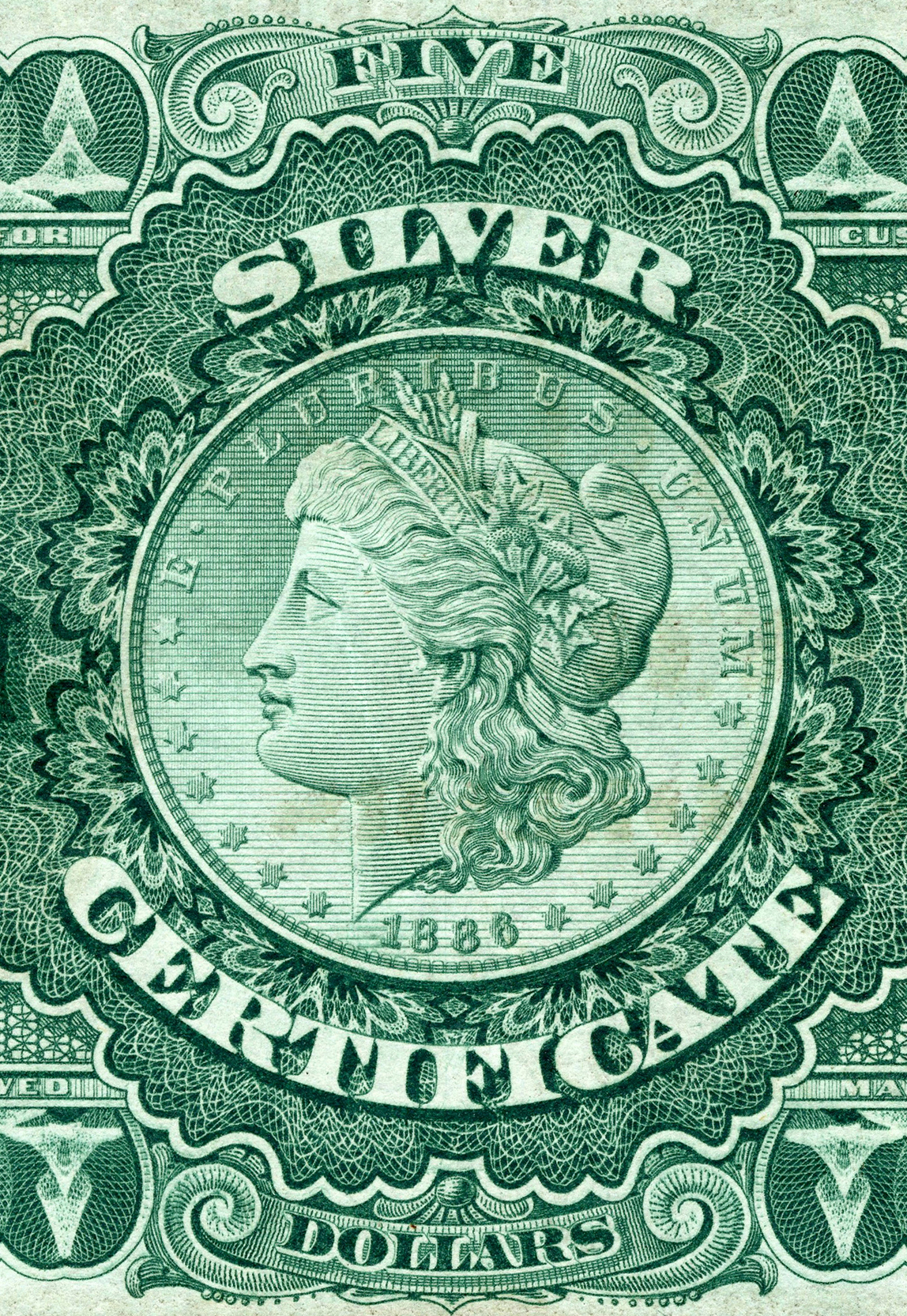
Silver Certificates Series 1957 $1: The Final Large-Run Silver Certificate and Its Star Note Varieties

The Series 1957 $1 Silver Certificate holds a unique place in American monetary history as the last denomination produced in truly massive quantities before silver certificates were phased out entirely. Understanding its sub-series, signature combinations, and elusive star note varieties can make the difference between a common find and a genuinely valuable addition to your collection.

Read More →

The Series 1886 $1 Silver Certificate Martha Washington: The Only Woman Ever Portrayed on a Small-Denomination US Note

The Series 1886 $1 Silver Certificate stands alone in American currency history as the only small-denomination note to feature a woman’s portrait, showcasing Martha Washington in stunning engraved detail. Understanding its varieties, signature combinations, and grading challenges is essential knowledge for any serious collector of Nineteenth Century paper money.

Read More →

Grading Silver Certificates by Seal Color Intensity: How Faded Blue Seals Affect PMG and PCGS Scores on 1935 and 1957 Series Notes

The vivid blue Treasury seal on Silver Certificates is one of the first things graders examine, and even subtle fading can drop a note one or two full grade points. This guide breaks down exactly how PMG and PCGS Currency evaluate seal color on 1935 and 1957 series notes, with practical advice for collectors chasing high-grade examples.

Read More →

Series 1935A $1 Silver Certificate Varieties: The R and S Experimental Notes Explained

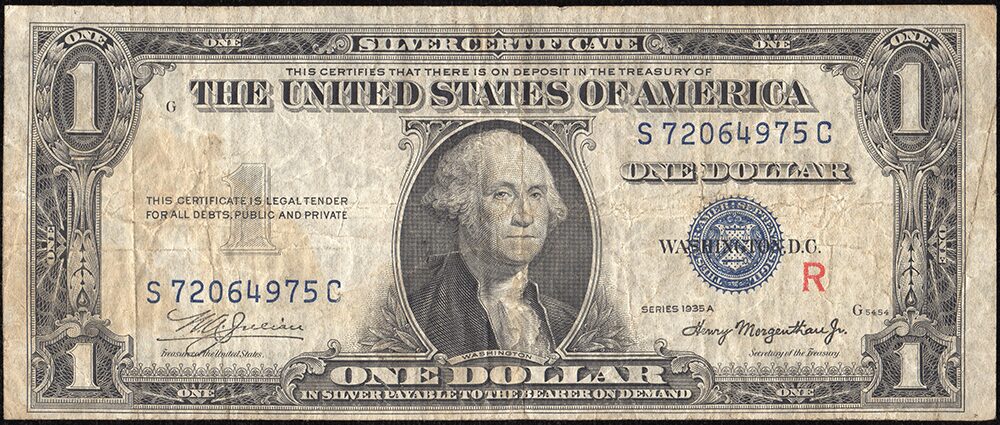
In 1944, the U.S. Bureau of Engraving and Printing conducted a rare printing experiment that produced two distinct varieties of the Series 1935A $1 Silver Certificate, each stamped with a red ‘R’ or ‘S’ suffix. These experimental notes represent one of the most fascinating and collectible chapters in modern U.S. currency history, and understanding them can make a real difference at auction.

Read More →

After the Tombstone: What Replaced the $10 Educational Silver Certificate and Why the Treasury Chose a Different Path

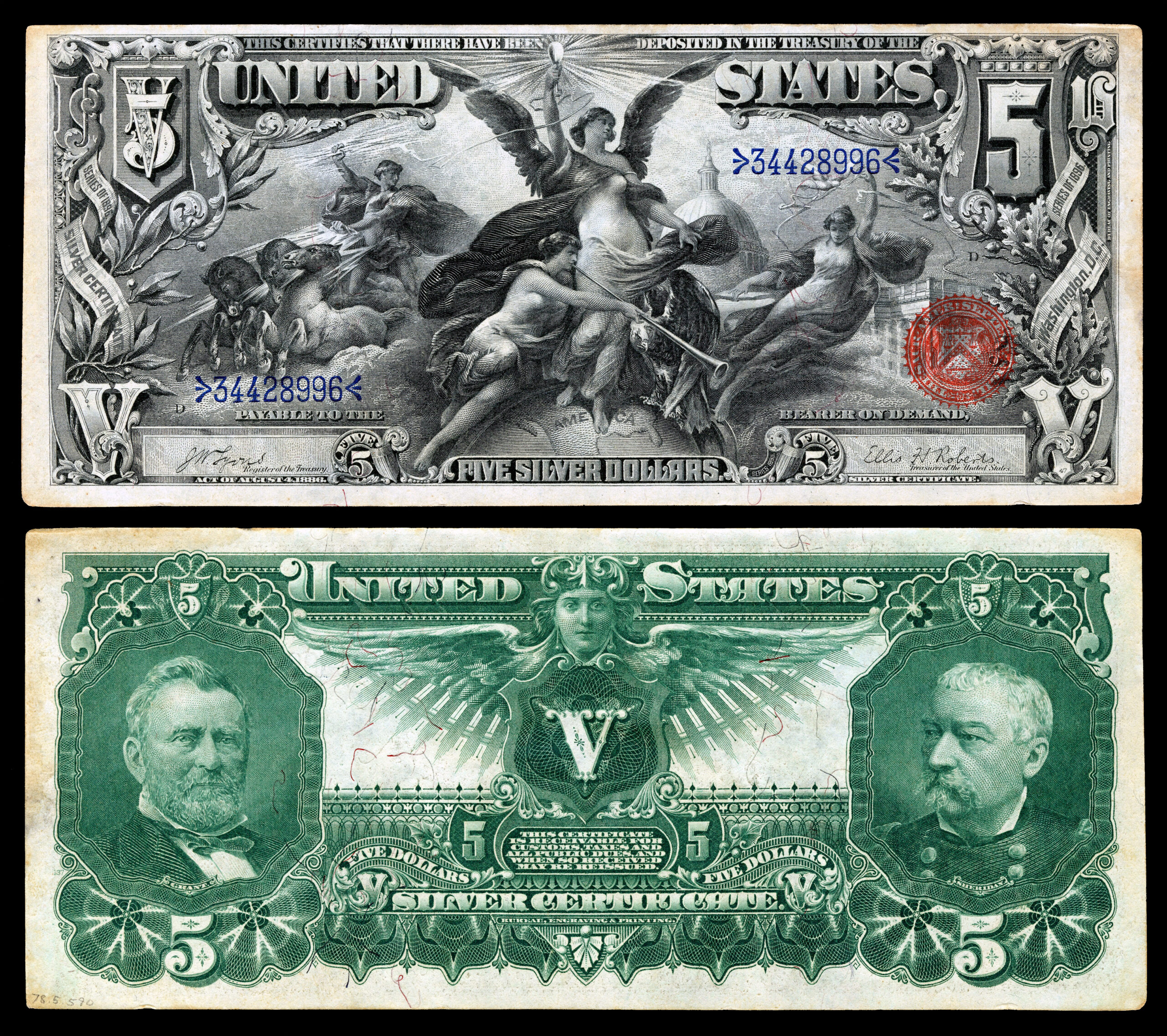
The stunning $10 Educational Silver Certificate of 1896 is one of the most celebrated notes in American numismatic history, but its successor series tells an equally fascinating story about politics, public taste, and the practical demands of currency production. This deep dive traces exactly what filled the void left by the Educational series and why collectors today should pay close attention to the transitional notes that followed.

Read More →

The Series 1935G $1 Silver Certificate With and Without Motto: How the ‘In God We Trust’ Addition Created Two Distinct Collectible Varieties

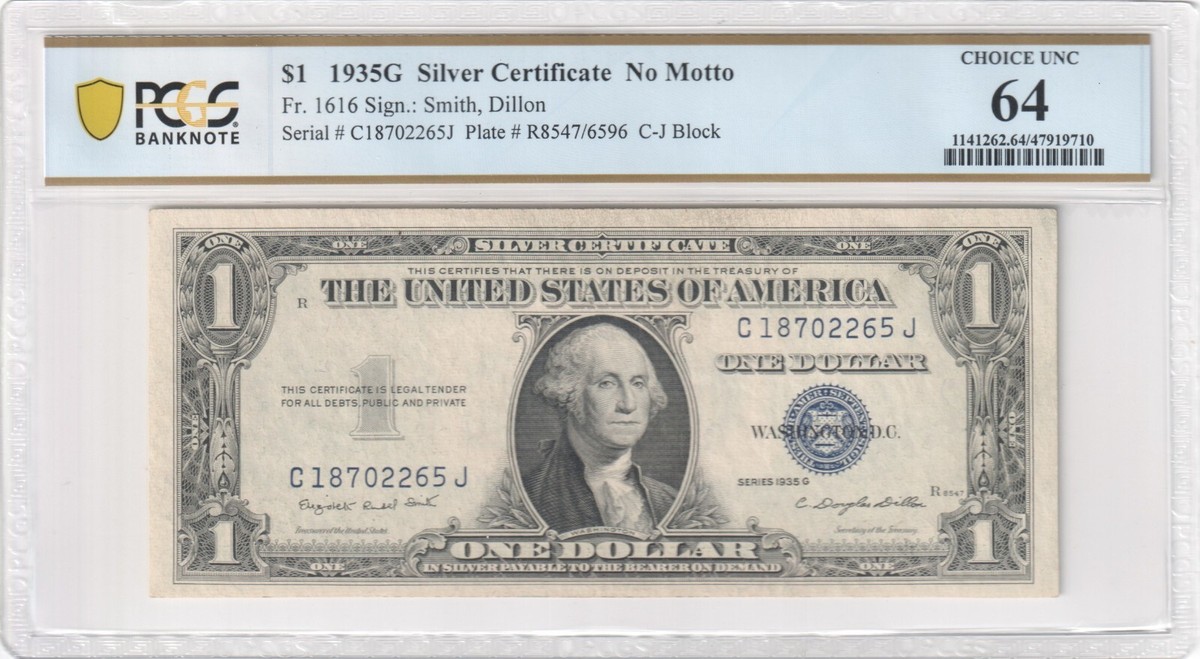
The Series 1935G $1 Silver Certificate exists in two fundamentally different varieties, separated by the addition of ‘In God We Trust’ to the reverse design midway through production. Understanding which variety you hold, and why the distinction matters, can mean a significant difference in both historical significance and collector value.

Read More →

Roman Numerals and Classical Lettering on US Currency: How the BEP Borrowed from Antiquity to Signal Financial Authority

The Bureau of Engraving and Printing deliberately wove Roman numerals, Latin phrases, and neoclassical typography into American banknotes to project permanence, authority, and civilizational legitimacy. Understanding these design choices deepens your appreciation of every note in your collection and reveals a fascinating story about how a young republic built credibility through the visual language of ancient Rome.

Read More →

Eagles, Shields, and Flags: Patriotic Symbolism Across US Currency Designs

From the fierce bald eagle on early National Bank Notes to the subtle flag imagery woven into modern Federal Reserve Notes, patriotic symbols have shaped American currency design for over 150 years. Understanding this visual language unlocks new layers of appreciation for the notes in your collection.

Read More →

The Series 1891 $10 Silver Certificate: Thomas Hendricks, a Dying Portrait, and One of the Lowest Survival Rates in Large-Size Currency

The Series 1891 $10 Silver Certificate features the portrait of Vice President Thomas A. Hendricks, a fleeting design that saw limited production and catastrophic attrition over 130 years. Collectors and historians alike regard this note as one of the most challenging large-size issues to acquire in any grade, making it a genuine white whale of American paper money.

Read More →