US Notes

Federal Reserve Notes Series 1963: The Historic First Issues Bearing ‘In God We Trust’
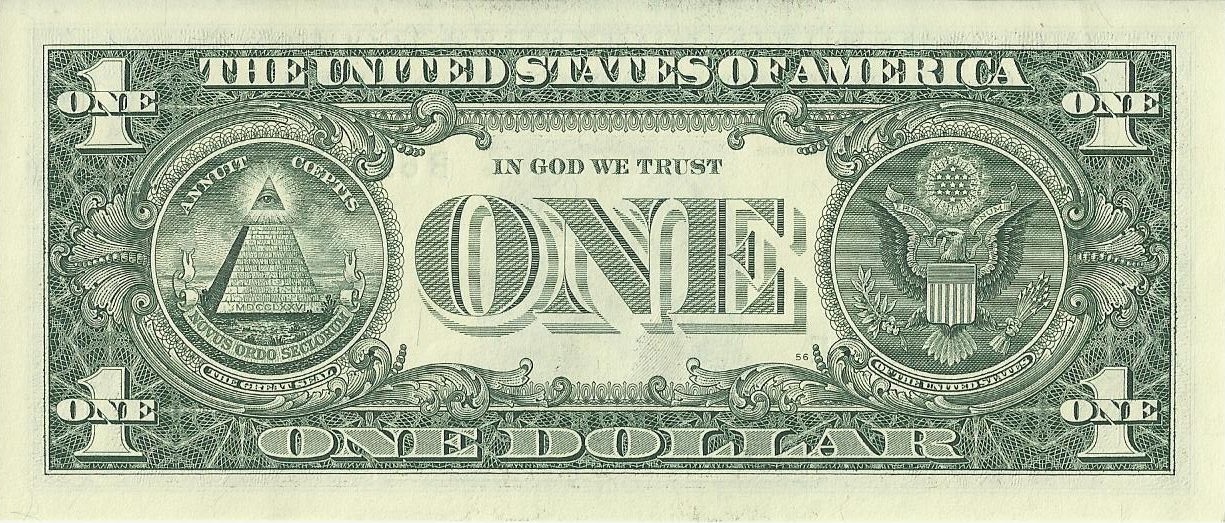
The Series 1963 Federal Reserve Notes mark a pivotal moment in American currency history, as they were the first Federal Reserve Notes to carry the national motto ‘In God We Trust’ on the reverse. Collectors prize these notes not only for their historical significance but also for a fascinating array of signature combinations, star notes, and district varieties that make assembling a complete set a rewarding challenge.

Read More →
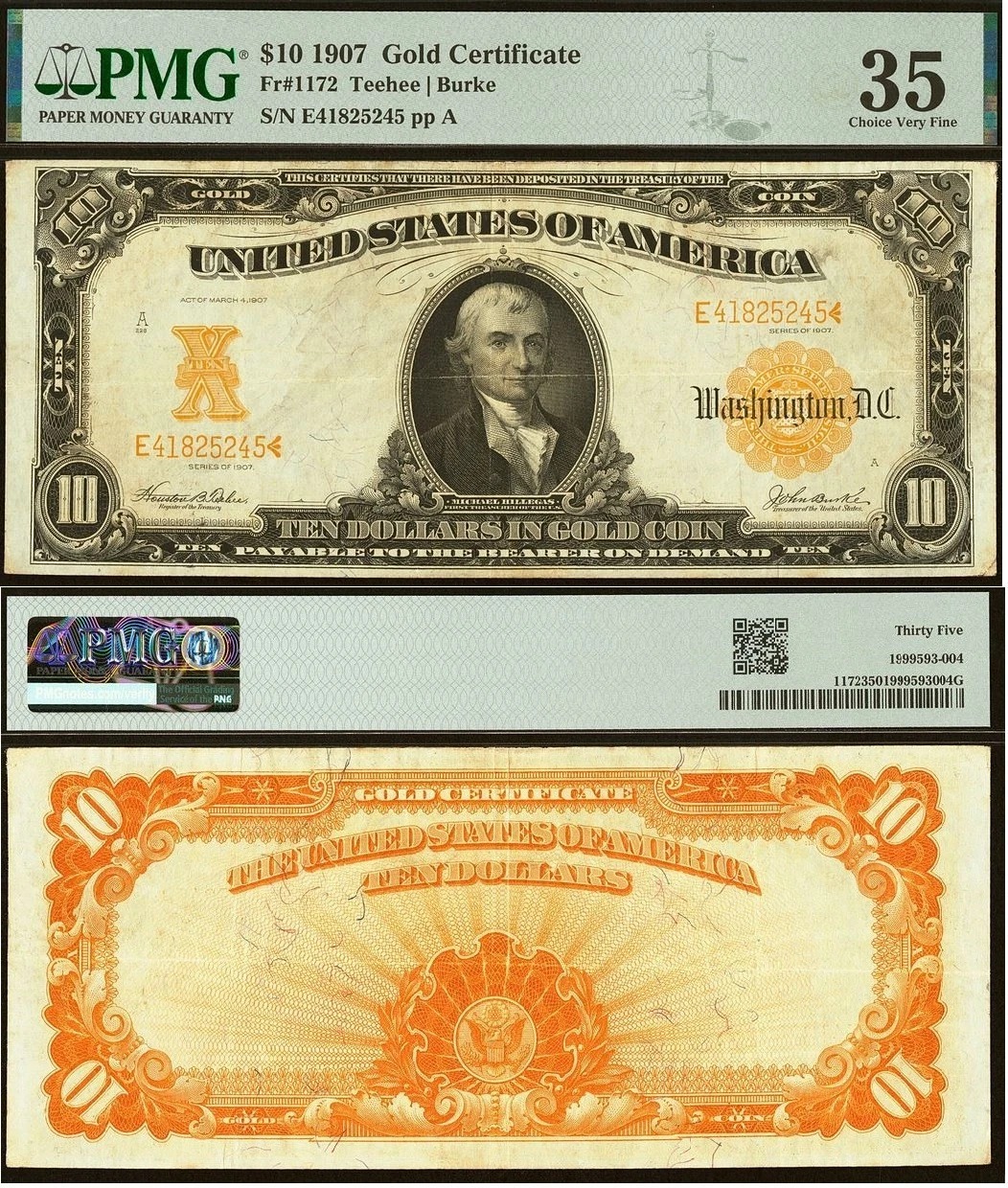
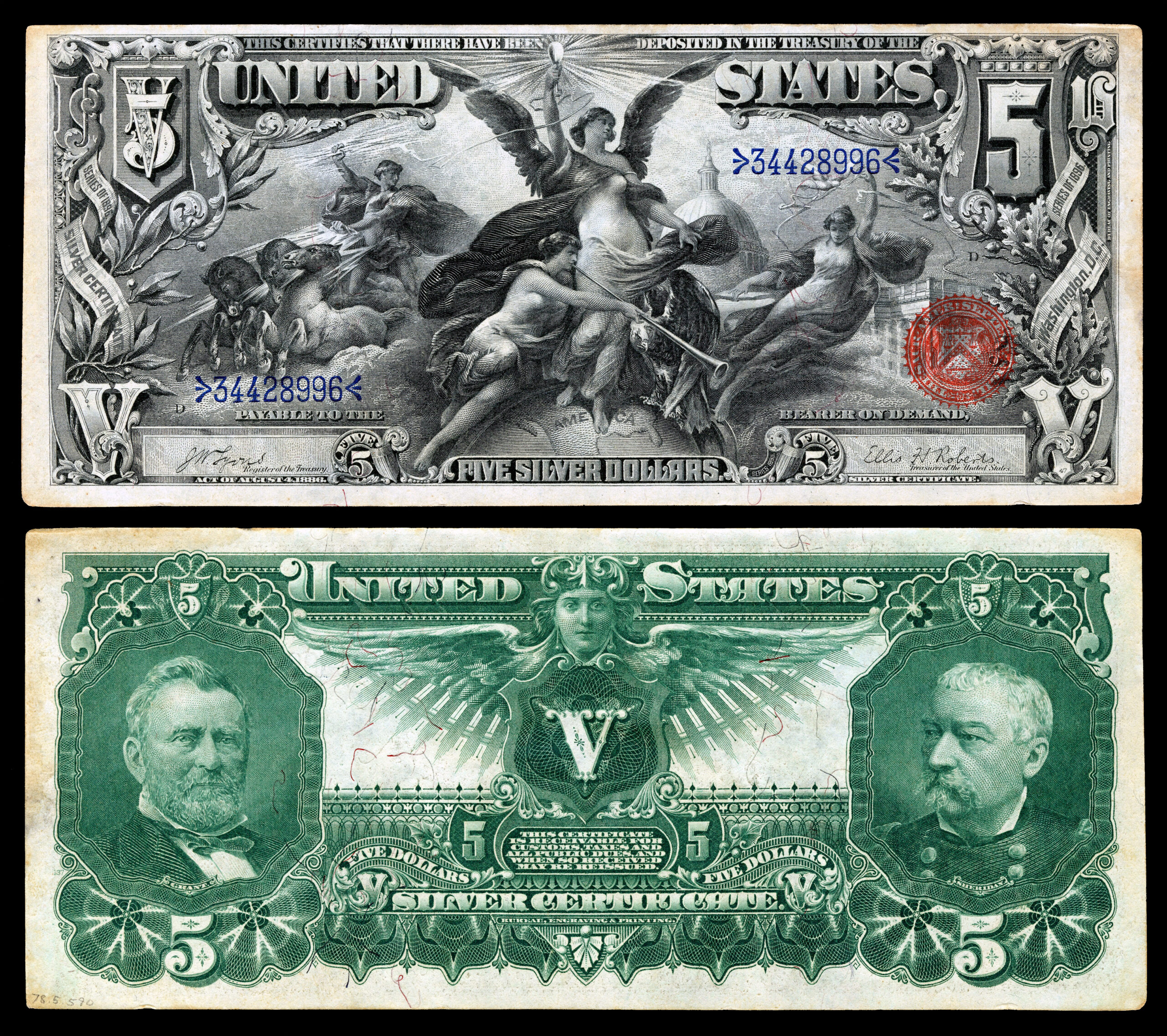
Greenbacks and Gunboats: How Dollar Diplomacy Under Taft Turned American Currency Into a Foreign Policy Weapon in Latin America

Between 1909 and 1913, President William Howard Taft and Secretary of State Philander Knox pursued a strategy of replacing military intervention with financial leverage across Latin America, using American banking houses and US dollar instruments to dominate sovereign economies. Understanding this era illuminates why certain National Currency notes and Federal Reserve precursor instruments from this period carry unusual provenance, and why the dollar’s international reputation was being forged at the very moment US paper money was undergoing its own transformation.

Read More →

After the Tombstone: What Replaced the $10 Educational Silver Certificate and Why the Treasury Chose a Different Path

The stunning $10 Educational Silver Certificate of 1896 is one of the most celebrated notes in American numismatic history, but its successor series tells an equally fascinating story about politics, public taste, and the practical demands of currency production. This deep dive traces exactly what filled the void left by the Educational series and why collectors today should pay close attention to the transitional notes that followed.

Read More →

The Panic of 1907: The Banking Crisis That Forced America to Create the Federal Reserve Dollar

The Panic of 1907 brought the United States financial system to its knees in a matter of weeks, exposing the catastrophic vulnerability of a nation without a central bank. Understanding this crisis is essential for collectors, because every Federal Reserve Note in your album exists directly because of the chaos that unfolded on Wall Street that October.

Read More →

The American Bank Note Company: How Private Engravers Shaped US Currency Before the BEP Took Over

Before the Bureau of Engraving and Printing consolidated federal currency production, the American Bank Note Company and its rival firms were the trusted craftsmen behind some of America’s most beautifully engraved paper money. Understanding this forgotten chapter of private currency production reveals why early federal notes look so different from anything printed after 1877.

Read More →

The Changing Face of the $20 Note: From Large-Size Gold Certificates to the Modern Federal Reserve Note

The $20 denomination has traveled further than almost any other in American currency history, evolving from ornate large-size gold certificates of the 1860s through the security-laden portraits of today. Understanding that journey reveals not just artistic and political change, but the economic upheavals, wars, and policy shifts that reshaped the nation’s monetary system.

Read More →

Currency Collecting During the Depression: How Hobbyists Saved Notes Others Spent

When millions of Americans were spending every dollar they could find, a dedicated handful of collectors were quietly squirreling away Federal Reserve Notes, Silver Certificates, and National Bank Notes that would otherwise have vanished forever. This is the story of how Depression-era hobbyists, often at personal sacrifice, preserved the paper money history that modern collectors treasure today.

Read More →

The $10,000 Gold Certificate Series 1900: The Highest Denomination Note Ever Officially Released to the Public

The Series 1900 $10,000 Gold Certificate stands as one of the most extraordinary pieces of American paper money ever produced, a note of staggering face value that bridged the world of high finance and the golden age of U.S. currency. Understanding its origins, surviving examples, and place in numismatic history reveals why this note commands reverence far beyond its already astonishing denomination.

Read More →

The Bank Suspension Crisis of 1837: How a Financial Catastrophe Shattered Faith in State-Chartered Banknotes Forever

When hundreds of American banks simultaneously suspended specie payments in May 1837, the nation’s patchwork currency system collapsed into chaos, leaving ordinary citizens holding worthless paper and sparking decades of monetary reform. Understanding this crisis is essential for collectors of obsolete banknotes, because it explains why so many pre-Civil War notes carry hidden stories of failure, fraud, and financial ruin.

Read More →

Jay Cooke and the Civil War Bond Revolution: How a Philadelphia Banker Turned Treasury Notes into a Mass Market Phenomenon

Jay Cooke’s 1861-1865 campaign to sell Union war bonds transformed the relationship between ordinary Americans and federal paper money forever. Understanding this financial revolution is essential for collectors who want to grasp why certain Civil War-era Treasury notes carry the marks, signatures, and printing characteristics they do.

Read More →