US Notes

Grading Demand Notes of 1861: Why Even Good-4 Examples Are Trophy Notes and What Condition Standards Apply to America’s Oldest Federal Currency
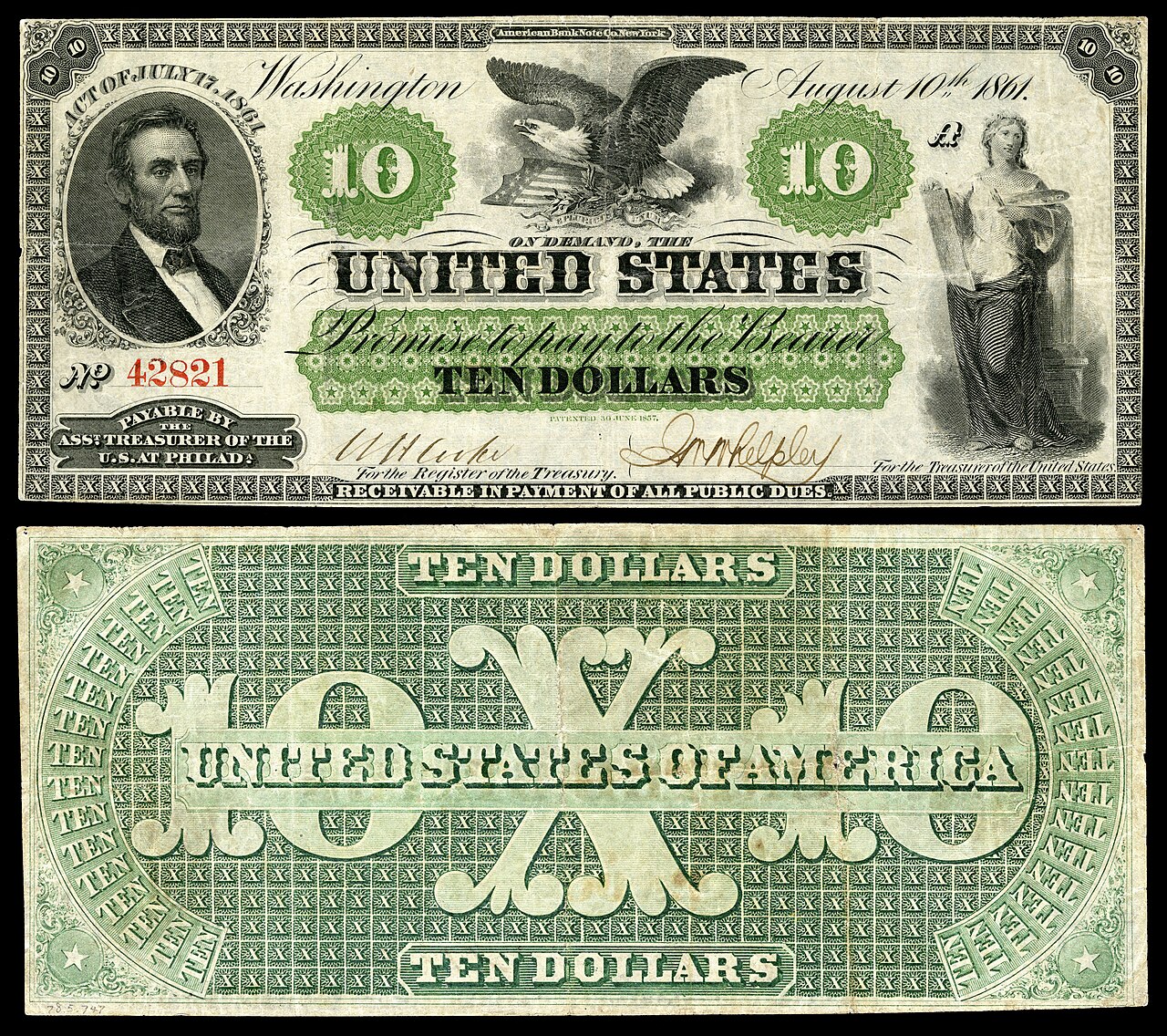
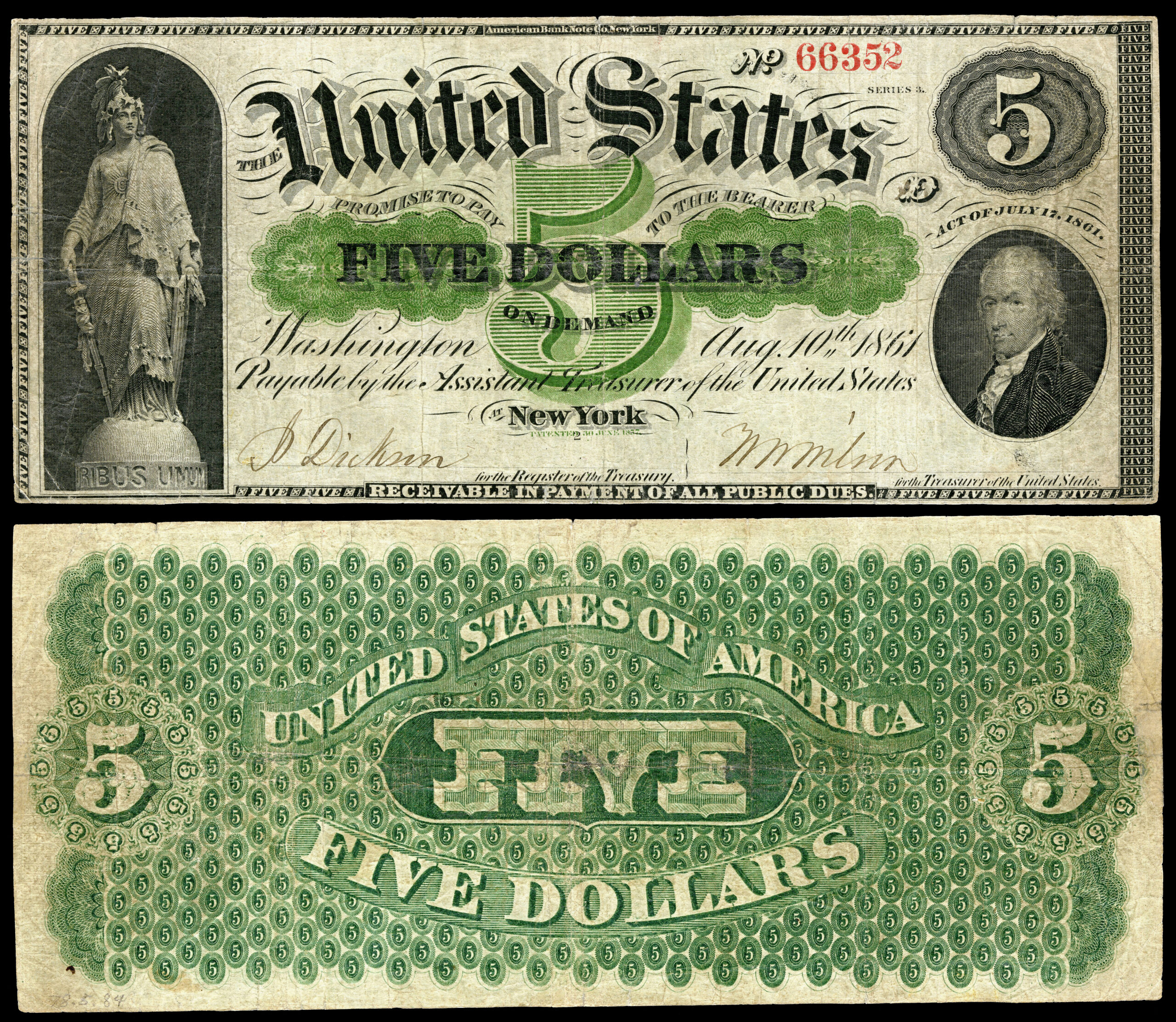
The Demand Notes of 1861 represent the very first paper money issued by the United States federal government, and their grading standards are unlike almost anything else in American numismatics. Understanding why a tattered Good-4 example commands thousands of dollars, and how professional graders approach these fragile survivors, is essential knowledge for any serious collector.

Read More →
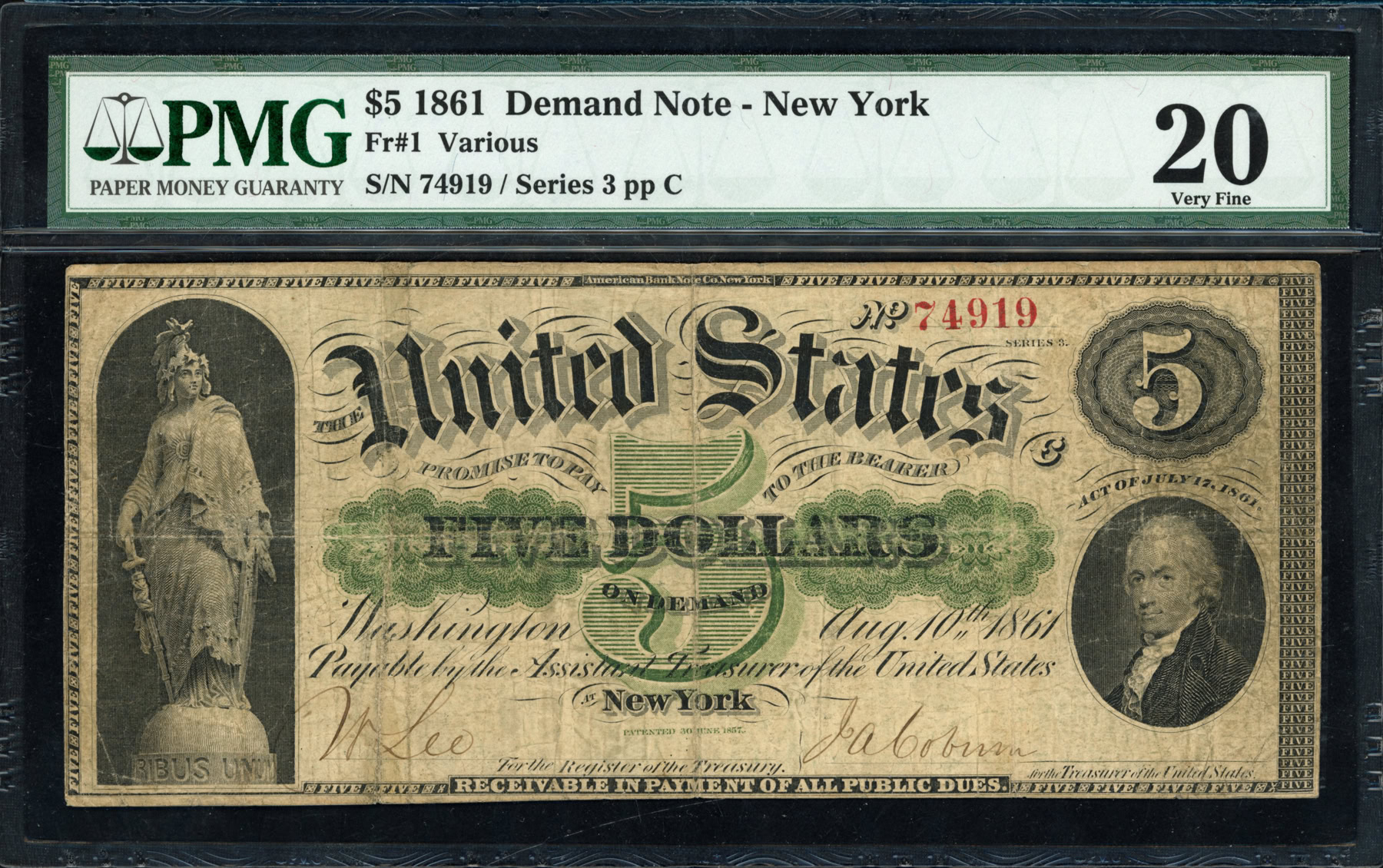
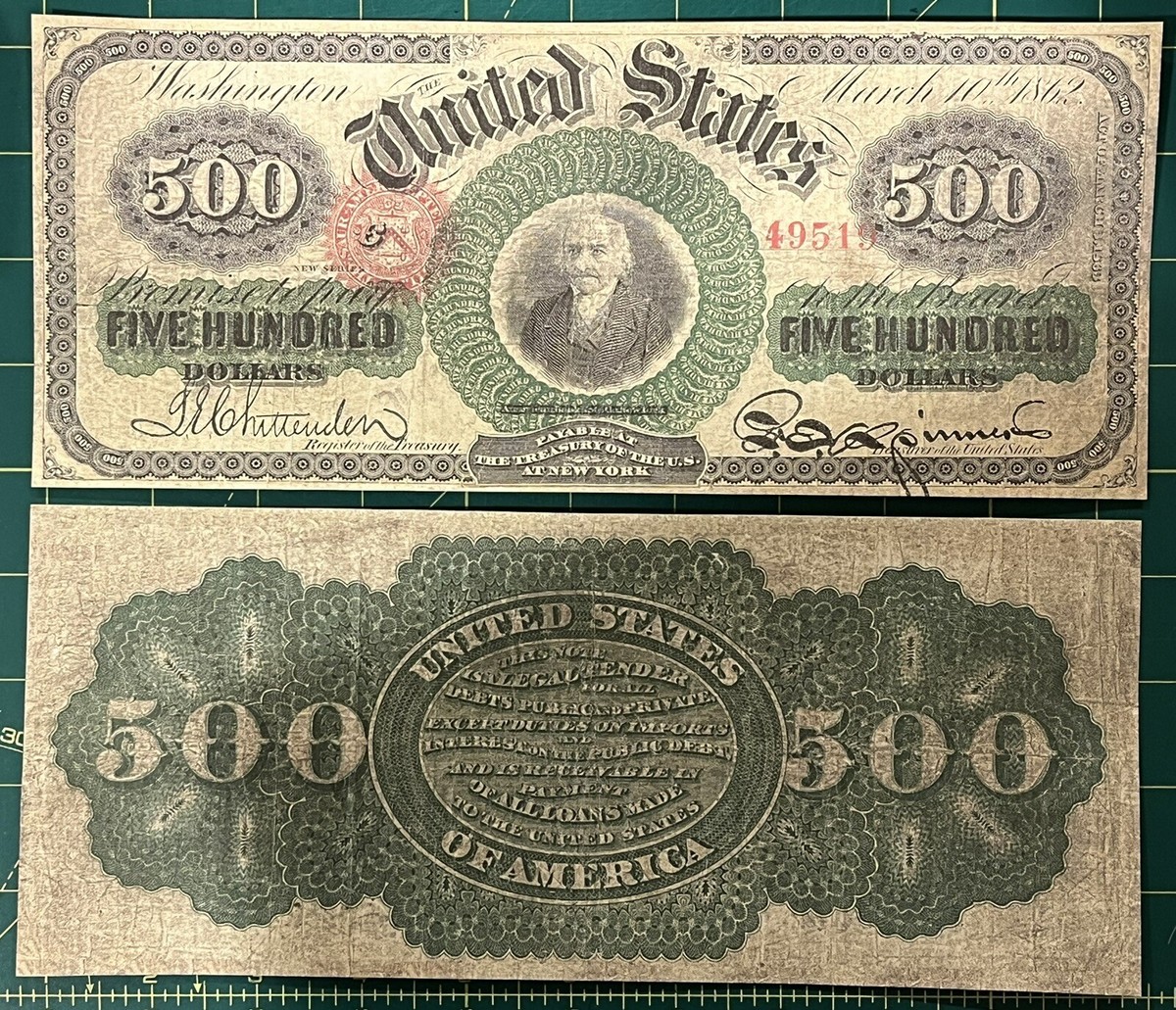
The Fine-12 Grade for Civil War Era Currency: Why a Well-Worn Demand Note in F-12 Can Be a Trophy Acquisition

A Demand Note graded Fine-12 tells a story that pristine Uncirculated examples simply cannot: it passed through hands during the darkest and most transformative years in American history. Understanding why F-12 represents a genuine trophy grade for this series can reshape how collectors approach one of the rarest and most historically significant note types ever issued by the United States government.

Read More →

Greenbacks: How Abraham Lincoln Financed the Civil War with Legal Tender Notes

When the Union treasury ran dry in 1861, Abraham Lincoln and Congress made a radical financial gamble: printing paper money backed by nothing but the full faith of the federal government. The Demand Notes and Legal Tender Notes that followed changed American currency forever, and the surviving examples rank among the most historically significant collectibles in all of numismatics.

Read More →

The American Bank Note Company: How Private Engravers Shaped US Currency Before the BEP Took Over

Before the Bureau of Engraving and Printing consolidated federal currency production, the American Bank Note Company and its rival firms were the trusted craftsmen behind some of America’s most beautifully engraved paper money. Understanding this forgotten chapter of private currency production reveals why early federal notes look so different from anything printed after 1877.

Read More →

Jay Cooke and the Civil War Bond Revolution: How a Philadelphia Banker Turned Treasury Notes into a Mass Market Phenomenon

Jay Cooke’s 1861-1865 campaign to sell Union war bonds transformed the relationship between ordinary Americans and federal paper money forever. Understanding this financial revolution is essential for collectors who want to grasp why certain Civil War-era Treasury notes carry the marks, signatures, and printing characteristics they do.

Read More →

Salmon Chase’s Audacious Self-Portrait: How the Treasury Secretary Put His Own Face on the 1861 $1 Demand Note and Sparked a Congressional Firestorm

In 1861, Treasury Secretary Salmon P. Chase made the unprecedented decision to place his own likeness on the first federally issued paper currency in American history, the $1 Demand Note. The political fallout was immediate and lasting, and today these notes rank among the most historically significant and collectible pieces in all of United States numismatics.

Read More →

The Signatures on US Currency: A Visual History of How Treasury Secretary and Register Autographs Changed from Handwritten to Engraved

The signatures appearing on United States paper money tell a surprisingly rich story about the evolution of American currency production, from hand-signed notes of the 1860s to the precision-engraved facsimiles of today. Understanding signature combinations, their dates of use, and their relative scarcity is one of the most rewarding areas of study for serious currency collectors.

Read More →

Demand Notes of 1861: America’s First Federal Paper Currency

The Demand Notes of 1861 represent a pivotal moment in American financial history, marking the federal government’s first foray into paper currency during the Civil War crisis. For collectors, these rare and storied notes offer a tangible connection to the birth of the modern American monetary system.

Read More →

Typography on United States Currency: How Lettering Styles Changed from 1861 to the Present

From the ornate Gothic scripts of Civil War-era Demand Notes to the clean sans-serif fonts of modern Federal Reserve Notes, the typography on US currency tells a fascinating story of art, technology, and national identity. This deep dive examines every major lettering transition, explains why certain typefaces were chosen, and shows collectors which typographic varieties command serious premiums.

Read More →

The De Soto Discovering the Mississippi Vignette on 1860s Currency: History Behind the Image

One of the most striking vignettes on Civil War era United States currency depicts Hernando de Soto’s legendary 1541 arrival at the Mississippi River, an image that appeared on multiple denominations and note types during the 1860s. Understanding the history behind this engraving, which bank note companies used it, and where to find it today gives collectors a richer appreciation for the artistry and symbolism embedded in antebellum and wartime American paper money.

Read More →