US Notes

The Fine-12 Grade for Civil War Era Currency: Why a Well-Worn Demand Note in F-12 Can Be a Trophy Acquisition
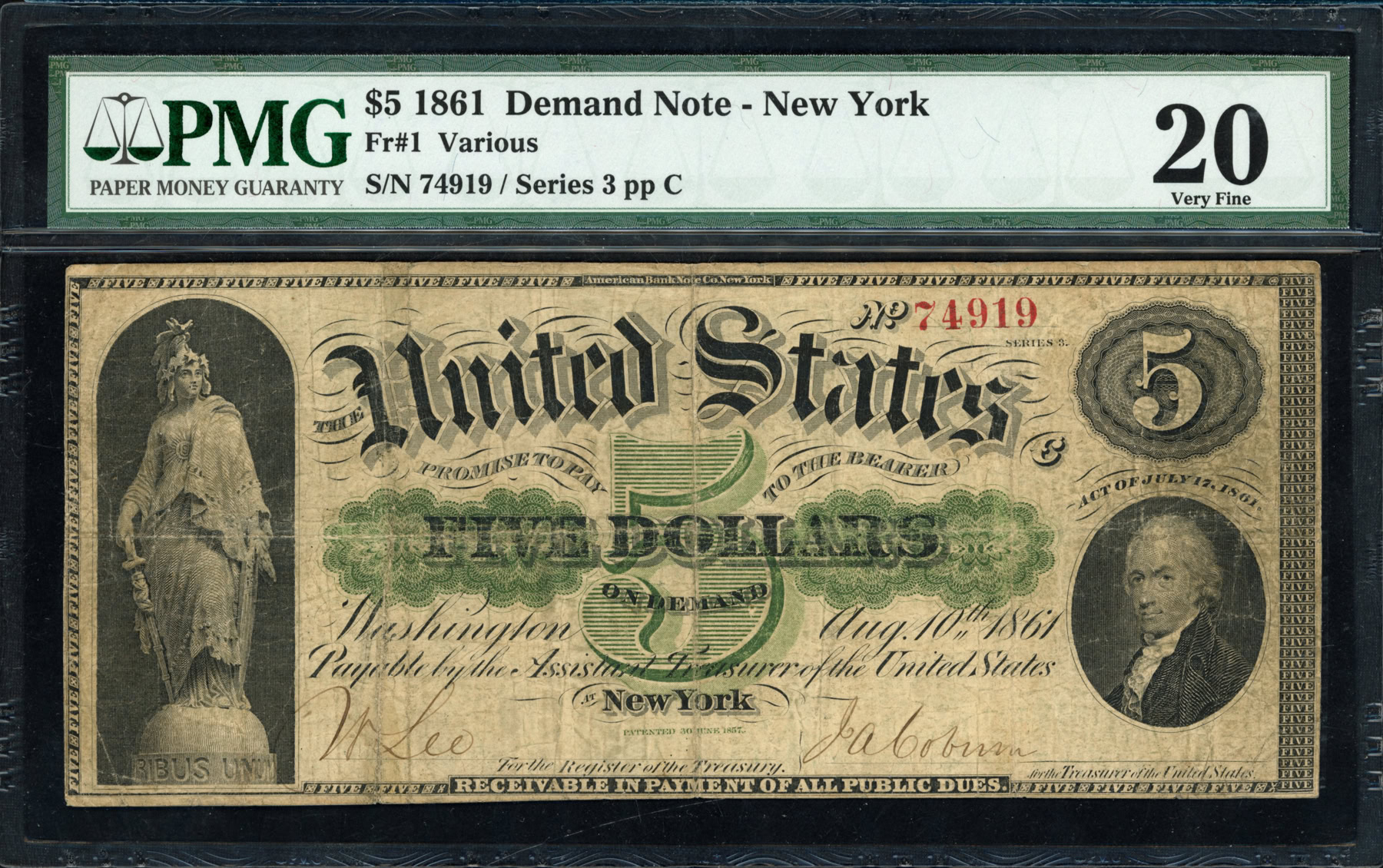
A Demand Note graded Fine-12 tells a story that pristine Uncirculated examples simply cannot: it passed through hands during the darkest and most transformative years in American history. Understanding why F-12 represents a genuine trophy grade for this series can reshape how collectors approach one of the rarest and most historically significant note types ever issued by the United States government.

Read More →
The Sirius and Constitution Ships on the 1875 $50 United States Note: Naval History Encoded in Large-Size Currency Art

The 1875 Series $50 United States Note carries two of America’s most storied vessels rendered in exquisite intaglio engraving, connecting everyday commerce to the nation’s proudest naval chapters. Understanding the imagery, varieties, and survival rates of this remarkable large-size note transforms a single banknote into a window on American history.

Read More →

The Series 1934 $1 Silver Certificate Varieties: The Six Signature Combinations and How to Attribute Them

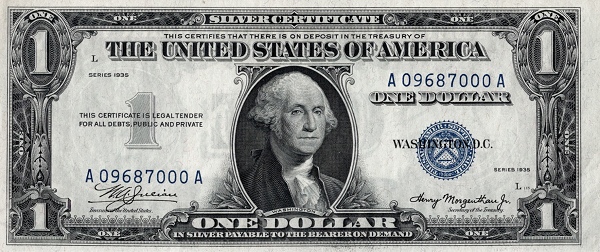
The Series 1934 $1 Silver Certificate is far more complex than it first appears, spanning six distinct signature combinations that reflect over a decade of Treasury Department leadership changes. Knowing how to attribute each variety can mean the difference between paying common-note prices and recognizing a genuinely scarce piece worth multiples more.

Read More →

The Series 1880 $10 United States Note: Robert Morris Portrait Issues and Their Signature Combination Rarity

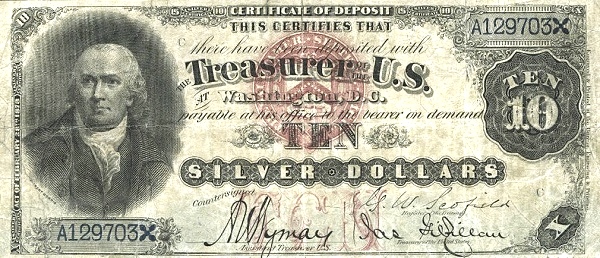
The Series 1880 $10 United States Note stands among the most historically rich and collectibly complex large-size issues, featuring the portrait of Founding Father Robert Morris across a remarkable run of signature combinations. Understanding which Register-Treasurer pairings are scarce versus common can mean the difference between a good buy and a great one.

Read More →

The Ornate Scrollwork Border Design of the 1863 United States Notes: How Geometric Lathe Work Outsmarted Counterfeiters Before the Camera Age

The intricate spirograph-like borders printed on 1863 United States Notes were not merely decorative flourishes — they were the era’s most sophisticated anti-counterfeiting technology, produced by machines that could generate mathematically precise curves no engraver’s hand could replicate. Understanding how geometric lathe work shaped these notes gives collectors a deeper appreciation for what makes early Legal Tender issues so visually compelling and historically significant.

Read More →

The Series 1875 $5 United States Note: The Pioneering ‘Family Back’ Design and Why Attribution Is Difficult for New Collectors

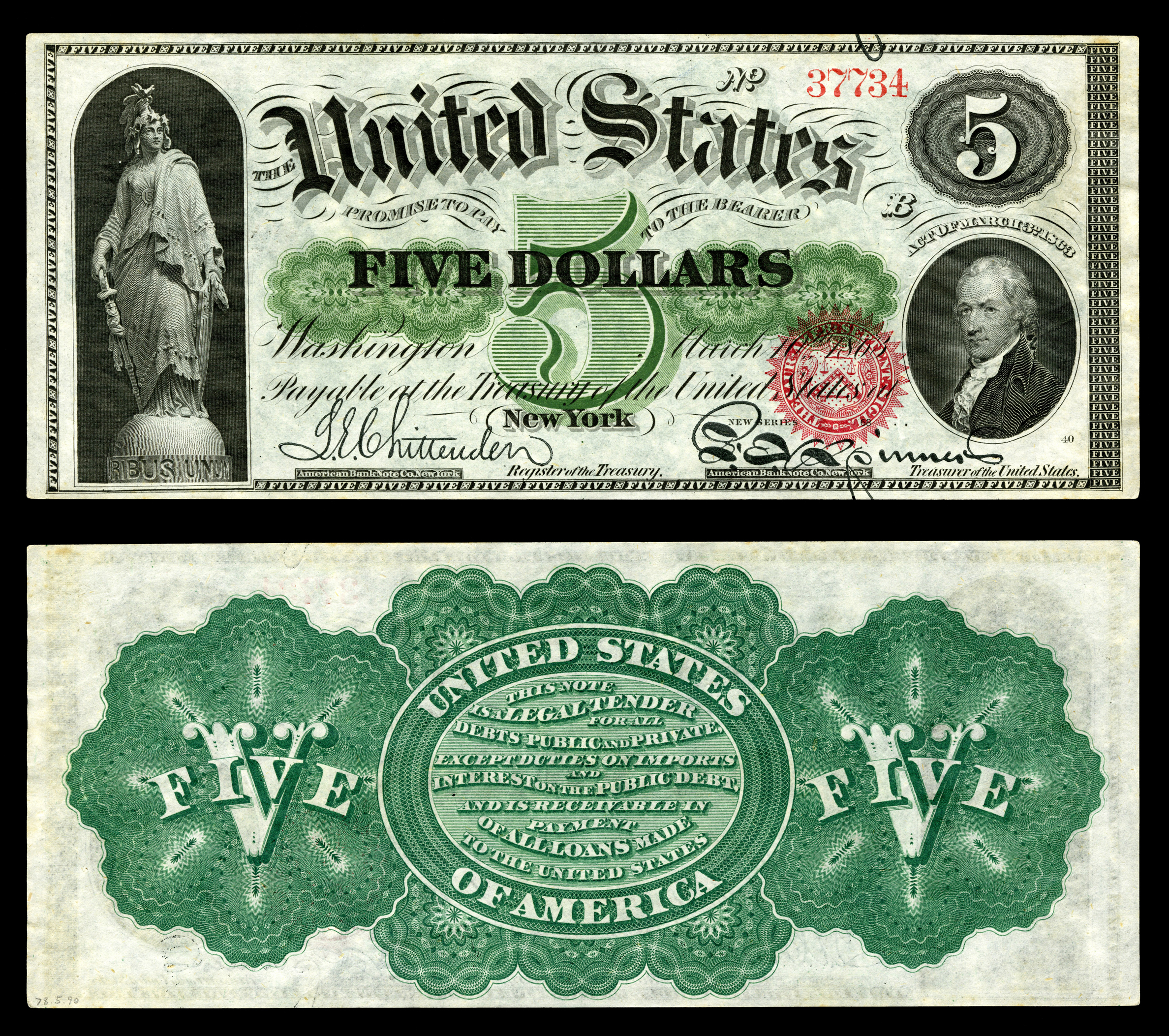
The Series 1875 $5 United States Note introduced one of the most visually striking reverse designs in American currency history, yet its many signature combinations and subtle plate varieties make accurate attribution a genuine challenge. This guide breaks down every major variety, explains the Treasury seal changes, and gives collectors the tools to confidently identify what they actually hold.

Read More →

The Phrygian Cap on Fractional Currency: Revolutionary Symbolism on Civil War Small Change

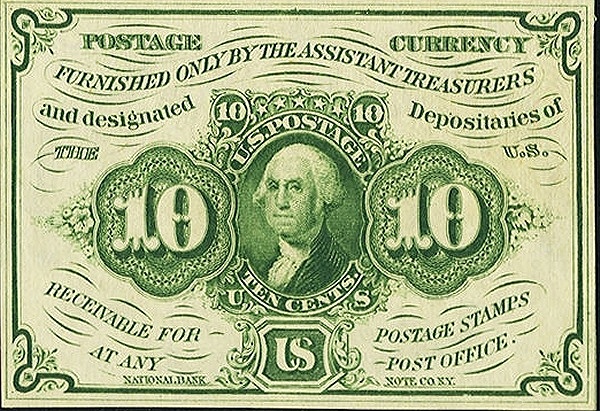
The tiny Phrygian cap printed on Civil War-era fractional currency carried centuries of revolutionary meaning into the pockets of everyday Americans. This guide unpacks the history, varieties, and collector value of these remarkable small-denomination notes.

Read More →

The Series 1878 $1 Silver Certificate: The Very First Silver Certificate Issue and What Makes It Unique

The Series 1878 $1 Silver Certificate holds a singular place in American monetary history as the very first silver certificate ever issued by the United States government. Understanding its design varieties, signature combinations, and surviving populations is essential knowledge for any collector serious about large-size currency.

Read More →

Series 1934D $20 Federal Reserve Note: The Last Pre-Security-Redesign Twenty and Its Dramatic District Population Differences

The Series 1934D $20 Federal Reserve Note holds a unique position in American currency history as the final twenty-dollar bill printed before the landmark 1950 redesign introduced updated security and aesthetic features. Understanding the striking population differences across Federal Reserve districts, signature combinations, and condition scarcities makes this an essential study for any serious collector of mid-century American paper money.

Read More →

Hawaii Overprint Notes Series 1935A: The Emergency Currency That Could Have Saved the Pacific

Issued in the anxious weeks following Pearl Harbor, Hawaii overprint notes represent one of the most dramatic emergency currency programs in American history. Understanding their origins, varieties, and condition pitfalls can make the difference between a shrewd purchase and an expensive mistake.

Read More →