US Notes

The Elusive Series 1934B $20 Federal Reserve Note: Why Some Districts Are Nearly Impossible to Find
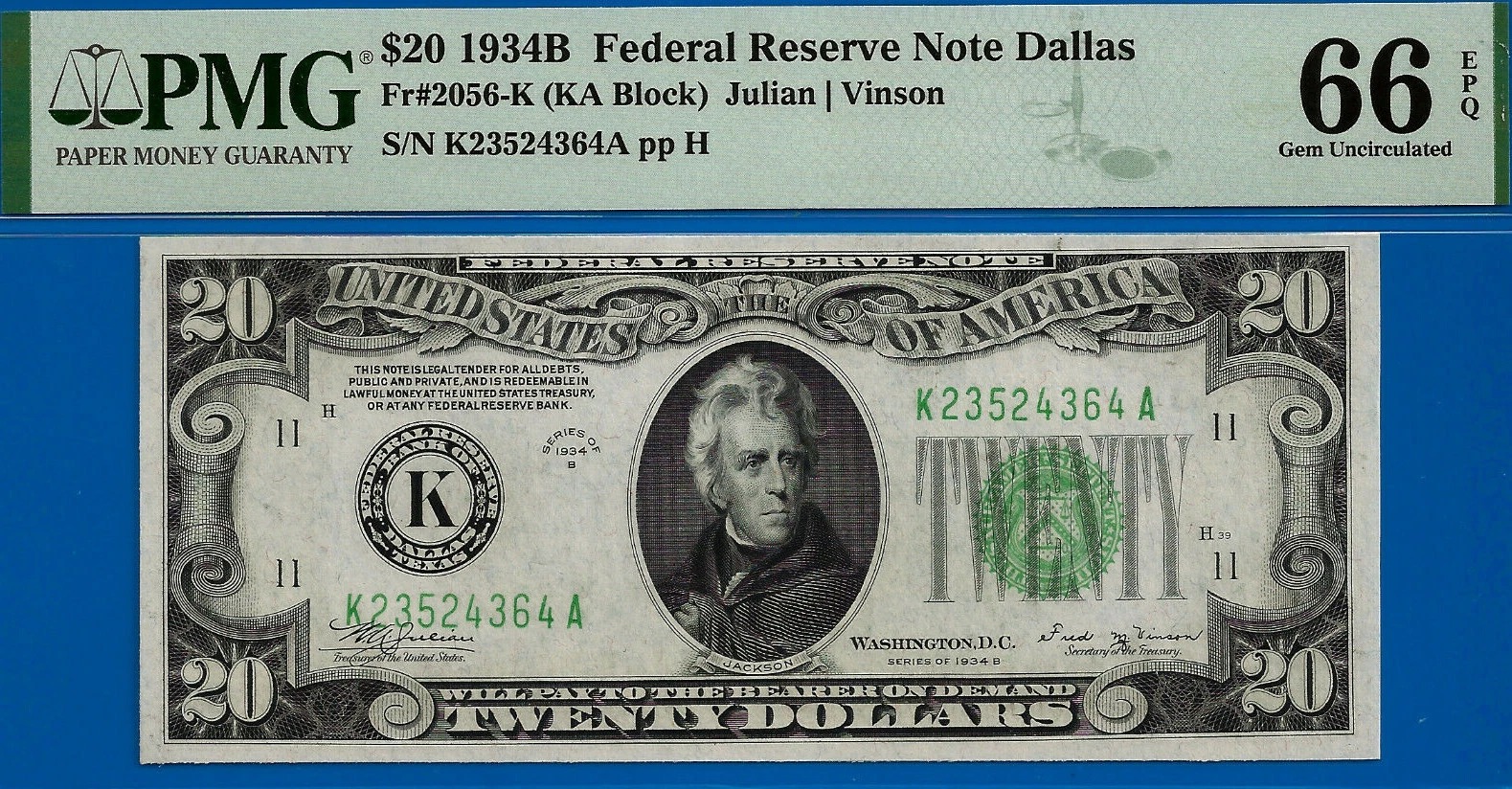
The Series 1934B $20 Federal Reserve Note is one of the most underappreciated challenges in mid-century currency collecting, with certain district issues so scarce they surface only a handful of times per decade. This deep dive covers signature combinations, print run disparities, and exactly which districts should be on every advanced collector’s want list.

Read More →
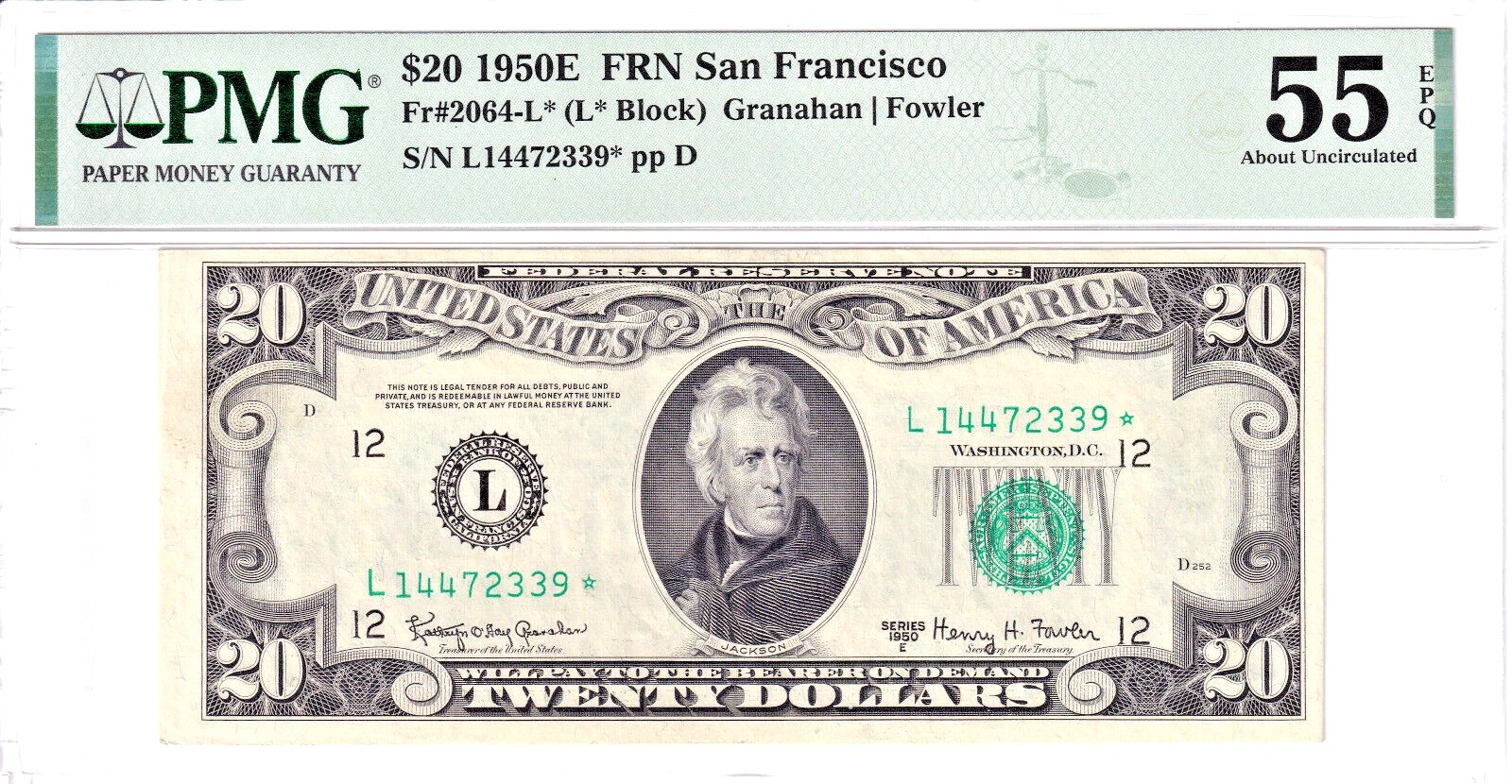
Federal Reserve Notes Series 1950E $20: The Scarcest Suffix Letter of the Postwar Era Explained

The Series 1950E $20 Federal Reserve Note represents one of the most dramatic print-run disparities in postwar American currency, with certain district issues ranking among the genuinely scarce collectibles of the mid-century era. Understanding why this series ended so abruptly, which districts are hardest to find, and how to evaluate condition are essential skills for any serious large-denomination collector.

Read More →

Federal Reserve Notes Series 1950A $5: Signature Varieties, Star Notes, and the Districts That Printed the Fewest

The Series 1950A $5 Federal Reserve Note is one of the most underappreciated mid-century collectibles, featuring a single signature pairing and dramatic print run disparities across the twelve Federal Reserve Districts. Whether you’re hunting star notes or chasing the low-mintage outliers from Minneapolis or Dallas, this guide gives you the data and context you need.

Read More →

Series 1950B $50 Federal Reserve Note Star Notes: Which Districts Are Conditionally Rare and Why Census Numbers Mislead

The Series 1950B $50 Federal Reserve Note star notes present one of the most deceptive collecting puzzles in mid-century large-denomination currency, where raw survival numbers tell only half the story. Learn which Federal Reserve districts produce genuine conditional rarities, how grading realities distort census counts, and what savvy collectors know before bidding.

Read More →

Series 1976 $2 Federal Reserve Notes: First-Day Issues, Cancellations, and Collector Value

The Series 1976 $2 Federal Reserve Note launched on April 13, 1976 as part of America’s Bicentennial celebration, sparking a nationwide stamping frenzy that created one of the most fascinating collecting niches in modern US currency. Learn how to distinguish genuinely valuable first-day issues from common stamped notes, and what drives collector premiums today.

Read More →

Star Note Print Runs by District: Which Federal Reserve Banks Printed the Fewest Stars

Not all Federal Reserve star notes are created equal. This deep-dive into district-by-district print run data reveals which banks consistently produced the scarcest replacement notes and why those low-mintage stars command serious premiums in today’s collector market.

Read More →

The Series 1934C $5 Federal Reserve Note: Why Certain Federal Reserve Districts Produced Dramatically Fewer Examples

The Series 1934C $5 Federal Reserve Note is one of the most district-dependent collecting puzzles in mid-century US currency, with print runs varying by factors of ten or more across the twelve Federal Reserve Banks. Understanding which districts are genuinely scarce, which signature combinations to watch for, and how Treasury seal colors factor into value can transform a casual acquisition into a sharp collecting strategy.

Read More →

Series 1934 $100 Federal Reserve Note Light Green Seal Varieties: Which Districts Are the Rarest

The Series 1934 $100 Federal Reserve Note with its distinctive light green Treasury seal is one of the most nuanced and rewarding collecting pursuits in large-size and transitional U.S. currency. This guide breaks down every Federal Reserve district, their relative scarcities, known print runs, and what separates a common circulated example from a genuinely elusive prize.

Read More →

Series 1934D $20 Federal Reserve Note: The Last Pre-Security-Redesign Twenty and Its Dramatic District Population Differences

The Series 1934D $20 Federal Reserve Note holds a unique position in American currency history as the final twenty-dollar bill printed before the landmark 1950 redesign introduced updated security and aesthetic features. Understanding the striking population differences across Federal Reserve districts, signature combinations, and condition scarcities makes this an essential study for any serious collector of mid-century American paper money.

Read More →

Series 1934 $10 Federal Reserve Note Mule Varieties: Large Plate Number vs. Small Plate Number Issues Explained

The Series 1934 $10 Federal Reserve Note produced one of the most fascinating transitional varieties in twentieth-century U.S. currency: the mule. Understanding how large and small plate numbers created these hybrid notes can sharpen your eye at currency shows and potentially reveal hidden treasures in your collection.

Read More →