
US Notes

The Series 1928 $1 Silver Certificate: Varieties, Mule Notes, and Wide vs. Narrow Margins Explained
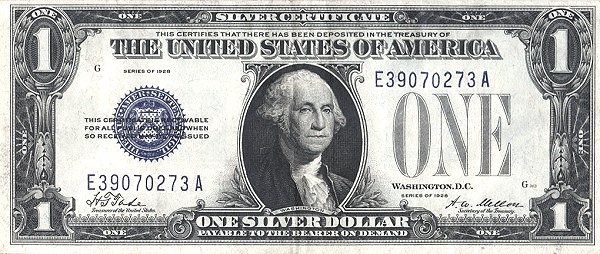
The Series 1928 $1 Silver Certificate is one of the most variety-rich issues in small-size currency history, packed with signature combinations, mule notes, and margin differences that can mean the difference between a common note and a serious key date. Whether you are just starting out or fine-tuning a specialized collection, understanding these distinctions is essential to building a meaningful set.

Read More →

Series 1934 $10 Federal Reserve Note Mule Varieties: Large Plate Number vs. Small Plate Number Issues Explained

The Series 1934 $10 Federal Reserve Note produced one of the most fascinating transitional varieties in twentieth-century U.S. currency: the mule. Understanding how large and small plate numbers created these hybrid notes can sharpen your eye at currency shows and potentially reveal hidden treasures in your collection.

Read More →

Transitional Series Mule Notes Between 1950 and 1950A: Identifying the Mixed Plate Printings

When the Bureau of Engraving and Printing shifted from Series 1950 to Series 1950A Federal Reserve Notes, a brief window of mixed plate usage created a fascinating category of mule notes that puzzle collectors to this day. Learn how to identify these transitional printings, which signature and plate combinations to watch for, and why certain district mules command significant premiums over their standard counterparts.

Read More →

Federal Reserve Notes Series 1988A $1: The Web Press Precursor and Its Overlooked Plate Varieties

The Series 1988A $1 Federal Reserve Note sits at a pivotal crossroads in American printing history, bridging conventional sheet-fed production with the experimental web press program that would follow. For collectors willing to dig into plate varieties, district scarcities, and star note populations, this series rewards careful study far beyond its face value.

Read More →

Ink Crystallization on Intaglio-Printed Currency: The Surface Defect That Looks Like an Error But Occurs After Printing

Ink crystallization is one of the most misunderstood surface phenomena in paper money collecting, frequently mistaken for a printing error or deliberate variety. Understanding what causes it, how to identify it, and how it affects a note’s grade and value can save collectors from costly mistakes and reveal hidden gems hiding in plain sight.

Read More →

Skewed Overprints on 1929 National Bank Notes: Why Brown Seal Misalignments Happen More Often Than on Federal Notes

The brown seal overprints on Series 1929 National Bank Notes are among the most frequently misaligned impressions in all of U.S. paper money, and the reasons go straight to the heart of how these notes were manufactured. Understanding the mechanical and logistical causes behind these skewed seals, charter numbers, and bank title prints helps collectors identify genuine errors, distinguish them from post-issue damage, and make smarter buying decisions in today’s market.

Read More →

Series 1953 $5 Silver Certificate Mule Notes: How to Identify Large vs. Small Plate Number Combinations and Why They Matter

The Series 1953 $5 Silver Certificate mule notes represent one of the most fascinating transitional varieties in mid-century American paper money, created when the Bureau of Engraving and Printing mixed old large-checkdigit face plates with new small-checkdigit back plates during a critical production changeover. Understanding how to identify these mule combinations unlocks a hidden layer of collectibility that most casual collectors overlook entirely.

Read More →

Series 1935F $1 Silver Certificate Varieties: Narrow vs. Wide Back Printing Differences Explained

The Series 1935F $1 Silver Certificate hides one of the most visually distinct yet widely misunderstood production varieties in mid-century American paper money: the Narrow Back and Wide Back printing differences. Understanding exactly what changed on the press, why it happened, and how to tell them apart can meaningfully affect your collection’s value and completeness.

Read More →