
US Notes

Series 1935A $1 Silver Certificate Varieties: The R and S Experimental Notes Explained
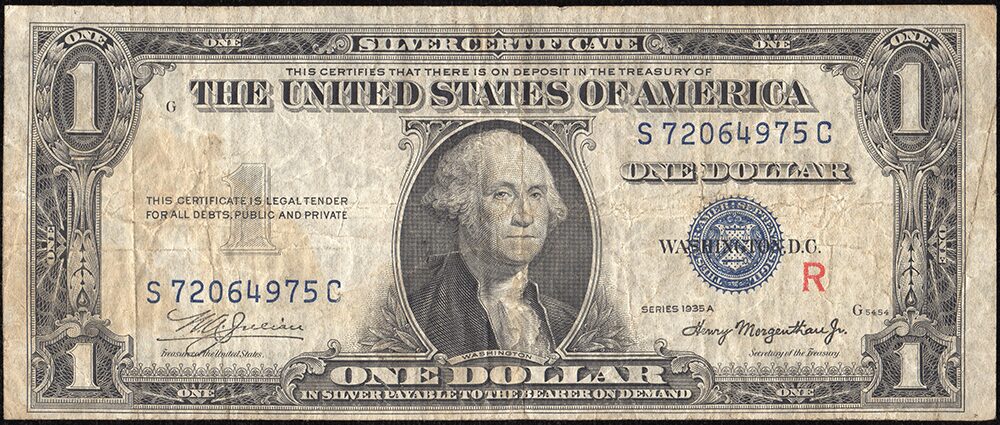
In 1944, the U.S. Bureau of Engraving and Printing conducted a rare printing experiment that produced two distinct varieties of the Series 1935A $1 Silver Certificate, each stamped with a red ‘R’ or ‘S’ suffix. These experimental notes represent one of the most fascinating and collectible chapters in modern U.S. currency history, and understanding them can make a real difference at auction.

Read More →
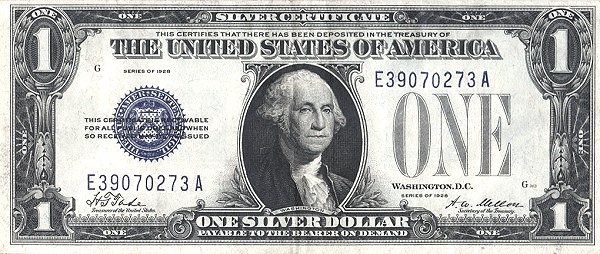
The Series 1928 $1 Silver Certificate: Varieties, Mule Notes, and Wide vs. Narrow Margins Explained

The Series 1928 $1 Silver Certificate is one of the most variety-rich issues in small-size currency history, packed with signature combinations, mule notes, and margin differences that can mean the difference between a common note and a serious key date. Whether you are just starting out or fine-tuning a specialized collection, understanding these distinctions is essential to building a meaningful set.

Read More →

Portrait Engraving at the BEP: Dies, Transfer Rolls, and Printing Plates Explained for Collectors

Understanding how the Bureau of Engraving and Printing transforms a master engraver’s work into millions of printed notes reveals why subtle differences between plates can create dramatic value swings in your collection. From the steel die to the final sheet, every step in this process leaves its own fingerprint on the notes we collect.

Read More →

The Federal Reserve Seal Redesign of 1969: From Black Regional Seals to Unified Federal Seals

In 1969, Federal Reserve Notes underwent one of the most visually significant changes in twentieth-century American currency: the replacement of district-specific black seals with a single unified Federal Reserve seal. Understanding this transition is essential for collectors dating notes, identifying varieties, and appreciating why certain pre-1969 series command serious premiums.

Read More →