
US Notes

Series 1935A $1 Silver Certificate Varieties: The R and S Experimental Notes Explained
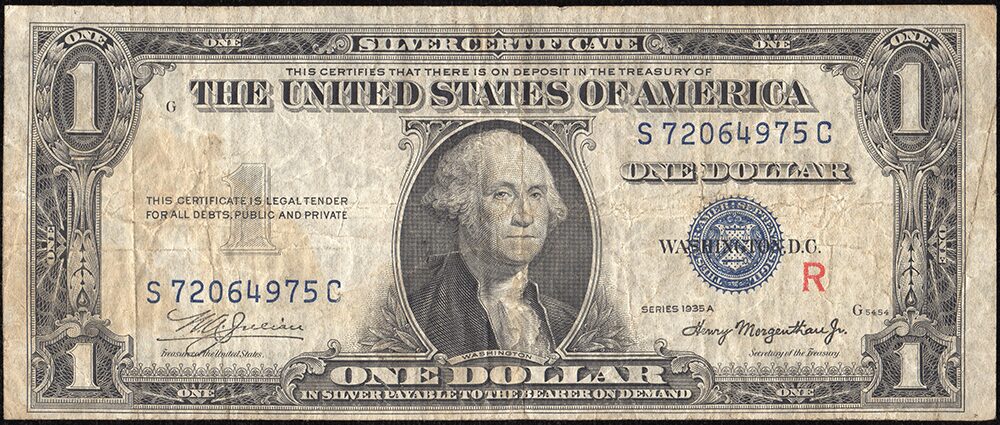
In 1944, the U.S. Bureau of Engraving and Printing conducted a rare printing experiment that produced two distinct varieties of the Series 1935A $1 Silver Certificate, each stamped with a red ‘R’ or ‘S’ suffix. These experimental notes represent one of the most fascinating and collectible chapters in modern U.S. currency history, and understanding them can make a real difference at auction.

Read More →
Hawaii Overprint Notes Series 1935A: The Emergency Currency That Could Have Saved the Pacific

Issued in the anxious weeks following Pearl Harbor, Hawaii overprint notes represent one of the most dramatic emergency currency programs in American history. Understanding their origins, varieties, and condition pitfalls can make the difference between a shrewd purchase and an expensive mistake.

Read More →

North Africa Yellow Seal Silver Certificates Series 1935A: America’s Most Dramatic Wartime Emergency Currency

The Series 1935A Yellow Seal Silver Certificates represent one of the most fascinating chapters in US currency history, issued specifically to protect Allied forces in North Africa during World War II. Learn how to identify genuine examples, understand the key varieties, and build a meaningful collection of these compelling wartime emergency notes.

Read More →

Mule Notes Explained: Mismatched Plate Combinations and How to Identify Them

Mule notes are among the most fascinating transitional varieties in US paper money collecting, created when face and back plates of different microprint sizes were accidentally paired during production. Understanding how to identify them, which series to target, and what drives their premiums can transform how you approach a currency collection.

Read More →