US Notes

The Reverse Design of the Series 1934 $500 Federal Reserve Note: An Understated but Elegant Layout

The Series 1934 $500 Federal Reserve Note carries one of the most quietly sophisticated reverse designs in American currency history, blending classical engraving traditions with the functional austerity of the New Deal era. Collectors who take the time to study its layout discover a composition that rewards close examination and speaks volumes about the Bureau of Engraving and Printing’s craft at its peak.

Read More →
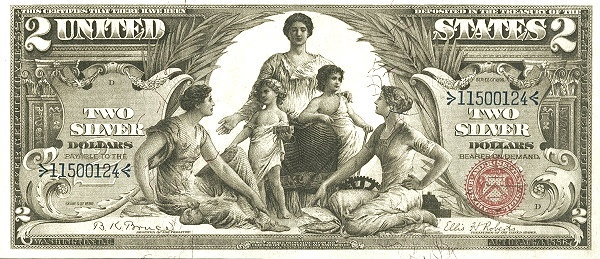
The Allegorical Figure of Mechanics on the 1896 $2 Educational Silver Certificate Reverse: Industry, Electricity, and Classical Composition

The reverse of the 1896 $2 Educational Silver Certificate features one of the most ambitious allegorical compositions ever engraved on American currency, pairing the figure of Mechanics with a dynamo and classical architectural grandeur. Understanding this imagery unlocks the full artistic vision of the Educational Series and explains why these notes command such fierce competition among advanced collectors.

Read More →

Portrait Engraving at the BEP: Dies, Transfer Rolls, and Printing Plates Explained for Collectors

Understanding how the Bureau of Engraving and Printing transforms a master engraver’s work into millions of printed notes reveals why subtle differences between plates can create dramatic value swings in your collection. From the steel die to the final sheet, every step in this process leaves its own fingerprint on the notes we collect.

Read More →

Franklin on the $100: Comparing Every Engraved BEP Portrait from Large-Size Gold Certificates to the Modern Note

Benjamin Franklin has appeared on American currency longer than any other non-president, yet his portrait has changed dramatically across more than a century of engraving. This deep-dive compares every distinct BEP-engraved Franklin portrait, from the ornate large-size issues of the 1870s through the high-security small-size notes of 2013, giving collectors the specific details they need to identify, grade, and appreciate each era.

Read More →

Independence Hall on the $100 Bill: A Collector’s Guide to Architectural Accuracy and Artistic Evolution

The reverse of the $100 Federal Reserve Note has depicted Philadelphia’s Independence Hall since 1928, but the engraving has changed in subtle and significant ways across nearly a century of production. Understanding these artistic shifts helps collectors identify varieties, spot alterations, and appreciate the extraordinary craftsmanship behind America’s highest-circulation large denomination.

Read More →

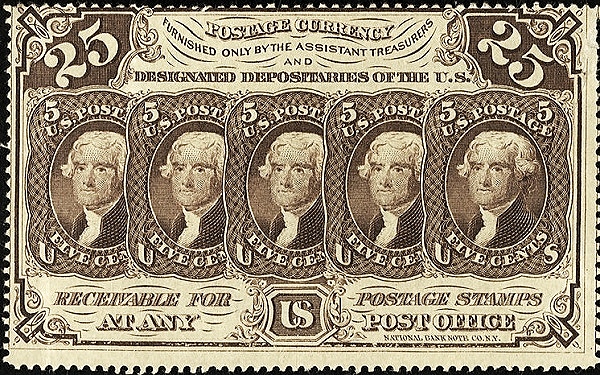
The Fasces Symbol on US Currency: Roman Authority, Bundled Strength, and Its Appearances from Fractional Currency to Modern FRNs

Few symbols carry as much historical weight as the fasces, a bundle of rods bound around an axe that signified Roman magisterial power for centuries before appearing on American coins and paper money. This deep dive traces every significant fasces appearance on US currency, from Civil War-era fractional notes to the Lincoln Memorial reverse, with specific catalog numbers and collector values to guide your hunt.

Read More →

The Back Design of the Series 1934 $1000 Federal Reserve Note: Architecture, Typography, and Understated Elegance

The reverse of the Series 1934 $1000 Federal Reserve Note is one of the most restrained yet sophisticated engraving achievements in American currency history, blending neoclassical architectural motifs with masterful Intaglio typography. Understanding its design details, production context, and collector significance can sharpen your eye and your buying decisions when these high-denomination giants surface at auction.

Read More →