
US Notes

Small-Size Federal Reserve Bank Notes Series 1929 $50 and $100: The Highest Denomination Emergency Brown Seals
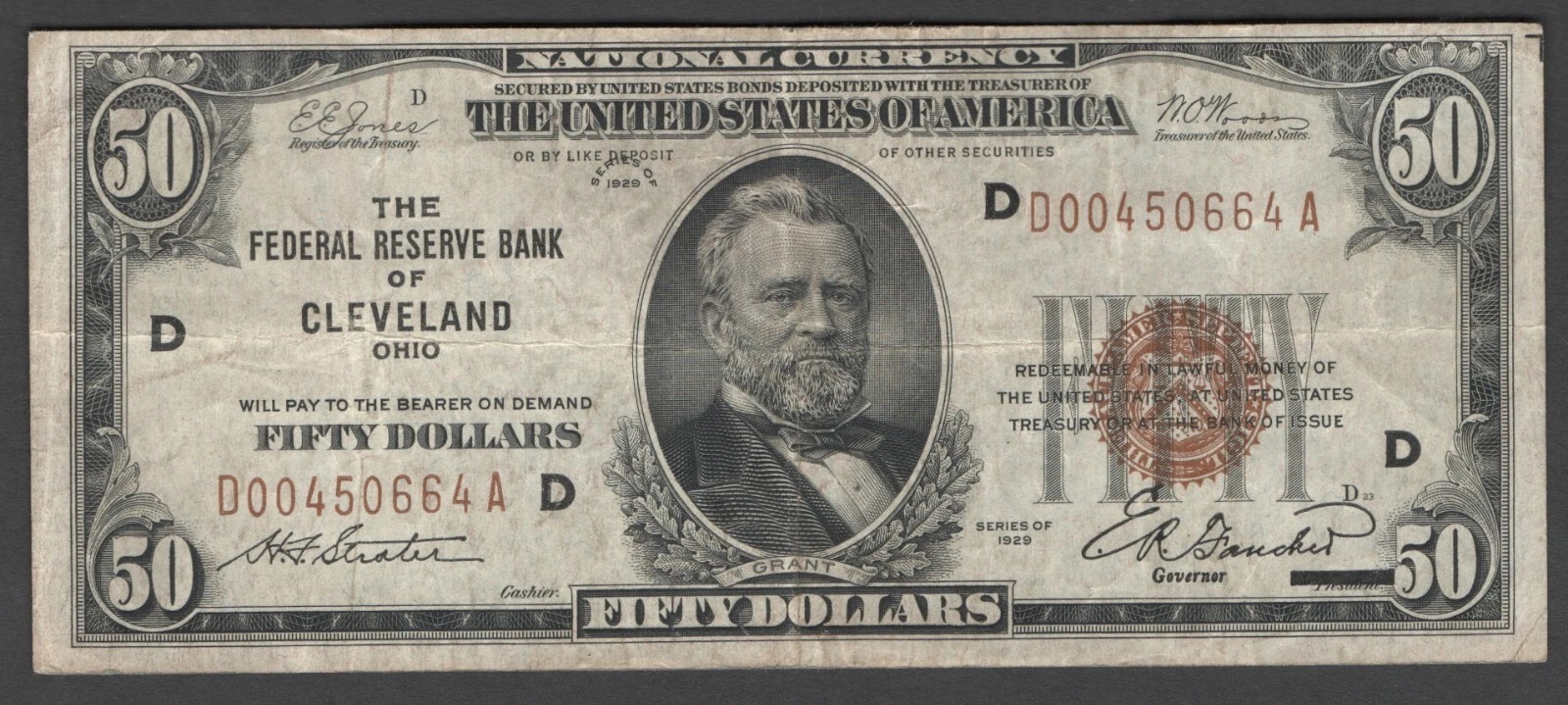
The Series 1929 Federal Reserve Bank Notes in $50 and $100 denominations represent some of the most historically significant and collectible brown seal notes ever issued, born from an emergency transition to small-size currency. Understanding their origins, varieties, and rarity separates casual observers from serious collectors.

Read More →
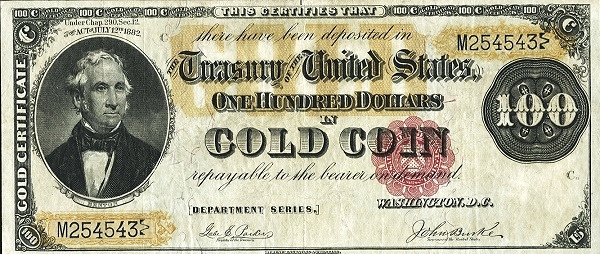
Franklin on the $100: Comparing Every Engraved BEP Portrait from Large-Size Gold Certificates to the Modern Note

Benjamin Franklin has appeared on American currency longer than any other non-president, yet his portrait has changed dramatically across more than a century of engraving. This deep-dive compares every distinct BEP-engraved Franklin portrait, from the ornate large-size issues of the 1870s through the high-security small-size notes of 2013, giving collectors the specific details they need to identify, grade, and appreciate each era.

Read More →

Federal Reserve Notes Series 2013 $100: The Creasing Crisis That Halted Production and What It Means for Collectors Today

In 2010, the Bureau of Engraving and Printing unveiled a dramatically redesigned $100 note, only to discover a manufacturing defect that would delay its release by three years and produce some of the most scrutinized currency in modern American history. Understanding the creasing problem, the production halt, and the resulting series variations gives collectors a fascinating window into how error notes and transitional issues are born.

Read More →

Federal Reserve Notes Series 2009 $100: The Redesigned Franklin That Waited Four Years to Reach Your Wallet

The Series 2009 $100 Federal Reserve Note carries one of the most remarkable production histories in modern US currency, plagued by a costly printing defect that forced the Bureau of Engraving and Printing to quarantine over one billion notes. Understanding this saga helps collectors identify the early mule varieties, star replacements, and first-run issues that make this series genuinely fascinating.

Read More →