US Notes

The Panic of 1873 and How Economic Collapse Shaped the Demand for Legal Tender Notes
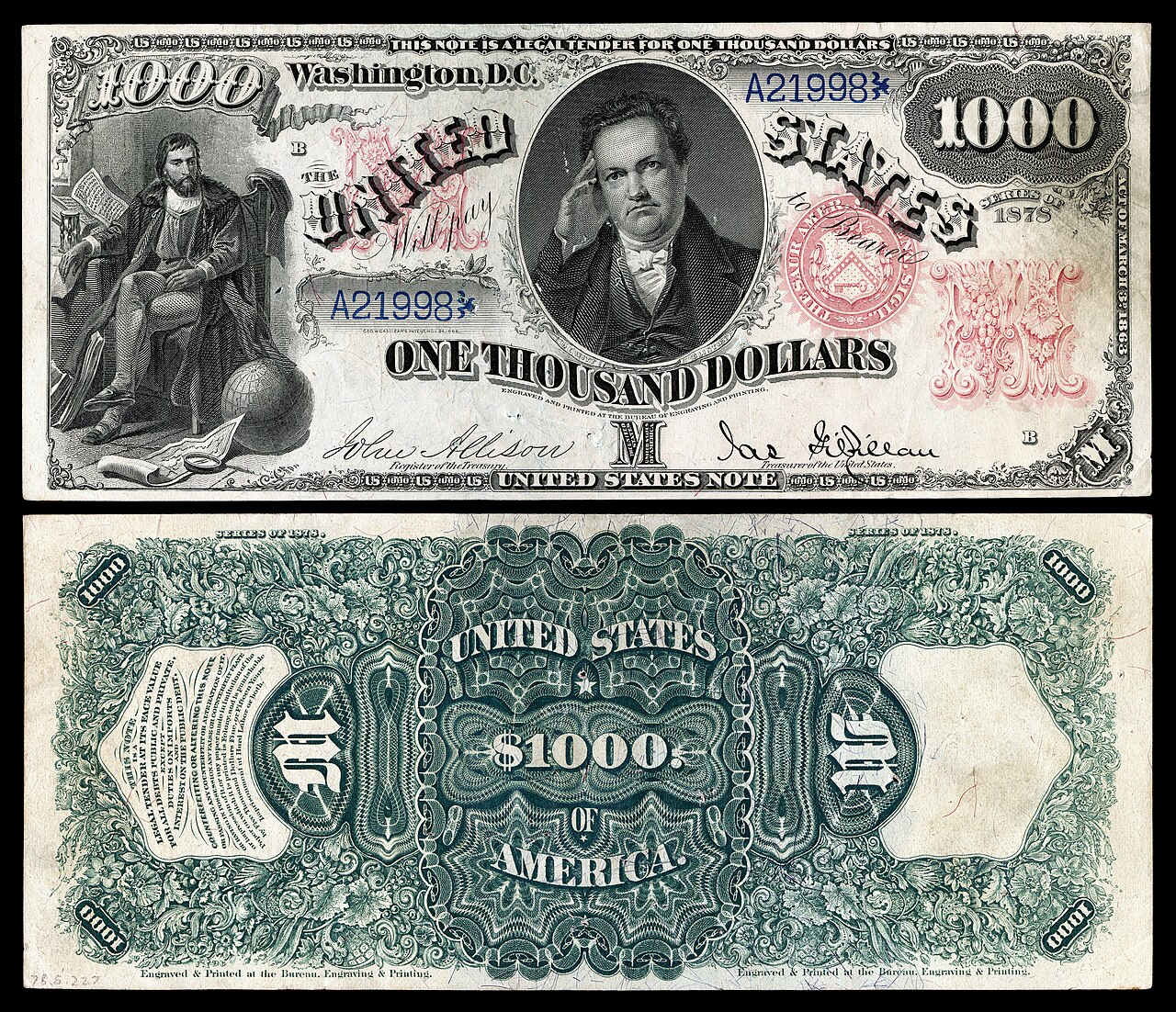
The financial catastrophe of 1873 forced ordinary Americans to rethink their relationship with paper money, driving unprecedented demand for United States Legal Tender Notes at a moment when the nation’s banking system was crumbling. Understanding this pivotal crisis reveals why certain series of greenbacks were printed in massive quantities and why surviving high-grade examples from this era carry such powerful historical weight.

Read More →
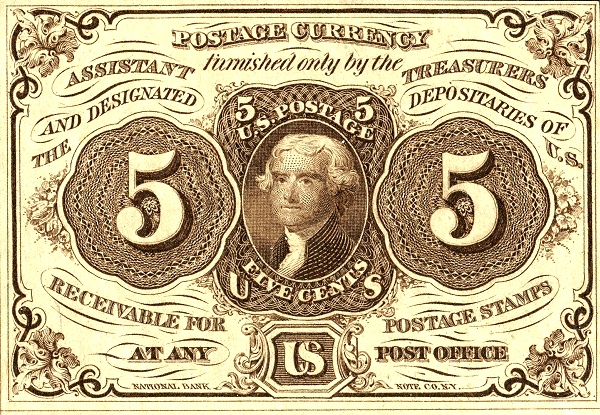
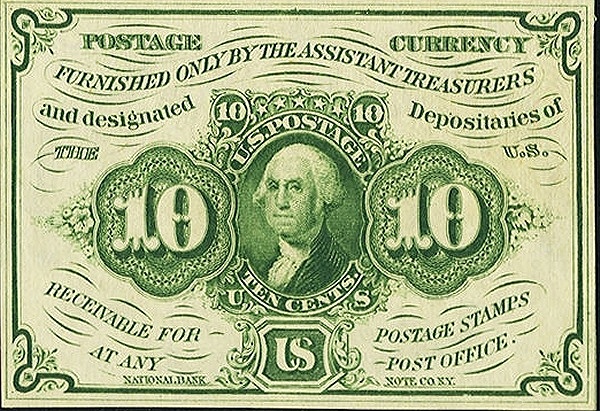
The Allegorical Figure of Victory on Fractional Currency: Military Iconography on Civil War Small-Change Notes

During the Civil War, the Union government printed fractional currency notes adorned with allegorical figures and military symbols that transformed everyday small change into miniature works of patriotic art. This guide examines the specific iconographic choices, printing details, and collecting nuances of these remarkable wartime issues.

Read More →

The Phrygian Cap on Fractional Currency: Revolutionary Symbolism on Civil War Small Change

The tiny Phrygian cap printed on Civil War-era fractional currency carried centuries of revolutionary meaning into the pockets of everyday Americans. This guide unpacks the history, varieties, and collector value of these remarkable small-denomination notes.

Read More →

Portraits Removed from US Currency: Chase, Stanton, and the Figures No Longer on American Notes

From Salmon P. Chase’s brief appearance on high-denomination Federal Reserve Notes to Edwin Stanton’s forgotten presence on Fractional Currency, several prominent Americans once graced US paper money before being quietly replaced. Understanding who appeared, when, and why they were removed gives collectors a fascinating lens into the political and institutional history behind every piece of American paper money.

Read More →

The Secret Service’s First Currency Counterfeiting Arrests: The 1865 Cases That Justified the Agency’s Creation

When the Secret Service made its first counterfeiting arrests in the autumn of 1865, it targeted a national crisis that had rendered roughly one-third of all circulating paper currency suspect. Understanding these founding cases gives collectors crucial context for authenticating and valuing Civil War-era fractional and Legal Tender notes.

Read More →

The Fasces Symbol on US Currency: Roman Authority, Bundled Strength, and Its Appearances from Fractional Currency to Modern FRNs

Few symbols carry as much historical weight as the fasces, a bundle of rods bound around an axe that signified Roman magisterial power for centuries before appearing on American coins and paper money. This deep dive traces every significant fasces appearance on US currency, from Civil War-era fractional notes to the Lincoln Memorial reverse, with specific catalog numbers and collector values to guide your hunt.

Read More →

Grading Fractional Currency: Why Centering, Margins, and Embossing Determine Everything in These Tiny Notes

Fractional currency grading is one of the most nuanced disciplines in American paper money collecting, where a millimeter of margin or the depth of a security impression can swing a note’s value by hundreds of dollars. This guide breaks down exactly what PCGS, PMG, and experienced collectors look for when evaluating these Civil War-era miniatures.

Read More →

Grading Fractional Currency Fifth Issue Notes: How Perforations, Surcharges, and Experimental Varieties Affect Grade Assignment

The Fifth Issue of United States Fractional Currency (1874-1876) presents some of the most nuanced grading challenges in all of American paper money collecting, with perforations, surcharges, and rare experimental varieties each capable of dramatically shifting a note’s grade and value. This guide breaks down exactly what graders look for, which varieties command premiums, and how to evaluate your own Fifth Issue pieces with confidence.

Read More →

The Helmeted Head of Minerva on Fractional Currency: Classical Allegory on Small-Change Emergency Notes

During the Civil War and Reconstruction era, the United States turned to classical mythology to grace its smallest emergency currency, placing the helmeted visage of Minerva on several Fractional Currency issues. Understanding these allegorical design choices, their catalog numbers, and their rarity unlocks one of the most fascinating and accessible collecting specialties in American paper money.

Read More →