US Notes

Stray Ink Dots on Uncirculated Federal Reserve Notes: Manufacturing Artifacts That Graders Notice but Rarely Penalize
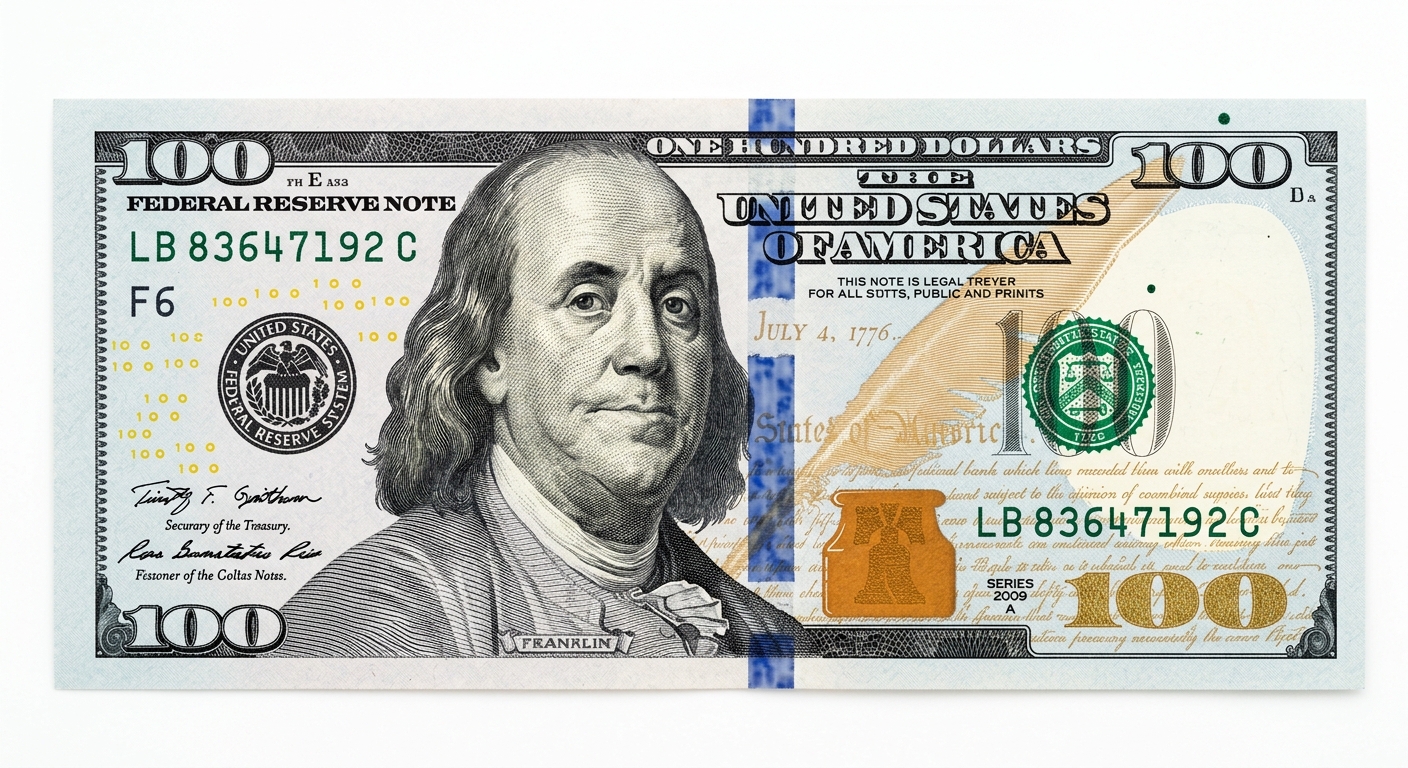
Stray ink dots are among the most misunderstood manufacturing artifacts found on uncirculated Federal Reserve Notes, causing unnecessary alarm among new collectors who mistake them for damage. Understanding how graders evaluate these printing anomalies can save you from passing on a perfectly gradeable gem and help you make smarter buying decisions at auction.

Read More →
The Importance of Margins in Currency Grading: How Centering Affects PMG and PCGS Scores

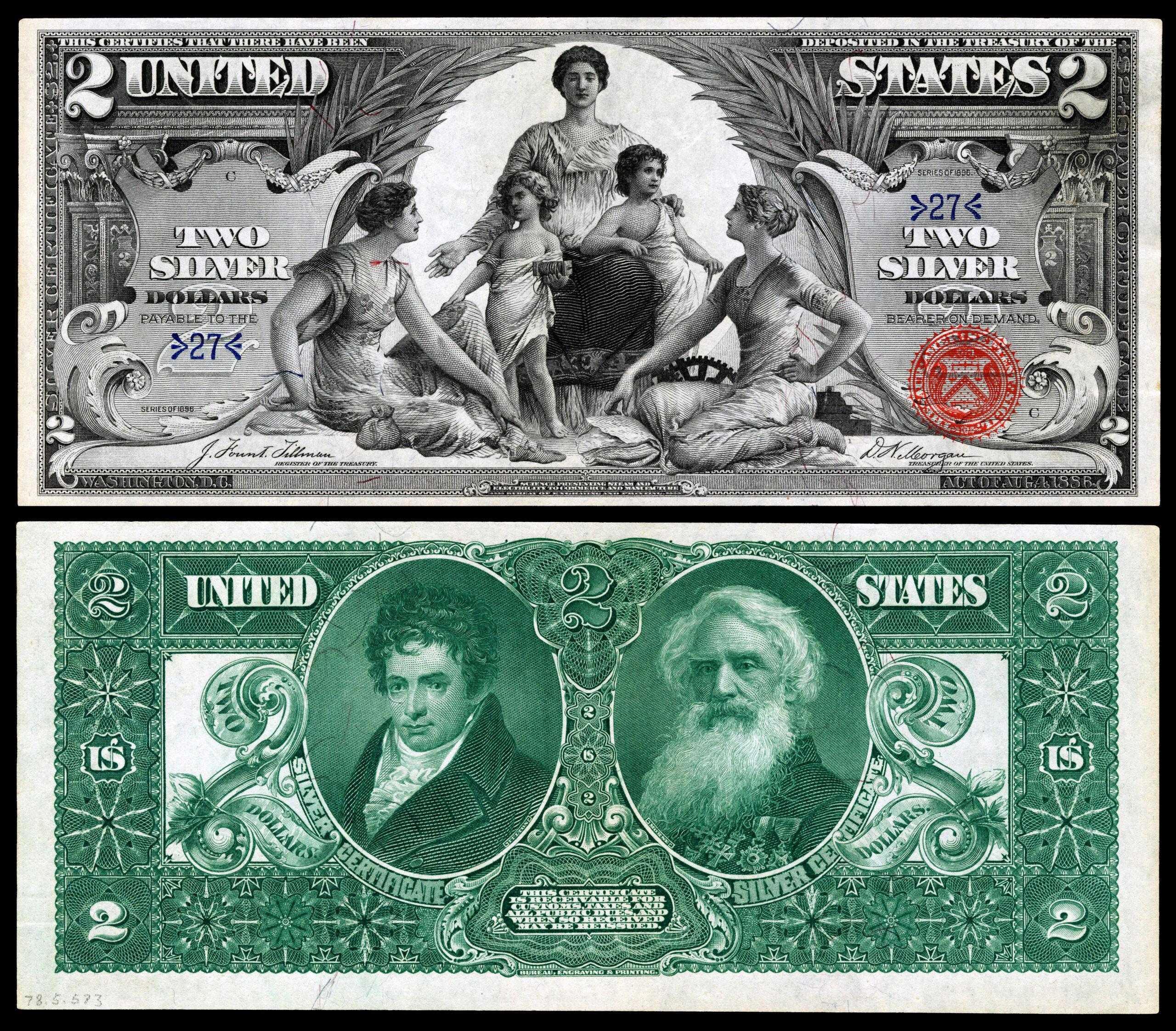
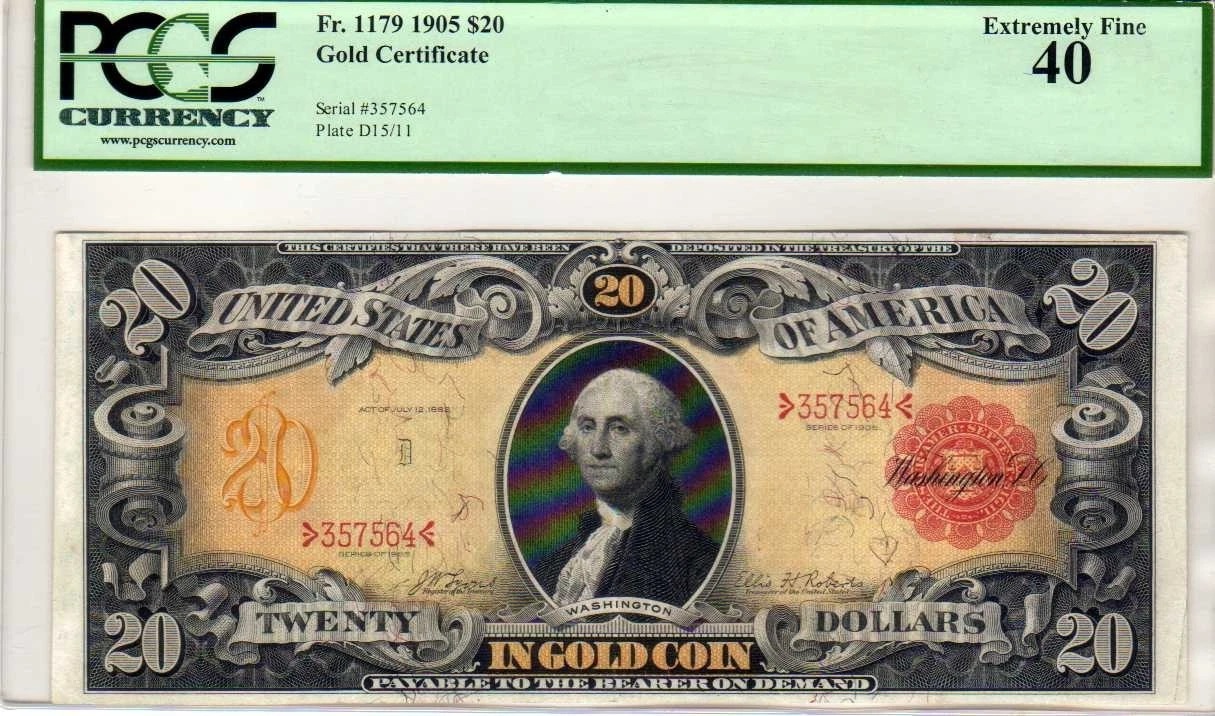
Centering and margins can make or break a currency grade, turning a potential gem into a problem note before an expert ever checks for folds. Understanding how PMG and PCGS evaluate margins gives collectors a critical edge when buying, selling, or submitting notes for grading.

Read More →

Handling Damage vs. Circulation Wear: How Graders Distinguish Between the Two Types of Impairment

Not all impairment on a banknote tells the same story, and experienced graders know exactly how to read the difference between a note that spent years in a cash drawer and one that was mishandled by a single careless collector. Understanding this distinction can mean the difference between a note graded Fine-15 and one that earns a damaging details qualifier that follows it forever.

Read More →

Gem Uncirculated 65 EPQ: What the Exceptional Paper Quality Designation Really Means

The EPQ designation from PCGS Currency and PMG can add significant value to a graded banknote, but few collectors fully understand what examiners are actually looking for. This guide breaks down the technical criteria, explains how EPQ affects market premiums, and shows you how to develop the eye for paper quality before you submit.

Read More →

The VF-35 Grade: Why This Coin-Derived Designation Is Rarely Used in Paper Money and What It Actually Means for Currency Collectors

The VF-35 grade occupies a peculiar middle ground in paper money grading, borrowed from numismatic coin standards and applied inconsistently to currency. Understanding what VF-35 actually signals about a note’s condition, and why major grading services treat it differently, can sharpen your buying decisions and protect your collection’s value.

Read More →

Counting Machine Damage on Paper Money: How ATM and Bank Processing Hurts Grades

Counting machines, ATMs, and high-speed bank processing equipment inflict specific, recognizable damage patterns that can drop a note’s grade by two or more full points. Understanding these mechanical injuries helps collectors avoid costly mistakes and spot problem notes before they end up in their collections.

Read More →

Original Embossing on Intaglio-Printed Notes: What It Looks Like, How to Feel It, and Why Graders Reward It

The raised, tactile texture of intaglio printing is one of the most telling signs of a genuinely uncirculated banknote, yet many collectors overlook it entirely. Learn how to identify, preserve, and leverage original embossing when buying, grading, and upgrading your collection.

Read More →

Tape Repairs on Paper Money: How to Detect Them Under UV Light and Their Catastrophic Effect on Value

Tape repairs are among the most damaging and deceptive alterations a collector can encounter on paper money, capable of slashing a note’s value by 80 percent or more. Learn how professional graders detect hidden repairs under ultraviolet light, which tape types leave which signatures, and how to protect yourself at shows, auctions, and dealer tables.

Read More →

The Grade Threshold for Submission: When Does a $10 Note Become Worth the Grading Fee?

Submitting a $10 Federal Reserve Note or Legal Tender note for professional grading costs real money, and not every bill clears the bar where slabbing makes financial sense. This guide breaks down the exact grade thresholds, series values, and collector strategies that determine whether your ten-dollar note deserves a holder or a bargain bin.

Read More →

How Split Grades Work at PMG: When a Note’s Face Earns a Higher Grade Than Its Back and How the Final Number Is Determined

Split grades are one of the most misunderstood concepts in paper money grading, yet they can significantly affect a note’s value and collectibility. This guide breaks down exactly how PMG handles grade differentials between a note’s obverse and reverse, and what that final number really means for your collection.

Read More →