
US Notes

Rubber Band Damage on Paper Money: How Graders Assess Compression Lines, Surface Breaks, and the Limits of Conservation
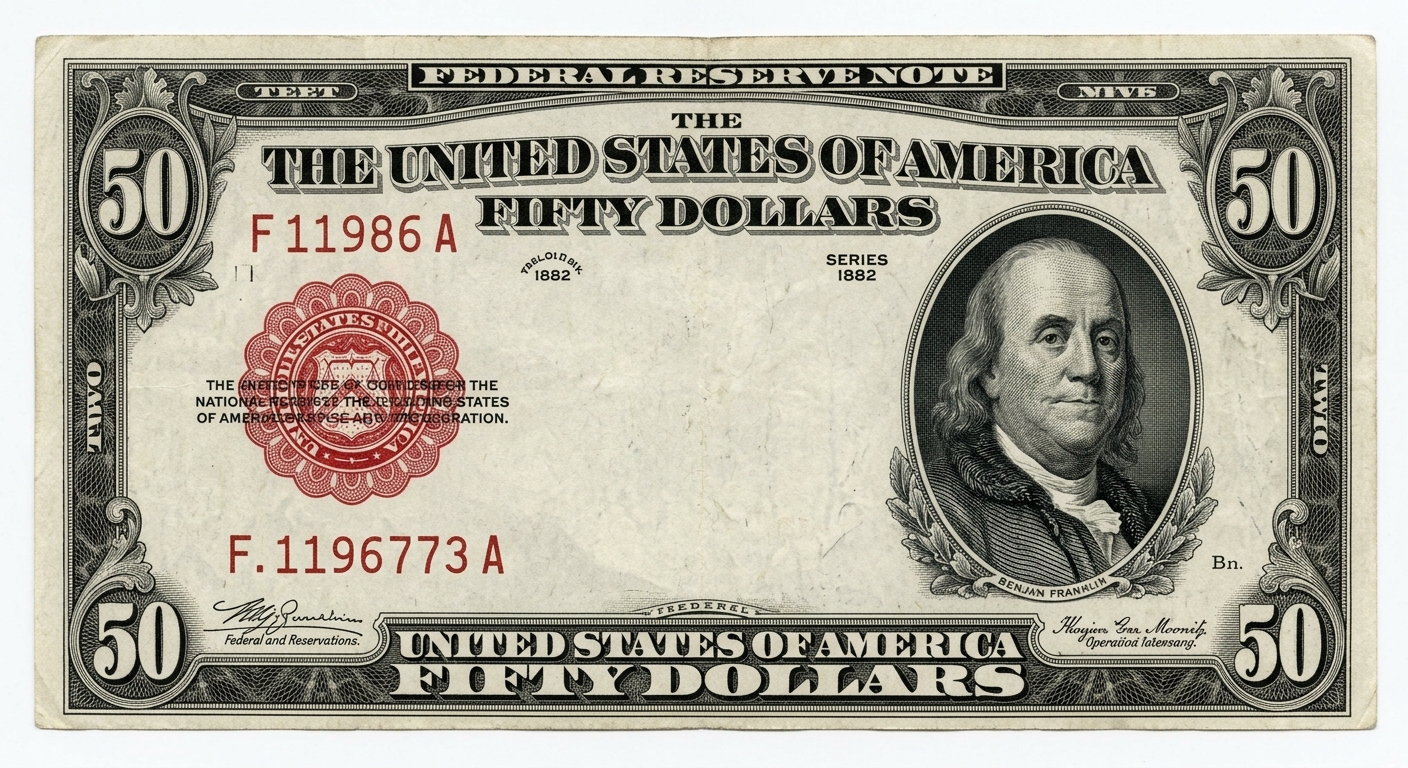
Rubber band damage is one of the most misunderstood forms of paper money deterioration, and many collectors discover its impact only when a note comes back from a grading service at a lower grade than expected. This guide breaks down exactly how professional graders at PCGS Currency and PMG evaluate compression lines and surface breaks caused by rubber bands, and what conservation options realistically exist.

Read More →

How to Use a Loupe and UV Light to Pre-Screen Currency Before Submission to PMG or PCGS

Submitting notes to PMG or PCGS Currency without pre-screening them first is one of the costliest mistakes a collector can make. This practical guide walks you through professional loupe and UV light techniques that can save you money, sharpen your grading eye, and dramatically improve your submission success rate.

Read More →

Chemical Damage to Currency: How to Identify Solvent Exposure, PVC Migration, and Acid Deterioration in Paper Money

Chemical damage is one of the most misunderstood and underestimated threats to paper currency, capable of destroying value silently over decades. This guide walks collectors through the science and visual cues behind solvent exposure, PVC migration, and acid deterioration so you can protect your holdings and make smarter buying decisions.

Read More →

Toning on Ungraded Currency: When Natural Aging Adds Character vs. When It Deducts Grade Points

Not all toning is created equal, and knowing the difference between desirable originality and grade-killing damage can save you hundreds of dollars at auction. This guide breaks down exactly how grading services evaluate toning on US paper money, with specific examples from Large Size notes to modern Federal Reserve issues.

Read More →

The About Uncirculated 55 Grade: How One Corner Fold Separates This Grade from Uncirculated and What It Costs Collectors

The AU55 grade sits at one of the most consequential crossroads in paper money collecting, where a single light fold can slash a note’s value by 30 to 60 percent compared to its Uncirculated counterpart. Understanding exactly what defines this grade, how graders detect that telltale fold, and how the AU55 premium plays out across specific series and denominations can save collectors hundreds or even thousands of dollars.

Read More →

How Folds Affect Currency Grade: Single Folds, Corner Folds, and Counting Folds Explained

A single misplaced fold can drop a note two full grade points and slash its collector value by half. This guide breaks down exactly how grading services evaluate every type of fold, from light corner bends to deep circulation creases, so you can accurately assess notes before you buy or sell.

Read More →

Why Is American Money Green? The BEP’s Ink Chemistry and the Colorful History Behind U.S. Currency

The green color of U.S. paper money is so iconic that ‘greenback’ became a permanent part of the American lexicon, yet few collectors understand the actual chemistry, historical decisions, and security science behind that distinctive hue. This deep dive covers everything from the Civil War-era origins of green ink to the modern magnetic and ultraviolet properties that make counterfeiting so difficult.

Read More →

The 58 EPQ Grade: Why About Uncirculated Currency with Exceptional Paper Quality Rivals Lower-Graded Gem Examples in Collector Preference

A PCGS or PMG grade of 58 EPQ sits at a fascinating crossroads in currency collecting, where a note with barely detectable handling can outperform a technically higher-graded example lacking the EPQ designation. Understanding why collectors increasingly prize the AU-58 EPQ grade over 63 or even 64 non-EPQ notes can reshape your entire buying strategy.

Read More →

Currency Grading Fundamentals: The Difference Between VF-30 and EF-40 in Plain Language

Understanding the precise line between Very Fine-30 and Extremely Fine-40 can mean hundreds of dollars difference on a single note. This guide breaks down exactly what graders are looking for, with real-world examples from classic US currency series.

Read More →

PCGS Currency vs. PMG: Which Grading Service Is Right for Your Paper Money Collection?

When it comes to certifying and grading US paper money, two names dominate the hobby: PCGS Currency and Paper Money Guaranty (PMG). This in-depth comparison breaks down their grading scales, holder quality, market acceptance, and submission strategies to help you make the smartest decision for your notes.

Read More →