
US Notes

PMG Choice Fine 15 vs. Very Fine 20: A Side-by-Side Grading Analysis for Large-Size Notes

Understanding the precise difference between PMG Choice Fine 15 and Very Fine 20 can mean hundreds of dollars on a single large-size note purchase. This deep-dive grading analysis breaks down the specific wear patterns, fold characteristics, and surface qualities that separate these two critical grades, with real-world examples from popular large-size series.

Read More →
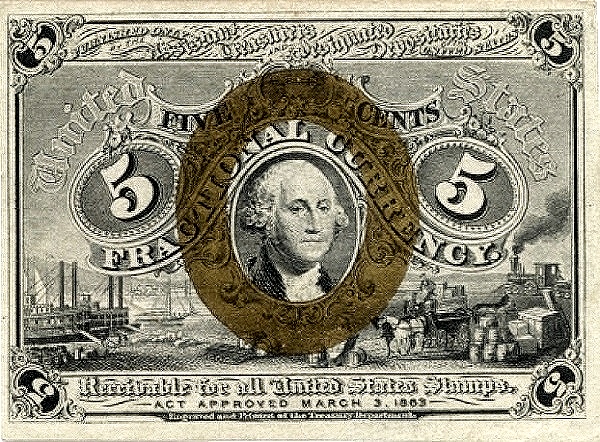
Grading Fractional Currency Fifth Issue Notes: How Perforations, Surcharges, and Experimental Varieties Affect Grade Assignment

The Fifth Issue of United States Fractional Currency (1874-1876) presents some of the most nuanced grading challenges in all of American paper money collecting, with perforations, surcharges, and rare experimental varieties each capable of dramatically shifting a note’s grade and value. This guide breaks down exactly what graders look for, which varieties command premiums, and how to evaluate your own Fifth Issue pieces with confidence.

Read More →

What Makes a Note Multiply-Qualified as EPQ: Why Not Every Uncirculated Submission Earns the Paper Quality Designation

EPQ, or Exceptional Paper Quality, is one of the most misunderstood designations in currency grading, and its presence or absence on a certified holder can swing a note’s value by hundreds of dollars. This deep-dive explains exactly what PCGS Currency and PMG evaluate when awarding the EPQ qualifier, why pristine uncirculated notes still fail to earn it, and how collectors can identify EPQ-worthy material before submitting.

Read More →

Fine-15 vs. Very Fine-20: A Practical Side-by-Side Grading Guide for Small-Size Federal Reserve Notes

The boundary between Fine-15 and Very Fine-20 is one of the most contested gray zones in paper money grading, yet mastering it can mean the difference of hundreds of dollars on a single note. This guide uses real small-size Federal Reserve Note examples, fold counts, and surface analysis to give collectors a reliable framework they can apply at the show table or the auction block.

Read More →

Ink Crystallization on Intaglio-Printed Currency: The Surface Defect That Looks Like an Error But Occurs After Printing

Ink crystallization is one of the most misunderstood surface phenomena in paper money collecting, frequently mistaken for a printing error or deliberate variety. Understanding what causes it, how to identify it, and how it affects a note’s grade and value can save collectors from costly mistakes and reveal hidden gems hiding in plain sight.

Read More →

Corner Wear on Large-Size Notes: Why Soft Rounded Corners Grade Better Than Hard Creased Folds

Not all corner wear is created equal, and on large-size notes the difference between a soft rounded tip and a hard diagonal crease can mean hundreds of dollars in collector value. This guide breaks down exactly how graders evaluate corner condition, what to look for under magnification, and how to apply that knowledge to your own collection.

Read More →