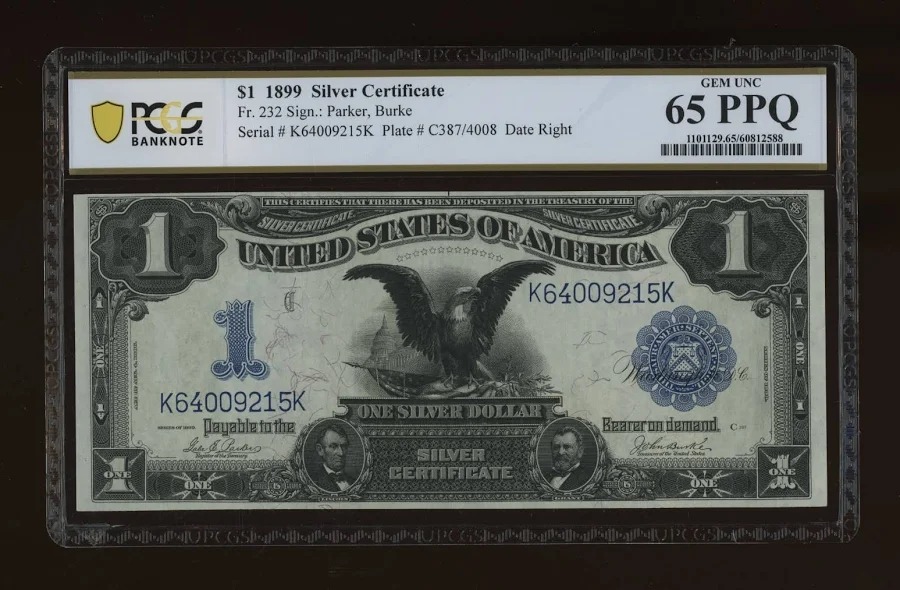
US Notes

Centering Standards for Small-Size Federal Reserve Notes: How PMG and PCGS Measure Margins and When Centering Caps a Grade
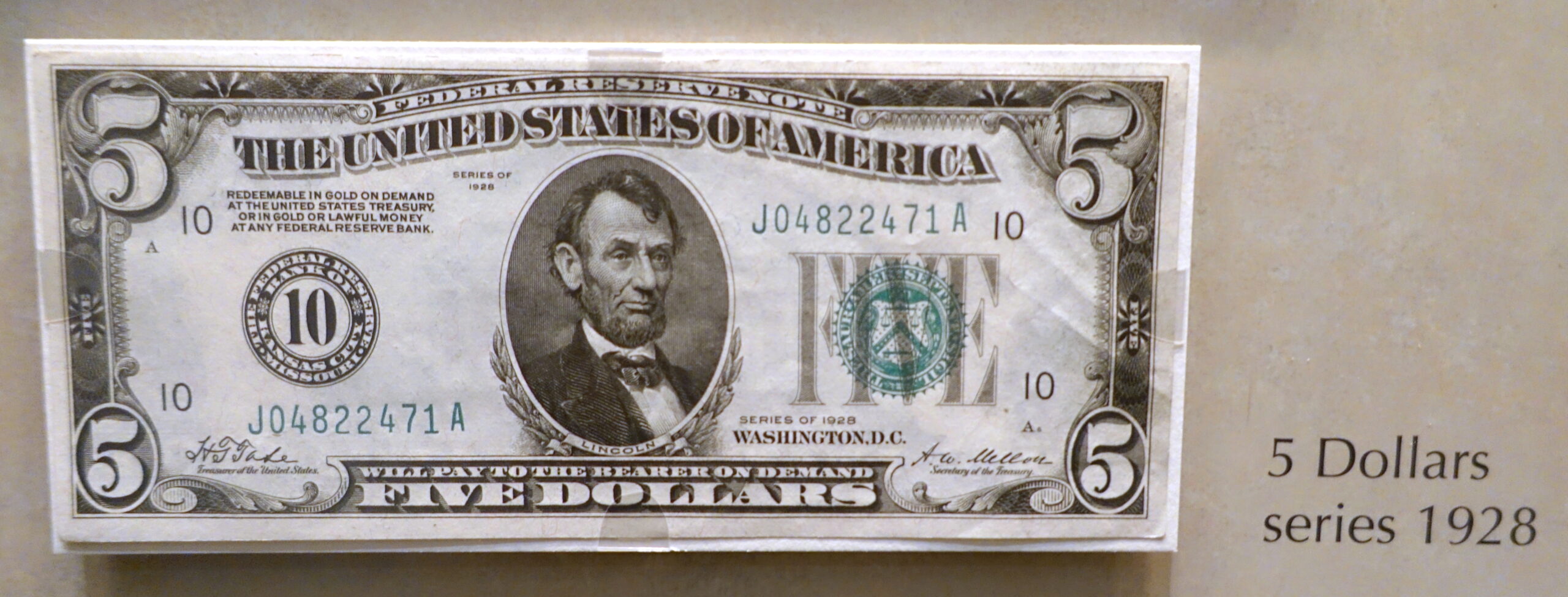
Centering is one of the most misunderstood grading criteria in paper money collecting, yet it can be the single factor that drops a crisp, bright note from a 67 to a 63. This guide breaks down exactly how PMG and PCGS Currency measure margins on small-size Federal Reserve Notes, which series are notorious for poor centering, and how savvy collectors can use this knowledge to find undervalued gems.

Read More →
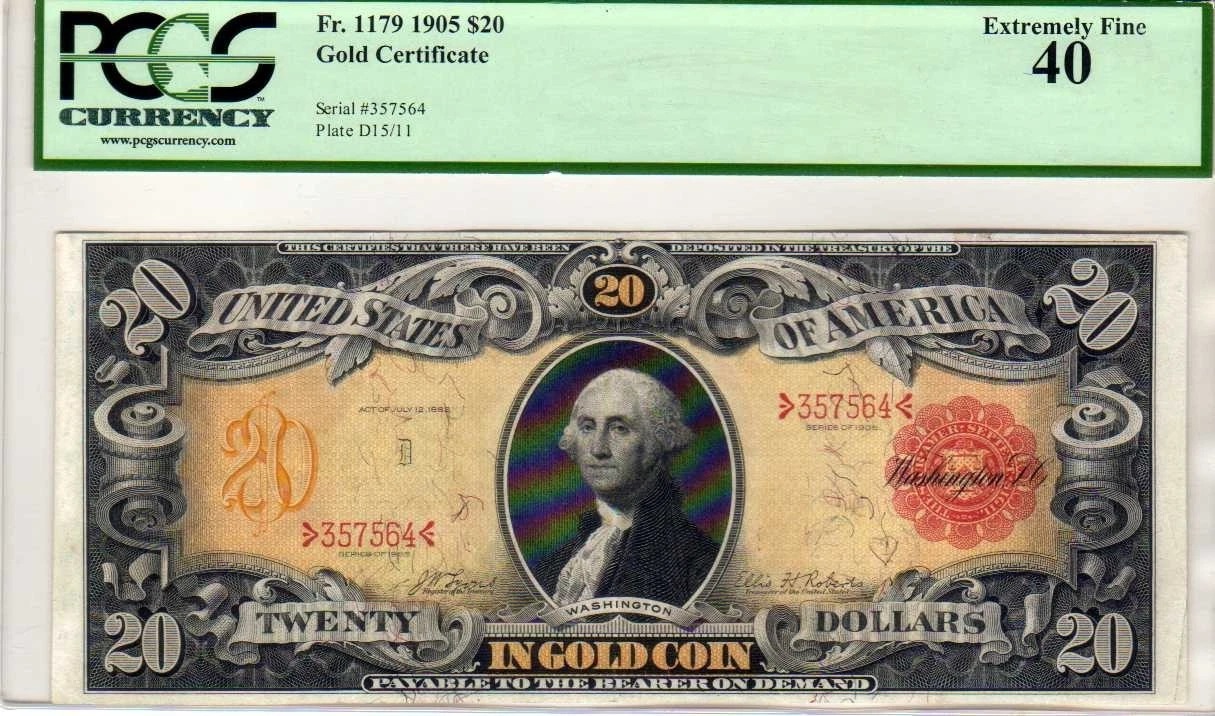
The Importance of Margins in Currency Grading: How Centering Affects PMG and PCGS Scores

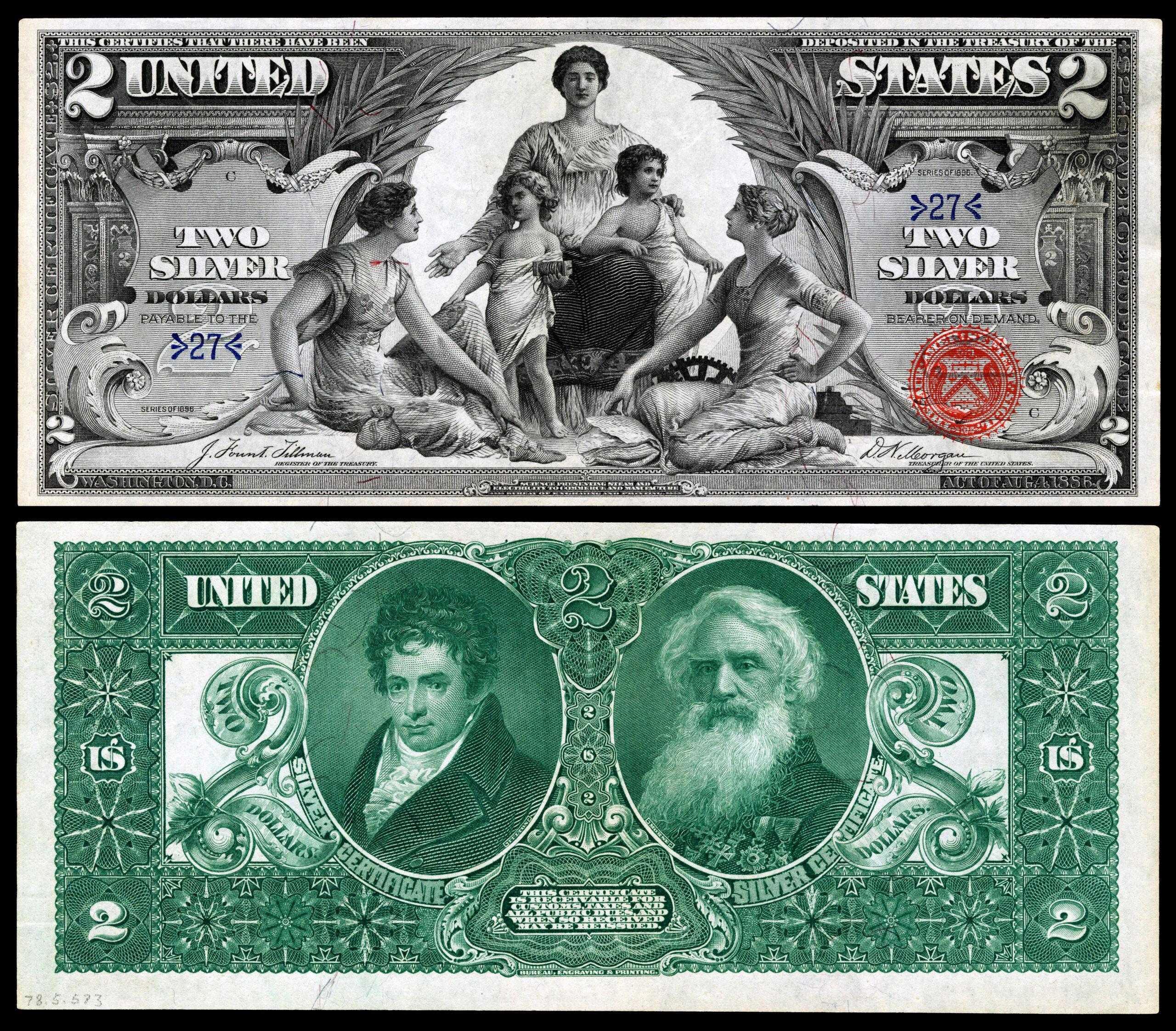
Centering and margins can make or break a currency grade, turning a potential gem into a problem note before an expert ever checks for folds. Understanding how PMG and PCGS evaluate margins gives collectors a critical edge when buying, selling, or submitting notes for grading.

Read More →

Handling Damage vs. Circulation Wear: How Graders Distinguish Between the Two Types of Impairment

Not all impairment on a banknote tells the same story, and experienced graders know exactly how to read the difference between a note that spent years in a cash drawer and one that was mishandled by a single careless collector. Understanding this distinction can mean the difference between a note graded Fine-15 and one that earns a damaging details qualifier that follows it forever.

Read More →

Gem Uncirculated 65 EPQ: What the Exceptional Paper Quality Designation Really Means

The EPQ designation from PCGS Currency and PMG can add significant value to a graded banknote, but few collectors fully understand what examiners are actually looking for. This guide breaks down the technical criteria, explains how EPQ affects market premiums, and shows you how to develop the eye for paper quality before you submit.

Read More →

Original Embossing on Intaglio-Printed Notes: What It Looks Like, How to Feel It, and Why Graders Reward It

The raised, tactile texture of intaglio printing is one of the most telling signs of a genuinely uncirculated banknote, yet many collectors overlook it entirely. Learn how to identify, preserve, and leverage original embossing when buying, grading, and upgrading your collection.

Read More →

The Role of Originality in Currency Grading: Why a 64 with Original Embossing Beats a Pressed 65

In the world of paper money grading, a note’s numerical grade tells only part of the story. Understanding why original embossing and surface integrity often make a lower-graded note more desirable, and more valuable, than a technically higher-graded but artificially improved example is essential knowledge for any serious collector.

Read More →

EPQ vs. PPQ Explained: Why Those Three Letters Can Double the Value of Your Currency Note

The EPQ and PPQ qualifiers assigned by PCGS Currency and PMG can dramatically affect what a note is worth and whether it belongs in a top-tier collection. Understanding exactly what these designations mean, how graders apply them, and when they truly matter is essential knowledge for any serious currency collector.

Read More →

How to Grade Your Own Notes Before Submitting: A Pre-Screening Checklist for Collectors

Submitting a note to PCGS Currency or PMG without doing your homework first can cost you real money in grading fees on notes that won’t return the investment. This comprehensive pre-screening checklist walks you through the exact criteria professional graders use, so you can make smarter submission decisions and spot upgrade candidates hiding in your collection.

Read More →

PCGS Currency vs. PMG: Which Grading Service Is Right for Your Paper Money Collection?

When it comes to certifying and grading US paper money, two names dominate the hobby: PCGS Currency and Paper Money Guaranty (PMG). This in-depth comparison breaks down their grading scales, holder quality, market acceptance, and submission strategies to help you make the smartest decision for your notes.

Read More →

The PMG Holder Font Change of 2010: Why Resubmitting Older Holdered Notes Sometimes Changes the Grade and What Collectors Should Know

In 2010, Paper Money Guaranty quietly updated its holder design and internal grading standards, creating a generation of ‘old holder’ notes that sometimes grade differently on resubmission. Understanding this shift can mean the difference between a savvy upgrade and a costly mistake for currency collectors.

Read More →